

The Walking Shoe: Your Ultimate Guide to Comfort and Style
Forget the notion that comfort and style are mutually exclusive. The modern walking shoe has evolved into a sophisticated piece of footwear technology, engineered to support your body through thousands of steps while making a deliberate statement about your personal aesthetic. This isn’t about settling for bulky, purely functional sneakers or sacrificing support for fleeting fashion trends. It’s about finding that perfect synergy where biomechanical science meets design intelligence. Whether you’re navigating urban landscapes, exploring nature trails, or simply seeking all-day support for work and errands, the right pair of walking shoes is the foundational element of a healthy, active lifestyle. This guide will dissect the anatomy of the perfect walking shoe, providing you with the knowledge to make an informed choice that benefits your feet, your posture, and your personal style.
The Foundation: Understanding Foot Biomechanics and Shoe Anatomy
To appreciate a great walking shoe, one must first understand the complex machinery it supports: the human foot. Each foot contains 26 bones, 33 joints, and over 100 muscles, tendons, and ligaments, working in concert to provide balance, propulsion, and shock absorption. The gait cycle—the sequence of events from when one foot touches the ground to when it touches the ground again—involves heel strike, midfoot stance, and toe-off. A proper walking shoe is designed to facilitate this natural motion while offering stability. Key anatomical features to scrutinize include the midsole, often made from EVA (ethylene-vinyl acetate) or polyurethane for cushioning; the outsole, featuring durable rubber with flex grooves for natural foot bending; the heel counter, a firm cup that stabilizes the rearfoot; and the upper, which should offer breathability and a secure, non-constricting fit. Renowned podiatrist Dr. William Rossi famously stated in his literature, “The shoe must be an extension of the foot itself, not a prison for it.” This philosophy underscores that the primary role of footwear is to protect without interfering with the foot’s intrinsic function. Scientific literature from institutions like the University of Pittsburgh’s Department of Orthopedic Surgery emphasizes that improper footwear can contribute to a cascade of issues, from plantar fasciitis and metatarsalgia to knee and lower back pain. Therefore, selecting a shoe isn’t merely about color or brand; it’s a decision with direct physiological implications.
Cushioning vs. Support: Striking the Critical Balance
A common misconception is that maximum cushioning equates to maximum comfort and protection. While cushioning is vital for dissipating the impact forces that travel up your legs with each step—forces that can equal 1.5 times your body weight—it is only one half of the equation. The other, often more crucial half, is support and stability. Imagine walking on a thick, soft mattress; it’s cushioned, but your ankles wobble with instability. The same can happen in an overly soft shoe without adequate structural integrity. Support refers to features that control excessive or unnatural foot motion, particularly overpronation (where the foot rolls inward too much) or supination (where it rolls outward). This is often achieved through medial posts (denser foam on the inner side of the midsole), torsional rigidity, and the aforementioned heel counter. The American Podiatric Medical Association (APMA) grants its Seal of Acceptance to shoes that promote good foot health, a certification that often hinges on this balance. For the everyday walker, a shoe with moderate, responsive cushioning and inherent stability is typically ideal. Brands like Brooks and ASICS invest heavily in research, developing technologies like DNA LOFT and GEL that aim to provide soft landings without the “quicksand” feeling that can lead to muscle fatigue. The goal is a shoe that feels protective yet connected to the ground, allowing your foot’s natural stabilizers to work effectively.
The Style Imperative: When Your Shoes Speak for You
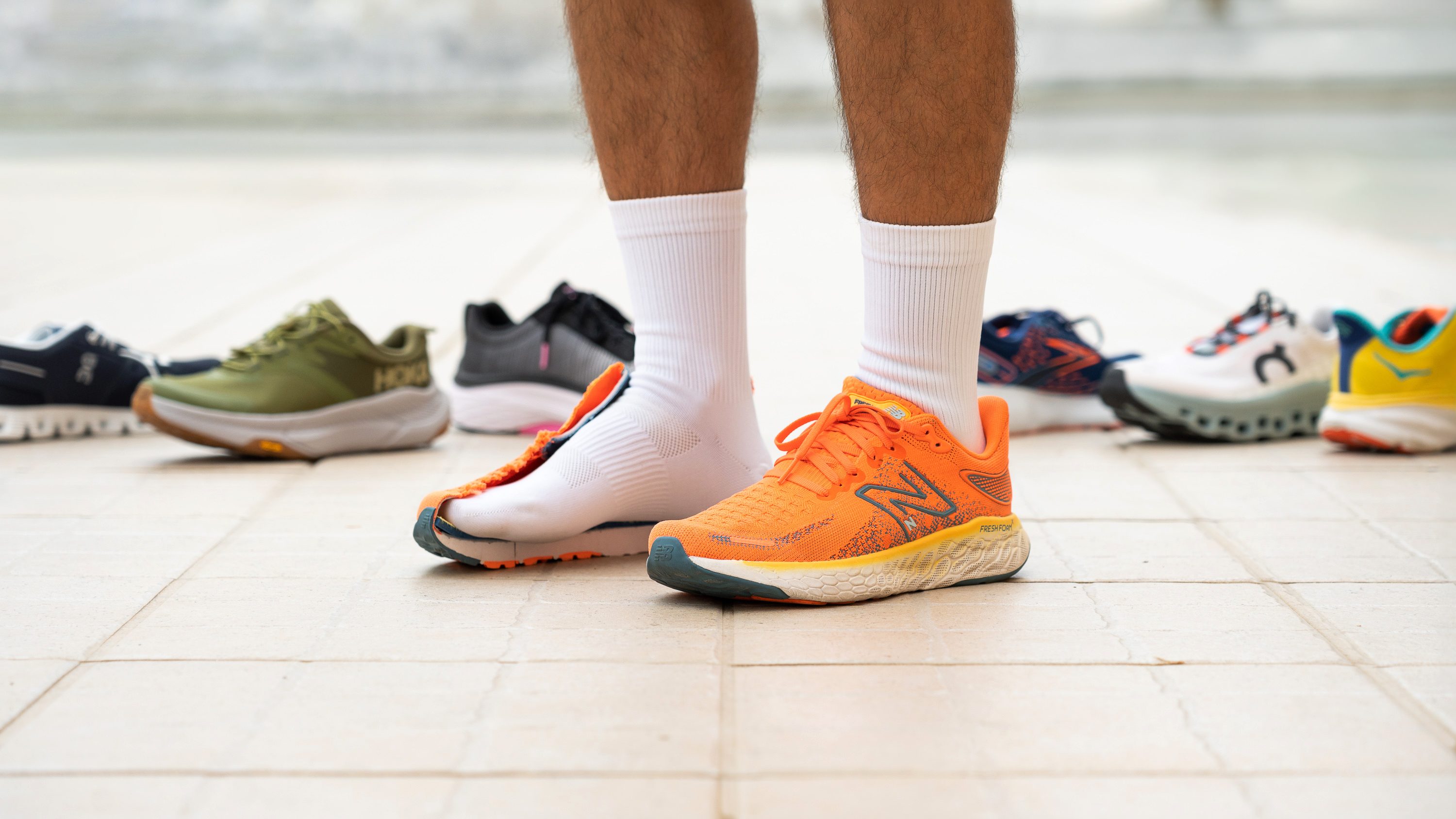
Let’s address the elephant in the room: for decades, “comfort shoes” were synonymous with clunky, whitewashed designs. Today, that paradigm has been utterly shattered. The rise of athleisure and a broader cultural shift towards wellness have pushed designers to integrate performance features into aesthetically compelling packages. A modern walking shoe can be a minimalist white leather sneaker from Cole Haan, a sleek, knit-fabric runner from Allbirds, or a rugged, trail-ready hiker from Merrell that looks as good on city streets as on a mountain path. This stylistic evolution matters because when you like how your shoes look, you’re more likely to wear them consistently. As style icon and designer Tom Ford once opined, “Dressing well is a form of good manners.” Extending that to footwear, choosing a shoe that respects both your body and your personal presentation is a holistic approach to self-care. Websites like GQ and Vogue regularly feature “best walking sneaker” guides, highlighting collaborations between high-fashion houses and sportswear giants, proving that market demand for style is now a primary driver of innovation. Your choice in a walking shoe can communicate a commitment to health, an eye for design, or a practical, no-nonsense attitude. The key is to not let style override function, but to seek out models where both coexist harmoniously.
Selecting Your Perfect Pair: A Step-by-Step Methodology
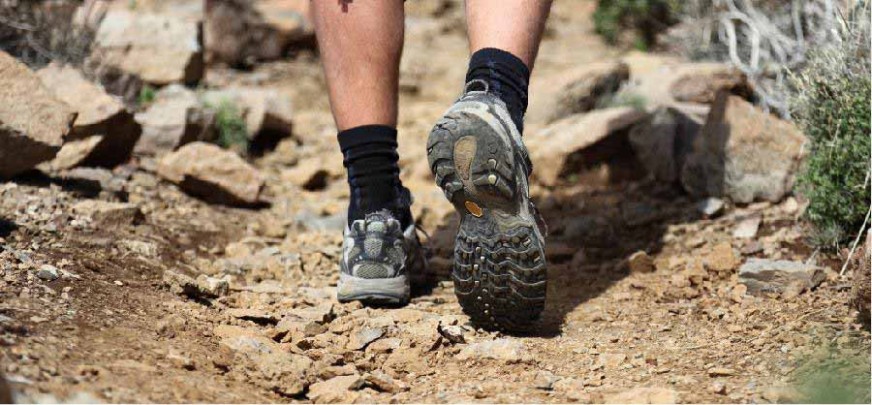
Armed with foundational knowledge, how do you apply it in a store or online? First, understand your foot type. The classic “wet test”—checking the shape of your footprint on a paper bag—can indicate if you have low, normal, or high arches, correlating roughly with pronation tendencies. Second, shop in the afternoon or evening, as feet naturally swell throughout the day. Always try on shoes with the type of socks you intend to wear with them. There should be about a thumb’s width of space between your longest toe (which isn’t always the big toe) and the end of the shoe. The widest part of your foot should align comfortably with the widest part of the shoe. Don’t just stand; walk on a hard surface, paying attention to any pinching, slipping at the heel, or pressure points. Remember that sizing can vary dramatically between brands and even models within the same brand. Third, consider your primary walking environment. A shoe designed for paved roads will have a different outsole pattern and cushioning philosophy than one built for dirt trails. Finally, listen to professional consensus. Reviews from authoritative sources like Runner’s World (which conducts rigorous lab tests) or YouTube channels like “Doctor of Foot” (featuring certified podiatrists) provide invaluable, evidence-based insights that transcend marketing claims.

Investment and Value: Navigating Price and Technology
High-quality walking shoes represent an investment in your physical well-being, but that doesn’t mean you must pay a premium blindly. The price point often reflects the complexity of the technology (e.g., proprietary cushioning systems, advanced stability frames), the quality of materials (e.g., premium leather vs. synthetic mesh), and brand R&D. However, excellent options exist at various price tiers. The key is to identify the features you genuinely need. For a neutral walker with no specific pain points, a simpler, less expensive model may be perfectly adequate. To maximize value, consider previous seasons’ models, which often see significant discounts as new colorways are released. The core technology in a model series often remains consistent for a few years. Websites that specialize in athletic gear discounts or official brand outlet sections are treasure troves. Remember, the most expensive shoe is not necessarily the best shoe for you. The return on investment for a properly fitted, purpose-built walking shoe is measured in miles of comfort, reduced injury risk, and enhanced daily vitality—a payoff that far exceeds the initial cost.

The Journey Forward in Your Ideal Walking Shoes
The search for the perfect walking shoe is a personal journey, a confluence of physiological need and stylistic desire. It requires moving beyond superficial choices and engaging with the engineering and intent behind the footwear. By prioritizing the harmonious balance of cushioning and support, refusing to compromise on fit, and embracing the vast stylistic options now available, you empower yourself to make a choice that serves you in every step you take. The right pair becomes an invisible partner, facilitating movement, encouraging activity, and expressing your approach to life. They are the unsung heroes of daily resilience, turning a simple walk into a sustained practice of well-being. So, lace up a pair that truly fits—not just your feet, but your life—and step forward with confidence, comfort, and undeniable style.
