

The Walking Shoe: Your Secret to Effortless Style and All-Day Comfort
In a world that demands constant motion, the foundation of our daily existence often rests literally upon our feet. The choice of footwear transcends mere fashion; it becomes a critical decision impacting our posture, energy, and overall well-being. The modern walking shoe stands at this intersection, engineered not just for movement, but for optimized, sustained, and comfortable mobility. This is not about athletic performance in the traditional sense, but about the performance of daily life. The right pair can transform a grueling commute into a pleasant stroll and a day of errands into an opportunity for effortless activity. We are exploring a category of footwear designed with scientific precision to support the human gait, marrying biomechanics with materials science to create a tool for modern living. The journey to understanding this essential item reveals why it is far more than just a shoe—it is a wearable technology for enhanced living.
The Anatomy of Comfort: Deconstructing the Modern Walking Shoe
To appreciate the walking shoe, one must first understand its engineered components. Unlike fashion sneakers or specialized running shoes, a true walking shoe is designed for the heel-to-toe rolling motion of a walking gait, which involves distinct biomechanics. According to research from the University of Virginia’s Motion Analysis and Motor Performance Laboratory, the walking cycle places different stresses on the foot compared to running, particularly in the heel strike phase. Therefore, the construction addresses specific needs. The midsole, often composed of advanced polymers like EVA (ethylene-vinyl acetate) or polyurethane, provides the primary cushioning. Brands like Brooks and ASICS have developed proprietary technologies—such as Brooks’ DNA LOFT or ASICS’ GEL cushioning systems—that are scientifically tuned to absorb impact forces that can travel up through the skeletal system. The insole or sockliner is another critical layer, sometimes removable and often contoured to the arch (medial, lateral, or neutral) to provide support and distribute pressure. The outsole’s rubber compound and tread pattern are designed for durability and flexibility at the forefoot, where the foot bends with each step. The upper, now frequently made from engineered meshes, provides breathability and a secure, adaptive fit without weight or bulk. This holistic design philosophy turns a simple shoe into a protective capsule for the foot, a fact underscored by podiatrists worldwide who emphasize proper footwear as a first line of defense against common ailments like plantar fasciitis.
Biomechanics in Motion: How Science Informs Design
The development of the contemporary walking shoe is deeply rooted in the science of human movement, or biomechanics. This field studies the structure and function of biological systems by means of the methods of mechanics. When applied to footwear, it leads to designs that actively assist the body’s natural motion rather than hinder it. A key concept is the gait cycle, which podiatrists and biomechanists break down into phases: initial contact, loading response, mid-stance, terminal stance, and pre-swing. A shoe designed for walking optimizes support through each phase. For instance, during the loading response, the foot pronates (rolls inward) to absorb shock. Excessive pronation can lead to injury, so many walking shoes incorporate features like medial posts—firmer foam on the inner side of the midsole—to gently guide the foot back to a neutral position. This isn’t marketing jargon; it’s applied science. Literature from the American Podiatric Medical Association (APMA) often grants Seal of Acceptance to shoes that demonstrate they promote good foot health based on these principles. Furthermore, the rocker sole—a design where the sole is curved upward at the toe—is a direct biomechanical intervention. It facilitates the forward roll of the foot, reducing the work required from the calf muscles and Achilles tendon, a feature particularly beneficial for those on their feet all day. This scientific approach transforms the shoe from a passive covering into an active participant in every step you take.
Beyond Function: The Walking Shoe as a Style Statement
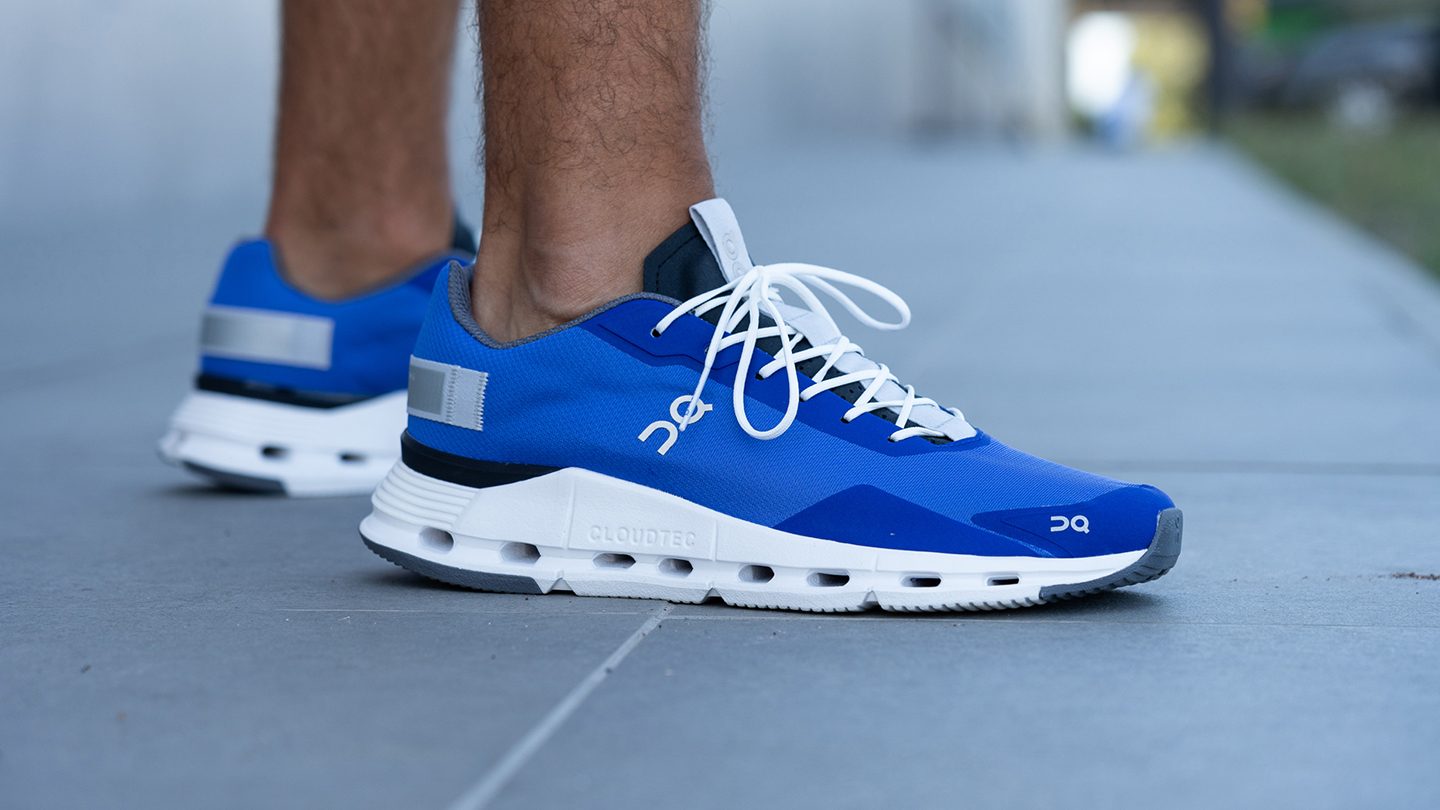
For decades, a chasm existed between “comfort shoes” and “stylish shoes.” The former were often clunky and visually unappealing, while the latter sacrificed support for aesthetics. That era has decisively ended. The modern walking shoe has successfully infiltrated the realm of high fashion and streetwear, proving that comfort and style are not mutually exclusive. This shift is reflected in cultural trends. The “athleisure” movement, chronicled by publications like Vogue and GQ, champions footwear that transitions seamlessly from a morning walk to a casual lunch. Brands like Allbirds, with their minimalist Merino wool designs, and HOKA, with their maximalist cushioning in bold colors, have become ubiquitous in urban environments not despite their comfort technology, but because of it. Their design language speaks to a generation that values authenticity and wellness. As fashion influencer and author Tan France has noted, “The right shoe can anchor an entire outfit, and now we don’t have to choose between looking good and feeling good.” This cultural acceptance means that the technical features—the breathable mesh, the supportive arches, the responsive cushioning—are now design elements in themselves. The visible air units, distinctive sole patterns, and sleek silhouettes are worn with pride. The walking shoe is no longer hidden; it is showcased, a badge of honor for those who prioritize smart, sustainable mobility in their daily lives.
The Long-Term Investment: Health, Durability, and Value
Purchasing a quality walking shoe is an investment in your long-term physical health and financial prudence. Consider the alternative: cheap, unsupportive footwear can lead to a cascade of issues. The American Academy of Orthopaedic Surgeons links improper footwear to knee pain, hip misalignment, and back problems over time. A well-constructed walking shoe acts as preventive care. Its durable materials—high-abrasion rubber outsoles, reinforced stitching, resilient foam—are designed to withstand the approximately 5,000 to 7,000 steps the average person takes daily. While the initial price point for a reputable pair from brands like New Balance, Saucony, or ECCO may range from $120 to $160, the cost-per-wear over the shoe’s 300-500 mile lifespan (as recommended by the American College of Sports Medicine for replacement) is minimal compared to potential medical bills or the constant replacement of inferior products. This is where bringing professional knowledge and discounted prices to users becomes crucial. Informed consumers can seek out seasonal sales, outlet models of previous years’ technologies (which are often nearly identical), or reputable online retailers that offer significant savings. The key is knowing what to look for: a secure heel counter, adequate toe box width, and appropriate arch support. Investing in this knowledge and a proper pair saves money in the long run by protecting your most valuable asset—your body’s ability to move without pain.
:max_bytes(150000):strip_icc()/when-should-i-replace-my-walking-shoes-3436325-0801-7a1840d83573471092e0380f9e230ecc.jpg)
Making the Right Choice: A Guide to Your Perfect Pair
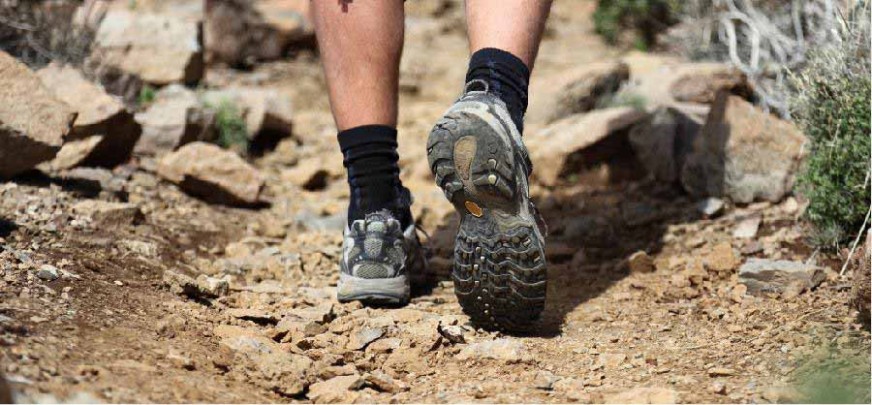
Selecting your ideal walking shoe is a personal journey, but it should be guided by evidence and self-awareness. First, understand your foot type. The “wet test”—where you wet your foot and step on a paper bag to see your arch imprint—is a simple, classic method recommended by resources like Mayo Clinic. Do you have flat feet (overpronation), high arches (underpronation/supination), or a neutral arch? This dictates the level of stability or cushioning you need. Second, consider your primary walking environment. Are you primarily on pavement, trails, or indoors? A shoe with a deeper, more aggressive lug pattern is essential for uneven terrain, while a smoother, more flexible sole is better for city streets. Third, and most importantly, fit is paramount. Always try shoes on in the afternoon when feet are naturally slightly swollen. There should be a thumb’s width of space between your longest toe and the end of the shoe. The heel should lock in place without slippage. Don’t be swayed by brand loyalty alone; different models within the same brand cater to different needs. As noted running coach and author Jeff Galloway often advises, “Listen to your feet. Discomfort during a short try-on in the store will become pain over a mile.” Finally, leverage professional fittings at specialty running or walking stores where staff are trained in gait analysis. This personalized approach ensures your chosen walking shoe is a true partner in motion.
:max_bytes(150000):strip_icc()/vwt-asics-womens-gel-pulse-16-jinfeng-chen-21-712f0f140e834b84b3a8dcf0bf154771.jpeg)
The pursuit of a shoe that offers both enduring comfort and contemporary style is not a luxury; it is a rational, health-conscious decision for modern life. The evolution of the walking shoe from a purely utilitarian object to a sophisticated fusion of biomechanical engineering and design aesthetics represents a significant advancement in how we equip ourselves for daily existence. It acknowledges that our feet are the foundation of our mobility and that supporting them intelligently has profound effects on our overall quality of life. By choosing footwear informed by science, tailored to our individual physiology, and aligned with our personal style, we make a conscious investment in our own sustained vitality and presence in the world. Every step taken in a well-chosen pair is a step taken with greater ease, confidence, and intention.
