

The Walking Shoe: Your Secret to Effortless Style and All-Day Comfort
Imagine a single item in your wardrobe that bridges the gap between a demanding schedule and personal well-being, between looking polished and feeling utterly at ease. This isn’t a fantasy of futuristic fashion; it’s the present-day reality offered by a meticulously chosen pair of walking shoes. For too long, shoes have forced a choice: style or comfort. We endure pinched toes for the sake of a sleek silhouette or sacrifice aesthetics for supportive soles. But what if the key to unlocking a more confident, productive, and enjoyable day lies not in an accessory, but in the very foundation of your outfit? The modern walking shoe represents a paradigm shift—a fusion of biomechanical engineering and considered design that empowers you to move through the world without compromise. This is not merely about footwear; it’s about reclaiming your day, step by comfortable step.
The Anatomy of All-Day Comfort: More Than Just a Soft Sole
To understand why a dedicated walking shoe is transformative, we must dissect the science of comfort. It’s a common misconception that a soft, pillowy insole equates to all-day support. In reality, effective comfort is a complex interplay of cushioning, stability, and gait cycle management. According to research from the Spaulding National Running Center, affiliated with Harvard Medical School, the human foot is a marvel of engineering, comprising 26 bones, 33 joints, and over 100 muscles, tendons, and ligaments. During walking, this structure absorbs forces equal to approximately 1.5 times your body weight with each step. A shoe designed for casual wear or fashion often lacks the specific features to manage this repetitive impact efficiently. The key components of a true walking shoe include a flexible sole that bends at the ball of the foot (the metatarsophalangeal joint), aiding the natural roll-through motion of a stride. It features ample heel cushioning to absorb the initial shock of heel strike and a firm heel counter—the back part of the shoe that cups the heel—to prevent excessive inward or outward rolling (overpronation or supination), which can lead to chain reactions of discomfort in the knees, hips, and back. This biomechanical support is the unspoken hero, the reason you can conclude a day of exploration or errands feeling energized rather than depleted.
:max_bytes(150000):strip_icc()/vwt-asics-womens-gel-pulse-16-jinfeng-chen-21-712f0f140e834b84b3a8dcf0bf154771.jpeg)
Effortless Style: When Form Faithfully Follows Function
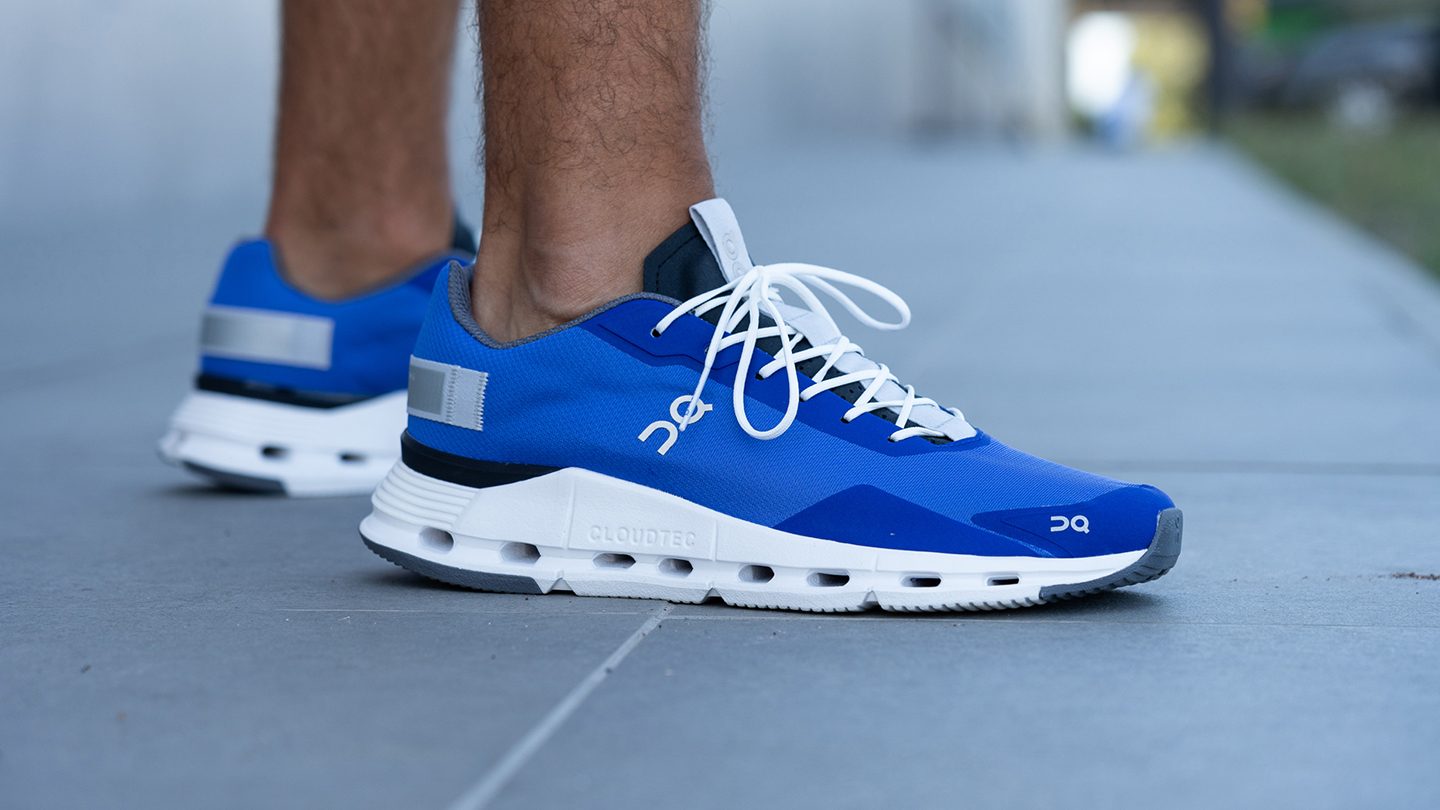
The historic divide between “sneakers” and “dress shoes” is rapidly dissolving. Today’s leading footwear designers and athletic brands recognize that consumers refuse to compartmentalize their lives—and their shoes. The aesthetic evolution of the walking shoe is a testament to this demand. We are witnessing the rise of “athleisure” and “performance heritage” styles, where the technical benefits of athletic footwear are cloaked in sophisticated, minimalist designs. Think of clean lines, monochromatic color palettes, premium materials like suede and engineered knits, and silhouettes that reference classic trainers without screaming “gym only.” This design philosophy echoes the words of legendary architect Louis Sullivan: “form ever follows function.” In the context of the modern walking shoe, the function is unparalleled comfort and support; the form is a versatile, stylish shell that transitions seamlessly from a morning coffee meeting to an afternoon of gallery hopping to an evening stroll. Brands like Cole Haan, with their Grand series, and Allbirds, with their Wool Runners, have built empires on this very premise, proving that intelligence and elegance are not mutually exclusive. Your shoe is no longer just a functional item; it’s a silent communicator of a pragmatic yet polished lifestyle.
The Investment in Your Foundation: A Cost-Per-Wear Analysis
It is tempting to view a high-quality walking shoe as a significant expense. However, a shift in perspective reveals it to be one of the most prudent investments you can make in your daily life. Consider the concept of “cost-per-wear,” a metric favored by fashion economists and savvy shoppers alike. A $150 pair of shoes worn 300 days a year costs a mere 50 cents per day. Now, juxtapose this with the hidden costs of inferior footwear: the mid-afternoon fatigue that drains productivity, the nagging foot pain that necessitates expensive orthotics or physiotherapy sessions, and the premature wear-and-tear on your joints. The American Podiatric Medical Association consistently emphasizes that proper footwear is a cornerstone of preventive foot health. Furthermore, the psychological lift of wearing something that looks and feels good cannot be quantified. When your feet are happy, your posture improves, your stride becomes more confident, and your overall demeanor shifts. This isn’t an anecdotal claim; a study published in the Journal of Experimental Social Psychology found that wearing formal clothing (associated with attention to detail and aesthetics) can increase abstract thinking and feelings of power. A stylish, comfortable walking shoe offers a similar cognitive-affective boost—the feeling of being prepared and capable for whatever the day holds. Therefore, the true value of a superior walking shoe extends far beyond its price tag, amortizing itself daily in comfort, health, and confidence.
Navigating the Selection: A Guide to Your Perfect Pair
With a myriad of options available, selecting your ideal walking shoe can feel daunting. The process, however, is demystified by focusing on a few critical, personalized factors. First, understand your foot type and gait. Many specialty running stores offer free gait analysis, which can identify if you have neutral pronation, overpronation, or underpronation. This will guide you toward shoes with the appropriate level of stability or motion control. Second, prioritize fit over size number. Your feet swell throughout the day, so shop for shoes in the afternoon or evening. There should be about a thumb’s width of space between your longest toe and the end of the shoe. The widest part of your foot should align comfortably with the widest part of the shoe without any pinching or slippage. Third, consider your primary terrain. Are you mostly on paved city streets, or do your walks incorporate park trails? A road-walking shoe will have smoother, more durable rubber outsoles, while a hybrid shoe might offer slightly more lug-like traction. Finally, do not underestimate the importance of materials. Breathable mesh uppers keep feet cool, while water-resistant treatments can be invaluable for unpredictable weather. Remember, the best walking shoe is the one that disappears on your foot, becoming an effortless extension of your body’s movement.
The Wisdom of the Well-Traveled: Voices of Experience
The merits of prioritizing footwear are echoed by voices across cultures and professions. Travel writers, who literally walk for a living, are some of the most vocal advocates. Renowned author and traveler Rick Steves has repeatedly stated in his guides and public talks, “Take care of your feet, and your feet will take care of you. Comfortable walking shoes are the most important item you pack.” This sentiment is a cornerstone of practical travel wisdom. In the realm of daily urban life, fashion influencers and professionals have adopted the creed. Tim Ferriss, author of The 4-Hour Workweek, often discusses optimizing life for performance and comfort, a philosophy that logically extends to one’s foundational gear. On platforms like YouTube, certified pedorthists and physical therapists, such as Dr. Ray McClanahan of Northwest Foot & Ankle, provide evidence-based reviews, cutting through marketing hype to explain which features genuinely benefit foot health. Their collective message is clear: what you put on your feet is a non-negotiable element of a high-functioning, enjoyable life. It is a simple upgrade with compound returns.
“Take care of your feet, and your feet will take care of you. Comfortable walking shoes are the most important item you pack.” – Rick Steves, Travel Author and Expert.
Beyond the First Step: Care, Longevity, and Knowing When to Let Go
Your relationship with a great pair of walking shoes doesn’t end at the purchase. Proper care extends their lifespan and ensures they continue to perform. Rotate between two pairs if possible; this allows the midsole foam to fully decompress between wears, maintaining its cushioning properties. Use a gentle brush and appropriate cleaners for the upper materials—never throw quality shoes in the washing machine, as this can break down adhesives and structural integrity. For leather or suede options, use protective sprays. Crucially, know when to retire them. The external tread may look intact, but the internal cushioning and support degrade with mileage. The general consensus from podiatrists and shoe manufacturers is to replace walking shoes every 300 to 500 miles. For the average person walking 3-5 miles per day, this translates to roughly every 6 to 9 months. Signs of wear include noticeable creasing in the midsole, a feeling of reduced shock absorption, or uneven wear patterns on the outsole. Investing in a new pair at the right time is not a failure of the old shoe, but a recommitment to the comfort and support your body deserves.
:max_bytes(150000):strip_icc()/when-should-i-replace-my-walking-shoes-3436325-0801-7a1840d83573471092e0380f9e230ecc.jpg)
The pursuit of a life well-lived is often framed in grand terms—major career moves, exotic vacations, profound hobbies. Yet, perhaps one of the most impactful upgrades is profoundly simple: the shoes on your feet. A true walking shoe is the unsung hero of the modern wardrobe, a tool that quietly elevates every experience by removing the distraction of discomfort and replacing it with the freedom of movement. It is an embrace of the principle that you should not have to suffer for style, nor sacrifice intelligence for aesthetics. By choosing footwear that honors the biomechanics of your body and the aesthetics of your life, you are not just buying a product. You are making a deliberate choice to walk through your days with greater ease, resilience, and quiet confidence. The path to a better day, it turns out, begins from the ground up.
