

The Walking Shoe: Your Secret to Effortless Style and All-Day Comfort
Forget the notion that comfort and style are mutually exclusive. The true secret to navigating modern life with grace and ease lies not in a fleeting trend, but in a foundational choice: the walking shoe. This is not merely about footwear; it’s about a philosophy of movement. The right pair of walking shoes is the unsung hero of your daily ensemble, a tool that empowers you to move through your world—from bustling city streets to serene park paths—without a second thought to discomfort. It’s the difference between ending your day with a sigh of relief, peeling off constrictive shoes, and finishing with energy to spare, ready for whatever comes next. This article delves into the anatomy, science, and style of the perfect walking companion, arguing that investing in a proper pair of walking shoes is the most pragmatic and stylish decision you can make for your well-being.
The Foundation: Understanding What Makes a Shoe a True Walking Shoe
Not all athletic-looking shoes are created equal. Running shoes, cross-trainers, and casual sneakers each have distinct design philosophies tailored to specific biomechanics. A dedicated walking shoe is engineered for the gait cycle of walking, which involves a heel-to-toe rolling motion with one foot always in contact with the ground. According to research from institutions like the University of Pittsburgh Medical Center, the key features of an ideal walking shoe include a flexible sole that bends easily at the ball of the foot, a heel with slight rounding (known as a heel bevel or rocker sole) to facilitate smooth heel-strike and roll-off, and ample cushioning in the midsole to absorb the repeated, lower-impact forces of walking. Unlike running shoes, which often have elevated, cushioned heels for forward propulsion and impact absorption from jumps, walking shoes prioritize stability and a low-to-the-ground feel to support the foot’s natural motion. The American Podiatric Medical Association (APMA) often grants seals of acceptance to shoes that promote good foot health, and many of these are walking-specific models. This scientific underpinning is crucial; it transforms the shoe from a fashion accessory into a piece of functional equipment designed to protect your joints, reduce fatigue, and prevent injuries like plantar fasciitis or shin splints over countless miles.
Anatomy of Comfort: Cushioning, Support, and Fit
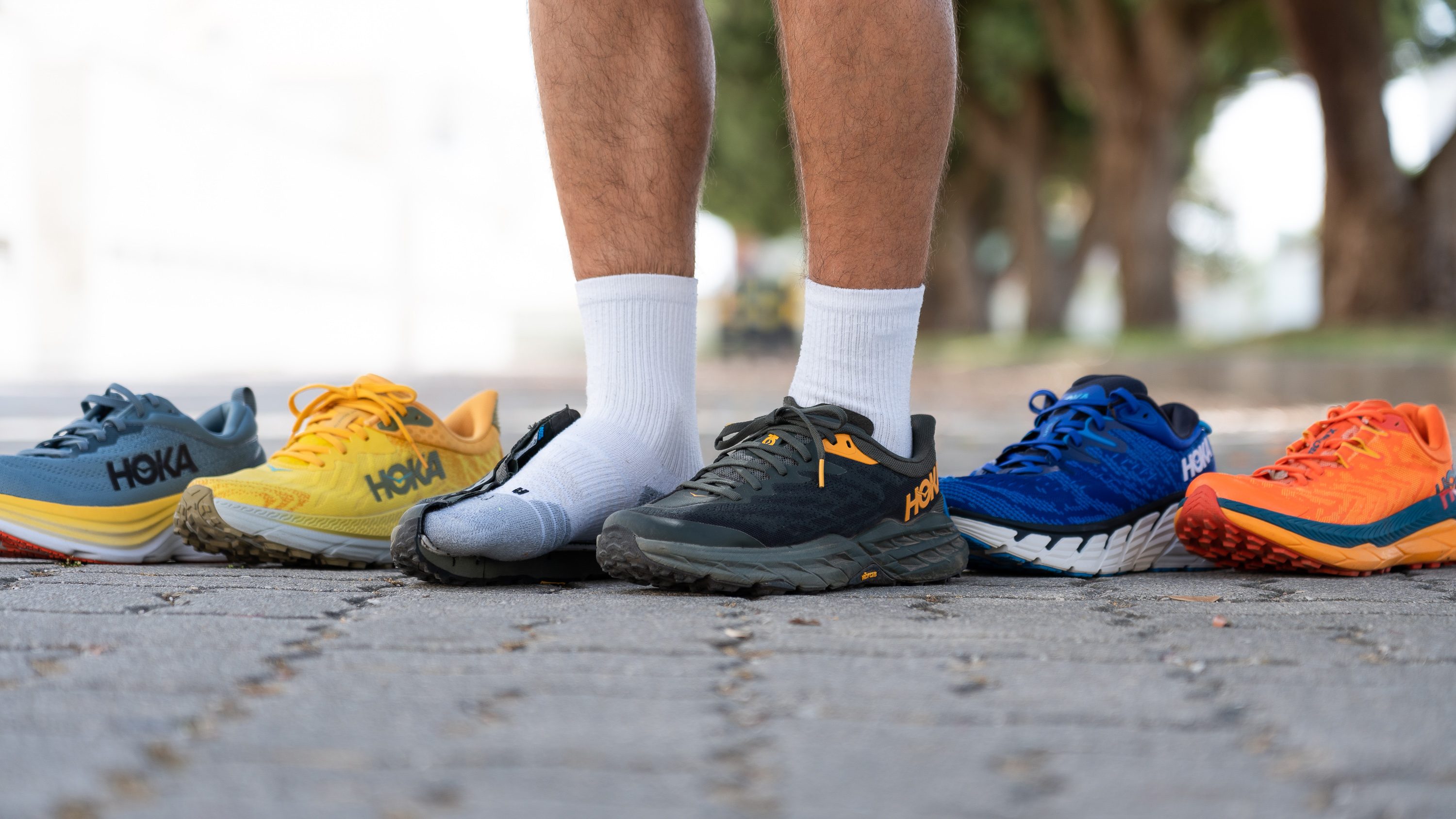
Delving deeper, the comfort of a walking shoe is a symphony of interconnected components. The midsole, often made from materials like EVA (ethylene-vinyl acetate) foam, polyurethane, or proprietary gels (like ASICS’ GEL technology), is the heart of cushioning. Its job is to dissipate shock. However, as biomechanist Dr. Casey Kerrigan, founder of OESH Shoes, has pointed out in interviews, the goal isn’t just softness; it’s responsive cushioning that returns energy to the walker. Too much soft, unstable cushioning can actually cause the foot to work harder to stabilize itself, leading to muscle fatigue. Support, particularly arch support, is equally critical. This isn’t about a one-size-fits-all rigid arch cookie. The best walking shoes offer varying levels of arch support or are neutral, catering to whether you have flat feet (overpronation), high arches (supination), or a neutral gait. A proper fit is non-negotiable. Your feet swell throughout the day and expand under load during walking. Renowned shoe fitting experts, like those cited in resources from Runner’s World, recommend having a thumb’s width of space between your longest toe and the end of the shoe, ensuring the widest part of your foot aligns with the widest part of the shoe’s sole. Ignoring fit for aesthetics is the primary culprit behind blisters, black toenails, and compromised performance.
:max_bytes(150000):strip_icc()/vwt-asics-womens-gel-pulse-16-jinfeng-chen-21-712f0f140e834b84b3a8dcf0bf154771.jpeg)
Style Reimagined: The Walking Shoe as a Fashion Statement
The historical dichotomy between “comfort shoes” and “stylish shoes” has thoroughly collapsed. The rise of athleisure and the normalization of sneakers in offices and social settings have liberated the walking shoe from the realm of the purely utilitarian. Brands like Cole Haan, Allbirds, and Veja have masterfully bridged the gap, offering designs that incorporate walking-shoe technology into silhouettes that are sleek, minimalist, and versatile. The fashion industry itself has validated this shift. As designer and style icon Tom Ford once stated, “Dressing well is a form of good manners.” Today, part of that manners is not being sidelined by foot pain. A clean, well-designed pair of white leather walking sneakers can pair with tailored trousers, a midi skirt, or dark denim with equal aplomb. The key is intentionality. Choosing a shoe in a neutral color palette (white, black, grey, navy) or a classic material (leather, suede, knit) ensures it integrates seamlessly into your wardrobe. This isn’t about sacrificing style for comfort; it’s about elevating your style by choosing pieces that don’t force you to compromise your physical well-being. The walking shoe becomes a testament to smart, sustainable fashion—buying one versatile, high-quality pair that serves multiple purposes is both economically and sartorially savvy.
The Long-Term Investment: Health, Economics, and Sustainability
Viewing a quality walking shoe as a mere purchase is a mistake; it is an investment in your long-term health and financial prudence. Consider the cost-per-wear analysis. A $150 pair of shoes worn nearly every day for a year (or until their recommended 300-500 mile lifespan) costs pennies per day. Compare this to cheaper, poorly constructed shoes that may cause discomfort within weeks and require frequent replacement. More importantly, the health economics are profound. Chronic foot pain can lead to compensatory changes in your gait, potentially causing issues in your knees, hips, and lower back. The American College of Sports Medicine consistently highlights the role of proper footwear in preventing overuse injuries. By investing in shoes that support your biomechanics, you are potentially saving thousands in future medical bills, physical therapy, and lost productivity. Furthermore, the trend towards higher-quality materials and construction in walking shoes aligns with sustainable fashion principles. Durable shoes that last longer reduce waste. Brands are increasingly using recycled materials in their midsoles and uppers, allowing you to make a choice that benefits both your feet and the planet.
Making the Informed Choice: Bringing Professional Knowledge to Your Decision
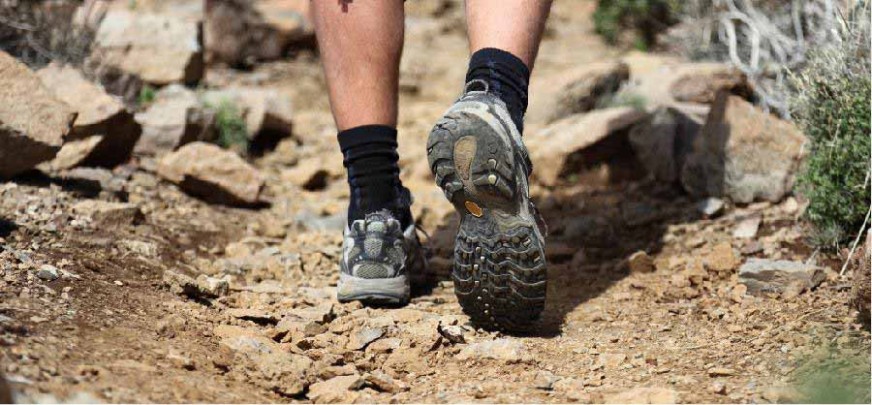
Armed with this knowledge, how do you choose? Start by assessing your own needs. Are you primarily walking on pavement, trails, or treadmill? Do you need extra stability? Visiting a specialty store for a gait analysis, even once, can provide invaluable insights. Don’t be swayed by marketing jargon alone; look for the objective features discussed: flexibility, heel design, and appropriate cushioning. Remember, the most expensive shoe is not necessarily the best for you. It’s about the correct match for your foot shape and walking pattern. To bring this professional knowledge directly to you, we’ve curated selections that marry these technical specifications with contemporary style, often at accessible price points. Many reputable brands offer previous-season models or colorways at significant discounts without compromising the core technology. The goal is to empower you to make a choice that feels informed, personal, and smart—a choice that acknowledges the walking shoe as the essential, versatile workhorse of a dynamic and comfortable life.
:max_bytes(150000):strip_icc()/when-should-i-replace-my-walking-shoes-3436325-0801-7a1840d83573471092e0380f9e230ecc.jpg)
The journey through your day should be defined by possibility, not punctuated by pain. The liberation offered by the right pair of shoes is profound and practical. By choosing a shoe designed with the science of walking in mind, you are not giving up on style; you are embracing a more intelligent, holistic approach to it. You are voting for your own vitality with every step. Let your walking shoe be the reliable, stylish foundation upon which you build a more active, comfortable, and effortlessly put-together life. The path forward is clear, and it’s best traveled in shoes that were made for exactly that purpose.
