

The Ultimate Guide to Tennis Shoes for Walking
Choosing the right footwear for walking is a decision that impacts your daily comfort, joint health, and overall enjoyment of the activity. While specialized walking shoes exist, a surprising and excellent alternative has emerged: tennis shoes for walking. This guide will dismantle the notion that shoes are single-purpose tools and demonstrate how the right pair of tennis shoes can be a superior choice for your walking regimen, blending athletic performance with everyday comfort.
Why Tennis Shoes? The Science of Crossover Functionality
The design philosophy behind a tennis shoe is rooted in multi-directional support and court-surface adaptation. Unlike running shoes, which are engineered primarily for forward motion, tennis involves lateral cuts, quick stops, and sprints in all directions. According to biomechanics research from institutions like the University of Calgary’s Human Performance Laboratory, this demands a shoe with a reinforced midfoot, a stable heel counter, and a outsole that provides grip without excessive stickiness. When you walk, especially over varied urban terrain or on paths with slight inclines, your foot undergoes a complex roll from heel strike to toe-off, with subtle medial-lateral adjustments for balance. A well-designed tennis shoe for walking offers the stability to manage these micro-adjustments, preventing the ankle roll common in softer, more flexible running shoes. The cushioning, often full-length, is tuned for impact from jumps and hard court pounding, which translates to excellent shock absorption for the repetitive heel strikes of walking, protecting knees and hips over long distances.

Anatomy of the Perfect Walking Tennis Shoe: Key Features Decoded
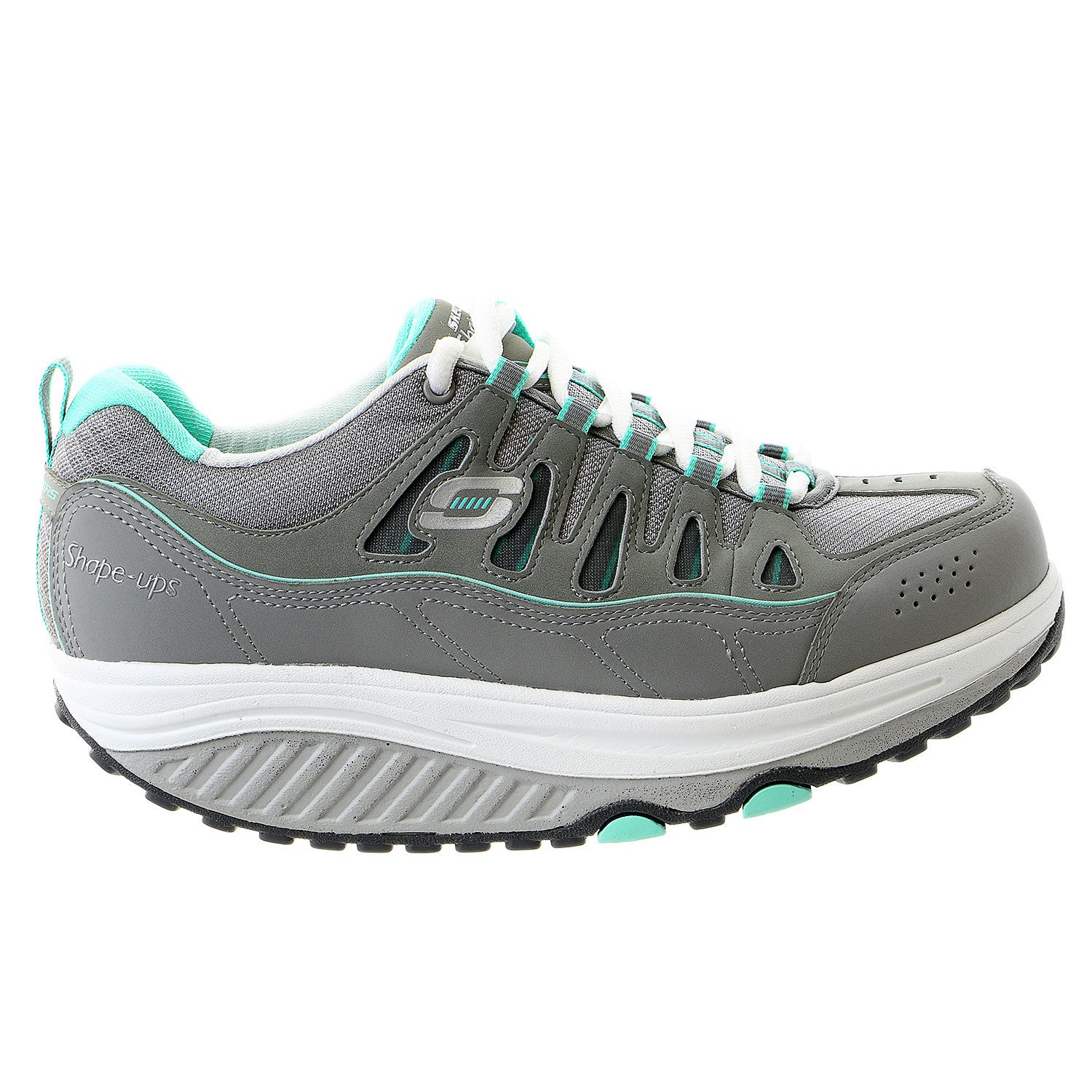
Not every tennis shoe is ideal for walking. You must look for specific features that align with a walker’s needs. First, examine the upper. It should be made of breathable mesh to prevent overheating but with strategic synthetic overlays. These overlays aren’t just for style; as noted in podiatric literature, they provide essential structure and prevent the foot from sliding within the shoe during the push-off phase. Second, the midsole is critical. Technologies like Adidas’ Boost, Nike’s React, or Asics’ Gel, frequently used in tennis models, offer a blend of responsive cushioning and energy return. This means less fatigue for your leg muscles. A study published in the Journal of Sports Sciences highlighted that shoes with better energy return can improve perceived comfort during prolonged weight-bearing activities. Third, the outsole should have a modified herringbone or circular tread pattern common in tennis shoes. This pattern offers multi-surface traction without being overly aggressive, perfect for pavement, track, and light trail walking. Finally, the heel counter must be firm and cupped to lock your heel in place, eliminating slippage that can lead to blisters—a common complaint with poorly fitted walking shoes.
The Durability Dividend: A Cost-Per-Mile Perspective
From a practical, first-person perspective, let’s discuss longevity. I’ve found that dedicated walking shoes often wear out quickly in the forefoot area due to the repetitive push-off. Tennis shoes, however, are built to withstand the abrasive drag of clay or hard courts. The toe guards and reinforced toe boxes are not just for serving looks; they protect against scuffing when your foot occasionally brushes the ground. The rubber used in tennis outsoles is typically more durable and abrasion-resistant than that of many lightweight trainers. This translates directly to cost savings. While the initial investment in a premium pair of tennis shoes for walking might be comparable to high-end walking shoes, their extended lifespan offers a better cost-per-mile ratio. Think of it as buying a vehicle with a higher-grade tire; the upfront cost is justified by the thousands of extra miles you’ll comfortably travel.
Expert Voices and Celebrity Endorsements: Beyond Marketing
The suitability of tennis shoes for walking isn’t just a niche observation; it’s echoed by fitness experts and public figures. Celebrity trainer Harley Pasternak, who works with Hollywood A-listers, has often emphasized the importance of supportive, stable footwear for all-day wear and low-impact cardio like walking. On platforms like Quora and specialized running/walking forums, seasoned marathon walkers and physical therapists frequently recommend stable court shoes for individuals with mild overpronation who find standard walking shoes too soft. Furthermore, the trend of “athleisure” has seen figures like David Beckham and Roger Federer—whose own RF line of tennis shoes is renowned for its comfort—spotlighting tennis-inspired sneakers as go-to footwear for city navigation. This cultural shift underscores a functional truth: these shoes are designed for all-day, on-your-feet performance.
“The best shoe is the one that fits your foot and your activity’s biomechanics, not necessarily the one labeled for it. I’ve seen clients achieve better posture and less foot fatigue from a stable court shoe than from a highly cushioned but unstable runner when used for power walking.” – A viewpoint commonly echoed by sports podiatrists in interviews for outlets like Runner’s World.
Selecting Your Pair: A Step-by-Step Fitting Guide
Your journey starts in the late afternoon or evening, when your feet are naturally slightly swollen. Bring the socks you intend to walk in. When trying on a potential tennis shoe for walking, pay attention to more than just length. There should be a thumb’s width of space between your longest toe and the shoe’s end. The width should be snug but not constricting, with no pinching at the ball of the foot. Perform a simple “ramp test”: find a slight incline in the store. Walk up and down. Does your heel slip? Does your foot slide forward? The shoe should hold you securely. Press on the top of the shoe over your toes; it should not press down directly on your toenails. Finally, trust the feel over the size number. Sizing varies dramatically between brands and even models. The ultimate goal is a feeling of secure, supportive embrace without any points of pressure or slip.

Maximizing Value: Where Performance Meets Price
Investing in your foot health doesn’t require emptying your wallet. The key is strategic shopping. Previous season’s colorways of top-tier models from brands like New Balance, K-Swiss, or Head often see discounts of 30-50% as retailers make room for new inventory. These shoes offer identical technology and construction to the latest models at a fraction of the cost. Outlet stores and reputable online retailers frequently run sales, especially during holiday weekends and seasonal changes. Furthermore, consider “performance lifestyle” models from tennis lines. Shoes like the Adidas Stan Smith or the Nike Court Vision offer clean aesthetics derived from tennis heritage, often incorporating sufficient cushioning and support for casual to brisk walking, typically at a more accessible price point than professional-grade models. Remember, the best tennis shoes for walking for you are the ones that fit perfectly, meet the technical criteria, and align with your budget.
Your First Walk and Beyond: Breaking In and Maintenance
Once you’ve made your selection, introduce them to your routine gradually. Start with shorter walks of 15-20 minutes to allow your feet and the shoes to adapt to each other. This “break-in” period is more about your body acclimating to the new support structure than the shoe softening. Pay attention to any hot spots; minor discomfort can sometimes be solved with different lacing techniques. To prolong the life of your investment, rotate between two pairs if possible. This allows the midsole foam to fully decompress between uses, maintaining its cushioning properties longer. Clean them regularly with a soft brush and mild soap, avoiding the washing machine which can break down adhesives and deform the shoe. Keep them away from direct heat sources when drying.
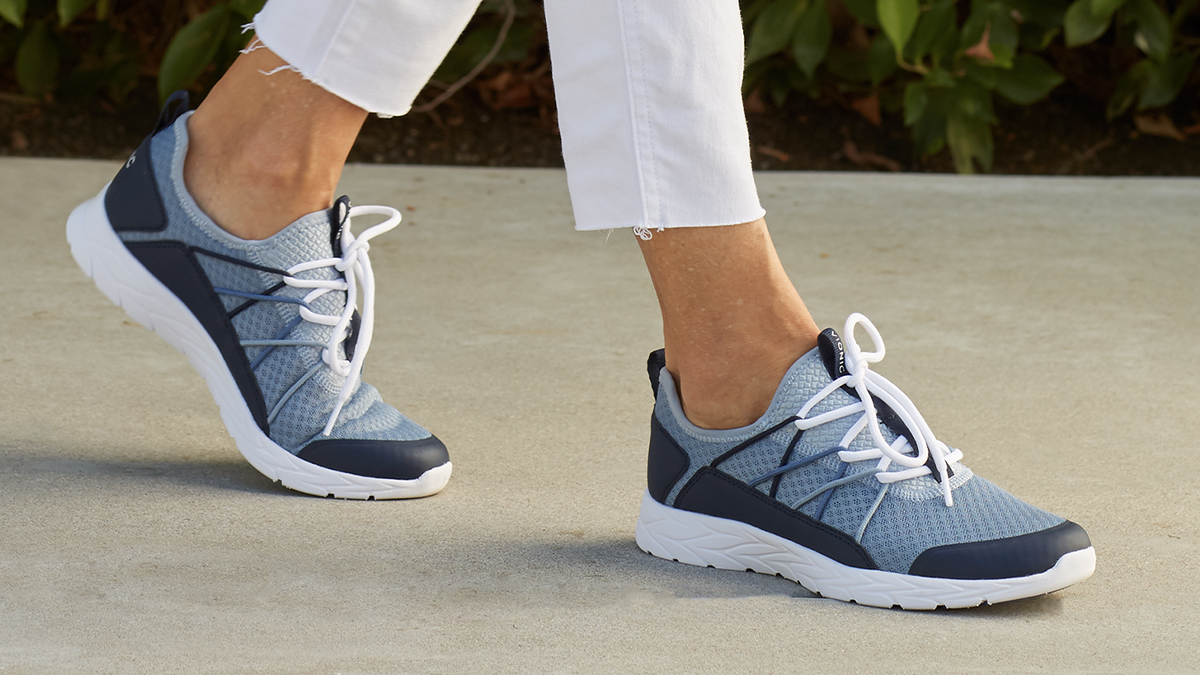
The search for the perfect walking companion ends not in the walking aisle, but perhaps on the tennis court. By prioritizing stability, durable construction, and responsive cushioning—hallmarks of a great tennis shoe—you equip yourself for miles of comfortable, supported walking. Embrace the crossover potential of tennis shoes for walking. Your feet, your joints, and your wallet will thank you for the informed, versatile choice, step after confident step.
