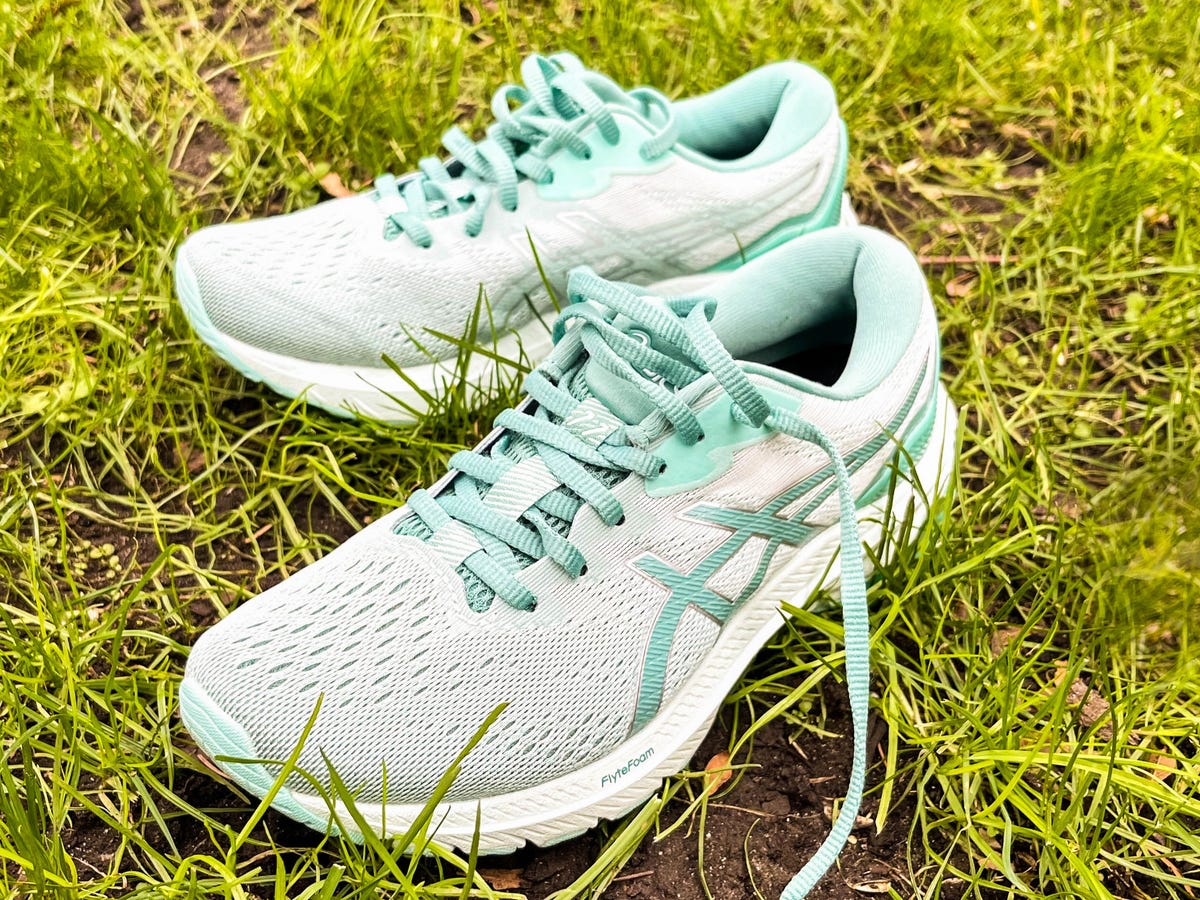
The Best Tennis Shoes for Walking Comfort and Fashion
In the realm of footwear, a quiet revolution is underway. The lines between dedicated athletic gear and everyday fashion are blurring, and at the forefront are tennis shoes for walking. No longer confined to the clay or grass courts, these shoes have stepped off the sidelines and into our daily lives, offering a unique fusion of support, durability, and style that traditional walking shoes or casual sneakers often lack. This isn’t about settling for a sports shoe in a non-sporting context; it’s about recognizing a superior design philosophy built for lateral stability, impact absorption, and all-day comfort. The modern tennis shoes for walking represent a conscious choice for those who refuse to sacrifice aesthetics for comfort or vice versa. They are the workhorses of urban exploration, the reliable companions for long museum visits, and the stylish anchors for a weekend outfit. This exploration delves into why a well-chosen tennis shoe is arguably the ultimate walking companion, dissecting the science behind their comfort, tracing their fashion evolution, and providing a clear guide to selecting your perfect pair.
The Anatomical Advantage: Why Tennis Shoes Work for Walking
To understand the efficacy of tennis shoes for walking, one must first appreciate the biomechanical demands of tennis itself. Unlike the linear motion of running, tennis involves explosive multi-directional movements—sudden starts, stops, cuts, and lateral slides. This places immense stress on the foot’s musculoskeletal structure, particularly the medial (inner) and lateral (outer) sides. Consequently, tennis shoe design prioritizes features that directly benefit the walker: superior lateral support, enhanced forefoot stability, and durable outsoles. The midsole, often featuring advanced cushioning technologies like Nike’s Zoom Air, Adidas’s Boost, or ASICS’s GEL, is engineered to absorb high-impact forces from all angles. For the walker, this translates to a cushioning system that mitigates the repetitive stress of heel-strike and toe-off on hard pavements. Furthermore, the outsole of a tennis shoe is typically made of a non-marking, durable rubber with a herringbone or modified pattern designed for traction on court surfaces. This pattern offers excellent grip on a variety of urban terrains, from slick marble floors to rain-dampened sidewalks. As noted by Dr. Casey Kerrigan, a former professor of physical medicine and rehabilitation at Harvard University, “Footwear design significantly influences gait mechanics.” The structured heel counter and arch support inherent in performance tennis shoes promote a more stable and aligned gait cycle, reducing the risk of overpronation—a common issue for walkers that can lead to plantar fasciitis or knee pain. Therefore, choosing a tennis shoes for walking is not a compromise; it’s an application of specialized athletic engineering to the everyday challenge of comfortable, sustained ambulation.

From Court to Catwalk: The Fashion Evolution of the Tennis Shoe
The journey of the tennis shoe from a functional sports item to a fashion staple is a testament to its timeless design and cultural resonance. The initial spark can be traced back to the 1970s and 80s, with iconic models like the Adidas Stan Smith and the Nike Air Jordan (though a basketball shoe, it broke the mold for athletic footwear in fashion). However, the true catalyst for the modern “tennis-core” or “gorpcore” aesthetic was a combination of high-fashion adoption and streetwear’s relentless innovation. Designers like Raf Simons and Hedi Slimane began recontextualizing classic tennis silhouettes in the early 2000s. But the watershed moment arrived when brands like Gucci, with its embroidered Ace sneaker, and Balenciaga, with its exaggerated Triple S, fully embraced and luxury-fied the athletic form. This trickle-down effect validated the tennis shoe as a legitimate fashion item. On platforms like Instagram and TikTok, style influencers consistently demonstrate how to pair chunky, retro-inspired tennis shoes for walking with tailored trousers, flowy dresses, or even suits, creating a look that is both intentional and effortless. The fashion appeal lies in the shoe’s inherent contradiction: it is simultaneously technical and nostalgic, bulky yet streamlined. As fashion critic Vanessa Friedman of The New York Times observed, “The sneaker represents a new form of power dressing—one rooted in comfort and mobility, signaling a practical, ready-for-anything mindset.” The colorways have expanded far beyond classic white, now including pastels, bold monochromes, and complex material mixes like suede, leather, and mesh. This evolution means that today’s consumer no longer has to choose between a “fashion shoe” and a “comfort shoe.” The best tennis shoes for walking seamlessly fulfill both roles, offering a sartorial statement that doesn’t whisper but speaks clearly of a discerning, active lifestyle.

Key Features to Scrutinize: Your Checklist for the Perfect Pair
Navigating the market for the ideal walking companion requires a discerning eye. Not all tennis shoes are created equal for the specific, sustained activity of walking. Here is a detailed checklist of non-negotiable features to evaluate. First, examine the upper material. A combination of engineered mesh and synthetic leather offers the best balance: breathability to prevent overheating and structure to hold the foot securely. Full-grain leather uppers, while durable and stylish, may be less flexible and breathable. Second, the midsole technology is the heart of comfort. Look for shoes that explicitly mention cushioning systems designed for impact absorption. ASICS, for instance, incorporates its GEL technology in the rearfoot and forefoot of models like the GEL-Resolution, which is clinically proven to reduce shock. Third, the outsole should be made of high-abrasion rubber with a multi-directional tread pattern. A durable outsole not only provides grip but also ensures longevity, making the shoe a worthwhile investment. Fourth, the heel counter should be firm and well-padded to lock the heel in place, preventing slippage that can cause blisters. Fifth, consider the arch support. While some shoes offer neutral support, others provide stability features for overpronators. Understanding your foot type is crucial here. Finally, the weight of the shoe matters more for walking than one might think. A shoe that is too heavy can lead to premature leg fatigue on long strolls. Aim for a model that feels substantial enough to be supportive but light enough to be effortless. As the famous tennis coach and analyst Brad Gilbert once said in a different context, “Winning ugly is about using what you have effectively.” In our case, choosing effectively means selecting a shoe whose technical specifications align precisely with the biomechanical and practical demands of your daily walks.
Beyond the Hype: Balancing Professional Knowledge with Value
In an era of aggressive marketing and influencer endorsements, acquiring professional knowledge is your strongest defense against overpaying for underperformance. The “best” shoe is not necessarily the most expensive or the most hyped; it is the one that fits your foot, gait, and lifestyle perfectly. Start by understanding industry terminology. For example, “drop” refers to the height difference between the heel and forefoot. A traditional running shoe might have an 8-12mm drop, while some minimalist shoes have 0mm. Many tennis shoes for walking have a moderate drop (6-10mm), which encourages a natural gait. Research from the Spaulding National Running Center at Harvard Medical School suggests that a shoe’s fit and comfort are better predictors of injury prevention than any specific technological feature. This underscores the importance of trying shoes on, preferably later in the day when feet are slightly swollen. When it comes to value, timing is everything. New colorways and models are released seasonally, making previous iterations available at significant discounts. Outlet stores, reputable online retailers during holiday sales, and brand clearance sections are treasure troves. For instance, a premium model like the Nike Air Zoom Vapor Cage 4, originally priced for serious court play, can often be found at a fraction of the cost and offers exceptional walker-friendly technology. The goal is to marry professional insight—prioritizing features like a secure fit, proper cushioning, and durable construction—with smart shopping tactics. This approach ensures you get a high-performance tool that supports your body without undermining your budget, making the pursuit of the perfect tennis shoes for walking both an educated and economical endeavor.
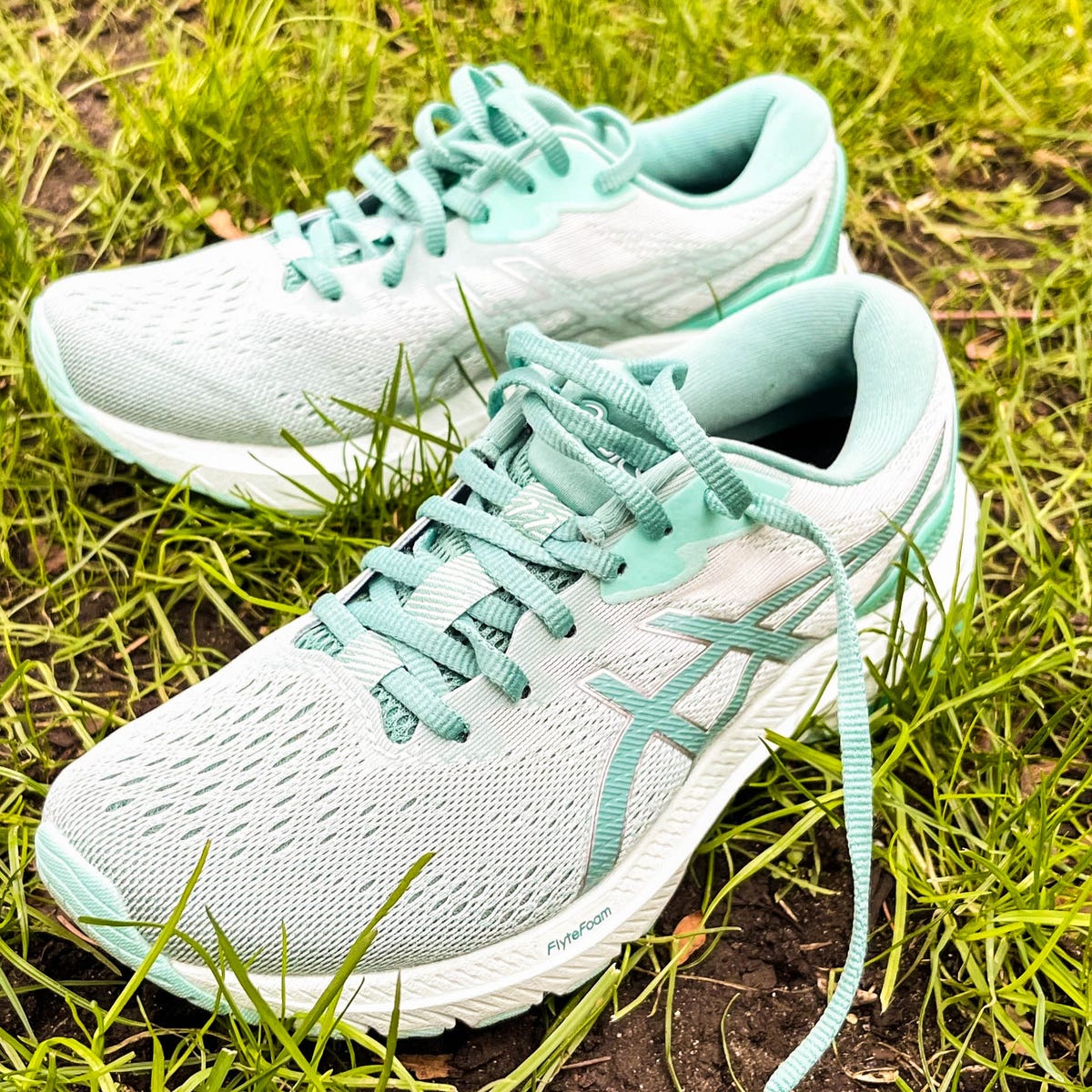
A Step in the Right Direction: Integrating Your New Shoes into Life
The final step is integration. Acquiring the perfect pair of tennis shoes for walking is merely the prelude to the symphony of daily use. Break them in gradually; start with shorter walks around your home or neighborhood to allow the materials to mold to your feet and to identify any potential pressure points. Pay attention to how your body feels during and after these initial outings. Do your knees feel better? Is there any arch fatigue? This feedback is invaluable. Furthermore, consider the context of your walks. Are you primarily on paved city streets, park trails, or indoor malls? While a durable tennis shoe outsole handles all these well, your choice might lean towards a more breathable upper for hot climates or a more water-resistant one for rainy locales. The versatility of these shoes truly shines here. They are equally at home during a weekend grocery run, a travel day exploring a new city, or a casual Friday at the office. Their aesthetic flexibility allows them to bridge gaps in your wardrobe, reducing the need for multiple specialized pairs of footwear. By consciously choosing a shoe designed for the rigors of sport, you are investing in the long-term health and comfort of your feet. You are selecting a tool that enables exploration, encourages activity, and does so with an undeniable sense of style. The path forward is clear, comfortable, and decidedly fashionable—one confident step at a time.