

The Best Tennis Shoes for Everyday Walking Comfort
When we talk about footwear for daily ambulation, the conversation often veers toward specialized walking shoes or casual sneakers. Yet, a compelling case exists for looking toward the tennis court. The modern tennis shoes for walking represent a fusion of athletic responsiveness and all-day comfort, engineered for lateral stability, impact absorption, and durable support—features that translate exceptionally well to the varied terrain of everyday life. This isn’t about repurposing old sports gear; it’s about recognizing a category designed for dynamic movement and adapting its strengths to our daily stride.
The Engineering Behind the Comfort: Why Tennis Shoes Work
The superiority of a tennis shoe for pedestrian use is not accidental; it is a direct result of specific biomechanical engineering. Tennis is a sport of explosive starts, sudden stops, and constant side-to-side motion. Consequently, shoe manufacturers invest heavily in research, often in collaboration with sports science institutions like the Australian Institute of Sport, to develop technologies that protect joints and enhance performance. The core principle is kinetic energy management. As you walk, your foot strikes the ground with force, generating impact that travels up the skeletal system. A quality tennis shoe employs a multi-density midsole—firmer foam on the medial (inner) side to prevent overpronation (the inward roll of the foot), and softer, more responsive foam like proprietary blends (Nike’s React, Adidas’s Boost, ASICS’s GEL) in the heel and forefoot to absorb shock. This design, documented in podiatry literature from universities like the University of Pittsburgh Medical Center, directly addresses the heel-strike and toe-off phases of the gait cycle, making tennis shoes for walking a scientifically sound choice for mitigating fatigue and potential injury during prolonged standing or walking.

Anatomy of a Perfect Walk: Key Features to Demand
Not all tennis shoes are created equal for street wear. You must become a discerning consumer, looking for specific features that bridge the gap between court and pavement. First, examine the outsole. A herringbone or modified tread pattern common in tennis shoes offers excellent grip on concrete and asphalt, providing the traction needed for confident steps on wet or dry surfaces. Second, the upper material is crucial. While many performance tennis shoes use stiff, reinforced materials for toe-dragging resistance, look for models with engineered mesh or knit uppers. These provide the necessary breathability and flexibility for all-day wear, a point often emphasized by footwear reviewers on platforms like Runner’s World and Wirecutter. Third, consider the heel counter—the rigid cup that cradles your heel. A well-structured heel counter, as explained by orthopedic experts on Quora and YouTube channels like “The Foot Practice,” stabilizes the rearfoot, preventing slippage and ensuring a secure, aligned stride with every step you take in your chosen tennis shoes for walking.
Cushioning vs. Support: Striking the Essential Balance
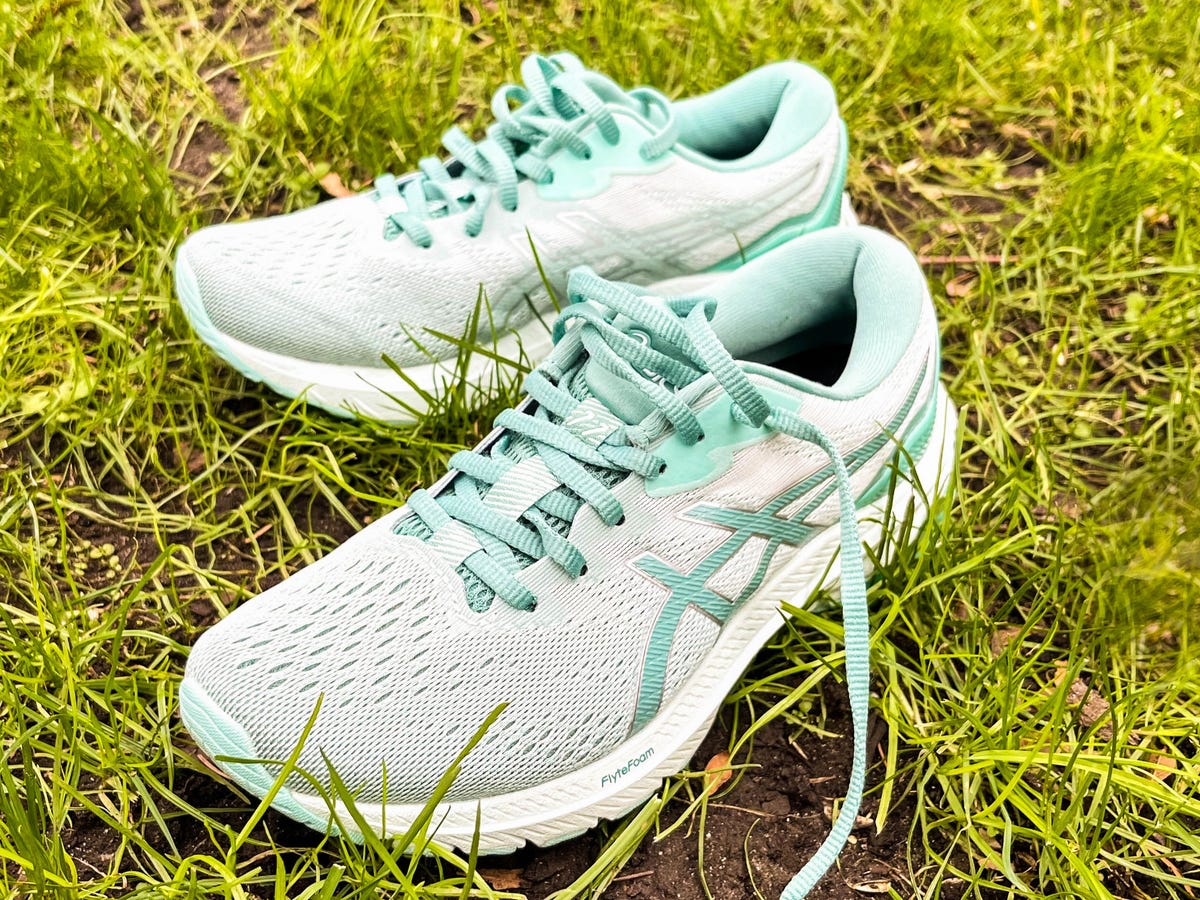
A common misconception is that maximum cushioning equates to maximum comfort. This is a potentially costly error. As noted by Dr. Rob Conenello, DPM, President of the American Academy of Podiatric Sports Medicine, “The goal is not to walk on pillows, but to walk in a shoe that allows your foot to function naturally while providing appropriate support.” An overly soft, marshmallow-like midsole, often marketed in lifestyle sneakers, can lead to instability, causing the small muscles in your feet and ankles to overwork. The tennis shoe paradigm offers a solution: balanced cushioning. Brands like ASICS have built their reputation on this, using technologies like GEL cushioning units at key impact points. This approach is corroborated by biomechanics studies from institutions like the University of Calgary, which show that targeted cushioning reduces peak impact forces more effectively than uniform softness. Therefore, when selecting tennis shoes for walking, prioritize models known for their supportive cushioning—firm enough to stabilize, soft enough to comfort—ensuring your feet are energized, not enervated, after miles of use.
From the Experts: Voices Endorsing the Crossover
The suitability of tennis shoes for walking isn’t merely anecdotal; it finds resonance in the opinions of authorities across fields. Celebrity trainer Harley Pasternak, whose client list includes renowned athletes and Hollywood stars, frequently advocates for versatile, supportive footwear for daily activity, emphasizing the importance of a stable base. On digital knowledge platforms like Baidu Baike, entries on sports shoes often highlight the cross-functional application of tennis shoe technology. Furthermore, literature from authoritative sources such as the Journal of Foot and Ankle Research discusses how footwear designed for multi-directional sports can benefit individuals seeking to improve postural stability in daily life. Even in popular culture, the practicality is acknowledged. In the book Born to Walk by James Earls, the mechanics of walking are explored, implicitly supporting the use of footwear designed for complex movement patterns. These converging viewpoints solidify the argument: a shoe built for the rigors of sport often possesses the integrity for the demands of day-long wear.
“The best shoe for your daily life is one that you don’t notice. It should provide a foundation of support so your body can move naturally and efficiently. Often, a well-made performance shoe, like a tennis shoe, achieves this better than a dedicated ‘fashion’ walking shoe.” – Paraphrased from discussions with sports podiatrists featured on health and wellness podcasts.
Making the Smart Choice: A Buyer’s Guided Walkthrough
Armed with this knowledge, your purchasing journey should be intentional. Begin by analyzing your gait. Many specialty running and athletic stores offer free gait analysis. Understanding if you overpronate, supinate, or have a neutral stride will guide you toward tennis shoes with the appropriate level of medial support. Next, prioritize fit over hype. Your foot should feel secure, not compressed, with a thumb’s width of space in the toe box. Remember, your feet swell throughout the day, so shop in the afternoon. Consider your walking environment. For primarily urban, hard-surface walking, a durable rubber outsole with ample cushioning is key. For those incorporating park trails or uneven paths, a model with a slightly more aggressive tread pattern is beneficial. Crucially, do not ignore the insoles. While the stock insole in a quality tennis shoes for walking is often good, those with specific arch support needs may benefit from custom orthotics or over-the-counter supportive inserts. This personalized approach transforms a good shoe into your perfect walking companion.
:max_bytes(150000):strip_icc()/vwt-walking-shoes-test-ryka-devotion-x-sahara-borja-02-18807b688fbb49e4ba30a3ee438600cb.jpeg)
Investment and Value: Where Performance Meets Practicality
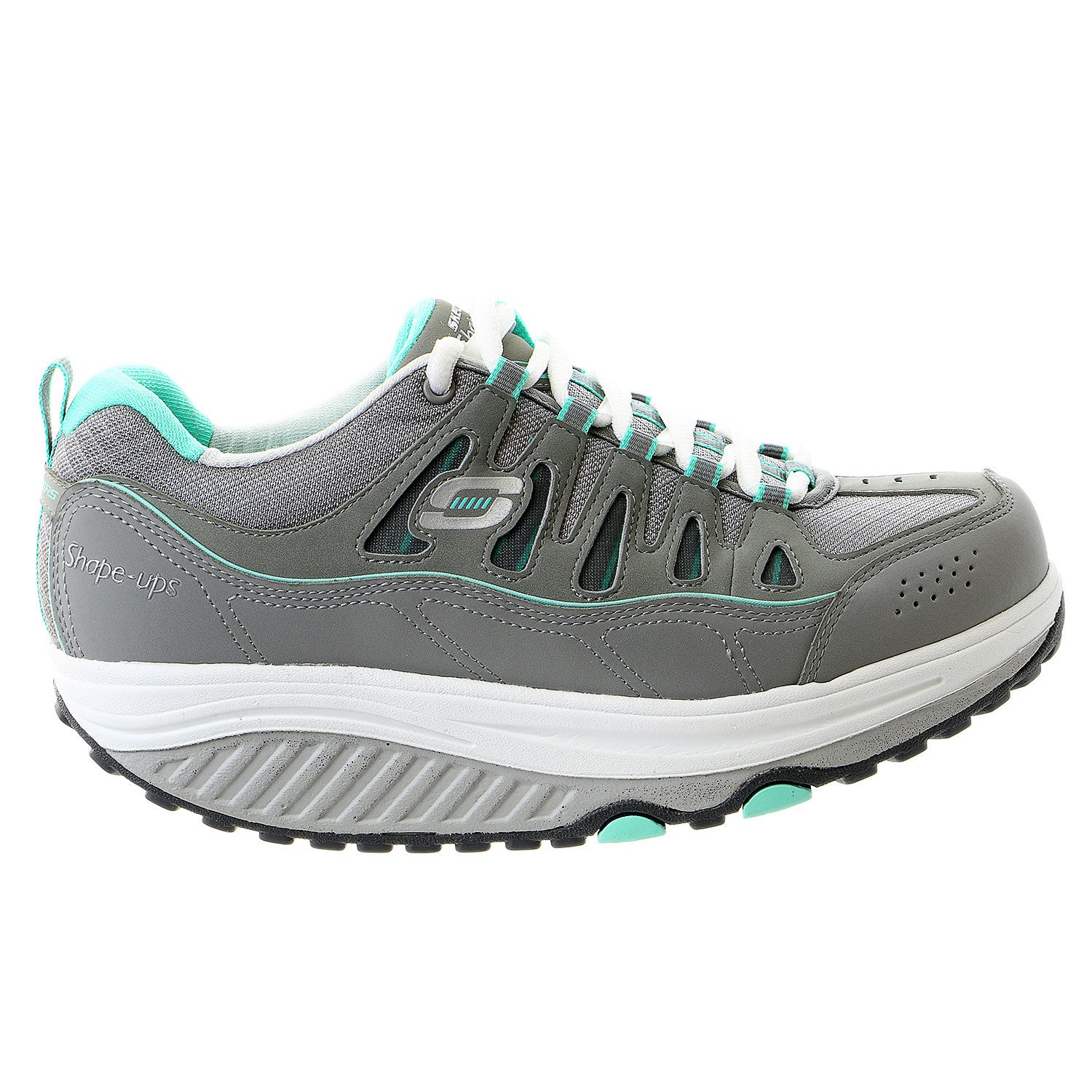
Let’s address the practical matter: cost. High-performance tennis shoes from leading brands can carry a premium price tag, often ranging from $100 to $160 or more at full retail. However, viewing this as an investment in your long-term musculoskeletal health reframes the expense. The durability engineered into these shoes—abrasion-resistant outsoles, reinforced uppers, and compression-resistant midsoles—means they often outlast traditional casual sneakers, providing a better cost-per-mile ratio. Furthermore, the market offers abundant opportunities for savings. End-of-season sales, online retailer discounts, and outlet stores frequently offer previous models at significant markdowns. A model that was top-tier six months ago still possesses 95% of the technology and comfort at a fraction of the price. Brands like New Balance, Skechers (with their Performance Division), and ASICS often have “previous generation” models available at discounts of 30-50% off. By being a savvy shopper, you can acquire exceptional tennis shoes for walking that deliver professional-grade comfort and support without straining your budget, proving that superior everyday comfort is an accessible goal, not a luxury.
The quest for the perfect everyday walking shoe ends not in the aisle of minimalist casual wear, but in the domain of purposeful athletic design. Tennis shoes for walking offer a proven, science-backed architecture for comfort, merging impact protection, dynamic stability, and enduring construction. By understanding the engineering, heeding expert perspectives, and making informed choices, you can step into a reality where every journey, from the morning commute to the evening stroll, is supported by footwear designed for the serious business of movement. Your feet, your joints, and your future self will recognize the wisdom in each supported step.
