

The Best Tennis Shoes for Everyday Walking Comfort
When we talk about footwear for daily ambulation, the conversation often veers towards specialized walking shoes or running sneakers. However, a compelling case can be made for the humble tennis shoe as a premier choice for everyday walking. The very design ethos of a tennis shoe—lateral support, cushioning for impact from hard courts, and durable outsoles—translates remarkably well to the varied terrains and durations of daily pedestrian life. This isn’t merely anecdotal; it’s a conclusion drawn from biomechanics, material science, and the lived experiences of countless individuals who have swapped their standard-issue sneakers for a pair designed for the court. The right tennis shoes for walking can transform a mundane commute or a lengthy errand run from a chore into a comfortable, even enjoyable, experience. This exploration delves into why these shoes work so well, what to look for, and how to select a pair that aligns with your personal biomechanics and style.
The Unlikely Synergy: Tennis Design Meets Walking Biomechanics
To understand why tennis shoes excel for walking, we must first dissect the demands of tennis and the science of walking. Tennis is a sport of explosive lateral movements, sudden stops, and constant pressure on the forefoot and heel during serves and volleys. Consequently, tennis shoes are engineered with a focus on lateral stability to prevent ankle rolls, substantial forefoot cushioning to absorb the shock of repeated pushes, and durable, non-marking rubber outsoles with herringbone or modified patterns for multi-directional traction. Now, consider the biomechanics of walking, or gait. According to resources from institutions like the University of Delaware’s Gait Analysis Laboratory, the walking cycle involves a heel strike, followed by a rolling motion through the midfoot to the forefoot, culminating in a toe-off. This generates repetitive, albeit lower-impact, forces compared to running. A well-cushioned tennis shoe provides excellent shock absorption at the heel strike. Its reinforced midfoot and arch area offer support during the weight-bearing mid-stance phase, and the flexible yet durable forefoot allows for a smooth toe-off. The lateral support, often overlooked in pure walking shoes, proves invaluable on uneven sidewalks or when navigating crowded streets where quick, side-stepping movements are necessary. In essence, a tennis shoe provides a more comprehensive protective envelope for the foot during walking than many shoes designed for a strictly linear motion path.

Deconstructing Comfort: Key Features of an Ideal Walking Tennis Shoe
Not all tennis shoes are created equal for walking purposes. Identifying the key features transforms a generic search into a targeted mission for foot comfort. First and foremost is midsole technology. Brands utilize various proprietary foam compounds—like Adidas’s Boost, Nike’s React, or ASICS’s GEL—which are designed to return energy and cushion impact. For walking, you want a midsole that is responsive but not overly squishy, providing a stable platform. Dr. Casey Kerrigan, a renowned biomechanist and former Harvard professor, has extensively researched footwear and gait. In her view, overly cushioned shoes can sometimes destabilize gait. Therefore, a tennis shoe with a balanced, supportive midsole is ideal. Second is the outsole pattern and durability. The herringbone pattern common on hard-court tennis shoes offers exceptional grip on concrete and asphalt, preventing slips. The rubber compound is also typically harder-wearing than that of many running shoes, meaning your tennis shoes for walking will have a longer lifespan, providing better value. Third is the upper construction. Look for breathable mesh panels to keep feet cool, coupled with synthetic leather or thermoplastic polyurethane (TPU) overlays in the midfoot and heel for structure and support. This combination ensures the foot is held securely without constriction, a common issue in poorly designed casual shoes. Finally, consider the heel counter. A firm, molded heel cup stabilizes the rearfoot, preventing excessive pronation or supination during your stride, which is crucial for long-term joint health.
The Arch Support and Fit Paradigm
A critical, often personal, element is arch support and overall fit. Walking places sustained pressure on the foot’s architecture, making proper support non-negotiable. Many tennis shoes come with built-in arch support, but the level varies. Understanding your foot type—whether you have neutral arches, flat feet (overpronation), or high arches (supination)—is essential. Websites like Verywell Fit, which consult with podiatrists and physical therapists, recommend that overpronators look for shoes with structured support and motion control features, often found in stability-oriented tennis models. Conversely, those with high arches may prioritize cushioning. The fit should be snug in the heel and midfoot, with about a thumbnail’s width of space in the toe box to allow for natural foot swelling during long walks. Remember, the perfect tennis shoes for walking feel supportive and secure from the first step, without a lengthy “break-in” period that could lead to blisters. As noted by numerous podiatrists on platforms like Quora and in health publications, a shoe that requires breaking in is often a shoe that doesn’t fit your foot morphology correctly.
:max_bytes(150000):strip_icc()/vwt-walking-shoes-test-ryka-devotion-x-sahara-borja-02-18807b688fbb49e4ba30a3ee438600cb.jpeg)
Beyond the Hype: Objective Analysis of Popular Models
The market is flooded with options, so let’s apply our criteria to some well-regarded models. It’s important to source information objectively, looking at reviews from authoritative sites like Runner’s World (which also tests walking and cross-training shoes), CNET, and consumer feedback on retail platforms, balanced with technical specifications.
1. The Cushioning Champion: ASICS Gel-Resolution
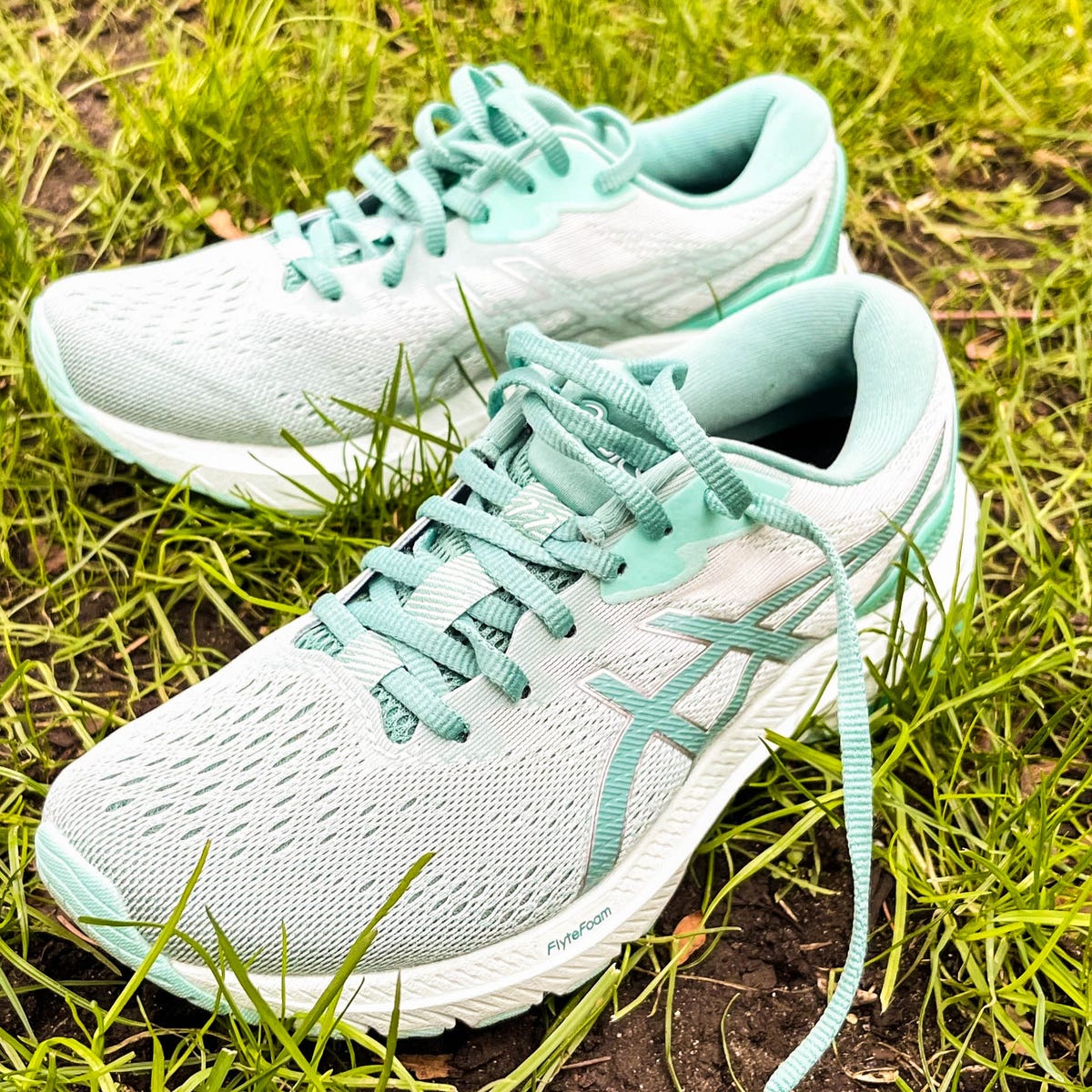
ASICS has long been synonymous with biomechanical engineering, thanks to its founder, Kihachiro Onitsuka, whose philosophy was to promote youth health through sport. The Gel-Resolution line is a staple on tennis courts, renowned for its rearfoot and forefoot GEL cushioning systems. This technology, as explained on ASICS’ own scientifically-backed microsites, attenuates shock during impact and toe-off phases. For a walker, this translates to plush comfort on hard urban surfaces. The DYNAWRAP® technology in the midfoot provides excellent support, cradling the arch. The AHAR® (ASICS High Abrasion Rubber) outsole is exceptionally durable. A review from CNET highlighted its “stellar comfort and support for long periods on your feet,” making it a top-tier, albeit often premium-priced, option for dedicated walkers seeking maximum cushioning in their tennis shoes for walking.
2. The Stability Powerhouse: New Balance Fresh Foam Lav
New Balance, a brand with deep roots in orthopedics, crafts shoes that often feel like they were designed in a lab for foot health. The Fresh Foam Lav utilizes a data-mapped, single-piece Fresh Foam midsole designed to provide precise cushioning exactly where it’s needed. What makes it exceptional for walking is its holistic approach to stability. The upper integrates a FantomFit construction—a seamless, engineered mesh with strategic welded components—that hugs the foot without pressure points. This addresses the fit paradigm perfectly. The NDurance rubber outsole offers superior durability in high-wear areas. From an objective standpoint, the Lav frequently receives high marks from sites like Verywell Fit and Tennis Warehouse for its blend of comfort, stability, and durability, making it a scientifically sound choice for those who prioritize a secure, locked-down feel during long walks.
3. The Versatile All-Rounder: Nike Court Legacy
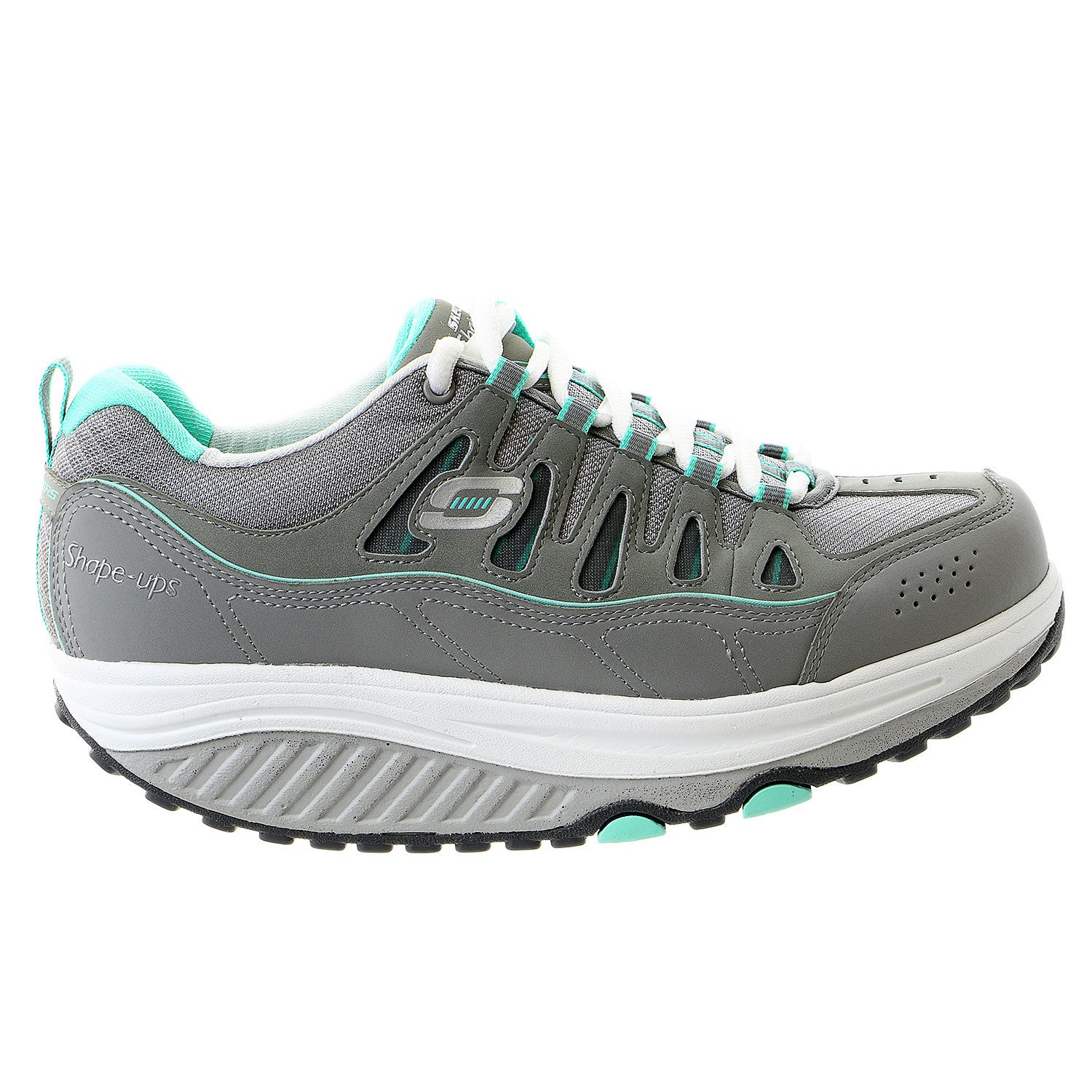
Nike’s Court Legacy draws inspiration from classic tennis silhouettes but incorporates modern comfort. It often features a cushioned foam midsole and a traditional rubber cupsole outsole with a modified herringbone pattern. Its strength lies in its versatility and style. The design is less about cutting-edge, sport-specific technology and more about delivering reliable, everyday comfort in a aesthetically pleasing package. For the walker who values a timeless look alongside day-long comfort, this model is a strong contender. User reviews on platforms like Amazon and Zappos consistently praise its comfort for all-day wear, noting its suitability for both light walking and casual use. It serves as proof that effective tennis shoes for walking don’t always have to be the most technologically complex models on the market.
Making the Investment: Value, Care, and Final Steps
Investing in a quality pair of shoes is an investment in your musculoskeletal health. While premium models from ASICS or New Balance might retail between $120 and $160, the cost-per-wear over their extended lifespan due to durable construction is often lower than replacing cheaper shoes every few months. To maximize value, look for previous-season colorways, which are often discounted by 30-50% on brand websites and major retailers. Signing up for newsletters can yield first-time buyer discounts. Once you have your ideal pair, care for them. Rotate between two pairs if possible to allow the midsole foam to fully rebound between uses. Clean uppers with a soft brush and mild soap, and avoid direct heat when drying. Most importantly, listen to your body and the shoes. Most experts, including those cited by the American Podiatric Medical Association, recommend replacing walking shoes every 300-500 miles. If the outsole tread is worn smooth or the midsole no longer feels resilient, it’s time for a new pair.
The journey to finding the perfect walking companion doesn’t lead solely to the walking shoe aisle. By understanding the inherent design strengths of tennis footwear—its commitment to stability, cushioning, and durability—you unlock a category of shoes uniquely suited to the rigors of daily pedestrian life. The objective evidence from biomechanical principles, material science, and aggregated user experiences points to a clear conclusion: a well-chosen tennis shoe is not just an acceptable option for walking; it can be an optimal one. Your feet, tasked with bearing your weight for thousands of steps each day, deserve the comprehensive support and engineered comfort that the best tennis shoes for walking provide. The path to greater walking comfort begins with this simple, yet profound, shift in perspective.
