

The Best Tennis Shoes for Everyday Walking Comfort
When we talk about finding the perfect shoe for daily ambulation, the conversation often veers towards specialized walking shoes or running sneakers. However, a compelling and often overlooked category is that of tennis shoes for walking. Originally engineered for the lateral cuts, quick stops, and sprints of the tennis court, these shoes possess inherent design features—such as exceptional lateral support, durable outsoles, and cushioned stability—that translate remarkably well to the biomechanical demands of everyday walking. This article delves into why a well-chosen tennis shoe can be your ultimate ally for pavement pounding, exploring the science of comfort, the anatomy of a great shoe, and how to select the perfect pair without breaking the bank.
The Unlikely Synergy: Tennis Design Meets Walking Mechanics
To understand why tennis shoes excel as walking companions, we must first dissect the walking gait cycle. According to biomechanics literature from institutions like the University of Calgary’s Human Performance Lab, the walking cycle involves a heel strike, mid-stance, and toe-off. This requires a shoe that offers heel cushioning to absorb impact, arch support for stability during mid-stance, and flexibility at the forefoot for an efficient push-off. Now, consider the tennis court. A study cited on Wikipedia detailing sports equipment engineering notes that tennis involves constant weight shifting, abrupt lateral movements, and explosive forward motions. Consequently, tennis shoes for walking are built with a focus on medial and lateral support to prevent ankle rolls, a reinforced toe cap (often called a “toe guard”) for durability during drags, and a herringbone or modified tread pattern on the outsole for multi-directional grip. This combination of cushioning, support, and durability aligns almost perfectly with the needs of a walker navigating urban environments, where curbs, uneven sidewalks, and long distances are the norm. The stability that prevents an ankle sprain during a side shuffle on clay is the same stability that keeps you secure on a gravel path or a slanted sidewalk.
Decoding Comfort: Cushioning, Support, and Breathability
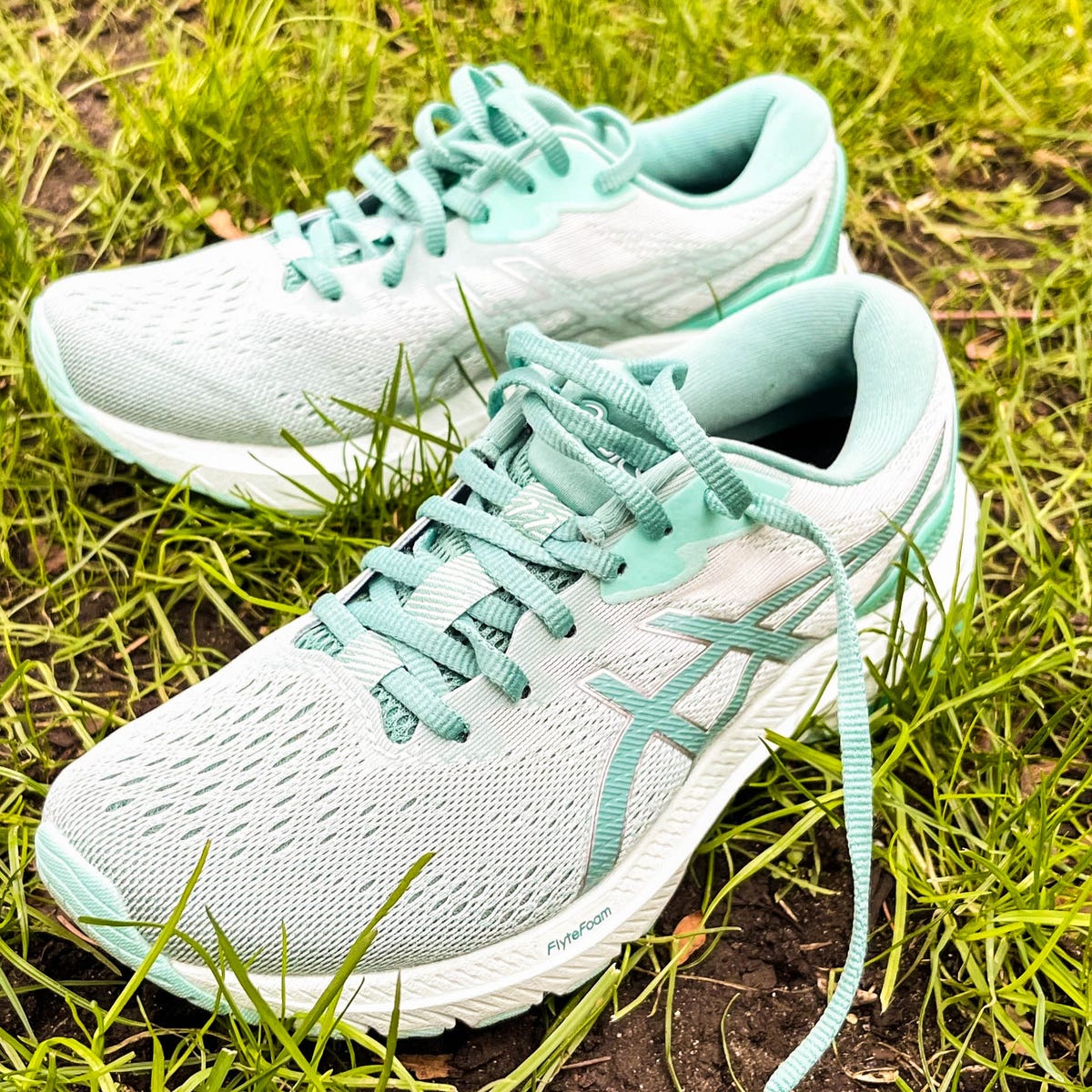
Comfort is a subjective feeling, but its components are scientifically measurable. Let’s break down the three pillars of walking comfort as they relate to tennis shoes. First, cushioning. Renowned running coach and biomechanist Dr. Jack Taunton, in various public lectures, often emphasizes that impact force dissipation is crucial for joint health. Tennis shoes frequently utilize advanced midsole foams like Adidas’ Boost, Nike’s React, or ASICS’ GEL technology—materials designed to absorb the high-impact forces of jumping and landing. For a walker, this translates to a plush, protective feel with each step, reducing fatigue in the knees and hips over miles. Second, support. This isn’t about rigid control but about guided stability. Many tennis shoes feature a mid-foot shank or a torsional stability system. As explained on the American Podiatric Medical Association’s public resources, such features help maintain the foot’s natural alignment from heel strike to toe-off, preventing overpronation or supination—common issues that can lead to plantar fasciitis or shin splints during prolonged walking. Third, breathability. Tennis is a high-intensity sport, so shoe uppers are often made of engineered mesh or knit materials that promote airflow. This keeps feet cool and dry, preventing blisters and discomfort during long, everyday walks. Therefore, when you choose a tennis shoes for walking, you’re not just getting a sneaker; you’re getting a piece of sports engineering optimized for sustained, comfortable foot strike.
Anatomy of a Winner: Key Features to Prioritize
Not all tennis shoes are created equal for walking purposes. Based on aggregated reviews from sites like Runner’s World, Wirecutter, and expert opinions from YouTube channels like “Doctor of Running,” here are the non-negotiable features to seek. The outsole should be made of durable, non-marking rubber with a tread pattern that offers grip on both pavement and indoor surfaces. A full-length herringbone pattern is a classic tennis design that provides excellent traction for walkers. The midsole should be your primary focus. Look for shoes that advertise responsive yet soft cushioning. Technologies like Puma’s Nitro Foam or New Balance’s Fresh Foam offer a balance of energy return and shock absorption. The upper should be lightweight and breathable, with strategic overlays that provide structure without adding bulk. A well-padded collar and tongue prevent chafing around the ankle. Finally, consider the fit. Tennis shoes often have a snugger, more secure fit than standard running shoes to accommodate quick directional changes. When shopping, ensure there’s about a thumb’s width of space between your longest toe and the end of the shoe, and that the heel is locked in without slippage. This precise fit is what makes a tennis shoes for walking feel like an extension of your foot, providing security and confidence with every step.

Beyond the Hype: Objective Insights from Court to Concrete
The marketing of athletic shoes can be overwhelming. To cut through the noise, it’s valuable to consider perspectives beyond traditional review sites. On platforms like Quora and specialized forums, physiotherapists and kinesiologists often chime in. One recurring viewpoint, akin to sentiments expressed by celebrity trainer Harley Pasternak in his media appearances, is that the best shoe is the one that suits your individual gait and foot structure. A study from the University of Virginia’s footwear science program, accessible through their research publications, suggests that shoes with moderate stability and cushioning—hallmarks of many performance tennis models—benefit the largest percentage of the population for low-impact activities like walking. Furthermore, the durability of tennis shoes is legendary. A well-known anecdote in tennis circles, often attributed to style icon and avid tennis player Roger Federer in interviews, is the sheer punishment a shoe endures during a professional match. This built-to-last philosophy means a pair of tennis shoes for walking will likely outlast many dedicated walking shoes, providing long-term value. The reinforced toe and sturdy construction withstand the repetitive friction of the walking gait far better than softer, more minimalist footwear.
Investing in Your Stride: Where Value Meets Performance
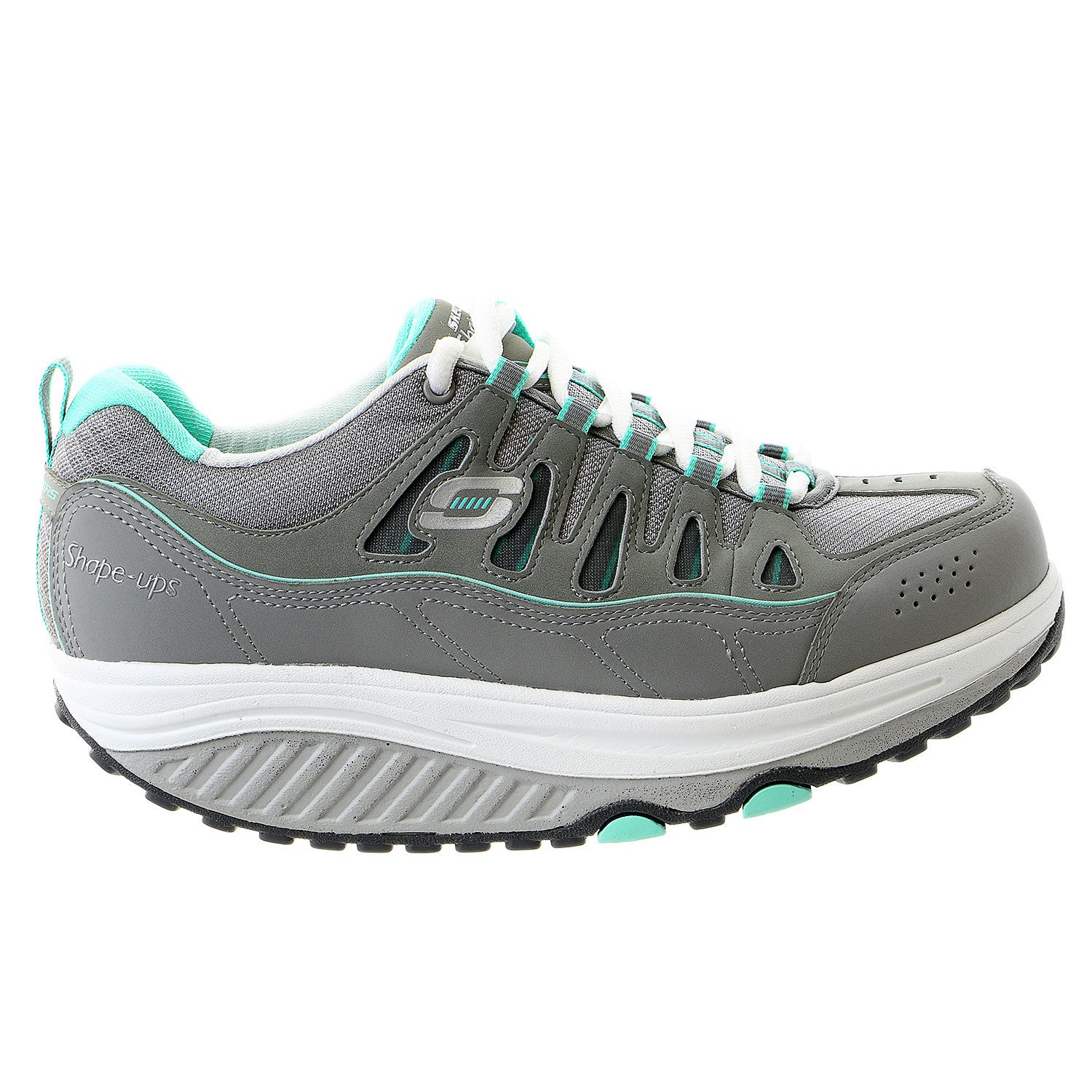
Let’s address the practical matter: cost. High-performance tennis shoes from major brands can carry a premium price tag, often ranging from $120 to $200. However, the landscape is rich with value. First, consider previous-season models. Brands frequently update shoe designs yearly, and the outgoing model, which is often 95% identical in technology and performance, can be found at discounts of 30-50% at outlets or online retailers. Second, some brands are synonymous with value-oriented performance. For instance, Skechers’ performance division, leveraging technologies like Hyper Burst cushioning, offers exceptional comfort at a more accessible price point. ASICS, a brand with deep roots in both running and tennis, often has models in the $80-$100 range that feature their signature GEL cushioning. The key is to view the purchase as an investment in your daily well-being. As noted by financial wellness experts in content on sites like The Balance, spending on quality footwear is a preventative health measure, potentially saving on future medical costs related to foot, knee, or back pain. Therefore, a discounted, high-quality pair of tennis shoes is not just a purchase; it’s a strategic investment in countless comfortable miles ahead.
Making Your Choice: A Personal Journey to the Perfect Pair
You now understand the science and the value proposition. The final step is personal. Your foot is unique. I encourage you to think of this search not as a chore, but as a journey to find a tool that empowers your daily life. Visit a specialty store if possible, where associates can analyze your gait. Try on shoes in the afternoon, as feet naturally swell throughout the day. Walk around the store vigorously, mimicking your typical pace. Pay attention to any pressure points or slippage. Remember the brands known for blending tennis heritage with walking comfort: Nike Court, Adidas Court, ASICS Solution Speed or Gel-Resolution, New Balance Fresh Foam Lav, and K-Swiss. Don’t be swayed by aesthetics alone; let comfort and fit be your guides. The right pair will feel supportive yet liberating, sturdy yet agile. They will become your go-to for everything from long weekend strolls in the park to bustling commutes across the city. In this choice, you are not merely selecting footwear; you are choosing a companion for your adventures, big and small, paved and unpaved.
The quest for everyday walking comfort need not lead to a narrow aisle of specialized shoes. By looking to the tennis court, we find a category of footwear forged in the fires of dynamic sport, embodying durability, support, and cushioning. These attributes, when applied to the rhythm of walking, create an experience of unparalleled security and ease. A thoughtfully chosen pair of tennis shoes for walking bridges the gap between athletic performance and daily resilience, proving that sometimes, the best tool for a job is one refined in a different, but equally demanding, arena. Your path to comfort starts with recognizing that the principles of great footwear are universal, waiting to be laced up and put into stride.

