

The Best Tennis Shoes for Everyday Walking Comfort
When we think of tennis shoes, our minds often jump to the swift movements on a clay court or the powerful serves on grass. Yet, the very engineering that makes them excel in a sport characterized by lateral cuts, sudden stops, and explosive sprints also forms a compelling foundation for all-day walking comfort. The transition from court to pavement isn’t just a matter of convenience; it’s a testament to how specialized athletic design can solve universal problems of support and impact. This article isn’t about repurposing a sports shoe out of necessity, but about recognizing a category—tennis shoes for walking—that deliberately leverages tennis-specific technologies to deliver unparalleled stability, cushioning, and durability for the pedestrian. We will dissect the anatomy of these shoes, grounding our exploration in biomechanics and material science, to understand why they stand apart in the crowded world of footwear.
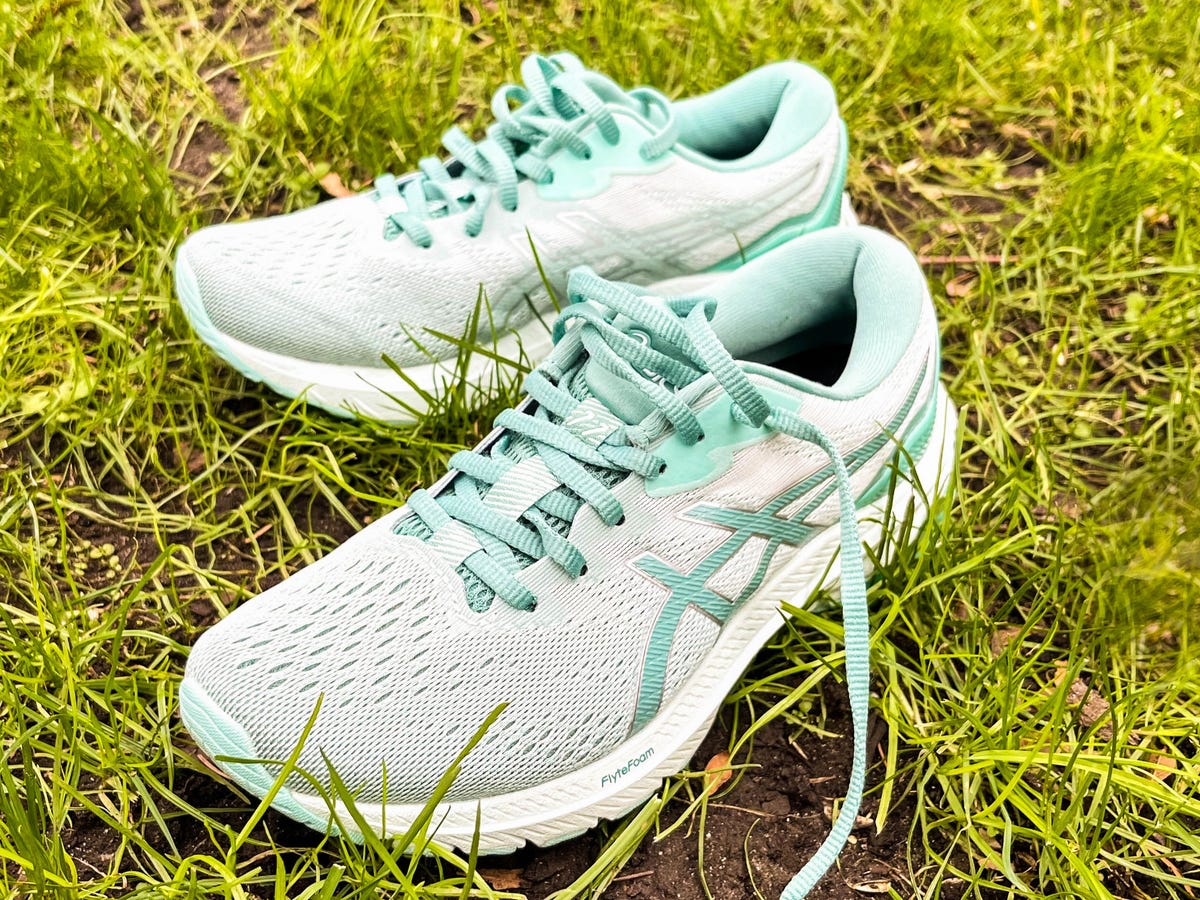
The Foundation: Lateral Support and Midfoot Integrity
The primary, non-negotiable demand of tennis is lateral stability. A player changes direction dozens of times per point, placing immense shear forces on the foot’s medial and lateral sides. To counter this, manufacturers reinforce the midfoot and heel with rigid materials like thermoplastic polyurethane (TPU) shanks and extended heel counters. Dr. Casey Kerrigan, a renowned biomechanist and former professor at Harvard Medical School, has extensively published on gait mechanics. Her research often highlights that excessive foot pronation (inward rolling) during walking is a major contributor to joint stress. A standard running shoe is built for forward motion, with cushioning prioritized over side-to-side containment. A tennis shoe, however, is inherently designed to limit that very pronation, offering a “hug” to the midfoot that guides the foot into a more neutral alignment with each step. This architectural integrity translates directly to walking comfort, especially on uneven urban terrain or during long periods of standing. When you walk in a well-designed tennis shoes for walking, you are not just stepping; you are being actively stabilized, reducing the muscular fatigue in your feet, ankles, and even knees that comes from your body constantly making micro-corrections for instability.
The Cushioning Paradox: Responsive vs. Plush
Cushioning in athletic footwear is a spectrum. At one end lies the ultra-plush, energy-absorbing foam common in maximalist running shoes, aimed at dissipating vertical impact over miles. At the other is the firm, responsive cushioning needed for court feel—the tactile connection to the ground that allows for precise footwork. The best tennis shoes for walking find a masterful balance in the middle. They utilize advanced polymer foams like Adidas’ Boost, Nike’s React, or ASICS’ GEL technology. These materials are scientifically formulated to return a high percentage of energy upon compression. A study from the Human Performance Laboratory at the University of Calgary has shown that responsive cushioning can reduce the metabolic cost of walking, meaning your body expends less energy per step. For the everyday walker, this translates to less leg fatigue over a three-mile city stroll or a full day of museum-hopping. The cushioning isn’t just a soft pillow; it’s a springboard that propels you gently into your next stride, making the activity feel less taxing and more sustainable. This is a critical point of differentiation from a dedicated running shoe, where the cushioning may be too soft and unstable for the multi-directional pressures of all-day wear, or a flat casual sneaker, which offers little impact protection.

Durability as a Function of Design: The Outsole Advantage
If you examine the underside of a tennis shoe, you’ll find a thick, rugged outsole made of high-abrasion rubber, often with a herringbone or modified tread pattern. This is born from the brutal reality of dragging one’s feet across abrasive court surfaces. The rubber compound, such as Nike’s XDR (Extra Durable Rubber) or Adidas’ Adiwear, is engineered for resilience. From a materials science perspective, these rubbers have a higher durometer (hardness) rating and a tighter molecular cross-link density than the blown rubber used on many running shoe outsoles. What does this mean for walking? Exceptional longevity. Pavement, concrete, and asphalt are less abrasive than a hard court, so a tennis shoe outsole simply wears down at a glacial pace. Podiatrist Dr. Brad Schaeffer, in an interview for Verywell Fit, noted, “The cost-per-mile of a shoe is a vital but overlooked metric for everyday consumers. A shoe that lasts twice as long effectively halves its cost and environmental footprint.” When you invest in a pair of tennis shoes for walking, you are investing in a tool built to endure, saving money and reducing waste over time. The deep tread pattern also provides superior grip on wet sidewalks or slick indoor floors, a safety feature that casual sneakers often lack.
A Synthesis of Technologies: Real-World Application
How do these elements coalesce into a superior walking experience? Let’s consider the act of navigating a bustling city. You step off a curb (lateral stability engages to prevent ankle roll), walk on concrete for an hour (responsive cushioning mitigates joint shock), suddenly sidestep a puddle (the outsole grips and the reinforced upper keeps your foot centered), and then stand in a long queue (the supportive midfoot structure distributes pressure). A tennis shoe is managing all these variables seamlessly. This holistic performance is echoed in popular culture. In the book “Born to Walk” by James Earl, the author delves into the anthropology of bipedal locomotion and argues that modern footwear has divorced us from natural gait. He posits that the ideal urban shoe should “protect without imprisoning, and guide without controlling.” A well-chosen tennis shoe aligns with this philosophy more closely than many dedicated “walking shoes,” which can be overly rigid, or fashion sneakers, which are perilously unsupportive. The design philosophy of a tennis shoe respects the complexity of human movement, making a pair of tennis shoes for walking not just a piece of sports equipment, but a versatile tool for modern life.
:max_bytes(150000):strip_icc()/vwt-walking-shoes-test-ryka-devotion-x-sahara-borja-02-18807b688fbb49e4ba30a3ee438600cb.jpeg)
Making an Informed Choice: Fit, Model, and Value
Knowing the “why” is useless without the “how.” Selecting the right model is paramount. First, fit is non-negotiable. Your foot should feel secure in the heel and midfoot, with a thumbnail’s space in the toe box. Remember the lateral support; the shoe should feel like a stable platform, not a loose slipper. Second, consider the weight. Modern tennis shoes have shed considerable weight. Models like the ASICS Gel-Resolution or the New Balance Fresh Foam Lav utilize lightweight, supportive meshes. Third, look for models that de-emphasize aggressive “outriggers” (lateral support flares) if your walking is purely linear, as some court-specific models may feel overly wide. As for value, the beauty of using tennis shoes for walking is that last season’s top-tier models are often available at significant discounts (30-50% off) once the new colorways hit the market. The core technologies—the cushioning systems, support frames, and durable outsoles—remain identical. You are paying less for the same biomechanical benefits simply because the shoe is no longer marketed for a professional tournament. This is where professional knowledge meets smart consumerism: you acquire footwear with a proven, scientifically-backed architecture designed for high-stress athletics, repurposed perfectly for your daily ambulation, at a fraction of the original cost.

The pursuit of everyday walking comfort is often mired in compromises: style versus support, cushion versus stability, durability versus price. The tennis shoe, viewed through this specific lens, dismantles these false dichotomies. It brings together a legacy of athletic innovation—rooted in biomechanical research, material science, and an intimate understanding of human kinetics—and applies it to the most fundamental of human movements: walking. It offers a blueprint for footwear that doesn’t just accommodate your foot but actively collaborates with your stride. Therefore, the optimal choice for the discerning walker isn’t necessarily found in a generic “comfort” section, but in the deliberate selection of a performance category engineered for stability and endurance. The evidence, from laboratory gait analysis to the worn soles of a seasoned urban explorer, points clearly to the merits of this approach. Your journey toward all-day comfort may very well begin not on a path, but on a court.
