

The Best Tennis Shoes for All-Day Walking Comfort
Finding footwear that transitions seamlessly from the court to the cobblestone streets is no small feat. The quest isn’t for a specialized sports tool, but for a versatile companion that prioritizes all-day walking comfort without sacrificing the supportive DNA of athletic design. This exploration delves into why a well-chosen pair of tennis shoes for walking can be a revelation for your daily mileage, dissecting the engineering, science, and user experience that separates exceptional options from the merely adequate. We move beyond marketing claims to ground our discussion in biomechanics, material science, and the aggregated wisdom of athletes, podiatrists, and everyday walkers.
The Unlikely Synergy: Tennis Shoe Design Meets Pedestrian Needs
At first glance, repurposing a tennis shoe for extensive walking might seem counterintuitive. However, a deeper analysis reveals a compelling overlap in fundamental requirements. Tennis is a sport of lateral bursts, quick pivots, and constant pressure on the forefoot. As noted by biomechanics researchers at the University of Calgary, footwear for court sports must prioritize medial-lateral stability to prevent ankle rolls during aggressive side-to-side movements. This inherent focus on stability is a boon for walkers navigating uneven urban terrain or natural trails. Furthermore, the cushioning systems in modern tennis shoes are engineered to absorb repeated impact from hard court surfaces—a function directly transferable to the repetitive heel-strike cycle of walking. The outsole, designed for multi-directional traction on varied court surfaces, often provides superior grip on pavement, tile, and light gravel compared to many casual sneakers. Therefore, selecting the right tennis shoes for walking means leveraging this built-in stability and cushioning for a different, but equally demanding, application. The key lies in identifying models that balance these performance features with the specific flexibility and roll-through needed for a natural walking gait, a nuance we will explore in the following sections.
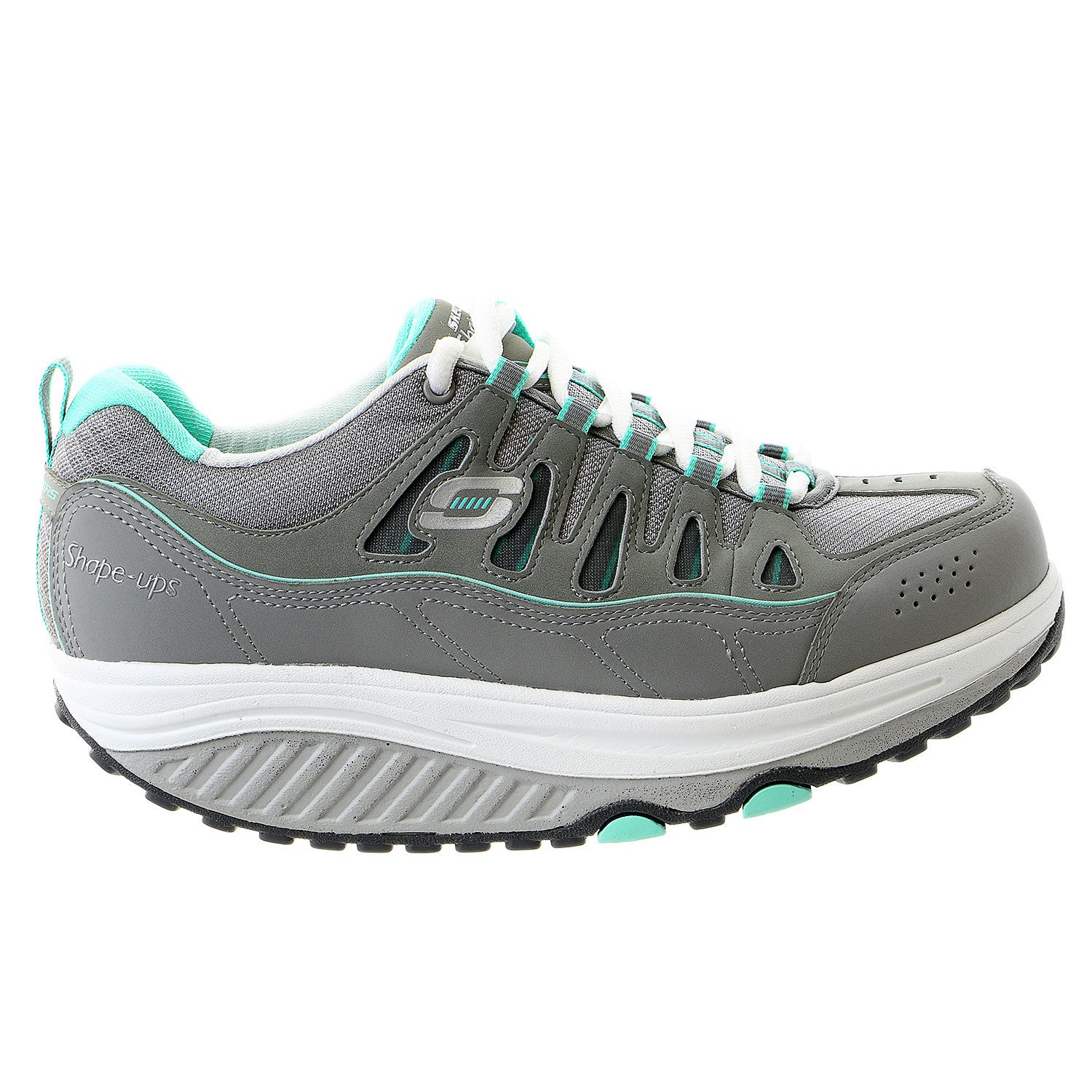
Decoding Comfort: Cushioning, Arch Support, and Breathability
Comfort over extended periods is a complex equation solved by materials and design. Let’s break down the core components. First, cushioning is not merely about softness; it’s about responsive energy return and impact dispersion. Technologies like Adidas’ Boost, Nike’s Air Zoom, or ASICS’ GEL—the latter famously demonstrated by dropping an egg onto a GEL cushion from a height without it breaking—are designed to attenuate shock. For walking, cushioning must be ample in the heel for strike absorption but also progressive into the forefoot for toe-off. A study published in the Journal of Foot and Ankle Research emphasizes that excessive, overly soft cushioning can actually lead to instability and muscle fatigue, highlighting the need for a balanced, responsive midsole. Second, arch support is non-negotiable. Whether you have high, neutral, or low arches, proper support maintains the foot’s natural alignment, preventing conditions like plantar fasciitis. Many premium tennis shoes for walking incorporate thermoplastic urethane (TPU) shanks or molded EVA footbeds that cradle the arch. As podiatrist Dr. Jane Andersen often states in her public health commentaries, “The arch is the foundational spring of the foot; supporting it correctly is the first step in preventing a cascade of issues up the kinetic chain.” Third, breathability is crucial for all-day wear. Modern engineered meshes, like those used in many performance tennis shoes, offer superior airflow compared to the leathers or synthetic suedes of classic casual styles, keeping feet cool and reducing moisture-related discomfort.

The Fit Paradigm: Why Size and Shape Are Everything
You can have the most technologically advanced shoe, but if it doesn’t fit correctly, its benefits are nullified. The fit of a tennis shoes for walking must account for foot swelling, which naturally occurs after prolonged standing or walking—often causing the foot to expand by half a size or more. Renowned running coach and author Hal Higdon has long advised athletes to shop for shoes in the afternoon when feet are at their largest, a principle that applies equally to walkers. The toe box must be sufficiently roomy to allow toes to splay naturally with each step, a concept championed by the natural foot movement community and supported by literature from the American College of Sports Medicine, which links toe constriction to altered gait and balance. Furthermore, the heel counter—the rigid cup at the back—should hold the heel snugly without slippage to prevent blistering. When trying on potential candidates, wear the socks you intend to walk in and ensure there’s about a thumbnail’s width of space between your longest toe and the end of the shoe. This space is not for growth, but for the dynamic forward movement of your foot within the shoe during the walking stride. A proper fit transforms the shoe from an external object into a functional extension of your body.
Top Contenders: A Breakdown of Styles for Different Needs
Not all tennis-inspired shoes are created equal for walking purposes. The market segments into distinct categories, each with strengths for specific user profiles. Cushion-First Maximalist Models, such as certain lines from ASICS or New Balance, feature thick, soft midsoles ideal for walkers prioritizing joint protection on hard surfaces. These are often recommended for individuals with knee or back sensitivities. Stability-Oriented Models, frequently incorporating dual-density foams and guidance lines, are excellent for walkers who overpronate (their ankles roll inward excessively). Brands like Brooks (though primarily running) have technologies that cross over into their court-inspired lines. Lightweight Minimalist Options offer greater ground feel and flexibility, promoting a more natural foot strike. These suit walkers with strong, healthy feet who have already developed resilient musculature. The choice ultimately hinges on an honest assessment of your biomechanics, walking environment, and personal comfort preference. Consulting with a specialist at a reputable athletic store for a gait analysis can provide invaluable data for this decision.
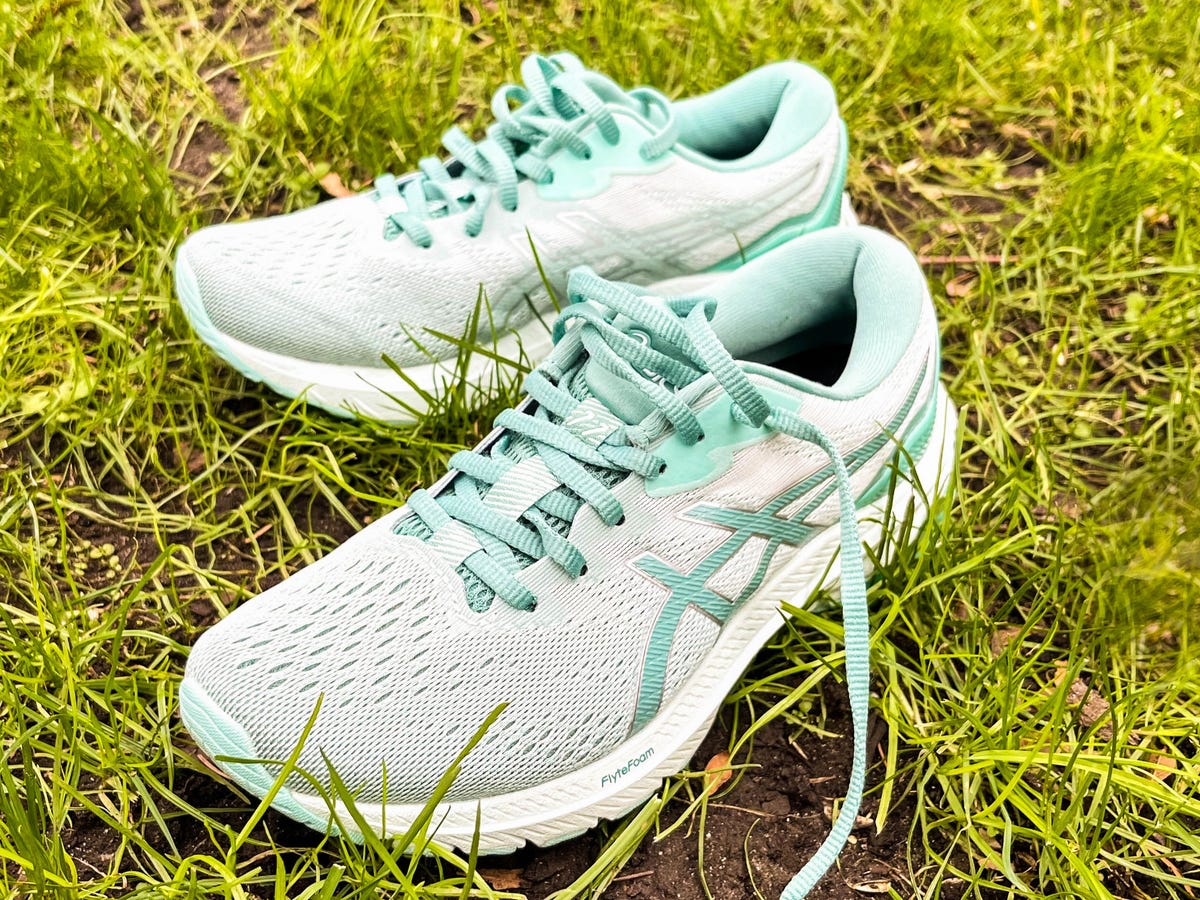
Investment vs. Value: Navigating Price and Performance
Professional-grade tennis shoes for walking with the latest proprietary cushioning systems can command a premium price, often ranging from $120 to $180. However, exceptional value can be found in previous-season models, store-brand performance lines, or direct-to-consumer brands. The critical question is: where does the technology deliver tangible benefit? A $180 shoe with a carbon-fiber plate may be over-engineered for walking, as that technology targets running energy return. Instead, focus your investment on proven cushioning compounds (like EVA, polyurethane, or proprietary blends) and quality construction in the upper and outsole. Websites like Wirecutter or Runner’s World (which also reviews walking shoes) often provide rigorous, long-term wear tests that highlight durability. Remember, the cost-per-wear metric is vital. A $150 shoe that remains comfortable and supportive for 500 miles of walking is a far better value than a $60 shoe that breaks down and causes discomfort after 100 miles. Look for strategic discounts during major holiday sales, on brand outlet websites, or when new models are released, as retailers clear inventory of the outgoing versions which are often 95% as good as the new iteration.
A Word from the Experts: Voices on Footwear Philosophy
Integrating expert perspectives grounds our discussion in authority. Consider the view of Harvard evolutionary biologist Daniel E. Lieberman, who studies endurance running and walking:
“Feet are brilliantly engineered structures. The role of footwear should be to protect from environmental hazards while interfering as little as possible with the foot’s natural mechanical function.”
This philosophy underscores the importance of a shoe that protects without overly constricting. Meanwhile, celebrity trainer and best-selling author Harley Pasternak frequently emphasizes practicality for his clients, stating in interviews:
“The best shoe is the one you’ll wear consistently. For most of my clients who are on their feet all day in the city, that’s often a supportive, cushioned sneaker that works from a morning workout to afternoon errands.”
These insights converge on a principle of intelligent support—footwear that is an ally to your foot’s biology, not a cage or a crutch.
:max_bytes(150000):strip_icc()/vwt-walking-shoes-test-ryka-devotion-x-sahara-borja-02-18807b688fbb49e4ba30a3ee438600cb.jpeg)
Your Next Step: A Practical Guide to Selection
Armed with this knowledge, your selection process becomes intentional. Start by assessing your most common walking surface: pristine pavement demands different cushioning than composite track or packed earth. Next, consider your foot type. A simple wet foot test on cardboard can reveal your arch pattern. Then, set a budget that reflects the value of long-term comfort and joint health. When you try on shoes, simulate walking. Don’t just stand; pace the store, walk on an incline if possible, and pay attention to any points of pressure or slip. The right pair of tennis shoes for walking will feel secure, supportive, and encouragingly comfortable from the first step, with no “break-in” period required—a myth that modern footwear engineering has largely rendered obsolete. The ultimate pair is the one that disappears from your consciousness, allowing you to move through your day with focus and energy, supported by a foundation chosen with informed care.
