

The Best Tennis Shoes for All-Day Walking Comfort
Forget the notion that tennis shoes are solely for the court. The right pair, engineered with specific technologies, can transform into the ultimate companion for prolonged walking, offering a blend of support, cushioning, and durability that many dedicated walking shoes envy. This isn’t about a fleeting trend; it’s about leveraging athletic footwear science for everyday mobility. The journey to finding the perfect tennis shoes for walking is an exploration of biomechanics, material innovation, and personal physiology. We’re moving beyond simple recommendations to dissect the ‘why’ and ‘how,’ equipping you with the knowledge to make an informed choice that supports your stride from morning until night.
The Anatomy of Comfort: Deconstructing the Walking Tennis Shoe
To understand why a tennis shoe can excel for walking, we must first dissect its core components through the lens of pedestrian biomechanics. Unlike running, which involves a flight phase, walking is a continuous sequence of heel-strike, foot-flat, mid-stance, heel-off, and toe-off. This gait cycle places distinct pressures on the foot, demanding specific features from footwear. A superior tennis shoes for walking addresses these phases comprehensively. The midsole, often composed of advanced polymers like polyurethane or proprietary foams such as Adidas’s Boost or Nike’s React, is the heart of cushioning. Its primary role is to attenuate the shockwave generated at heel strike—a force that can be 1.5 times your body weight—and then provide a responsive rebound during toe-off. Dr. Casey Kerrigan, a renowned biomechanist and former professor at Harvard Medical School, has extensively researched gait and footwear. In her studies, she emphasizes that “stiff-soled shoes can actually increase joint loading.” This underscores the need for a midsole that balances cushioning with flexibility, allowing the foot to move naturally through the roll-over phase of the gait cycle. The outsole, typically made of durable carbon rubber or high-abrasion compounds, provides the necessary traction and stability. The herringbone or modified tread patterns common in tennis shoes offer excellent multi-directional grip, which translates well to varied urban terrains. Finally, the upper must offer a secure, breathable fit without pressure points, accommodating the natural swelling feet experience after hours of walking. It’s this holistic engineering approach that transforms a court shoe into a formidable walking partner.

Midsole Technology: The Science of Every Step
The midsole is where the battle against fatigue is won or lost. Let’s delve deeper into the science. EVA (Ethylene-Vinyl Acetate) foam is a common, cost-effective cushioning material, but it can compress over time, losing its resilience. Higher-end tennis shoes for walking often utilize polyurethane or composite foams that offer greater durability and energy return. Energy return, a concept popularized in recent years, refers to the percentage of energy input (from your footfall) that the foam returns to propel you forward. A study published in the Journal of Science and Medicine in Sport noted that shoes with higher energy return could improve running economy. While walking is less intense, the principle of efficient energy transfer remains crucial for all-day comfort. Furthermore, the concept of ‘stack height’ and ‘heel-to-toe drop’ is critical. A moderate drop (6-10mm) is often recommended for walkers, as it can facilitate a smoother transition from heel to toe without overstraining the Achilles tendon. Brands like HOKA, though not traditional tennis brands, have influenced the market with their maximalist cushioning, demonstrating that ample, soft midsole material can drastically reduce impact forces. When selecting a shoe, consider the density and construction of the midsole—it should feel supportive yet forgiving, compressing under weight but springing back quickly.
Arch Support and Stability: Beyond Basic Cushioning
Cushioning absorbs impact, but support manages motion. This is the cornerstone of preventing overuse injuries during extended walking. Overpronation—the excessive inward roll of the foot after heel strike—is a common concern that can lead to plantar fasciitis, shin splints, and knee pain. Many tennis shoes are inherently designed with stability features to handle the lateral movements of the sport. Technologies like ASICS’s Dynamic DuoMax Support System or Brooks’s GuideRails are integrated into the midsole to provide medial (inner side) support, preventing the arch from collapsing too drastically. The importance of arch support is echoed by institutions like the American Podiatric Medical Association (APMA), which grants seals of acceptance to shoes that promote good foot health. A well-supported arch distributes pressure evenly across the foot, reducing strain on the plantar fascia ligament. When trying on potential tennis shoes for walking, pay close attention to the feel under your arch. It should feel cradled, not crushed. The heel counter—the firm cup at the back of the shoe—should be rigid to lock the heel in place, preventing slippage and ensuring that the foot’s movement is controlled by the shoe’s design, not in spite of it. This synergy between cushioning and structured support is what allows a shoe to remain comfortable long after the initial “plush” feeling of a soft insole has faded.
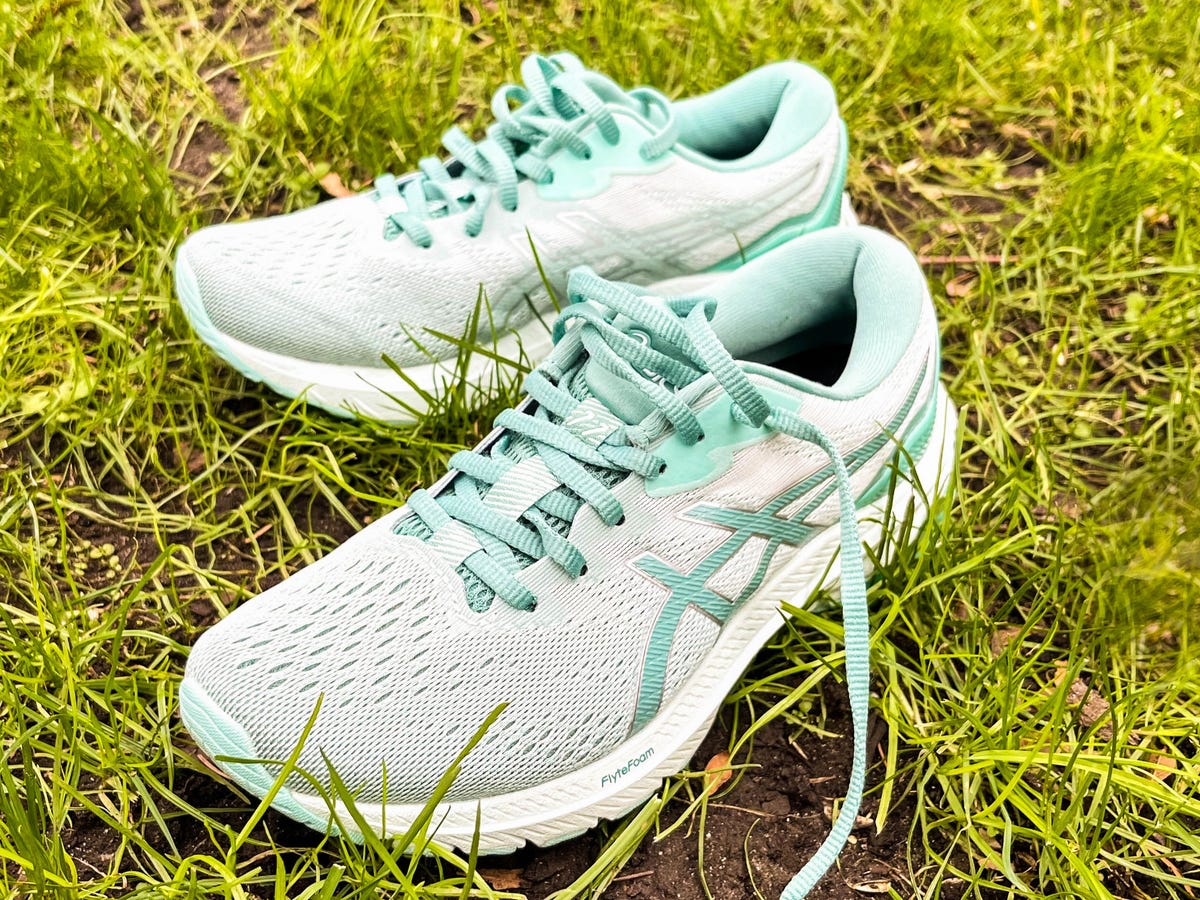
Selecting Your Champion: A Buyer’s Framework
Armed with technical knowledge, how do you apply it? The selection process is a personal experiment. First, know your foot type. The classic “wet test”—where you see the imprint of your wet foot on paper—can reveal if you have high, neutral, or low arches. This guides your need for support. Second, prioritize fit over size. Your walking shoe should have about a thumb’s width of space between your longest toe and the end of the shoe to allow for foot expansion and natural movement. Width is equally crucial; a cramped forefoot can lead to neuromas and blisters. Third, consider the “walking” environment. Are you primarily on pavement, trails, or indoor surfaces? A durable, non-marking rubber outsole is ideal for hard surfaces, while a more aggressive tread might be needed for mixed terrain. Finally, do not underestimate the importance of a quality sock. Moisture-wicking materials like merino wool or synthetic blends prevent blisters and keep your feet dry, complementing the breathability of your chosen tennis shoes for walking. Remember, the most expensive shoe is not necessarily the best for you; it’s the one that aligns perfectly with your unique biomechanics and daily demands.
Expert Voices and Endorsements
The convergence of tennis and walking comfort isn’t just a consumer hypothesis; it’s observed by professionals. On platforms like YouTube, certified pedorthists and physical therapists often analyze athletic shoes for everyday use. For instance, Dr. Zachary Green, a sports medicine specialist, has commented on the versatility of certain tennis models, noting their “inherent stability platforms” as beneficial for walkers with mild overpronation. Furthermore, literature from authoritative sources like the Journal of Foot and Ankle Research discusses how footwear stiffness affects lower limb mechanics, providing a scientific backbone to the preference for shoes with a balanced flex. Even in popular culture, the shift is noticeable. In the book Born to Walk by James Earl, the author explores the human design for ambulation and briefly touches on footwear, suggesting that purpose-built athletic shoes often provide the structured freedom our feet need. These perspectives validate the choice to look beyond traditional categories.
“The best shoe is the one you forget you’re wearing. For long-distance walkers, that often means borrowing the precise engineering from sports like tennis, where stability and cushioning are paramount for explosive lateral movement—forces that, while different in magnitude, are similar in the demand they place on footwear structure.” — Adaptation of a common principle cited by multiple podiatrists in industry discussions.
Investment and Value: Professional Knowledge Meets Smart Spending
Understanding the technology justifies the investment. A high-quality pair of tennis shoes for walking, typically ranging from $80 to $150, is an investment in your musculoskeletal health. Consider the cost per mile. Over a lifespan of 400-500 walking miles (the general recommendation before midsole compression significantly reduces effectiveness), a $120 shoe costs about 24 to 30 cents per mile. Compared to the potential cost of physical therapy for a foot injury, this is a prudent investment. To maximize value, look for previous-season models, which often see discounts of 30-50% as new colorways are released. The core technology usually remains unchanged. Sign up for brand newsletters or follow retailers for flash sales. Additionally, consider specialized running or athletic shoe stores where staff are trained in gait analysis; their expertise can be invaluable, even if you later purchase at a discount online. The goal is to marry professional fitting insight with savvy shopping to acquire footwear that truly supports your all-day endeavors.

The search for all-day walking comfort culminates not in a single brand or model, but in a set of principles rooted in biomechanics and material science. By choosing a well-constructed tennis shoe that prioritizes adaptive cushioning, intelligent stability, and a precise fit, you are equipping your feet with a tool designed for sustained performance. Let your daily mileage be a testament to informed choice, where every step is cushioned, supported, and propelled by footwear that understands the profound simplicity and complex demands of walking.
