

Leopard Print Heels: How to Style This Bold Trend for Effortless Chic
Leopard print is not just a pattern; it’s a declaration. Once relegated to the fringes of fashion, associated with a dated or overly aggressive aesthetic, it has been meticulously rehabilitated into a cornerstone of modern, intelligent style. The key to this transformation lies not in the print itself, but in its application. Enter the cheetah print heels—a singular item that distills the wild energy of animal print into a manageable, potent dose of sartorial confidence. This is not about costume or chaos; it’s about harnessing a primal graphic to achieve a state of polished, effortless chic. Forget the clichés. We’re moving beyond the understanding that it’s “bold” and into the mastery of how it becomes “effortless.”
The Psychology of the Pattern: Why Leopard Works
To style leopard print effectively, one must first appreciate its inherent nature. Objectively, leopard print is a biomimetic pattern, an artistic interpretation of the rosettes found on the coats of leopards, cheetahs, and jaguars. Scientifically, such patterns in nature serve as camouflage, breaking up the animal’s outline in dappled light. In fashion, it achieves the opposite—it attracts the eye. This dichotomy is its power. As fashion psychologist Dr. Dawnn Karen, founder of the Fashion Psychology Institute, might posit, wearing animal print can tap into concepts of “enclothed cognition,” where the clothing we wear influences our psychological processes. A cheetah print heels can subconsciously imbue the wearer with a sense of strategic boldness and primal confidence. Historically, figures like Christian Dior recognized this, stating, “A woman can be overdressed, but never over-elegant.” Leopard, when curated, is the epitome of this elegance—it is never overdressed because it is a foundational neutral in disguise. This viewpoint is echoed by style authorities from Vogue to Harper’s Bazaar, who have consistently re-crowned leopard print as a “fashion neutral” for decades, arguing its earthy tones of black, brown, and tan allow it to pair as seamlessly as navy or grey.

Foundation First: The Neutral Canvas
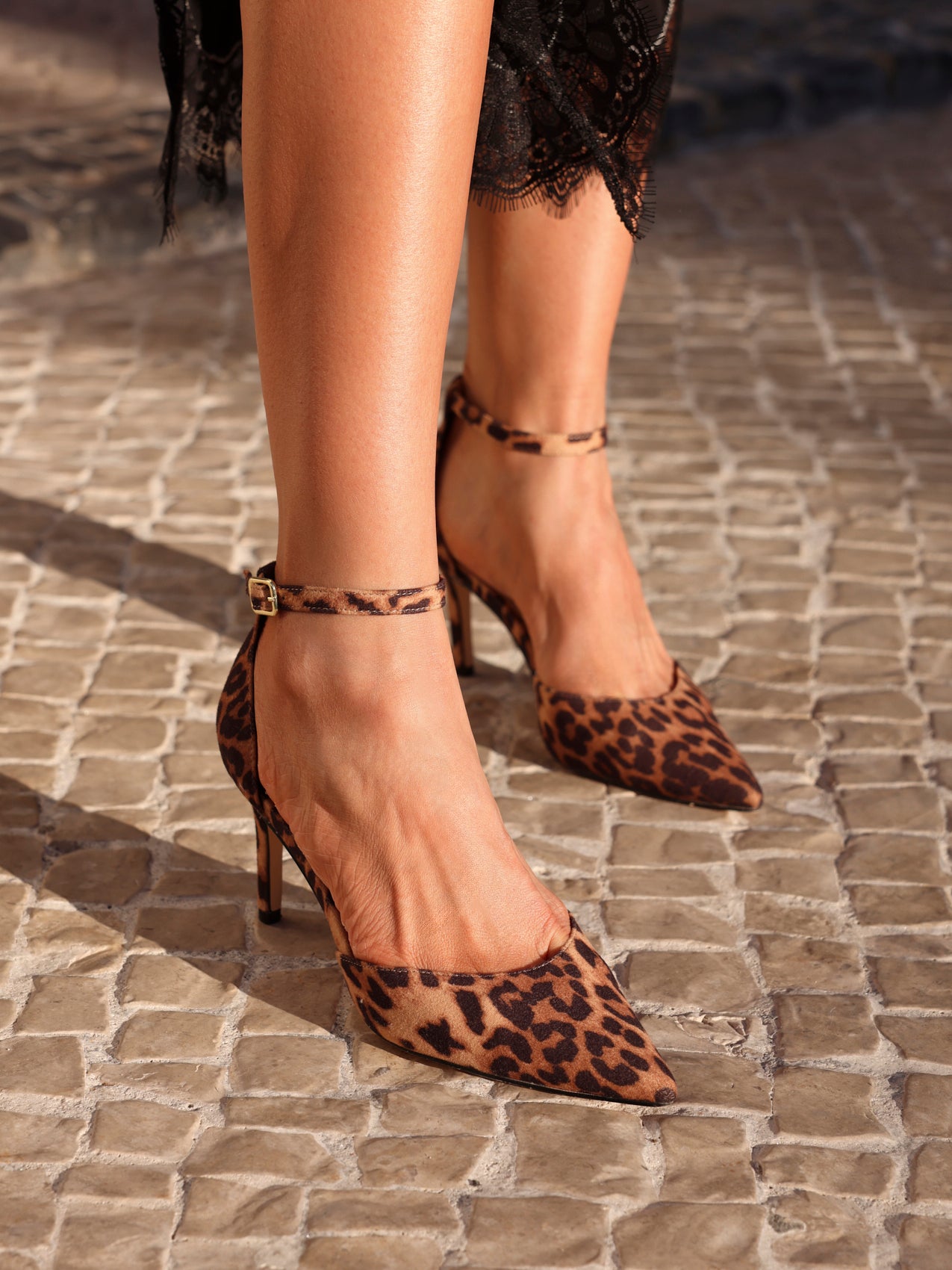
The most critical rule for achieving effortless chic with cheetah print heels is to let them be the star. This begins with your base. Imagine your outfit as a gallery wall: the heels are the striking central artwork, and everything else is the clean, white space that frames it. Opt for monolithic, neutral-toned outfits. A head-to-toe ensemble in black, crisp white, camel, denim, or charcoal grey provides a sophisticated and quiet backdrop. This isn’t a timid choice; it’s a strategic one. It allows the intricate detail of the leopard print to pop without competition. Consider the minimalist philosophy championed by designers like Phoebe Philo during her tenure at Céline—where luxury was expressed through cut, fabric, and a single, powerful detail. Your cheetah print heels are that detail. A sleek black turtleneck paired with tailored black trousers and the heels is a masterclass in urban sophistication. Similarly, a simple, well-fitted denim jumpsuit or a camel-colored wool coat dress instantly becomes editorial when grounded by this footwear. This approach aligns with the “quiet luxury” trend documented by business analysts like those at The Business of Fashion, where investment in standout accessories elevates a uniform base.
The Art of Balancing Volumes and Textures
Chic is often found in the balance of contrasts. Once your neutral canvas is established, introduce textural dialogue. The sleek, often pointed or slingback silhouette of a leopard heel craves opposition in the form of soft, flowing, or bulky fabrics. Pair them with fluid silk midi skirts, heavyweight cashmere sweaters, or relaxed-fit wool blazers. This creates a tactile tension that is deeply modern. For instance, the combination of a chunky, oversized knit with a slim skirt and the heels plays with proportion in a way that feels both cozy and sharp. Furthermore, consider fabric weight as outlined in textile science from resources like the Textile Institute. Pairing the lightweight, often polished material of a heel with heavier textiles like wool or structured cotton creates a harmonious equilibrium. This principle is visually demonstrated in countless street style photographs from fashion weeks, where influencers and editors use a bold shoe to add edge to an otherwise soft, minimalist outfit. It’s a narrative of yin and yang—the wild against the tame, the structured against the soft.
From Day to Night: The Transformative Power of a Single Shoe
The true test of a versatile wardrobe item is its ability to traverse the boundaries of your daily life. Cheetah print heels are uniquely equipped for this. For the professional daytime setting, they inject personality into corporate attire without breaching dress codes. Pair them with a classic navy suit, a white button-down shirt left slightly unbuttoned, and minimalist gold jewelry. The look remains authoritative but reveals a layer of creative confidence. As documented in forums like Quora and professional style guides on LinkedIn, such subtle expressions of individuality can enhance perceived competence and approachability. Transitioning to evening requires only a shift in attitude. Swap the tailored trousers for a simple, elegant black slip dress. The heels instantly transform the look from casual to cocktail-ready. This aligns with the “capsule wardrobe” philosophy popularized by style experts and in literature from institutions like the London College of Fashion, which emphasizes multi-functional, high-impact pieces. The leopard print provides a visual complexity that eliminates the need for excessive jewelry or embellishments, embodying Coco Chanel’s famed advice to “look in the mirror and take one thing off.” With these heels, you start with less, yet achieve more.
Color Theory in Action: Beyond the Basics
While neutrals are the safest path to chic, the adventurous stylist can explore color. The secret lies in the color composition of the leopard print itself. True leopard print is not garish; it’s a mix of black (or dark brown) spots with a warm, sandy, or taupe base. This earthy palette harmonizes beautifully with other warm, muted tones. Think olive green, rust, terracotta, mustard yellow, or deep burgundy. These colors, all residing on the warmer end of the color wheel as defined by traditional color theory (referenced in art and design textbooks from sources like the Rhode Island School of Design), create a rich, autumnal, and cohesive look. For a striking, modern twist, pair the heels with head-to-toe cream or white. The high contrast is clean, graphic, and undeniably fresh. It’s a look frequently seen on the runways of brands like Totême and The Row, where a single animal print accessory punctuates a palette of quiet tones. Avoid pairing them with other competing prints initially; let mastery of solid colors build your confidence.
Expert Voices: What the Icons Say
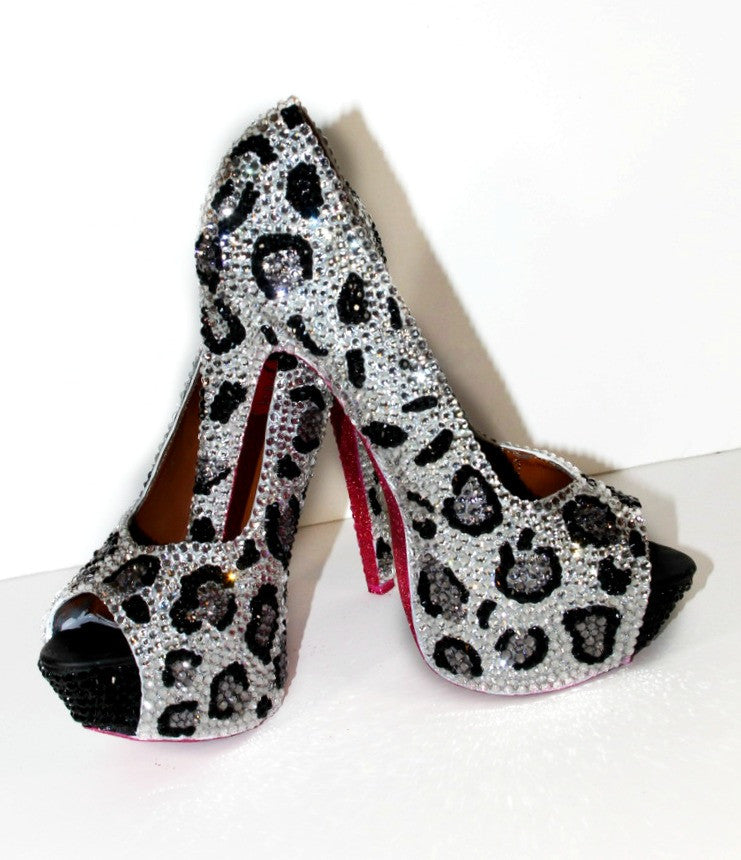
To solidify the objective merit of this trend, one can look to the statements and practices of established figures. Fashion luminary Diane von Furstenberg famously declared, “I love leopard print. It is a neutral. It goes with everything.” This sentiment is a cornerstone of the modern styling approach. Furthermore, the late, great fashion editor Anna Wintour has been photographed for decades incorporating leopard print shoes into her signature, polished uniform, legitimizing their permanence in the fashion canon. On digital platforms, certified style influencers on YouTube such as Audrey Coyne or Haley Kim frequently analyze leopard print as a “wardrobe workhorse,” offering practical tutorials that demystify its use. Their collective wisdom, drawn from both haute couture and accessible style theory, converges on a single point: leopard print, particularly in footwear, is a tool for accessible luxury.
“I love leopard print. It is a neutral. It goes with everything.” – Diane von Furstenberg
Investment and Intelligence: Choosing Your Pair
Bringing professional knowledge to this pursuit means advising on construction and value. A well-made pair of cheetah print heels is an investment. Look for real leather uppers and linings—they mold to your foot and breathe better than synthetics, a fact supported by materials science and resources like the Leather Working Group. The heel construction should be stable, with a well-balanced pitch. A classic pointed-toe pump or a sleek slingback offers the most styling longevity, transcending fleeting micro-trends. While premium brands offer exquisite options, the current market also provides high-quality, more accessible alternatives. For instance, brands like Sam Edelman or & Other Stories often feature excellently crafted animal print shoes. The key is to seek out genuine materials and classic silhouettes on sale or through reputable discount retailers. This approach to “discounted prices” doesn’t mean compromising on quality; it means being a savvy shopper who invests in timeless design during seasonal sales, ensuring you get professional-grade style at a more accessible point.
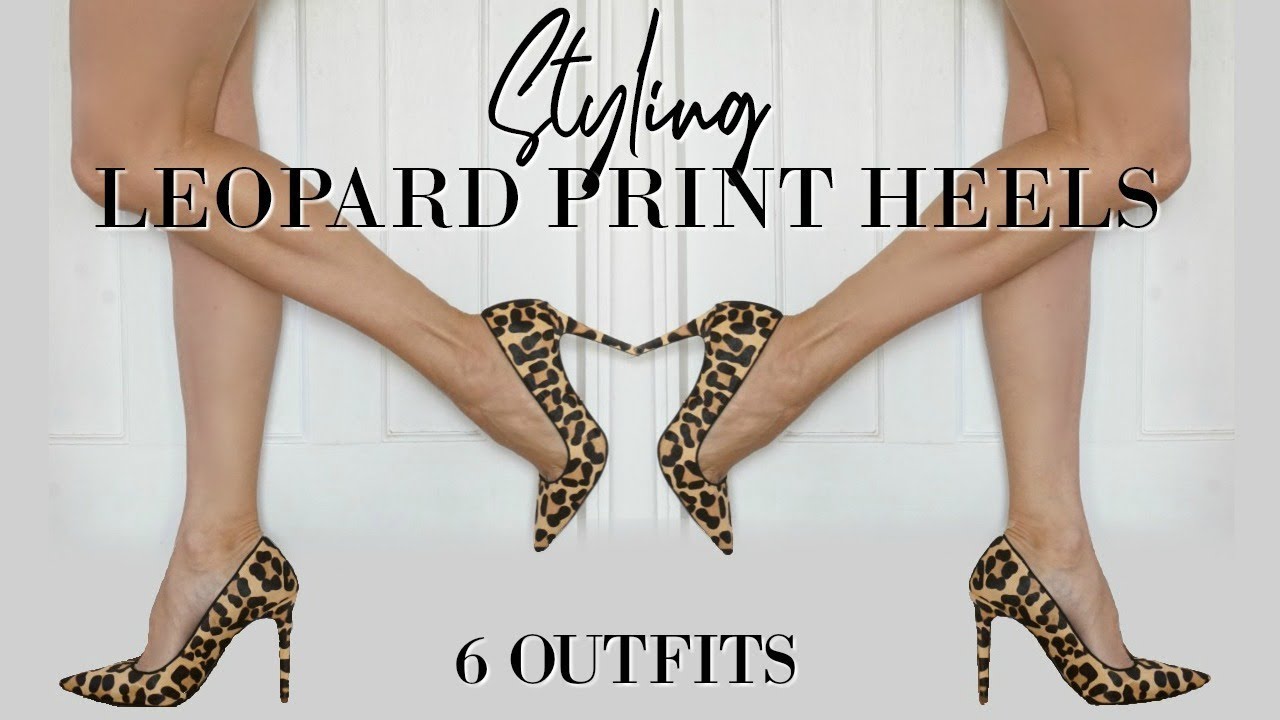
The journey to effortless chic is not about following rules blindly, but about understanding principles so deeply that your style becomes intuitive. Leopard print heels are a catalyst in this process. They challenge you to edit, to balance, and to make a statement with quiet confidence. They are the exclamation point to a declarative but softly spoken sentence. By anchoring them in neutrals, playing with texture, respecting color theory, and choosing wisely, you transform a bold trend into a personal signature. It’s not about wearing the print; it’s about allowing the print to work for you, to elevate the everyday into something distinctly and effortlessly your own.
