

Leopard Print Heels: How to Style Them for a Bold Fashion Statement
Fashion is a language of its own, and some pieces speak louder than others. Among these, cheetah print heels stand as a definitive declaration of confidence, a sartorial exclamation point that refuses to be ignored. They are not merely footwear; they are an attitude, a transformative element that can pivot an entire ensemble from mundane to magnificent. This article delves into the art of mastering this powerful pattern, moving beyond superficial trends to explore the psychology, history, and practical science of styling animal prints. We will navigate how to integrate these statement pieces into your wardrobe with authority, ensuring they amplify your personal style rather than overwhelm it. The goal is to equip you with the knowledge to wear these heels not as a costume, but as a core component of a sophisticated and bold fashion identity.
The Psychology and Heritage of the Leopard Print
To style cheetah print heels effectively, one must first understand their cultural and psychological weight. The leopard spot pattern, often used interchangeably with cheetah print in fashion (though zoologically distinct), carries a deep-seated symbolism. Historically, in various cultures, leopard skins were worn by royalty and warriors as a symbol of power, ferocity, and status. This association has seamlessly transitioned into modern fashion. As fashion psychologist Dr. Dawnn Karen notes, clothing impacts our cognitive processes—a concept known as “enclothed cognition.” Wearing a bold pattern like leopard print can psychologically prime the wearer to feel more powerful and assertive. From a design perspective, the pattern is inherently dynamic. The irregular, organic shapes create visual movement and interest, a principle supported by Gestalt psychology, which studies how the human eye perceives visual elements as unified wholes. This makes a leopard print item, especially on a vertical element like a heel, a natural focal point. It’s no wonder that icons from Brigitte Bardot to Rihanna have leveraged its potent mix of wildness and glamour. The print’s endurance through decades, cycling in and out of high fashion as noted by trend analysts from Vogue to Business of Fashion, proves it is a perennial rather than a passing fancy. When you strap on a pair of cheetah print heels, you are tapping into this rich lineage of power-dressing.
Building the Foundation: Neutral Grounding
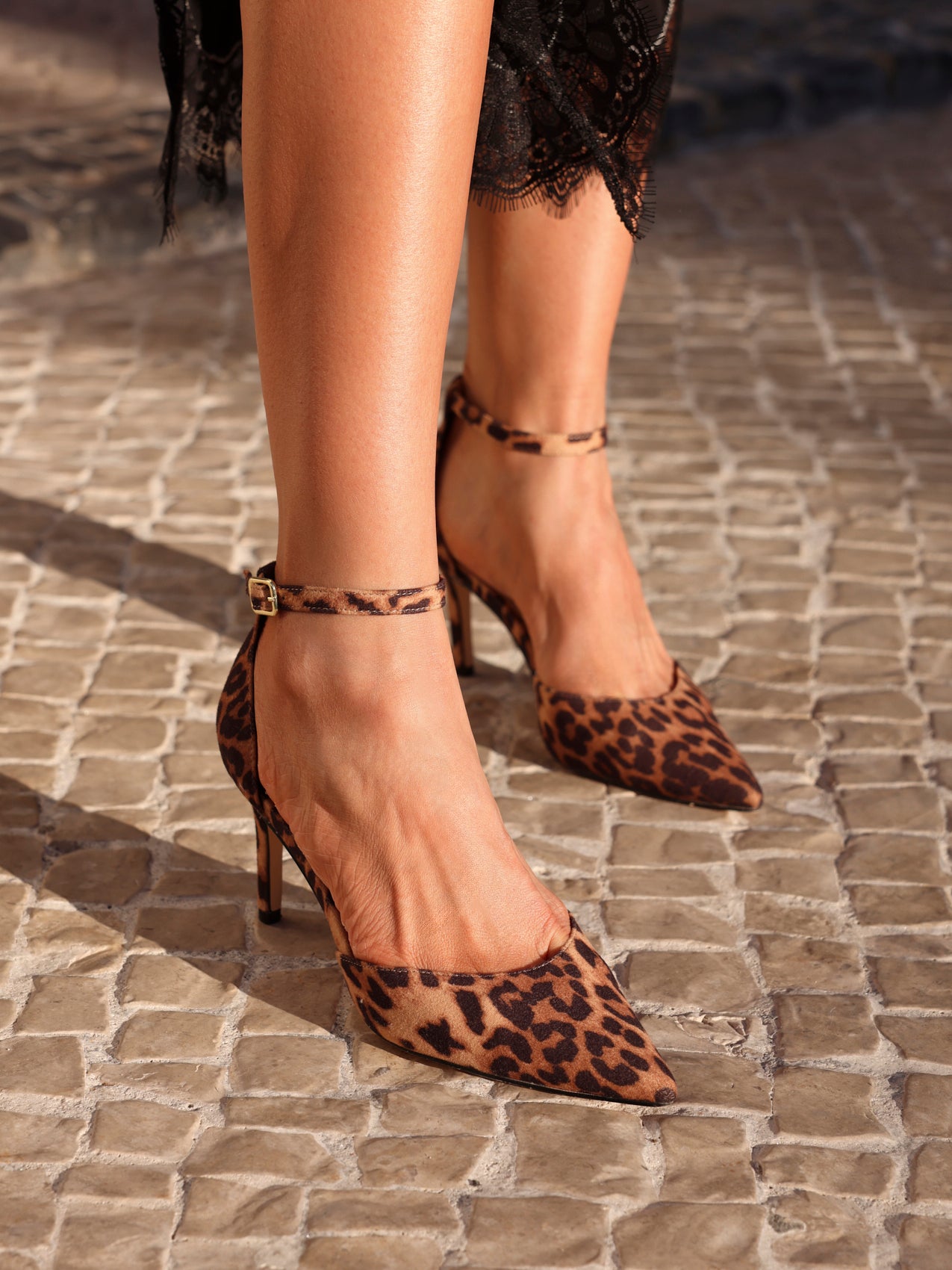
The most foolproof strategy for integrating a bold pattern is to let it shine against a quiet backdrop. This is not a sign of timidity, but of sophisticated styling intelligence. The principle of visual hierarchy in design dictates that for one element to be dominant, others must recede. Your cheetah print heels are that dominant element. Build your outfit on a foundation of monolithic neutrals. A head-to-toe black ensemble—a sleek black turtleneck, tailored black trousers, or a little black dress—provides the perfect canvas. The contrast is stark, modern, and undeniably chic. Similarly, head-to-toe white, camel, or navy creates a clean, elevated look that allows the intricate details of the print to be fully appreciated. This approach aligns with the minimalist “quiet luxury” aesthetic, where investment in one statement piece elevates simple, high-quality basics. From a color theory standpoint, neutrals are achromatic or low-chroma colors, meaning they don’t compete with the warm, earthy tones (tawny browns and blacks) of the leopard print. This creates a balanced, harmonious composition. As stylist and author Allison Bornstein often advises, the “third piece rule” is key: your shoes (or another accessory) should be the exciting third element that completes a simple two-piece outfit. Here, your heels are not just the third piece; they are the exclamation point.
The Art of Pattern Mixing: A Calculated Risk
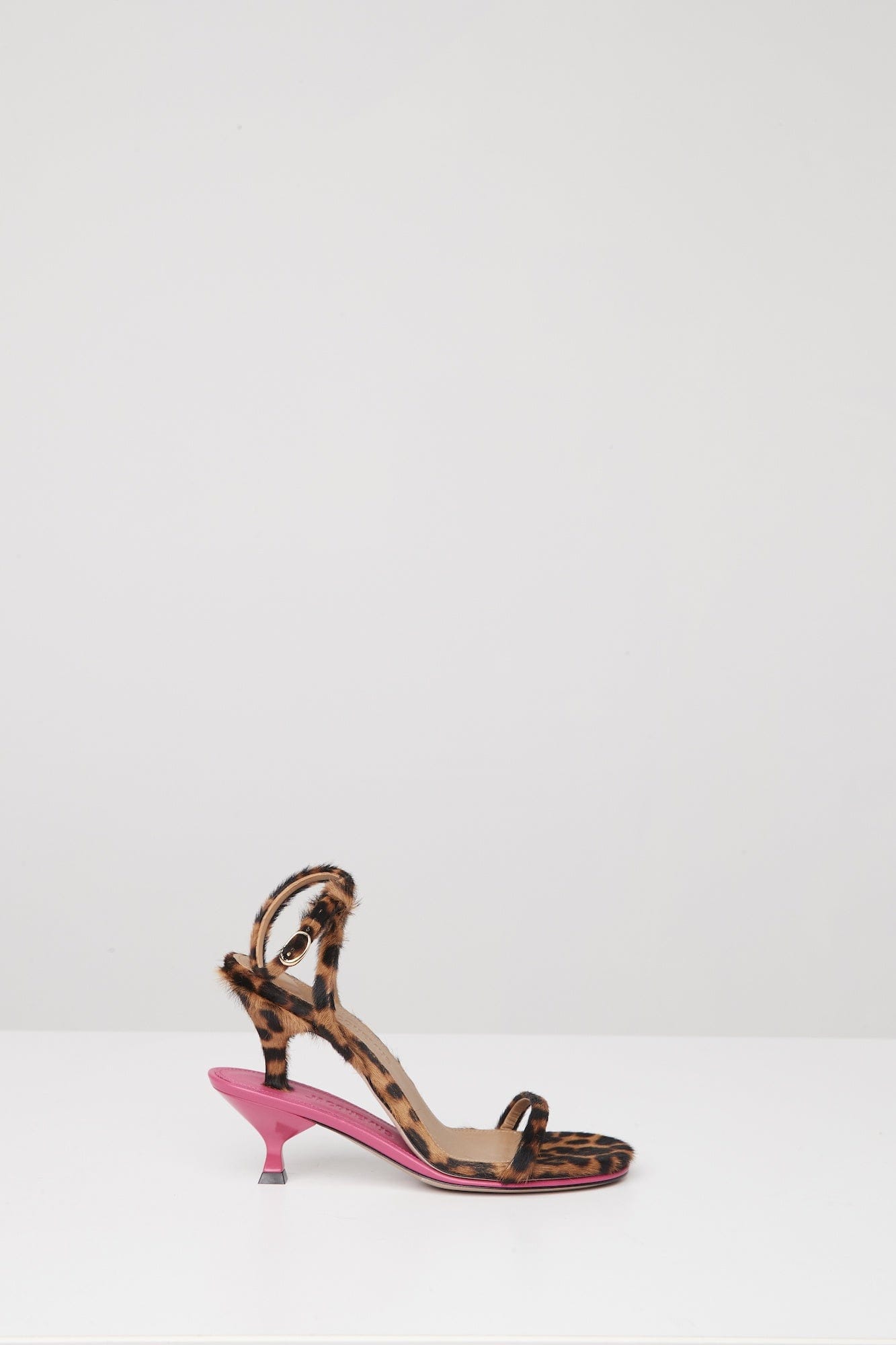
For the truly style-adventurous, pattern mixing is the pinnacle of fashion fluency. Pairing cheetah print heels with another pattern is a high-reward maneuver that requires an understanding of scale, color, and motif. The key is to avoid visual chaos by ensuring one pattern clearly dominates and the others support. Since leopard print is organic and irregular, it often pairs beautifully with geometric, man-made patterns like pinstripes, houndstooth, or a fine check. The contrast in pattern “personality” creates tension and interest. Another successful tactic is to treat leopard print as a neutral itself—a concept famously endorsed by fashion legend Diana Vreeland, who proclaimed, “Leopard print is a neutral.” This allows you to pair it with another bold print, like florals or polka dots, provided they share a common color family. For instance, a floral dress with hints of ochre or brown can create a cohesive link to your heels. Academic resources from fashion institutes like FIT (Fashion Institute of Technology) often teach pattern mixing through the principle of scale variation: combine a large-scale pattern with a small-scale one. If your heels feature a small, dense leopard spot, you might pair them with a garment featuring a larger, more graphic stripe or plaid. This calculated risk, when executed well, signals a deep and confident mastery of personal style.
Professional Context: Taming the Wild for the Boardroom
Many assume animal prints have no place in a professional setting, but this is a misconception that limits sartorial expression. The secret lies in controlled contrast and sophisticated pairing. A cheetah print heel can be the defining accent in a powerful work wardrobe. Pair them with authoritative, structured pieces: a sharply tailored navy blazer and cream trousers, a charcoal grey sheath dress, or a crisp white shirt and a midi pencil skirt in tan. The professionalism of the silhouette contains and refines the wildness of the print. Opt for heel styles that are inherently professional—a classic pump, a sleek block heel, or a sophisticated slingback. Avoid overly ornate or casual styles like gladiator straps or extreme platforms for this context. This approach is supported by the concept of “power dressing,” which, according to sociological studies, uses clothing to communicate competence and authority. A subtle animal print on the feet can be a tool of non-verbal communication, suggesting confidence and individuality within a framework of professionalism. It says you respect the rules but are not bound by them. As former British Prime Minister Theresa May demonstrated with her often-bold footwear choices, a statement shoe can become a signature of poised power.

Accessorizing and Finishing Touches: The Symphony of Details
Once your outfit is built around your cheetah print heels, the final act is accessorizing. This is where you fine-tune the harmony or introduce a captivating dissonance. The golden rule is to let the heels remain the star. Choose accessories that complement without competing. Metallic jewelry—gold, brass, or bronze—echoes the warm undertones of the print and adds a luxe feel. Simple, elegant pieces like hoop earrings or a delicate chain necklace work beautifully. If you carry a bag, consider a solid color that picks up one hue from your outfit or the heels themselves; a rich brown leather bag or a sleek black clutch can anchor the look perfectly. Beware of adding other animal prints; it can quickly veer into thematic overload. However, a single additional textural element like a crocodile-embossed belt or a suede jacket can add depth through material contrast rather than pattern clash. The science of attention, studied in fields like cognitive psychology, tells us that the human brain can effectively process one dominant focal point. Your heels are that point. Everything else should serve to guide the viewer’s eye back to them, creating a cohesive and intentional aesthetic statement.

Investment and Acquisition: Choosing Your Statement Piece
Embracing this trend is an investment in a versatile style weapon. When selecting your pair, consider quality, comfort, and silhouette. A well-constructed heel from genuine leather or a high-quality synthetic will not only look better but will last through seasons. Comfort is non-negotiable for confidence; look for features like padded insoles, a stable block heel for all-day wear, or a lower kitten heel for a more retro vibe. The silhouette should complement your existing wardrobe—a classic pointed-toe pump offers timelessness, while a strappy sandal leans more seasonal. From a consumer economics perspective, a statement shoe like this offers high cost-per-wear value if it can transition across multiple contexts: work, evening, and weekend. To bring professional knowledge on discounted prices, savvy shoppers should monitor end-of-season sales from premium contemporary brands, explore reputable outlet websites, or consider luxury consignment platforms like The RealReal or Vestiaire Collective for gently worn designer options. The initial investment in a superior pair pays dividends in durability, comfort, and enduring style, ensuring your cheetah print heels are a long-term asset, not a fleeting trend.
Leopard print heels are a conduit for personal audacity, a way to wear your confidence on your feet. They challenge the wearer to step into a bolder version of themselves. By grounding them in neutrals, experimenting with intelligent pattern play, adapting them for professional environments, and curating the surrounding details, you transform a wild pattern into a tool of refined self-expression. This is not about following a trend slavishly; it is about harnessing a timeless pattern’s inherent power to articulate your unique style narrative. The final step is yours: to walk out the door in those heels, owning every step of the statement they make.
