

Your Ultimate Guide to Comfort and Style
We often think of fashion and comfort as opposing forces, locked in a perpetual tug-of-war. For years, the choice seemed binary: you could either look good or feel good. This outdated notion, however, has been completely dismantled by the evolution of modern footwear. Today, the pinnacle of this harmonious blend is embodied in the sophisticated design of the modern walking shoe. This article is not just a review of products; it’s a manifesto that comfort is the ultimate style, and the right shoe is its foundation. We will dissect the anatomy of comfort, explore the science behind support, and demonstrate how the perfect pair seamlessly integrates into a stylish life, all while bringing you professional insights and highlighting exceptional value.
The Foundation: Deconstructing Comfort in a Walking Shoe
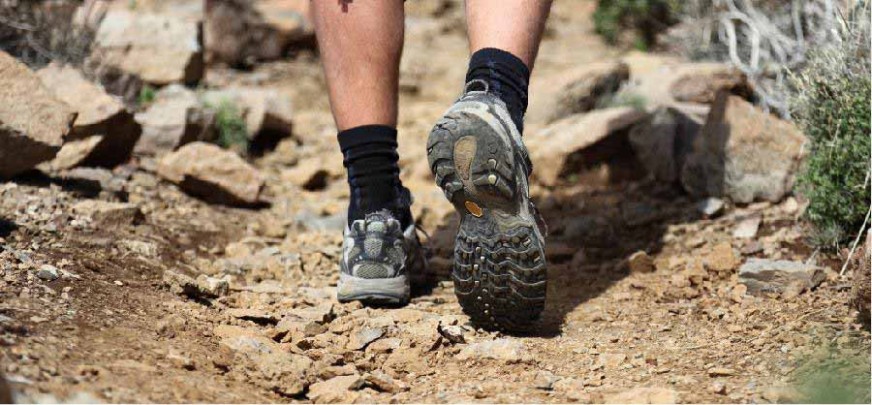
What does “comfort” truly mean when it comes to footwear? It’s a subjective sensation, but its components are objectively engineered. At its core, a comfortable walking shoe is a biomechanical tool. The primary elements begin with midsole cushioning, often made from advanced polymers like EVA (ethylene-vinyl acetate) or polyurethane. According to research from the Spaulding National Running Center, affiliated with Harvard Medical School, the midsole’s job is to attenuate ground reaction forces—essentially, to soften the impact of each step, which can be 1.5 to 3 times your body weight. Next is the insole or sockliner, which provides immediate step-in comfort and can often be removed for orthotics. The upper’s construction is equally critical; materials must offer breathability to manage moisture and heat, while also providing a secure, non-restrictive fit. A study published in the Journal of Foot and Ankle Research emphasizes that improper fit is a leading cause of foot pathology. Finally, the outsole’s tread pattern and rubber compound determine flexibility and grip, allowing for a natural heel-to-toe transition. A superior walking shoe harmonizes these elements, creating a system where you forget you’re wearing shoes at all—the true hallmark of comfort.
Arch Support and Gait: The Invisible Science
Beneath the visible layers lies the most personalized aspect of footwear science: arch support and gait alignment. Your foot’s arch acts as a natural shock absorber. Shoes with appropriate arch support help maintain this structure, preventing overpronation (rolling inward) or supination (rolling outward), which can lead to a cascade of issues from plantar fasciitis to knee and back pain. The American Podiatric Medical Association (APMA) grants its Seal of Acceptance to products found to promote good foot health, a key indicator for supportive design. Gait analysis, once confined to professional labs, is now integrated into the fitting processes of many specialty stores. By observing how you walk, experts can recommend shoes with the right stability features. For instance, a motion-control shoe is designed for severe overpronators, while a neutral-cushioned shoe suits a more efficient gait. This isn’t mere marketing; it’s applied biomechanics. Investing in a walking shoe that matches your unique foot mechanics is an investment in long-term mobility. As renowned orthopedic surgeon Dr. Nicholas A. Campitelli has stated in various media interviews, “The shoe should complement the foot’s function, not fight against it.” Ignoring this synergy is where discomfort—and injury—begins.
Style Reimagined: Where Form Meets Function
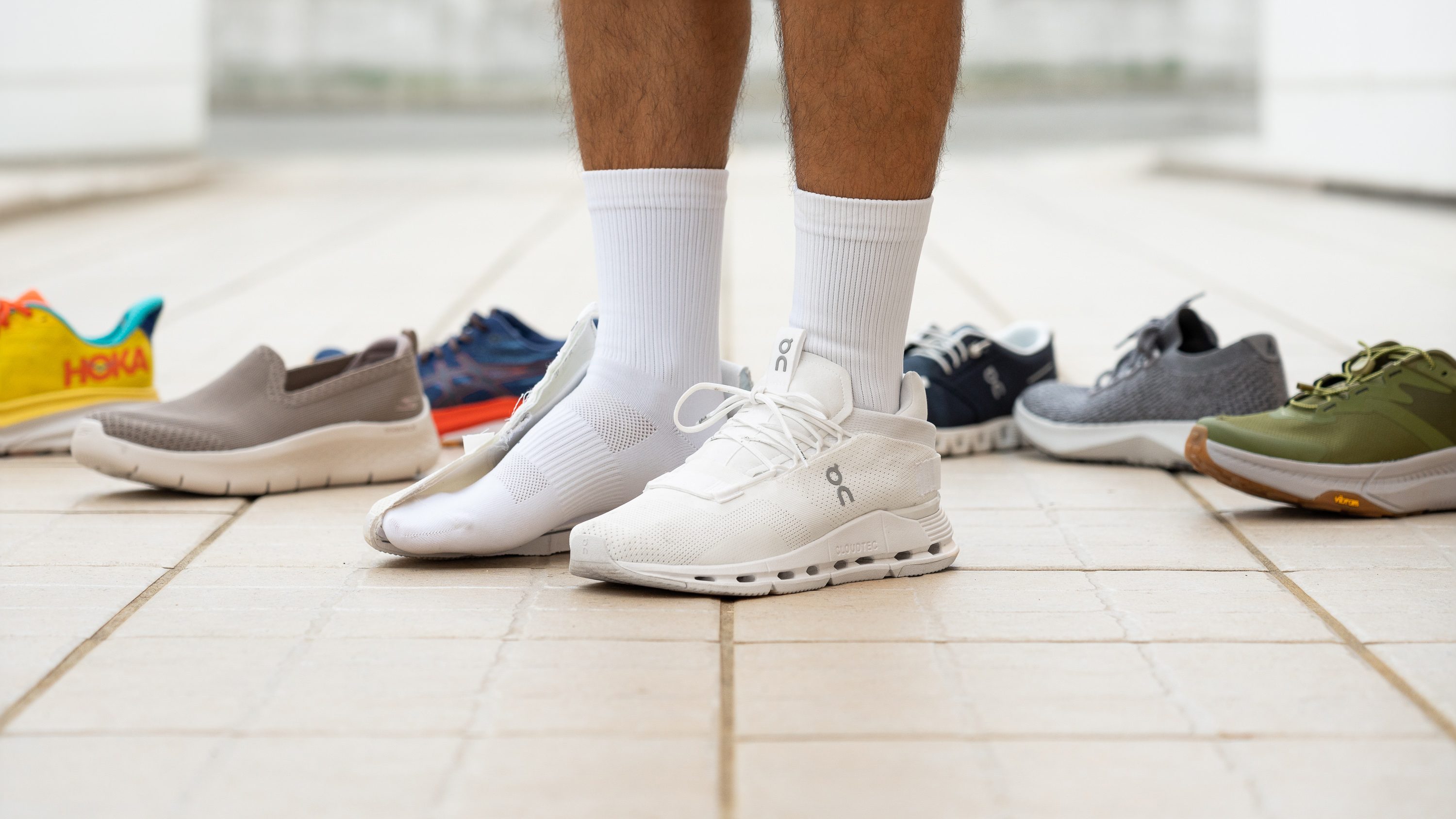
The historic grievance against comfortable shoes was their aesthetic, often clunky and technical-looking. That era is over. Contemporary designers have successfully migrated sleek silhouettes, premium materials, and versatile color palettes from the fashion runway into performance footwear. Brands now understand that a shoe worn for a day of city exploration or a casual Friday at the office must look as good as it feels. The minimalist “dad shoe” trend, the sleek athleisure knit upper, and the retro-inspired running shoe have all blurred the lines. Websites like GQ and Vogue regularly feature segments on “stylish sneakers” and “elevated casual wear,” acknowledging that these shoes are central to modern style. The key is versatility. A modern walking shoe in a neutral grey, clean white, or sophisticated black can pair effortlessly with tailored trousers, jeans, or even summer dresses. This fusion liberates you from the need for multiple shoe changes throughout the day. You can transition from a morning errand to an afternoon meeting to an evening stroll without a second thought about your feet, proving that practicality is the new pinnacle of chic.
The Long-Term Value: Beyond the Price Tag
When evaluating the cost of a quality walking shoe, it’s essential to adopt a long-term perspective. A cheaper, poorly constructed shoe may save money upfront but often incurs hidden costs. These can include premature wear and tear (requiring replacement in 3-4 months), reduced support leading to potential medical expenses for foot care, and the intangible cost of daily discomfort. In contrast, a well-engineered shoe from a reputable brand, while perhaps a larger initial investment, is built to last. High-quality rubber outsoles resist abrasion, durable uppers maintain their structure, and advanced cushioning materials retain their resilience for longer. Many podiatrists, including Dr. Jackie Sutera, a spokesperson for the APMA, recommend replacing walking shoes every 300-500 miles. A more durable shoe simply stays in that supportive window longer. Furthermore, the market is replete with value. End-of-season sales, manufacturer refurbished programs, and reputable online retailers frequently offer significant discounts on previous models, which often have only minor cosmetic updates from the latest version. This is where professional knowledge pays off: understanding the key technologies allows you to identify a high-value model on sale, securing premium comfort and performance at a fraction of the original price.
Making the Right Choice: A Personal Journey
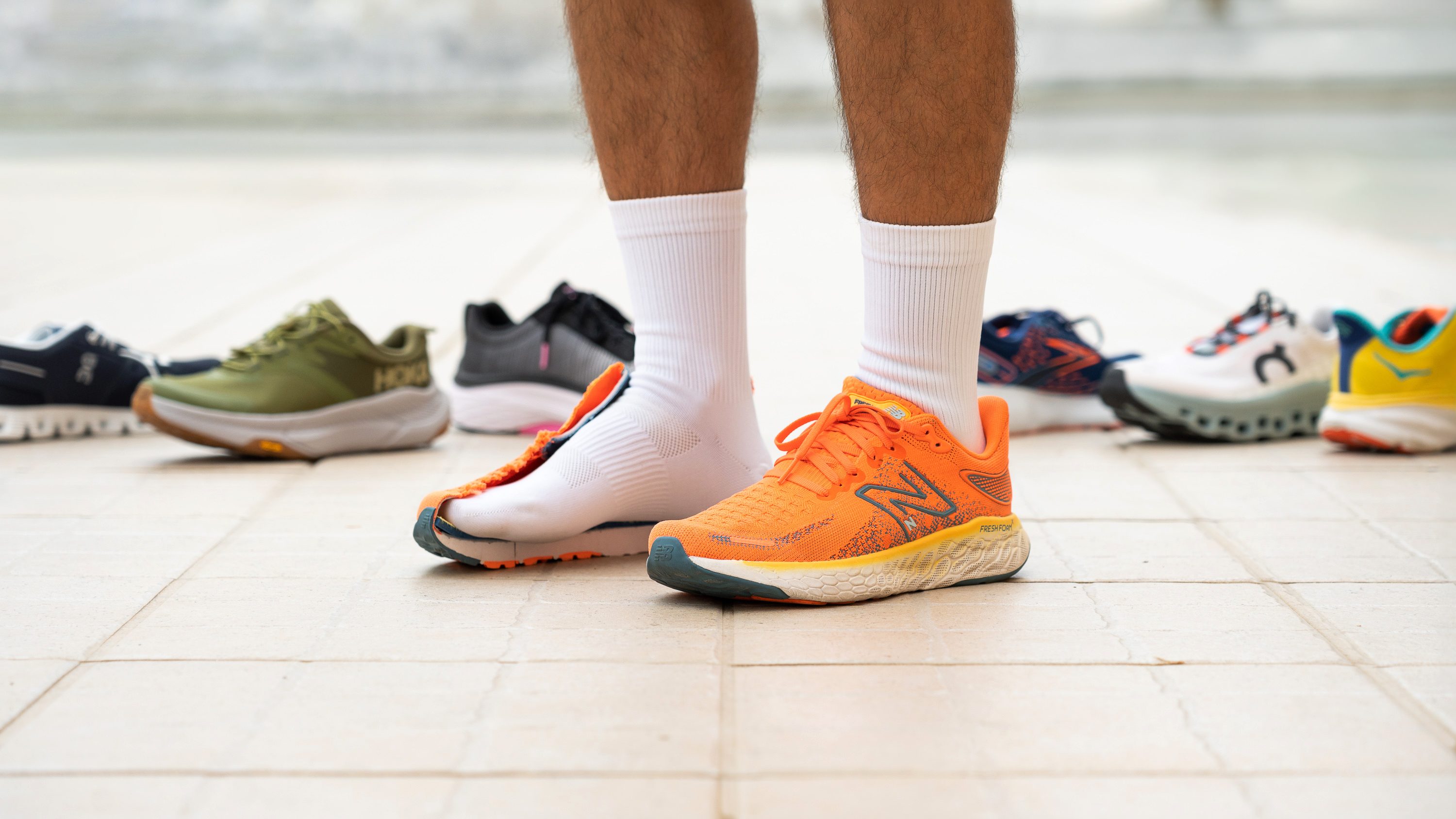
Your journey to the perfect shoe is personal. It begins with honesty about your needs. Are you primarily on hard pavement or natural trails? Do you need maximum cushion for joint issues, or a firmer ride for stability? Use the professional knowledge as a guide, not a dogma. When you try shoes on, do it in the afternoon when your feet are naturally slightly swollen. Wear the socks you intend to pair them with. There should be a thumb’s width of space between your longest toe and the end of the shoe. The heel must be snug without slip. Walk around the store—really walk. Feel for any immediate pressure points. Remember, the most technologically advanced shoe in the world is wrong for you if it doesn’t fit your foot. Online resources like in-depth video reviews from trusted YouTube channels such as “Doctor of Style” or “The Run Testers” can provide visual comparisons and long-term wear tests. Combine this research with the timeless advice from sources like Consumer Reports for reliability data. This informed, personal approach ensures your final selection is a true ally.
The Final Step: Listening to Your Feet and the Road
The relationship with your walking shoe doesn’t end at purchase; it evolves. Pay attention to the signals. Persistent discomfort in a “broken-in” shoe is a red flag. Visually inspect the outsole for extreme wear patterns and check if the midsole creasing has become deep and collapsed, losing its spring. The “twist test” mentioned by many experts—grasping the heel and forefoot and twisting—can reveal if the shoe has become too flexible and lost its structural integrity. Replacing shoes proactively is a non-negotiable aspect of self-care. It protects the intricate mechanics of your feet, ankles, knees, and spine. Think of it as routine maintenance for your body’s foundation. The right shoes empower your adventures, cushion your daily grind, and silently support your every move with unwavering reliability. They become a trusted part of your life, enabling you to engage with the world on your terms, in comfort and with confidence.
:max_bytes(150000):strip_icc()/when-should-i-replace-my-walking-shoes-3436325-0801-7a1840d83573471092e0380f9e230ecc.jpg)
Ultimately, the pursuit of the perfect walking shoe is a pursuit of a better quality of life. It is the recognition that our foundation matters. By marrying scientific understanding with aesthetic consideration, we make a choice that honors both our physical well-being and our personal expression. The market now offers this synergy without compromise, and with informed selection, it offers remarkable value. Step into that reality. Your feet—and your style—will thank you for it.
