

The Walking Shoe: Your Ultimate Guide to Comfort and Style
Forget the notion that practicality and aesthetics are mutually exclusive. The modern walking shoe stands as a testament to human ingenuity, merging biomechanical science with design philosophy to create footwear that doesn’t just take you from point A to B, but elevates the journey itself. This isn’t about settling for bland comfort or painful style; it’s about claiming a tool that supports your body’s architecture while reflecting your personal narrative. We’re moving beyond basic necessity into an era where every step is an informed choice, impacting everything from your spinal alignment to your social confidence. Let’s dismantle the old paradigms and explore how the right pair becomes an extension of your intent, whether you’re navigating urban landscapes, park trails, or the long corridors of daily life.
The Biomechanical Foundation: Why Engineering Matters More Than You Think
To appreciate the walking shoe, one must first understand the marvel it supports: the human foot. With 26 bones, 33 joints, and over a hundred muscles, tendons, and ligaments, the foot is a complex shock-absorption and propulsion system. A poor shoe disrupts this natural engineering. According to biomechanics literature from institutions like the University of Calgary’s Human Performance Lab, the gait cycle—comprising heel strike, mid-stance, and toe-off—generates forces up to 1.5 times your body weight with each step. A shoe without proper cushioning and guidance amplifies these forces, traveling up through the knees, hips, and lower back. This isn’t mere speculation; it’s physics. The right shoe intervenes constructively. Midsole materials like EVA (ethylene-vinyl acetate) foam or advanced compounds like Brooks’ DNA LOFT or ASICS’ GEL technology are not marketing gimmicks. They are scientifically formulated to attenuate shock. The rocker sole, a design featured in many premium walking models, isn’t just a shape; it’s a engineered facilitator that promotes a smoother roll-through from heel to toe, reducing strain on the calf and Achilles tendon. When you choose a shoe, you’re not just selecting a covering; you’re choosing a biomechanical partner that either fights or harmonizes with your body’s innate mechanics.
:max_bytes(150000):strip_icc()/vwt-asics-womens-gel-pulse-16-jinfeng-chen-21-712f0f140e834b84b3a8dcf0bf154771.jpeg)
Decoding the Anatomy: From Upper to Outsole
Let’s dissect the walking shoe component by component, for knowledge is power in making an informed choice. The upper, traditionally leather but now often engineered mesh, is your foot’s microenvironment. Breathability here is paramount; as noted on expert forums like Runner’s World, a well-ventilated upper prevents moisture buildup, reducing the risk of blisters and fungal infections. The heel counter, the firm cup at the back, must be snug and sturdy to prevent heel slippage and provide stability, a non-negotiable point for those with overpronation. The midsole is the heart. Here, density and geometry dictate function. A dual-density midsole, where a firmer medial (inner) post is embedded, is a common solution for overpronation control, a concept validated by podiatric associations worldwide. The outsole’s rubber compound and tread pattern speak to your terrain. Carbon rubber in high-wear areas (like the heel) offers durability, while blown rubber in the forefoot provides flexibility and lighter weight. The flex grooves must align with your foot’s natural bending points. Ignoring these details is like buying a car without asking about the engine or suspension; you might get somewhere, but the ride will be costly.
The Style Equation: Where Form Meets Function Without Apology
The historical dichotomy between “comfort shoes” and “fashion shoes” is obsolete. Contemporary design philosophy, echoed by figures like renowned designer Tinker Hatfield who revolutionized athletic aesthetics at Nike, insists that “if something functions well, it can also look great.” The modern walking shoe embodies this. We see it in the sleek, monochromatic profiles from brands like Cole Haan and ECCO, which seamlessly transition from a morning walk to a business-casual office. We see it in the bold, retro-futuristic lines of New Balance’s more fashion-forward collaborations, celebrated in streetwear culture. This fusion is driven by consumer demand for authenticity and versatility, a trend extensively documented by market analysts from websites like Business of Fashion. Style in this context isn’t superficial; it’s an expression of holistic self-care. When you feel confident in what you’re wearing, your posture improves, your stride lengthens, and your engagement with the world shifts. The right shoe becomes a point of pride, not something to be hidden. It signals that you respect your body’s needs without sacrificing your identity to them. This is the new standard: footwear that performs technically and communicates personally.
The Weight of Lightness: A Revolution in Every Step
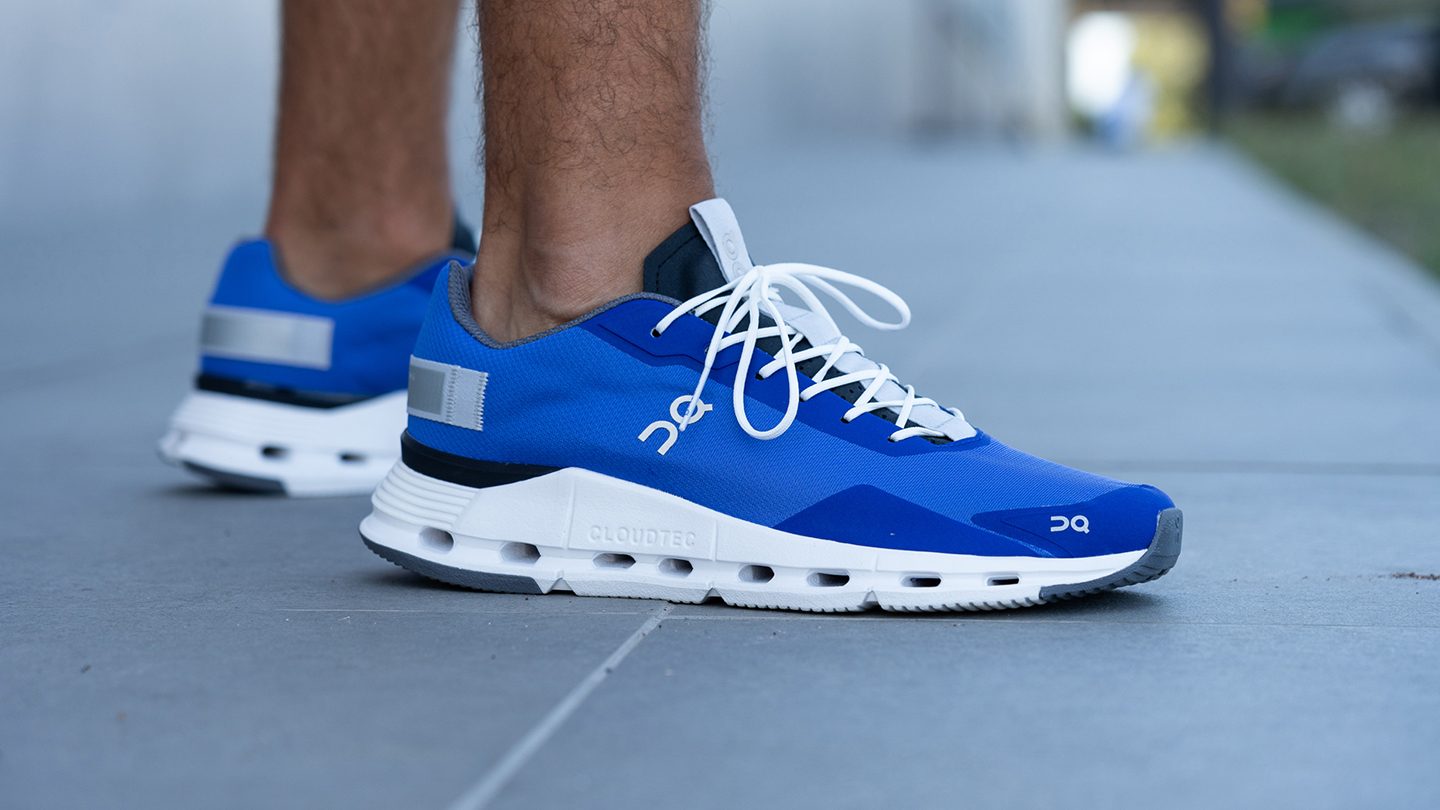
One of the most significant advancements in footwear technology is the pursuit of lightweight construction without compromising support. The principle is simple yet profound: less mass to lift equals less energy expended. Studies from sports science departments, such as those at the University of Colorado Boulder, have quantified that a reduction of 100 grams per shoe can improve walking economy by about 1%. This translates directly to less fatigue over distance. Modern materials make this possible. Knitted uppers, like those from Adidas Primeknit, provide a adaptive, sock-like fit with minimal seams and material. Advanced foams, such as Nike’s React or PUMA’s Nitro foam, offer exceptional energy return and cushioning at a fraction of the weight of traditional materials. This pursuit of lightness isn’t about creating a flimsy product; it’s about intelligent material science. A lightweight walking shoe encourages a more natural gait, reduces the load on the leg muscles during swing phase, and makes the activity itself feel more effortless. It removes a barrier, making the decision to walk for transportation or leisure that much easier. When every step feels unburdened, the world feels closer.
The Personal Fit: A Narrative of Your Unique Gait
Your feet are as unique as your fingerprint, and the perfect shoe honors that individuality. This is where generic advice fails and personal analysis begins. The concept of “foot type” – neutral, pronated, supinated – is a starting point, popularized by shoe fitting guides and podiatrists. However, as noted by experts on platforms like the YouTube channel “The Gait Guys,” which breaks down movement science, static shape is only part of the story. Dynamic gait analysis, now available in many specialty stores via pressure plates and video, reveals how your foot behaves in motion. Do you need a wide toe box to accommodate splay, a feature championed by brands like Altra for its anatomical alignment? Does your stride demand a specific heel-to-toe drop (the offset in height)? A lower drop may encourage a more midfoot strike, while a higher drop can relieve tension on the Achilles. This isn’t one-size-fits-all. Consider the words of long-distance walker Ffyona Campbell, who circled the globe on foot: “Your shoes are your world. If they fail, you fail.” Investing time in understanding your personal mechanics—through professional fitting or educated self-assessment—transforms a shoe from a commodity into a custom-tuned instrument for your body’s symphony of movement.
Beyond the Purchase: The Lifecycle and Ethical Consideration
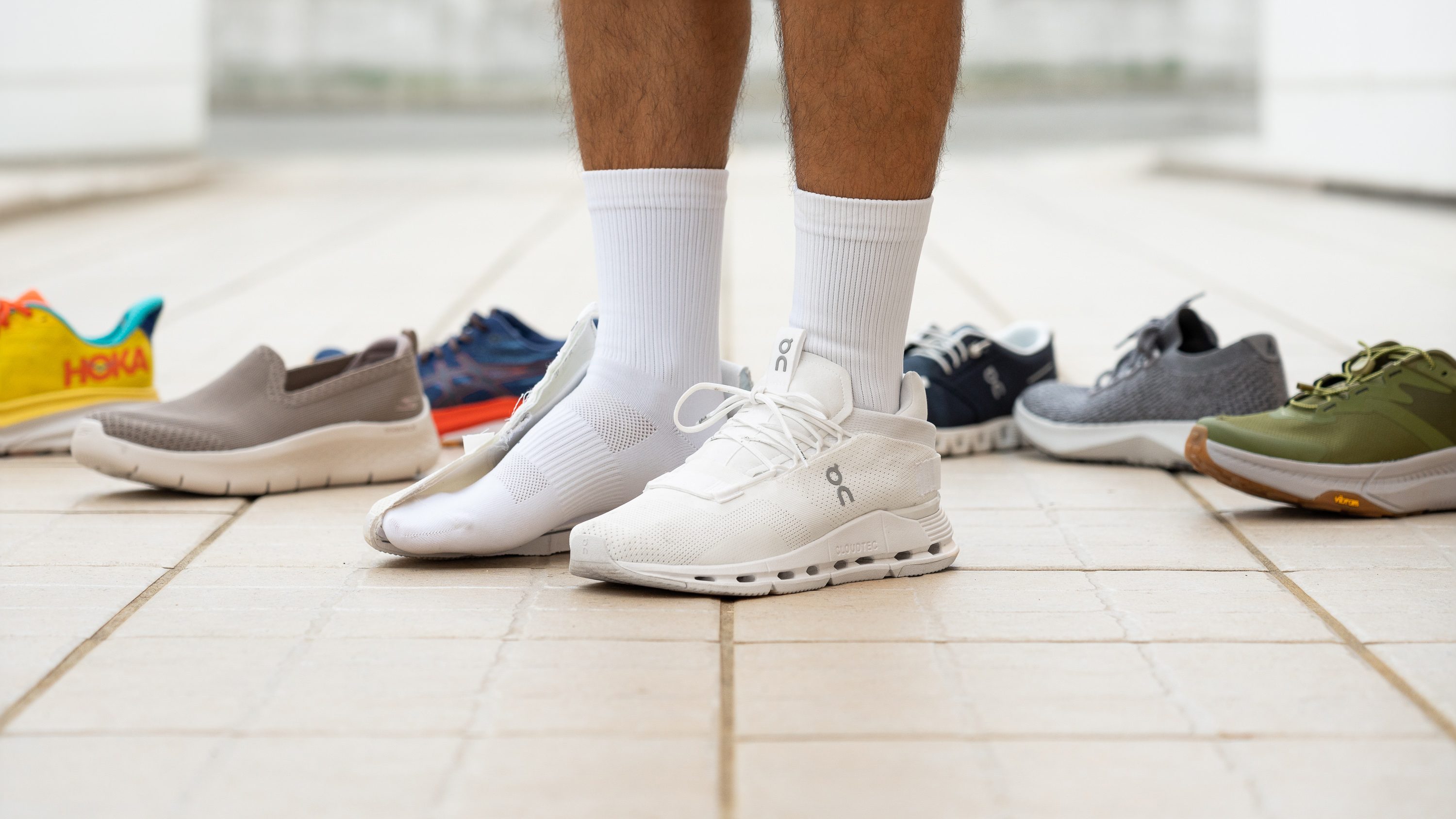
Owning the ideal walking shoe also means understanding its lifecycle and impact. The cushioning in midsoles compresses over time, typically losing significant shock absorption after 300-500 miles of use, regardless of visible wear on the outsole. Ignoring this is akin to driving a car with worn-out shock absorbers; the structure takes the hit. Furthermore, the modern consumer is increasingly conscious of provenance. The ethical manufacturing practices of a brand, its use of recycled materials (like Allbirds’ sugarcane-based SweetFoam or Adidas’ Parley ocean plastic), and its end-of-life recycling programs are integral to the product’s story. Websites like Good On You provide ethical brand ratings, empowering your purchase to align with your values. This holistic view—considering durability, performance lifespan, and environmental footprint—elevates your choice from a simple transaction to a statement of responsible consumption. It’s about walking gently on your feet and on the planet.
Your Next Step: An Informed Journey Awaits
The journey to finding your ultimate walking shoe is a journey of self-knowledge. It requires listening to your body, understanding the science that makes comfort possible, and refusing to compromise on the style that expresses who you are. It’s about recognizing that this piece of gear is a daily investment in your physical well-being and mental outlook. The market offers an incredible array of options, from maximalist cushioning to barefoot-inspired minimalism, from waterproof hiking hybrids to sleek leather sneakers. Armed with the knowledge of biomechanics, material science, and your own gait, you can navigate this landscape not as a confused consumer, but as an informed individual seeking a perfect tool. Remember, the best shoe is the one that disappears on your foot, allowing you to move through your day with supported, effortless, and confident strides. Your path is unique. Your shoes should be, too.

