

The Walking Shoe: Your Secret to Effortless Style and All-Day Comfort
In a world where fashion often demands sacrifice, the notion of comfort as a compromise is being radically overturned. The true secret to navigating modern life with grace and energy lies not in a fleeting trend, but in a foundational choice: the walking shoe. This is not merely about footwear; it is about a philosophy of movement that marries scientific engineering with aesthetic sensibility. The right pair of walking shoes transforms the mundane act of moving from point A to point B into a sustained experience of support and style, proving that you do not have to choose between looking good and feeling incredible. This article delves into the anatomy of this essential item, unpacking why it is the cornerstone of a practical yet polished wardrobe.
The Engineering of Comfort: Beyond Simple Cushioning
To understand the walking shoe is to appreciate it as a feat of biomechanical engineering. Its primary function transcends basic foot covering; it is a mobile support system. The cornerstone of this design is the midsole, typically crafted from advanced materials like ethylene-vinyl acetate (EVA) foam, polyurethane, or proprietary compounds like Nike’s React or Adidas’s Boost. According to research from the Spaulding National Running Center, affiliated with Harvard Medical School, the midsole’s job is to manage impact forces—which can reach 1.5 times your body weight with each step—and efficiently return energy to propel you forward. This isn’t mere softness; it’s a calculated response to physics. The arch support, or medial post, is another critical element. It stabilizes the foot, preventing excessive inward rolling (overpronation) or outward rolling (supination), which are common culprits for fatigue and injury. As noted on the American Podiatric Medical Association’s website, proper alignment from the foot upward is crucial for knee, hip, and back health. Therefore, a well-constructed walking shoe acts as a preventative tool, its design informed by decades of orthopedic research to ensure that all-day comfort is a scientifically-guaranteed outcome, not a happy accident.
Anthropometrics and the Perfect Fit
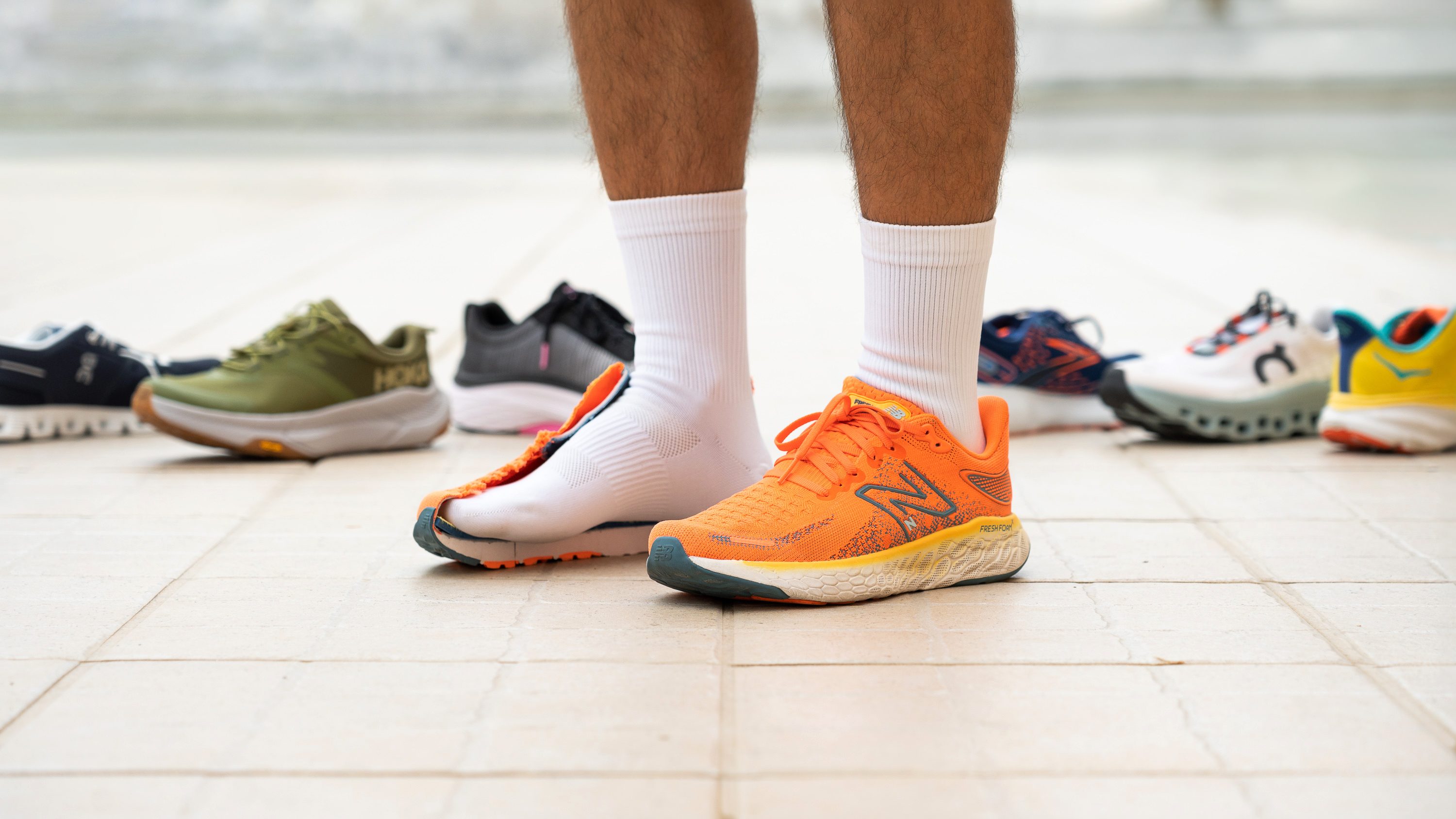
The most technologically advanced shoe is rendered useless if it does not fit the unique topography of your foot. This is where anthropometrics—the study of human body measurements—comes into play. A proper fit accounts for length, width, volume, and even the shape of your arch. The common practice of shoe shopping in the afternoon is rooted in science; feet can swell by up to 5% throughout the day due to activity and hydrostatic pressure. A study published in the Journal of Foot and Ankle Research emphasizes the importance of “functional fit,” which allows for natural foot splay and toe movement during the gait cycle. Renowned footwear designer and biomechanist, Dr. Casey Kerrigan, founder of OESH Shoes, often highlights that feet are dynamic, living structures, not static blocks. She argues that footwear should facilitate natural motion rather than restrict it. Therefore, selecting your walking shoe requires more than knowing your size. It demands attention to the feel of the heel cup (it should be snug, not loose), the flex point of the shoe (it should bend where your foot bends, at the ball), and adequate space (about a thumbnail’s width) between your longest toe and the shoe’s end. This meticulous approach to fit is what separates a shoe that you wear from a shoe that works for you.
The Aesthetic Revolution: Where Form Meets Function
Gone are the days when practical shoes were aesthetic martyrs. The modern walking shoe is a testament to the design principle that form and function are not mutually exclusive but intrinsically linked. This shift is visible in the sleek profiles, sophisticated color palettes, and minimalist details adopted by brands like Cole Haan, Allbirds, and even performance-focused companies like On Running and Hoka. The influence comes from a cultural pivot towards “athleisure” and “normcore” fashion, trends that prioritize utility and subtlety over ostentation. As fashion critic Vanessa Friedman of The New York Times has observed, contemporary style is increasingly about “dressing for the reality of your life.” A smart, versatile walking shoe fits seamlessly into this ethos. It can pair with tailored trousers for a business-casual look, with jeans for weekend errands, or with athleisure wear for a cohesive, put-together appearance. The aesthetic value lies in its clean lines and intentional design, which signal a conscious choice for comfort without abandoning a sense of personal style. This evolution proves that the shoe designed for movement can also be a cornerstone of a thoughtful, modern wardrobe.
:max_bytes(150000):strip_icc()/vwt-asics-womens-gel-pulse-16-jinfeng-chen-21-712f0f140e834b84b3a8dcf0bf154771.jpeg)
The Long-Term Investment: Durability and Cost-Per-Wear
Viewing a quality walking shoe as an expense is a misperception; it is, in fact, a strategic investment in your well-being and wallet. The initial price point of a well-made shoe from brands like Brooks, New Balance, or Ecco is justified by its durability, advanced materials, and research-backed design. The concept of “cost-per-wear” is crucial here. A $150 pair of shoes worn nearly every day for two years (approximately 730 days) costs about $0.21 per wear. A cheaper, $50 pair that causes discomfort and wears out in six months has a cost-per-wear of about $0.27, not to mention the potential hidden costs of foot pain or related ailments. Furthermore, the materials matter. Outsoles made of carbon rubber or blown rubber compounds offer superior wear resistance. As the popular YouTube channel “Rose Anvil” demonstrates through cutting shoes in half, the construction quality—from stitching to glue—directly correlates with longevity. Investing in a durable walking shoe means consistent performance and support over hundreds of miles, making it a financially savvy choice for the conscious consumer.
:max_bytes(150000):strip_icc()/when-should-i-replace-my-walking-shoes-3436325-0801-7a1840d83573471092e0380f9e230ecc.jpg)
Making the Informed Choice: A Practical Guide
Armed with the knowledge of why a walking shoe matters, the next step is the practical selection. Begin by identifying your gait pattern. Many specialty running stores offer free gait analysis, which can reveal if you need a neutral, stability, or motion-control shoe. Consider your primary environment: are you mostly on pavement, trails, or indoor surfaces? A shoe with a more aggressive tread pattern is essential for uneven terrain, while a smoother sole is ideal for city streets. Don’t be swayed by trends alone; let your foot’s needs guide you. As the famous ultrarunner and author Scott Jurek once said,
“Success in endurance sports—and in enduring daily life—often comes down to the fundamentals. It’s about consistency, listening to your body, and having the right tools that don’t break down. Your shoes are among the most important tools you have.”
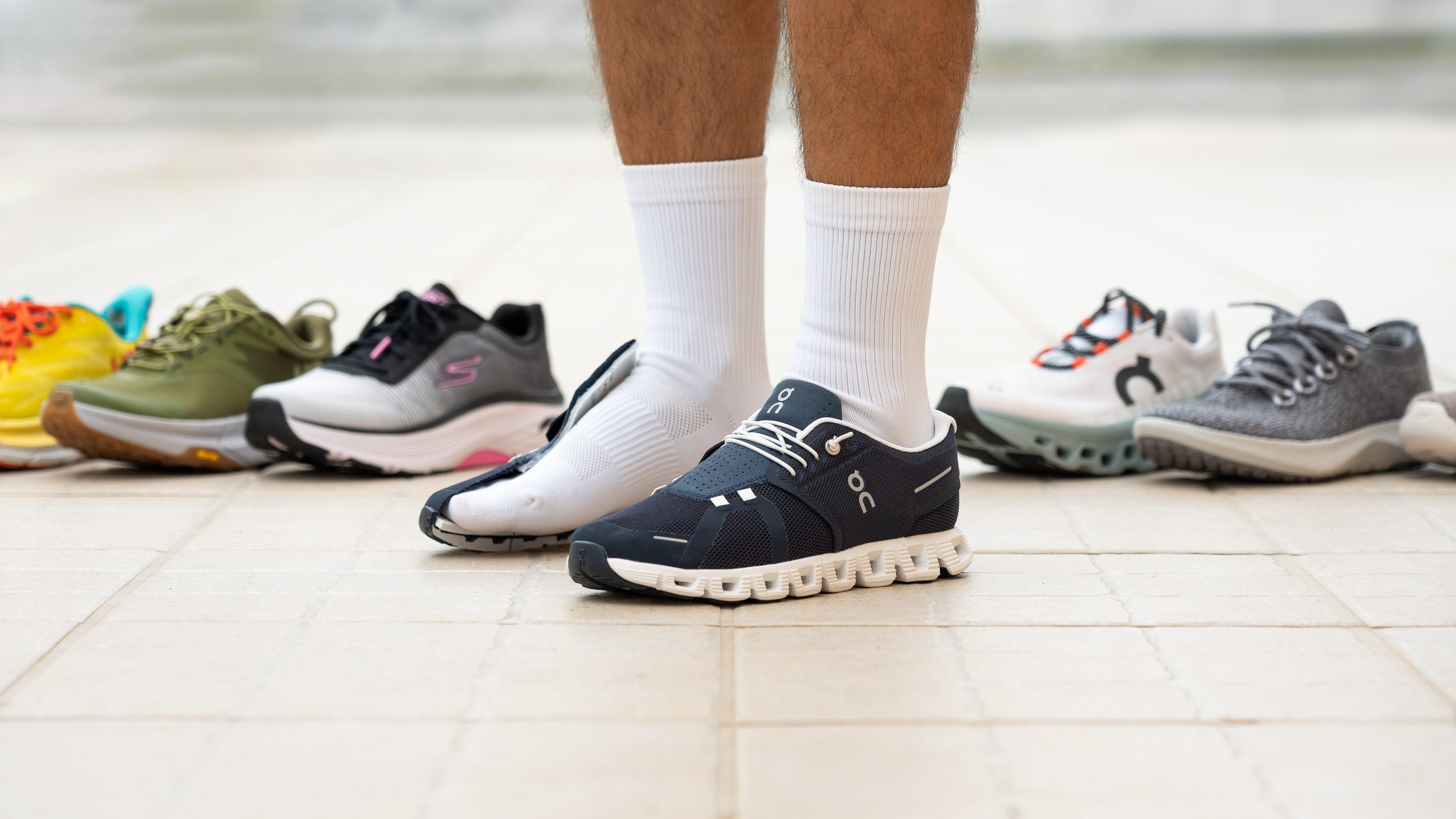
This philosophy applies directly to choosing your daily companion. Try on shoes with the socks you intend to wear, walk around the store, and trust the feeling of natural, unencumbered movement. Remember, the ultimate walking shoe is the one that disappears on your foot, allowing you to move through your day with forgotten feet and a focused mind.
The journey to effortless style and sustained comfort begins from the ground up. It is a choice to reject the false dichotomy between what feels good and what looks good. By embracing the engineered intelligence, the tailored fit, and the evolved aesthetics of the modern walking shoe, you equip yourself for the physical and social demands of contemporary life. This is not a purchase; it is an upgrade to your daily experience, a commitment to moving through the world with support, confidence, and undeniable ease. Let your steps be light, your style be sharp, and your foundation be unshakably comfortable.
