

The Walking Shoe: Your Secret to Effortless Style and All-Day Comfort
Imagine a shoe that doesn’t just sit in your closet, waiting for a specific occasion, but becomes a seamless extension of your daily life. It’s the first pair you reach for in the morning, the reliable companion through a bustling day of errands, a long urban exploration, or even a casual meeting. This isn’t a fantasy of a single, perfect product; it’s the attainable reality offered by the modern walking shoe. For too long, we’ve accepted a false dichotomy: style or comfort. We’ve endured pinched toes for the sake of a sleek silhouette or sacrificed aesthetics for orthopedic-looking soles. That era is over. Today’s walking shoe represents a sophisticated fusion of biomechanical engineering, material science, and thoughtful design, proving that you can, unequivocally, have both. This article isn’t about a fleeting trend; it’s about a fundamental shift in how we view footwear, positioning the versatile walking shoe as the cornerstone of a practical, comfortable, and inherently stylish wardrobe.
The Anatomy of All-Day Comfort: It’s More Than Just a Soft Sole
To understand why a proper walking shoe is revolutionary, we must dissect the science of comfort. Comfort is not a single sensation but a complex absence of negative stimuli—no pressure points, no blistering heat, no jarring impact. The human foot is a marvel of engineering, with 26 bones, 33 joints, and over a hundred muscles, tendons, and ligaments. According to biomechanics literature from institutions like the University of Calgary’s Human Performance Lab, the walking gait cycle involves a delicate sequence of heel strike, foot flat, mid-stance, heel-off, and toe-off. A shoe that fails to support this natural roll-through motion forces the body to compensate, leading to fatigue not just in the feet, but in the knees, hips, and lower back. The core of a great walking shoe lies in its midsole. Technologies like EVA (ethylene-vinyl acetate) foam, polyurethane, and advanced compounds like Brooks’ DNA LOFT or ASICS’ GEL provide cushioned shock absorption. However, cushioning alone is insufficient without stability. A study cited in the Journal of Orthopaedic & Sports Physical Therapy emphasizes the role of medial posts or dual-density foams in preventing overpronation—the excessive inward roll of the foot—which is a common source of discomfort for many. The upper, too, plays a critical role. Modern materials like engineered mesh offer targeted breathability and stretch, conforming to the foot’s shape without constriction, a principle often highlighted in footwear reviews on authoritative sites like Runner’s World. Therefore, the comfort of a walking shoe is a calculated symphony of cushioning, stability, and adaptive fit, working in unison to protect the intricate mechanics of your feet throughout the day.
Style Reimagined: From Gym to Street Without a Second Thought
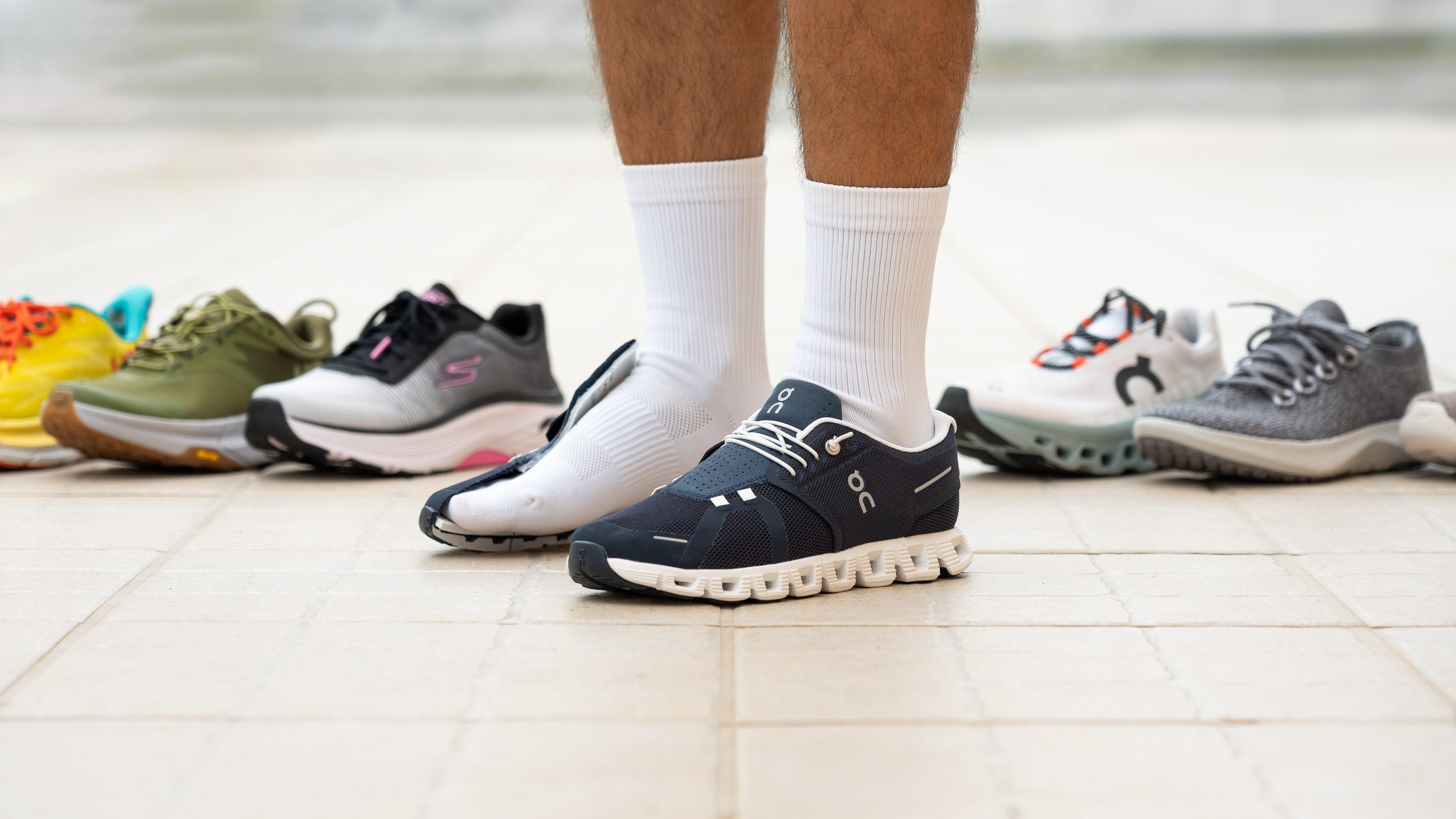
The historical stigma that comfortable shoes must be clunky or unattractive has been thoroughly dismantled by contemporary design. The evolution of the walking shoe mirrors broader trends in fashion towards “athleisure” and functional aesthetics. Designers have successfully translated the technical language of performance footwear into a visual vocabulary that speaks to urban style. Take, for instance, the clean lines of a classic white leather walking shoe, which echoes the minimalist ethos popularized by brands like Common Projects or Axel Arigato, but with the added benefit of a proprietary comfort sole. Or consider the sleek, monochromatic knit uppers that wouldn’t look out of place in a tech startup, yet house advanced arch support systems. This design philosophy is championed by figures like designer Tinker Hatfield, whose work for Nike famously blurred the lines between performance and culture, stating in interviews that “design should solve problems” without ignoring visual appeal. The walking shoe has become a canvas where function informs form. The raised heel counter isn’t just for stability; it creates a streamlined profile. The strategic use of suede, reflective details, or textured rubber outsoles adds visual interest while serving practical purposes. This seamless integration means you no longer need to pack an extra pair of shoes. The same pair that provides support during your 10,000-step day can transition effortlessly to a dinner outing, embodying a pragmatic and confident style that values well-being as a component of looking good.
The Economic and Practical Argument: One Investment, Infinite Returns
Viewing a premium walking shoe as an expense is a short-sighted perspective; in reality, it is one of the most cost-effective investments you can make in your daily life and long-term health. Consider the alternative: a wardrobe full of inexpensive, poorly constructed shoes that each serve only a narrow purpose. You have dress shoes for formal events, flimsy sneakers for the gym, and cheap flats for casual wear. Not only does this clutter your closet, but each of these specialized, often low-quality pairs may contribute to foot strain or injury over time. Podiatrists frequently note, in platforms like Quora or health blogs, that persistent wear of unsupportive footwear can lead to plantar fasciitis, metatarsalgia, and other chronic issues, the treatment for which far exceeds the cost of a single, well-made pair of shoes. A versatile, high-quality walking shoe consolidates these needs. It is the workhorse of your collection, reducing the wear and tear on your more delicate specialty footwear and extending their lifespan. Furthermore, the durability of materials used in reputable walking shoes—such as carbon rubber outsoles for longevity and high-tenacity yarns in uppers—means they withstand daily use far better than their fast-fashion counterparts. When you amortize the cost of a $120-$150 pair over two years of near-daily use and the potential health costs it helps you avoid, the value proposition becomes overwhelmingly clear. It is an investment in uninterrupted days, in pain-free mobility, and in the simple luxury of forgetting about your feet from morning until night.
Voices of Validation: From Laboratories to Red Carpets
The ascendancy of the walking shoe is not merely a marketing narrative; it is validated by a chorus of voices from diverse, credible fields. In the scientific realm, research from the Spaulding National Running Center at Harvard Medical School underscores the importance of proper footwear in reducing impact forces on joints, a principle that applies equally to walkers as to runners. On the cultural front, the shift is palpable. Fashion influencers and celebrities, once synonymous with impractical stilettos, are now frequently photographed and praised for their stylish yet sensible shoe choices. Actress and activist Emma Watson, known for her thoughtful public statements, has been quoted discussing the importance of comfort and practicality in her fashion choices, a sentiment that resonates with the walking shoe ethos. On YouTube, certified pedorthists and physical therapists with channels dedicated to foot health consistently review and recommend specific walking shoe models, breaking down their technical merits for millions of viewers. Even in literature and film, the archetype is shifting. The hyper-competent, mobile protagonist of modern stories is rarely hobbled by impractical footwear; their shoes are tools for their journey. These converging validations—from peer-reviewed journals to popular culture—create a powerful consensus: prioritizing foot health through intelligent footwear is a hallmark of both wisdom and modern style.

Making the Right Choice: A Guide to Finding Your Perfect Pair
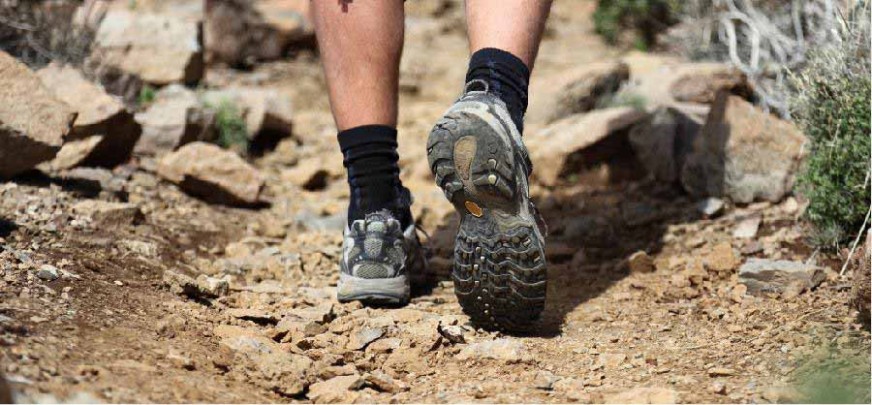
Understanding the “why” behind walking shoes naturally leads to the “how” of selecting your ideal pair. This process is deeply personal and should be guided by your unique biomechanics and lifestyle. First, analyze your gait. Many specialty running stores offer free gait analysis, which can identify if you have a neutral stride, overpronate, or underpronate (supinate). This will point you toward shoes with the appropriate level of stability or neutral cushioning. Second, consider the primary environment. Are you mostly on paved city streets, or do your walks include gravel paths or light trails? The outsole tread pattern should match your terrain for optimal grip and durability. Third, prioritize fit above all else. Your feet swell throughout the day, so shop for shoes in the afternoon or evening. There should be about a thumb’s width of space between your longest toe and the end of the shoe, and the widest part of your foot should align comfortably with the widest part of the shoe without feeling squeezed. Don’t be enslaved by your usual size; brand sizing can vary dramatically. Finally, align features with your needs. Do you require extra depth for orthotics? Is maximum cushioning a priority for hard surfaces? Do you value ultra-lightweight materials? Reputable brands provide detailed specifications for each model. Remember, the most expensive shoe is not necessarily the best for you. The goal is to find the tool that perfectly fits the task of your daily life, ensuring that every step is a testament to supported, effortless movement.
The journey toward effortless style and unwavering comfort begins with a single, deliberate choice: to reject the outdated compromise. The modern walking shoe stands as a testament to human ingenuity, a product category that has listened to the needs of our bodies and the demands of our lives. It is a piece of functional art that supports your physical well-being while silently affirming a pragmatic, confident approach to personal style. It whispers that you are someone who moves through the world with intention, who values experience over pretense, and who understands that true elegance is never painful. So, look down at your feet. Are they equipped for the life you’re living? Perhaps it’s time to take a step in a new direction—one where every step is a pleasure.
