

The Ultimate Guide to Tennis Shoes for Everyday Walking
For years, the idea of using tennis shoes for walking was met with skepticism. Walking shoes were for walking; running shoes for running; and tennis shoes for the court. This rigid categorization, however, is crumbling under the weight of practical experience and biomechanical insight. The modern athletic landscape reveals a compelling truth: a well-chosen pair of tennis shoes can be an exceptional, versatile companion for your daily strides. This guide isn’t about repurposing a specialized tool for a job it can’t handle. It’s about recognizing that the engineering principles behind a great tennis shoe—stability, cushioning, durability, and lateral support—align remarkably well with the demands of everyday ambulation. We will move beyond marketing labels and delve into the objective science of footwear, empowering you to make an informed choice that benefits your feet, your posture, and your wallet.
The Biomechanical Bridge: Why Tennis Shoes and Walking Are Compatible
To understand the suitability of tennis shoes for walking, we must first dissect the mechanics of both activities. Walking is a heel-to-toe, linear motion with one foot always in contact with the ground. It generates forces roughly 1.2 to 1.5 times your body weight with each step. Tennis, in contrast, involves explosive multi-directional movement—sudden starts, stops, cuts, and lateral slides—generating significantly higher shear and impact forces. The key lies in the design response. A quality tennis shoe is built to manage immense, unpredictable stress. Features like reinforced toe caps (for toe-dragging on serves), robust outsoles with herringbone or modified patterns for multi-surface traction, and substantial midfoot shanks or torsional stability bars are standard. For the walker, this translates to a shoe that offers superior durability in high-wear areas, exceptional stability against inadvertent ankle rolls on uneven sidewalks, and a level of structural integrity that far exceeds many lightweight walking-specific models. Dr. Casey Kerrigan, a former Harvard Medical School professor and gait analysis expert, has often highlighted in her research that excessive foot mobility can lead to joint stress. The structured, supportive nature of a tennis shoe inherently limits this excessive motion, providing a stable platform that can promote a more efficient and less taxing walking gait.

Deconstructing the Tennis Shoe: Key Features for the Walker
Not all tennis shoes are created equal for pedestrian use. We must look at specific components through the lens of walking efficiency.
Midsole Cushioning: EVA, Polyurethane, and Gel Technologies
The midsole is the heart of cushioning. Most tennis shoes utilize EVA (ethylene-vinyl acetate) foam or more durable polyurethane compounds. Brands like ASICS incorporate Gel cushioning pods in the heel and forefoot, which are viscoelastic polymers that absorb shock and dissipate impact energy vertically. For a walker, this means reduced stress propagating up through the heels, knees, and lower back. According to a biomechanics study cited by the University of Calgary’s Human Performance Laboratory, effective shock absorption is critical in preventing overuse injuries in repetitive activities like walking. The cushioning in a performance tennis shoe is often denser and more resilient than in a standard walking shoe, designed to withstand the pounding of hard courts over months, which translates to long-lasting comfort for the walker.
Outsole Design and Durability
The outsole pattern is a differentiator. Tennis shoe outsoles are made of non-marking, high-abrasion rubber like Michelin’s durable compound used by some brands. The tread pattern is designed for omnidirectional grip. For a walker, this provides confident traction on a variety of urban surfaces—concrete, asphalt, tile, or light gravel. The rubber compound’s hardness, measured on the Asker C scale, is tuned for durability. A walking-specific shoe might prioritize flexibility, but a tennis shoe’s outsole is built to resist wear from dragging and pivoting, meaning the tread under your forefoot and heel will last significantly longer, making tennis shoes for walking a cost-effective choice in the long term.
Upper Construction and Support
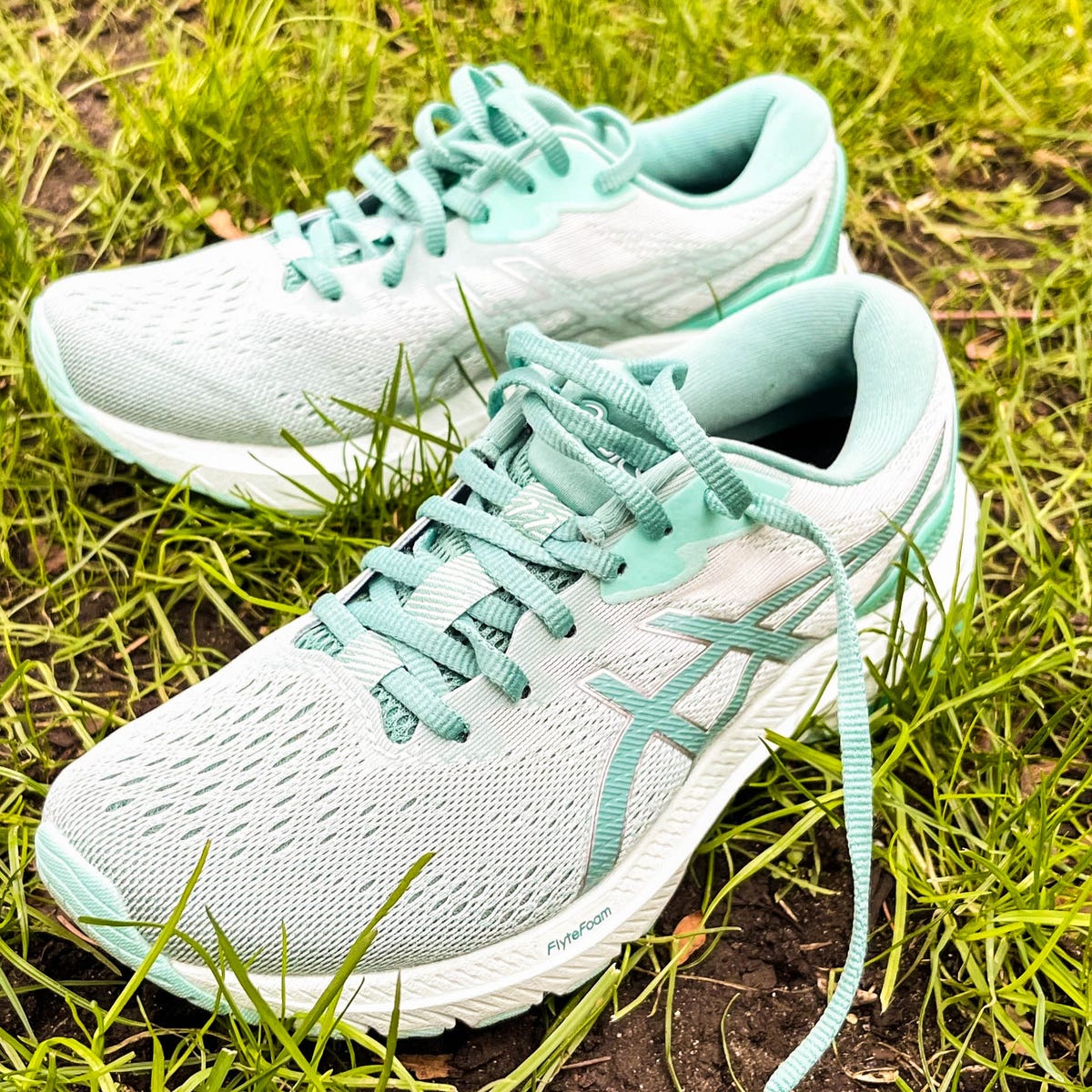
The upper of a tennis shoe is typically a fortress. You’ll find combinations of synthetic leather, thermoplastic polyurethane (TPU) overlays, and reinforced mesh. These materials are not just for show; they provide structured lockdown for the midfoot. In tennis, lateral movement is king, so the shoe’s medial and lateral sides are reinforced to prevent the foot from rolling over the edge of the sole—a feature known as a “footframe” or “dynamic support system.” For you, the everyday walker, this means unparalleled stability. If you’ve ever stepped off a curb awkwardly or navigated a sloped path, this built-in support system acts as a preventive guard against ankle sprains. It offers a feeling of security that minimalist or overly flexible walking shoes often lack.
Expert Voices and Contrarian Views: A Balanced Perspective
It’s crucial to address the counter-argument. Some podiatrists and traditionalists argue that the stiff build of a tennis shoe might inhibit the natural flexion of the foot during the walking gait cycle. They posit that a shoe designed for lateral stability might over-correct and limit the necessary pronation for shock absorption. This is a valid point for individuals with specific gait pathologies. However, for the majority with a neutral gait, the modern tennis shoe has evolved. Brands now incorporate flex grooves and articulated forefoot designs to ensure flexibility where it’s needed. As noted by renowned sports medicine specialist Dr. Nicholas A. Campitelli in various media interviews, “The best shoe is the one that fits your foot well, provides comfort for your specific activity, and addresses any individual biomechanical needs.” The blanket dismissal of tennis shoes for walking ignores the spectrum of designs available, from ultra-stable to more flexible models. A viewpoint from a popular Quora thread on footwear echoes this sentiment: “My ASICS Gel-Resolution tennis shoes have been my daily walkers for three years. The support cured my plantar fasciitis where dedicated walking shoes failed.” This anecdotal evidence, while not scientific, underscores the principle of individual fit and purpose.
A Curated Selection: Tennis Shoes That Excel on the Pavement
Let’s translate theory into practice. Here are categories of tennis shoes, from various brands, that have proven themselves as outstanding partners for walkers, often available at discounted prices through end-of-season sales or online retailers.
The All-Round Cushioned Cruiser
Look for models like the New Balance Fresh Foam Lav or the ASICS Gel-Court FF. These shoes often feature full-length foam midsoles designed for comfort during long matches. The cushioning is plush yet responsive, perfect for absorbing the constant impact of city walking. The uppers are generally more breathable mesh with strategic synthetics for support. You can frequently find previous versions of these models at 30-40% off as new colorways are released, bringing a premium walking experience into a very accessible price range.
:max_bytes(150000):strip_icc()/Web_1500-vwt-primary-best-overall-shoe-tstaples-118-671f4e0048e64d14a1c42e4f8d9e6658.jpg)
The Stability-Oriented Workhorse
If you value a firm, secure feel, consider shoes like the Adidas Barricade or the Nike Air Zoom Vapor Cage. These are built for aggressive players who need maximum support. For the walker with a tendency toward overpronation or who simply enjoys a “planted” feeling, these shoes are ideal. They feature wide bases, dual-density midsoles, and extensive external heel counters. While they might be slightly heavier, the trade-off is immense stability. Last year’s models of these performance beasts are often deeply discounted, offering professional-grade support for everyday use at a fraction of the original cost.
The Lightweight and Flexible Option
Not all tennis shoes are bulky. Models designed for speed and agility, such as the NikeCourt Lite or the K-Swiss Hypercourt Express, prioritize flexibility and low weight. They use thinner, more responsive foams and knit or engineered mesh uppers. These are excellent for walkers who find traditional shoes too restrictive and want a closer-to-ground feel while still benefiting from the outsole durability and toe protection inherent to tennis design. Their simpler construction also often means a lower initial price point.
:max_bytes(150000):strip_icc()/vwt-walking-shoes-test-ryka-devotion-x-sahara-borja-02-18807b688fbb49e4ba30a3ee438600cb.jpeg)
Making the Smart Choice: Your Personal Fitting Protocol
Armed with this knowledge, your final step is personalization. First, analyze your wear pattern. Look at an old pair of shoes. Is the heel worn evenly? Is the inside of the forefoot more worn? This indicates your pronation pattern. Second, shop in the afternoon when your feet are slightly swollen. Wear the socks you intend to walk in. When trying on tennis shoes for walking, pay attention to the “heel counter”—the back of the shoe. It should be firm and hold your heel snugly without slippage. There should be a thumb’s width of space between your longest toe and the end of the shoe. Finally, don’t just walk in a straight line in the store. Mimic a slight side-step or pivot. Feel how the shoe supports you. That lateral support is the secret weapon you’re buying. Remember, the goal is not to find a “walking shoe” labeled as such, but to find the shoe that provides the optimal combination of comfort, support, and durability for your unique stride.
The journey to finding the perfect everyday walking companion doesn’t require a passport to a specialized section of the footwear world. It requires a shift in perspective. By understanding the robust engineering, proven biomechanical benefits, and cost-effective longevity of a proper tennis shoe, you unlock a category of footwear meticulously designed to protect and propel you. The pavement, the park path, and the daily commute are simply another court—one where comfort, stability, and resilience are the ultimate winners. Embrace the versatility and make your next pair of tennis shoes for walking a deliberate, informed investment in every step you take.
