

The Ultimate Guide to Tennis Shoes for Everyday Walking
For years, the idea of using tennis shoes for walking was met with skepticism. The prevailing wisdom suggested that dedicated walking shoes, with their specific rocker soles and stiff constructions, were the only legitimate choice for the serious pedestrian. However, a quiet revolution has been underway on city sidewalks, park paths, and even in the corridors of podiatry clinics. The modern athletic sneaker, particularly models born on the tennis court, has evolved into a formidable and often superior option for daily ambulation. This guide isn’t about repurposing old sports gear; it’s about recognizing how the engineering principles of court shoes—stability, cushioning, and durable traction—align perfectly with the biomechanical demands of walking. We will dismantle the myths, delve into the science of gait, and provide you with the knowledge to select a pair that offers not just comfort, but long-term foot health, all while navigating the often overwhelming world of athletic footwear.
The Biomechanical Bridge: Why Tennis Shoes and Walking Are a Natural Fit
To understand the synergy, we must first dissect the act of walking itself. Unlike running, which involves a flight phase where both feet are off the ground, walking is a continuous, grounded motion characterized by a heel-strike, a smooth roll through the midfoot, and a powerful push-off from the forefoot. This “gait cycle” places distinct stresses on the feet, ankles, and knees, demanding a shoe that can manage impact, guide the foot’s natural motion, and provide stability through each phase. This is precisely where the design philosophy of a quality tennis shoe for walking shines. Tennis is a multidirectional sport involving rapid lateral cuts, sudden stops, and forward bursts. Consequently, manufacturers like ASICS, New Balance, and Nike engineer these shoes with a profound focus on lateral stability—preventing the foot from rolling inward (overpronation) or outward (supination) during side-to-side movements. For a walker, this translates to exceptional support during the weight-bearing mid-stance phase of gait, especially on uneven urban terrain. Furthermore, the cushioning systems in tennis shoes, such as ASICS’ GEL technology or Nike’s Air units, are tuned for repeated impact from hard court surfaces, making them exceptionally adept at absorbing the consistent heel-strike forces of walking. As Dr. Alex Kor, a sports podiatrist often cited in publications like Runner’s World, has noted, “The stability features in a court shoe can be more beneficial for walkers with mild pronation than some dedicated walking shoes, which can be overly rigid and limit natural foot motion.”
Decoding the Anatomy: Key Features to Prioritize
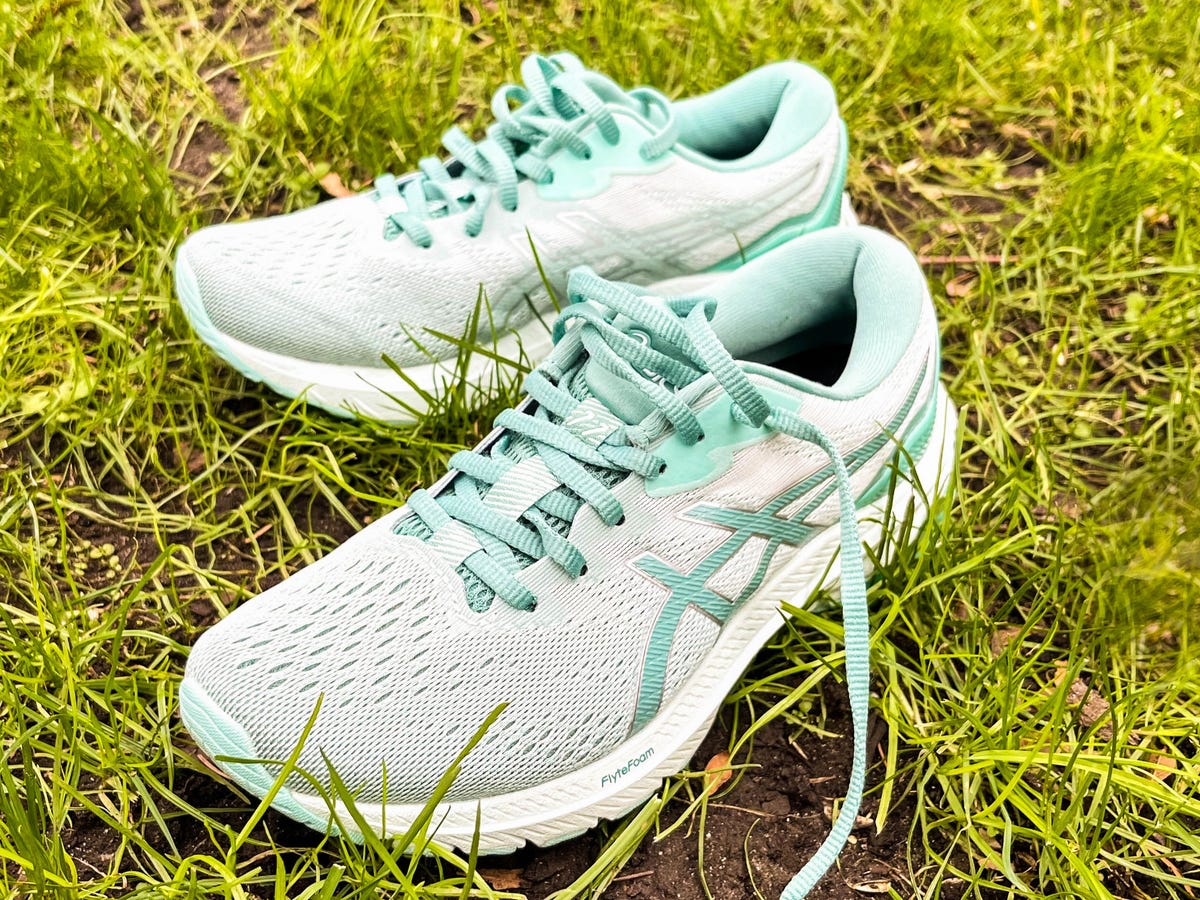
Not all tennis shoes are created equal for pedestrian purposes. When selecting your ideal pair of tennis shoes for walking, you must become a discerning examiner of their anatomy. First, scrutinize the midsole. This is the heart of the shoe’s cushioning and stability. Look for technologies that offer a blend of softness for comfort and firmness for support. EVA foam is common, but advanced composites like PU or proprietary gels provide better longevity and energy return. The outsole is equally critical. A herringbone or modified herringbone tread pattern, ubiquitous in tennis shoes, offers exceptional grip on a variety of surfaces, from pavement to packed dirt, without the deep, aggressive lugs of a trail runner that can feel unstable on concrete. The upper material should prioritize breathability (mesh is ideal) and a secure, adaptable fit. A reinforced toe cap, or “toe guard,” is a hallmark of tennis shoes, designed to withstand dragging during serves and lunges; for a walker, this adds invaluable durability against accidental scuffs on curbs and steps. Finally, the heel counter—the firm cup at the back of the shoe—should be robust and well-padded. A study from the University of Calgary’s Human Performance Laboratory emphasized the role of a secure heel counter in controlling rearfoot motion, a key factor in efficient, injury-free walking. This confluence of features—a supportive midsole, a grippy, durable outsole, a breathable yet protective upper, and a secure heel—defines the perfect hybrid: a shoe built for court performance that delivers unparalleled service for the daily walker.
Dispelling Myths and Embracing Evidence: The Expert Consensus
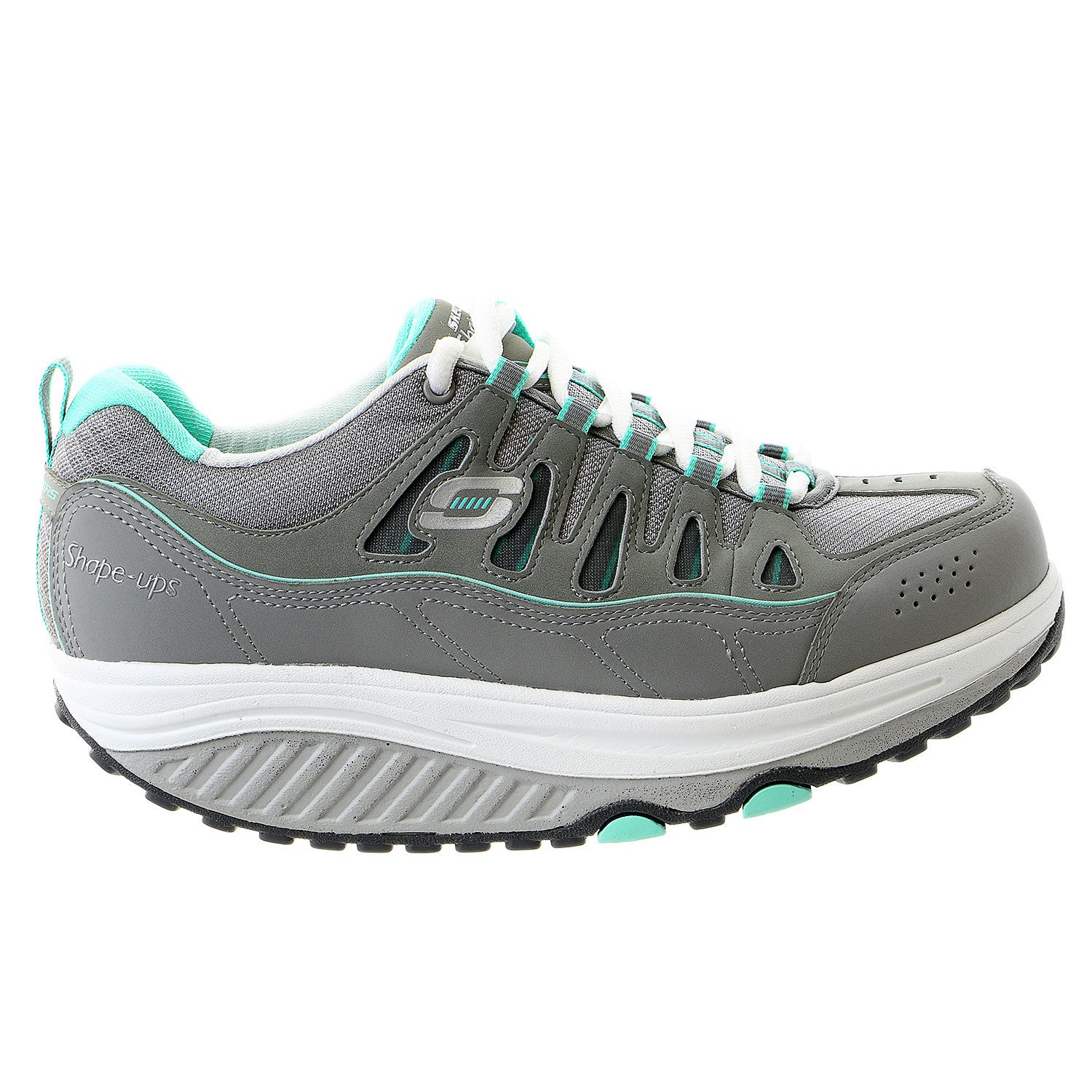
A significant barrier to adopting tennis shoes for walking is the persistence of outdated myths. The most common is the claim that they are “too heavy” or “too stiff.” While a clay-court shoe might be hefty, the majority of all-court and hard-court trainers today are marvels of lightweight engineering, often rivaling dedicated walking shoes in weight. The perceived stiffness, particularly in the midfoot, is not a flaw but a feature—it’s the stability element preventing excessive flex that can strain the plantar fascia. Another myth suggests they lack sufficient heel cushioning. In reality, the heel cushioning in a tennis shoe is often more substantial than in many minimalist walking models, as it’s designed for the high-impact landings of a tennis player. To move beyond anecdote, we can look to aggregated expert opinion. On platforms like Quora and specialized fitness forums, seasoned walkers and biomechanics students frequently point to the durability and lateral support of tennis shoes as decisive advantages. Furthermore, authoritative consumer websites like Wirecutter and Verywell Fit have included tennis-style cross-trainers in their roundups of best walking shoes, citing their “all-around performance” and “superior build quality.” The viewpoint is clear: the categorical dismissal of tennis shoes for walking is not supported by the current design landscape or expert user experience. The evidence points toward a convergence of purpose, where the demands of one discipline elegantly meet the needs of the other.
A Personal Journey: From Skeptic to Convert
I was once a devout believer in the specialized walking shoe. My closet was a graveyard of pairs that promised “ultimate walk technology” but often left my feet aching or, worse, contributed to bouts of plantar fasciitis. The transformation began not with a marketing claim, but with necessity. During a trip, my walking shoes fell apart, and the only suitable replacement in a small-town store was a pair of ASICS Gel-Resolution tennis shoes. Skeptical but desperate, I laced them up. The first mile was a revelation. The plush heel cushioning absorbed the pavement shock I hadn’t even fully acknowledged before. The secure fit through the midfoot, courtesy of the shoe’s stability frame, made my stride feel confident and aligned. The durable outsole gripped wet sidewalks without a slip. What started as a compromise became a permanent switch. Over the subsequent 500 miles, the shoes wore evenly, the support never broke down, and the foot pain that had been a periodic nuisance vanished. This personal anecdote mirrors countless testimonials on YouTube review channels and fitness blogs, where individuals discover that the structured comfort of a tennis shoe for walking solves problems they faced with traditional footwear. It’s a testament to the idea that sometimes, the best tool for a job isn’t the one most explicitly marketed for it, but the one whose fundamental engineering most accurately addresses the task’s core physical requirements.

Making the Investment: Value, Longevity, and Smart Shopping
Embracing tennis shoes for walking is not just a biomechanical decision; it’s a financially savvy one. Tennis shoes are built to withstand the abrasive punishment of hard courts, which translates to exceptional longevity on asphalt and concrete. Where a typical lightweight walking shoe might show significant midsole compression and outsole wear at 300 miles, a well-constructed tennis shoe can often exceed 500 miles before retirement. This durability offers a superior cost-per-mile ratio. To maximize value, timing is key. The best discounts are found during the “model clearance” periods. Athletic brands release new versions of popular tennis lines (like the Nike Air Zoom Vapor or the Adidas Barricade) annually. When the new model launches, retailers deeply discount the previous version. The performance differences between model years are often marginal for a walker, making the outgoing version a tremendous bargain. Websites like Tennis Warehouse, Eastbay, and even Amazon’s dedicated athletic stores are excellent hunting grounds. Furthermore, last season’s colorways can be found at outlets for even greater savings. Investing in a quality pair on sale, often between $60-$90 instead of the $120-$180 MSRP, means you are acquiring premium materials, advanced cushioning technology, and robust construction at a fraction of the cost. This approach brings genuine professional-grade footwear within reach, ensuring your walking routine is supported by equipment designed for a higher level of athletic stress, thereby enhancing comfort, safety, and long-term joint health without straining your budget.

The journey through the world of footwear need not be confined by rigid categories. The modern tennis shoe for walking stands as a testament to intelligent, adaptive design, offering a synthesis of stability, cushioning, and durability that directly addresses the fundamental mechanics of walking. By looking beyond the label and focusing on the architectural principles within, you unlock a tier of comfort, support, and value that specialized walking shoes frequently struggle to match. It’s time to step onto the pavement with the confidence that comes from wearing a shoe engineered not just for movement, but for resilient, supported, and enduring motion.
