

The Ultimate Guide to Effortless Elegance and Versatile Styling
Elegance is not about being noticed; it is about being remembered. It is a quiet confidence, a sense of harmony between the wearer and the garment, an unspoken language of quality and intention. In a world saturated with fleeting trends, cultivating a personal style that feels both effortless and versatile is the ultimate sartorial achievement. This guide moves beyond the superficial to explore the foundational principles of building a wardrobe that works for you, not against you. We will dissect the concept of “effortless elegance” from psychological, aesthetic, and practical angles, providing you with the tools to make informed, confident choices. The journey begins not with a shopping spree, but with a shift in perspective—from chasing fashion to understanding style.
Deconstructing Effortless Elegance: More Than a Feeling
The phrase “effortless elegance” often conjures images of a woman who looks impeccably put-together with seemingly no try. However, this perception is a carefully curated illusion. Psychologically, what we perceive as effortless is often the result of highly refined systems and deep self-knowledge. As fashion psychologist Dr. Dawnn Karen, founder of the Fashion Psychology Institute, posits, our clothing choices are a form of “situated cognition,” influencing not only how others perceive us but also our own cognitive processes and emotional states. Therefore, effortless elegance is a feedback loop: you choose clothes that make you feel capable and composed, and that internal state projects an external aura of ease. From an aesthetic standpoint, it aligns closely with the principles of minimalist design championed by figures like Dieter Rams: less but better, clarity, and longevity over novelty. This philosophy is echoed in the wardrobes of style icons such as Carolyn Bessette-Kennedy, whose legacy is built on a palette of neutral tones, impeccable tailoring, and a rejection of superfluous detail. Her style, often analyzed in publications like Vogue, demonstrates that true impact comes from silhouette, fabric, and fit, not from logos or loud prints. It is a style that communicates substance.
The Cornerstone of Versatility: The Strategic Wardrobe Edit
Versatility is the engine of effortless styling. A versatile item is one that can traverse multiple contexts—from a business meeting to a casual dinner—without losing its integrity. Building this foundation requires a strategic edit, often visualized through the “capsule wardrobe” concept. This approach, popularized by stylists like Susie Faux in the 1970s and later by Donna Karan with her “Seven Easy Pieces,” advocates for a limited collection of interchangeable, high-quality essentials. The goal is to maximize outfit permutations while minimizing decision fatigue, a concept supported by literature from authoritative institutions like Harvard Business Review, which links simplified decision-making in one area (like clothing) to improved willpower and cognitive resource management in others. Your starting point should be a palette of neutral foundations: black, white, navy, cream, and grey. Into this mix, introduce what I call “bridge tones”—colors that add depth without clashing. A perfect example is a rich, wearable hue like chocolate brown. It is warmer than black, more sophisticated than beige, and pairs seamlessly with every other neutral. The key to versatility lies in the cut and fabric. Seek out pieces with clean lines, minimal hardware, and natural fibers like wool, silk, cotton, and linen. These materials not only wear better but also possess a inherent aesthetic dignity that synthetics often struggle to replicate.
The Power of a Signature Element: Chocolate Brown Heels
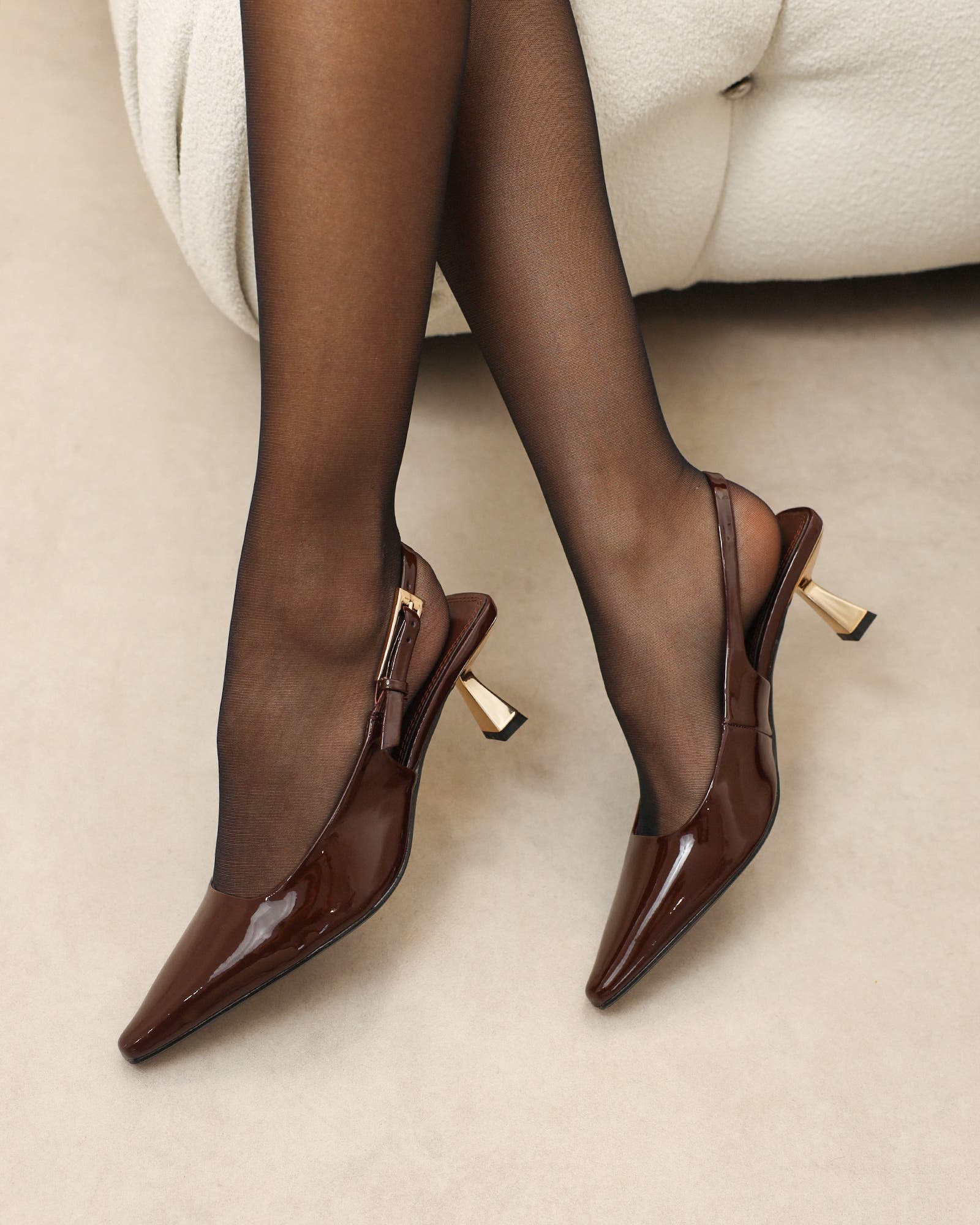
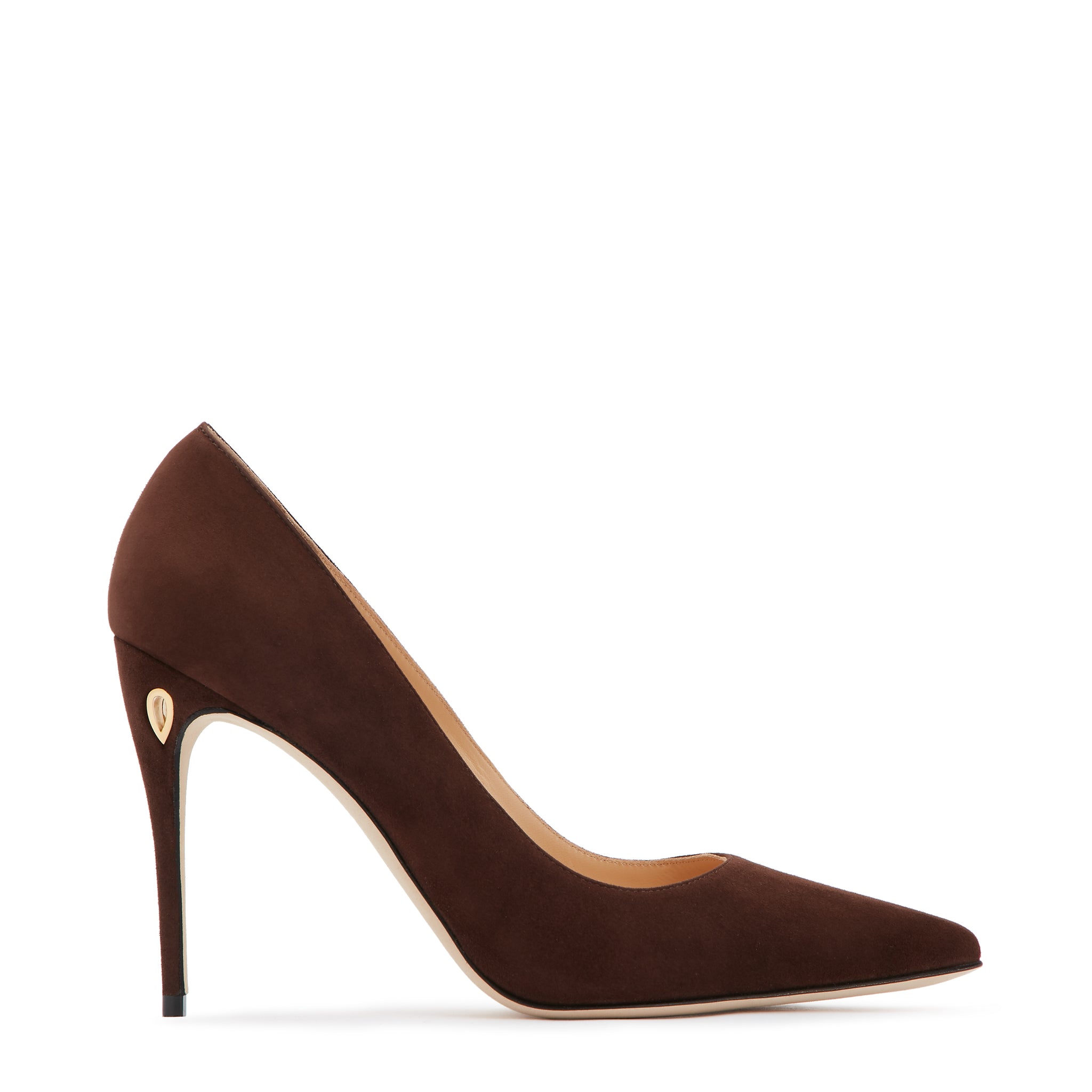
Within a curated wardrobe, certain items ascend from mere accessories to become signature pieces—heroes that anchor and elevate countless looks. For me, and for many stylists advocating for strategic pops, this role is perfectly fulfilled by a pair of chocolate brown heels. Why this specific item? Color theory provides the first clue. Chocolate brown is an earth tone, psychologically associated with stability, reliability, and warmth. It is a neutral, but a deeply resonant one. As noted on platforms like Quora and in design textbooks, it complements cool tones (like navy and grey) by adding warmth and harmonizes with warm tones (like cream and camel) by adding depth. This makes it exponentially more versatile than a standard black pump in creating nuanced outfits. Secondly, the heel itself represents a balance between formality and approachability. A classic pump or a sleek block heel in this color can ground a tailored trouser suit with authority, yet also soften a floral midi dress for a weekend brunch. The chocolate brown heels become a through-line in your style narrative. As fashion influencer and author Aimee Song often highlights on her platforms, investing in a singular, exceptional pair of shoes that you love is more impactful than owning ten mediocre pairs. They become a familiar, confidence-boosting constant in an ever-changing wardrobe landscape.

The Science of Silhouette and Proportion
Effortless elegance is deeply rooted in the conscious manipulation of silhouette and proportion, principles drawn directly from the formal study of art and design. The golden ratio, approximately 1:1.618, is a mathematical relationship found in nature and classical art that is inherently pleasing to the human eye. While we don’t need a ruler to get dressed, understanding this concept helps explain why certain outfits “work.” The goal is to create a balanced, elongated line. This can be achieved through tactics like the “third rule”: visually dividing your body into thirds rather than halves (e.g., a cropped top with high-waisted, wide-leg pants). This principle is frequently employed by designers like Phoebe Philo, whose tenure at Céline was defined by a masterful, intellectual play with volume and line. From a practical styling perspective, this means understanding your own body’s architecture and dressing to highlight its strengths. A well-placed seam, a waist defined by tailoring rather than constriction, or a hemline that hits at the slimmest part of your calf—all these are applications of proportional science. It’s not about adhering to arbitrary “rules,” but about using visual cues to create harmony. For instance, pairing a voluminous sweater with a streamlined skirt and those aforementioned chocolate brown heels creates a balanced, intentional look that feels modern and cohesive.
Texture: The Silent Language of Luxury
If color and silhouette speak, then texture whispers. It is the tactile dimension of style that separates a flat, uninteresting outfit from one with depth and sophistication. Engaging multiple textures within a single, monochromatic or tonal look is a hallmark of advanced styling. Consider the rich dialogue between materials: the soft nubuck of a handbag against the crisp poplin of a shirt, the heavy drape of wool crepe trousers against the fine gauge of a merino knit. Introducing a pair of chocolate brown heels in suede, for example, instantly adds a layer of tactile interest to an outfit built on smooth silks or flat cottons. This interplay is a technique often showcased in the films of Sofia Coppola, where the costuming tells a story of nuanced, understated wealth and sensibility through fabric choice more than through obvious branding. As stated in the textile literature from universities like the Fashion Institute of Technology, the hand-feel and behavior of a fabric communicate its quality and origin. Prioritizing natural fibers isn’t just an aesthetic choice; it’s a functional one. They breathe, adapt to your body temperature, and age with a graceful patina that polyester simply cannot replicate. Mastering texture allows you to create visually compelling outfits even within a restrained color palette, ensuring you look and feel considered.

From Theory to Practice: Building Your Versatile Arsenal
Understanding the principles is one thing; applying them is another. Let’s translate theory into a practical, actionable wardrobe strategy. Begin with an audit. Remove everything from your closet and assess each item against three criteria: Fit, Function, and Joy. Does it fit you impeccably now? Does it serve a clear function in your lifestyle? Does it spark genuine joy or confidence? This method, inspired by Marie Kondo’s foundational work but applied with a stylistic lens, clears the mental and physical clutter. Next, identify your core essentials. For most, this includes: a tailored blazer, a perfect white shirt, a fine-gauge sweater, straight-leg trousers, a dark-wash denim, a little black dress (or its alternative, a little brown dress), and a quality leather bag. Into this framework, you integrate your versatile heroes and “bridge” pieces. This is where strategic investment meets smart shopping. Seek out brands that prioritize craftsmanship over trend cycles. Look for sales on timeless items—end-of-season is often the best time to buy classic wool coats or leather boots, not flashy trends. Remember, versatility is an investment that pays daily dividends. A single, well-cut blazer can be worn for years across seasons, making its cost-per-wear negligible compared to a cheap, trendy jacket worn only a handful of times.
The Ultimate Test: A Week of Effortless Outfits
To illustrate the power of this system, imagine a week styled from a tightly edited wardrobe. Monday’s presentation calls for authority: the tailored trousers, the perfect white shirt, and the blazer, grounded with those reliable chocolate brown heels. Tuesday is a creative workday: dark denim, the fine-gauge sweater, and the same heels, but with a statement necklace to shift the mood. Wednesday’s dinner date: the little black dress, but instead of black pumps, you choose the chocolate brown heels and a matching suede clutch for a warmer, more unexpected elegance. Thursday is errands and lunch: the trousers paired with a simple tee and loafers, the blazer casually draped over shoulders if needed. Friday night out: a silk camisole, the straight-leg jeans, and heels again. The variables change, but the foundational pieces—and your signature elements—create a coherent, confident style story. This approach demystifies getting dressed. It is not about having a vast collection, but about having a precise one. As the saying often attributed to Coco Chanel goes, “Before you leave the house, look in the mirror and take one thing off.” The essence of effortless elegance is subtraction, not addition.
Your Style, Your Signature
The pursuit of effortless elegance and versatile styling is, ultimately, a pursuit of self-knowledge. It is a process of identifying what makes you feel most authentically yourself, then refining the tools to express that self consistently and confidently. It rejects the noise of fast fashion in favor of a personal, lasting aesthetic. It understands that a pair of chocolate brown heels is more than just footwear; it is a strategic component in a larger system of design and expression. By embracing the principles of a curated palette, proportional harmony, and textural dialogue, you build not just a wardrobe, but a personal brand that communicates clarity, intention, and quiet confidence. Start with the edit, invest in the cornerstone, and let your style become a seamless, effortless extension of who you are.
