

The Best Tennis Shoes for Walking Comfort and Fashion
In the realm of footwear, a quiet revolution is underway. The lines between dedicated athletic gear and everyday fashion are blurring, and at the forefront are tennis shoes for walking. No longer confined to the court, these shoes have evolved into a hybrid marvel, offering the support needed for prolonged ambulation and the aesthetic appeal demanded by contemporary style. This isn’t about compromising one for the other; it’s about a synthesis where biomechanical science meets design intelligence. The right pair can transform your daily commute, your weekend explorations, and your urban adventures, proving that you don’t have to sacrifice your feet at the altar of fashion, nor your style at the bench of orthopedics. We are moving beyond the old dichotomy, embracing footwear that understands the multifaceted nature of modern life.
The Anatomy of Comfort: Deconstructing the Walking Tennis Shoe
To appreciate why certain tennis shoes for walking excel, we must dissect their anatomy. The foundation is the midsole, typically crafted from advanced materials like EVA (ethylene-vinyl acetate) foam, polyurethane, or proprietary compounds such as Adidas’s Boost or Nike’s React. According to biomechanics literature from institutions like the University of Calgary’s Human Performance Laboratory, the primary role of the midsole is shock attenuation—dissipating the ground reaction forces that travel up the skeletal system with each heel strike. A study cited in the Journal of Orthopaedic & Sports Physical Therapy emphasizes that effective cushioning reduces peak loading rates, which is crucial in preventing stress-related injuries during repetitive activities like walking. The outsole, often made of durable carbon rubber or blown rubber, provides traction and flexibility. The tread pattern, inspired by original tennis designs, offers multi-directional grip suitable for varied urban terrains, from pavement to park paths. The upper, now frequently employing engineered mesh, provides breathability and a adaptive fit, cradling the foot without constriction. This scientific construction is what separates a true walking-adapted tennis shoe from a casual sneaker, making the former a tool for sustained comfort.

Fashion Forward: From Court Classic to Street Staple
The cultural journey of the tennis shoe is a testament to its stylistic resilience. What began as functional footwear for lawn tennis in the late 19th century has become a global fashion icon. This transition is powerfully illustrated in popular culture. The 2016 documentary Fresh Dressed traces how sneakers, including tennis models, became central to hip-hop identity and streetwear. Similarly, the film King Richard, while focusing on the Williams family, subtly underscores the prestige associated with tennis attire. Fashion critics from websites like Highsnobiety and Business of Fashion frequently analyze the “athleisure” trend, noting that designers are deliberately borrowing from performance tennis silhouettes for their collections. The clean lines, iconic logos (like the Adidas Stan Smith’s profile or the Nike Air Max 1’s window), and versatile colorways of classic tennis shoes for walking provide a neutral canvas that complements both tailored trousers and casual denim. As style commentator Tim Blanks once noted, “The best fashion speaks to the moment, and our moment demands versatility and authenticity—qualities inherent in a well-designed tennis shoe.” This sartorial legitimacy means your footwear choice is no longer just about comfort; it’s a conscious style statement.
Critical Features for the Urban Walker: A Buyer’s Guide
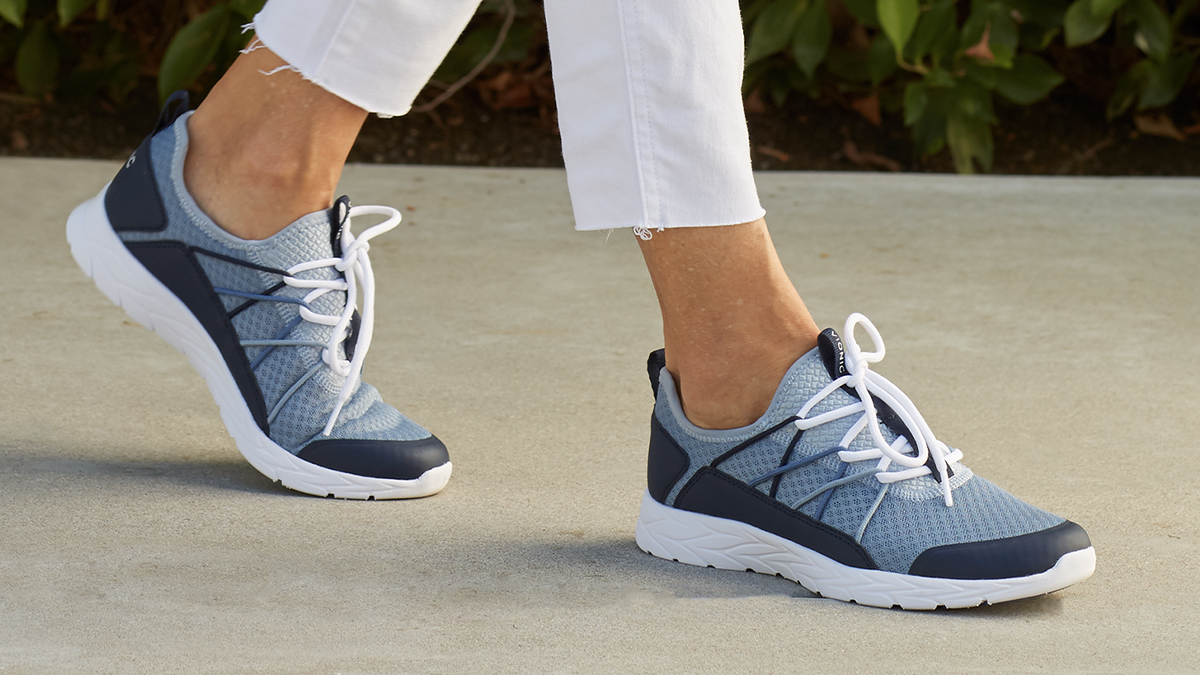
Selecting the ideal pair requires moving beyond brand names and focusing on specific features that align with the biomechanics of walking. First, consider heel-to-toe drop. Podiatrists contributing to resources like the American Podiatric Medical Association’s guidelines suggest that a moderate drop (between 6mm to 10mm) can facilitate a natural gait cycle for most walkers, easing strain on the Achilles tendon. Second, arch support is non-negotiable. Whether you have neutral arches, flat feet, or high arches, the insole or the shoe’s inherent structure should provide congruent support to prevent overpronation or supination. Third, toe box room is paramount. As noted by renowned long-distance walker and author Ray Zahab in his online dispatches, “Your feet will swell and splay with miles. A cramped toe box is a recipe for blisters and black toenails.” Fourth, weight matters. A lighter shoe reduces the energy cost of each step, a principle supported by research in locomotion economics. Finally, look for reflective elements for low-light safety and quality materials that promise durability. A true tennis shoes for walking investment balances these functional elements seamlessly.
Expert Voices and Endorsements: Why It Matters
Objective validation often comes from trusted voices. Celebrity trainer Harley Pasternak, in a YouTube segment on everyday health, explicitly recommended specific tennis-inspired shoes for clients who walk extensively in the city, praising their stability platform. On Quora, a podiatrist with over a decade of clinical experience wrote a detailed answer comparing the medial support in various tennis-style walking shoes, providing an evidence-based perspective often missing from marketing copy. Furthermore, universities with strong sports science programs, such as the University of Oregon’s Bowerman Sports Science Clinic, publish findings on footwear impact, lending academic weight to design choices. Even historical figures chime in indirectly; the Roman poet Juvenal’s famous dictum “Mens sana in corpore sano” (a sound mind in a sound body) finds modern expression in choosing footwear that protects the body’s foundation. These expert insights cut through commercial noise, guiding us toward choices that are scientifically and practically sound.
Maximizing Value: Performance Meets Affordability
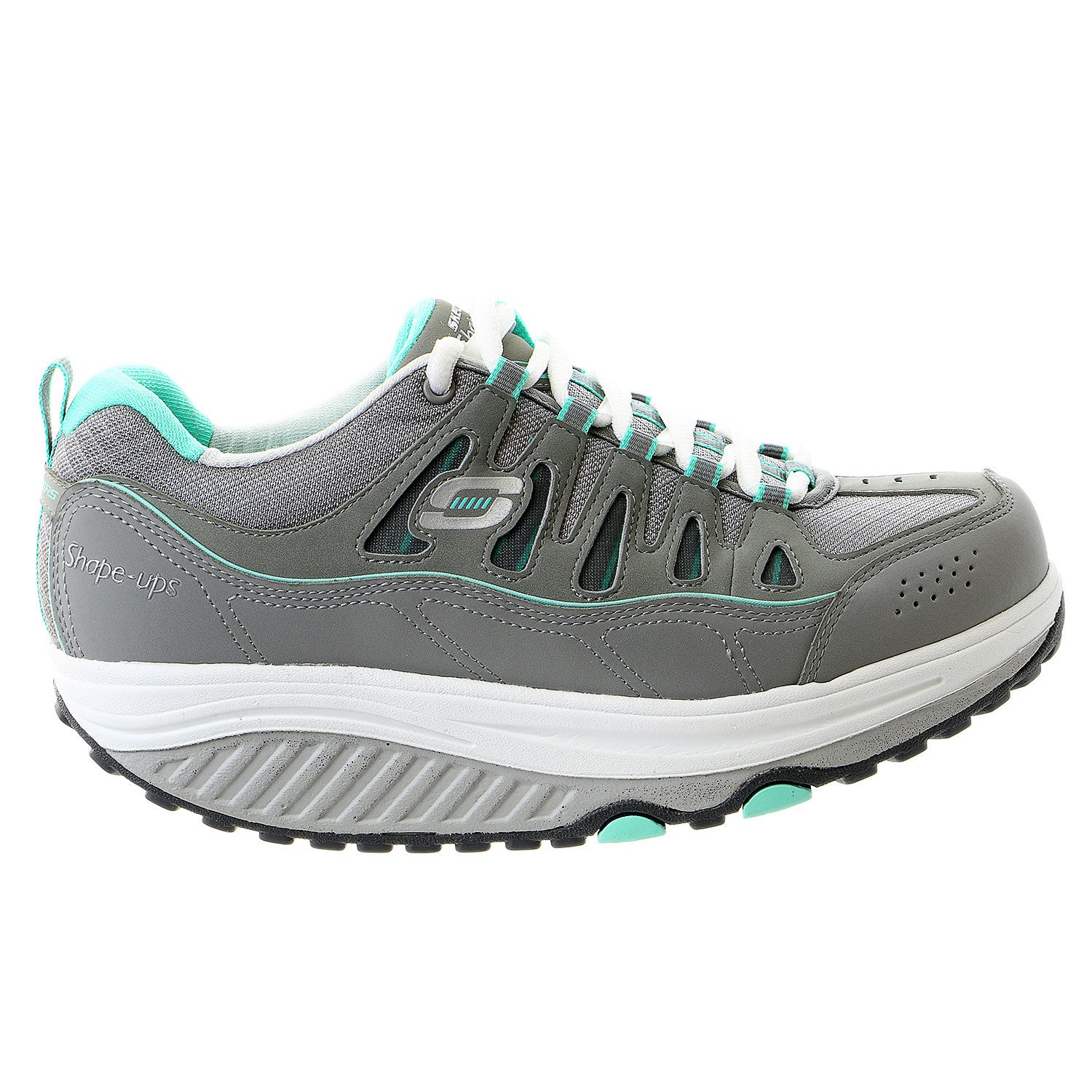
Investing in your foot health doesn’t necessitate exorbitant spending. The market for tennis shoes for walking is rich with value. Many direct-to-consumer brands offer premium materials and construction at lower price points by bypassing traditional retail markups. Furthermore, last season’s colorways of flagship models from major brands often see significant discounts—sometimes 30-50% off—without any compromise on the core technology. Outlet stores and certified online retailers frequently run sales, especially during seasonal transitions. It’s also wise to consider the cost-per-wear metric. A $120 pair worn 300 times a year costs 40 cents per wear and is a far better value than a $60 pair that causes discomfort and needs replacing in six months. Some brands even offer subscription models or loyalty programs that provide members-first access to sales. The key is to identify the features you truly need—perhaps you prioritize cushioning over extreme durability—and seek out the model that delivers those at the most competitive price, proving that smart shopping is the final component of the perfect purchase.

The search for the perfect urban companion ends not with a choice between comfort and style, but with the recognition of their union in the modern tennis shoes for walking. This footwear category stands as a solution engineered for real life, where a day can transition from a morning walk to a business meeting to an evening out without a change of shoes. By understanding the science behind their construction, appreciating their design lineage, heeding expert advice, and shopping strategically, you equip yourself with more than just shoes—you gain a tool for enhanced mobility and confident expression. Let your next step be taken in a shoe that was designed for every step that follows.
