

Step Into Comfort and Style with Vionic Walking Shoes
For years, the quest for the perfect walking shoe felt like a compromise. You could have cushioning that felt like walking on clouds, but the shoe looked like a medical device. You could find a sleek, stylish design, but your feet would ache after a mere city block. This pervasive either-or dilemma in footwear is rooted in a fundamental misunderstanding of what our feet truly need. The human foot is a complex architectural marvel, comprising 26 bones, 33 joints, and over 100 muscles, tendons, and ligaments. When we encase this intricate structure in a shoe that prioritizes only aesthetics or only a generic notion of “softness,” we disrupt its natural biomechanics. The result isn’t just discomfort; it can lead to a cascade of issues from plantar fasciitis and knee pain to poor posture. The breakthrough comes not from choosing between comfort and style, but from a design philosophy that sees them as inseparable. This is where the vionic walking shoe enters the narrative, engineered from the ground up to support the foot’s natural alignment while delivering contemporary style. It represents a paradigm shift, proving that scientific podiatric principles can be seamlessly woven into footwear you genuinely want to wear.
The Foundation: Biomechanics and the Science of Walking
To appreciate what sets a specialized walking shoe apart, we must first understand the science of gait. Walking is a controlled fall, a repeated cycle of heel strike, midstance, and toe-off. Each phase places specific demands on the foot’s structure. A neutral foot efficiently absorbs shock and propels the body forward. However, many people experience overpronation (the foot rolling inward excessively) or supination (rolling outward), which can throw the entire kinetic chain—ankles, knees, hips, back—out of alignment. The American Podiatric Medical Association (APMA) emphasizes that proper footwear is a cornerstone of foot health, acting as a critical interface between the body and the ground. Dr. Andrew Shapiro, a spokesperson for the APMA, has noted, “Shoes that lack adequate arch support and motion control can contribute to a variety of musculoskeletal problems.” This isn’t mere opinion; it’s a conclusion drawn from decades of clinical observation and biomechanical research at institutions like the University of Virginia’s Motion Analysis Laboratory. The goal of biomechanically sound footwear is not to rigidly immobilize the foot, but to guide it through a more efficient, natural path of motion, reducing strain on soft tissues and joints. This scientific perspective forms the non-negotiable core of functional footwear design.

Decoding the Vionic Difference: More Than Just an Insole
Many brands offer “arch support” as an afterthought—a slight bump in the midsole. Vionic’s approach is fundamentally different, built upon the patented Vio-Motion Support technology. This isn’t a single component but an integrated system that encompasses a deep heel cup, a precisely contoured arch, and a forefoot rocker. The deep heel cup stabilizes the calcaneus (heel bone), preventing excessive lateral movement that can lead to Achilles tendonitis. The arch support is biomechanically calibrated to match the natural curvature of a healthy foot, providing sustained proprioceptive feedback that encourages proper alignment from the ground up. Perhaps most ingeniously, the forefoot rocker facilitates the toe-off phase of gait, reducing the effort required from the calves and plantar fascia. This technology was born from the work of podiatrist Dr. Phillip Vasyli, whose clinical practice revealed the limitations of off-the-shelf orthotics. He envisioned a solution built into the shoe itself. As noted in resources like the Journal of Foot and Ankle Research, such functional footwear can significantly reduce pain and improve function in individuals with plantar fasciitis. When you slip on a vionic walking shoe, you are not just putting on a shoe; you are engaging with a wearable orthotic system designed by podiatrists. The difference is palpable from the first step—a feeling of secure, active support rather than passive cushioning.

Style Liberated: No More “Sensible Shoe” Stereotypes
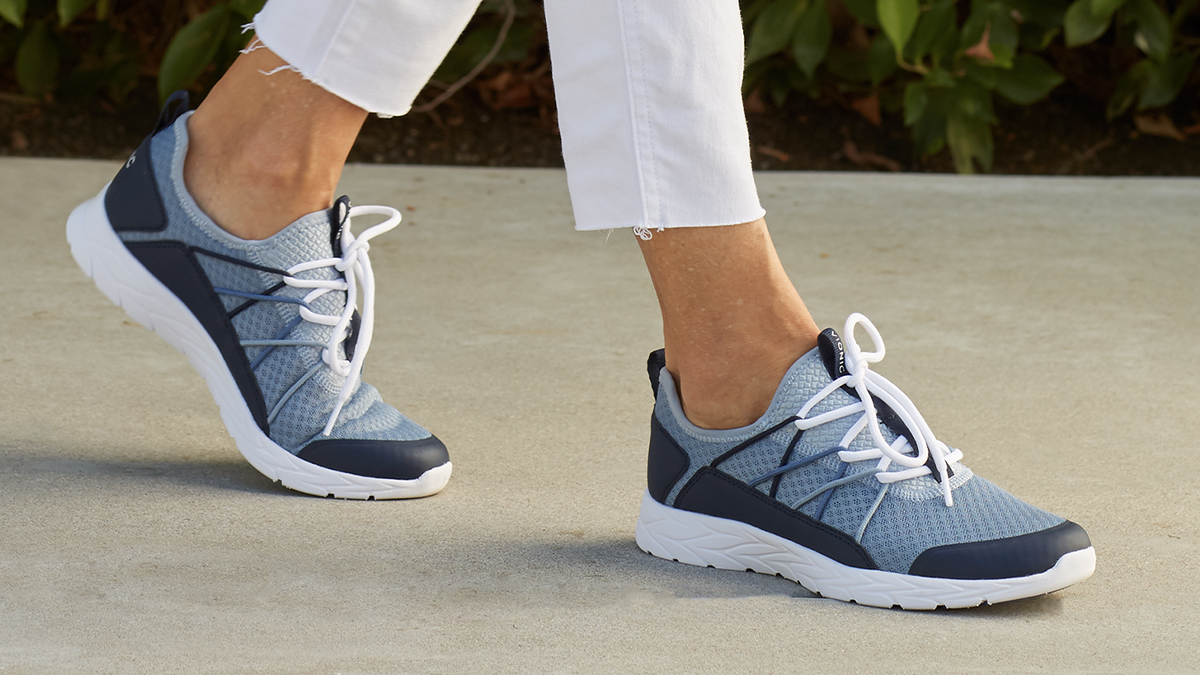
The historical stigma of “comfort shoes” being clunky and unfashionable has been thoroughly dismantled by brands like Vionic. The design team operates on a simple but revolutionary premise: therapeutic benefits should not demand an aesthetic sacrifice. This is evident in their diverse collections, which draw inspiration from current runway trends, athleisure, and classic casual wear. From sleek leather walkers that pair effortlessly with tailored trousers to knit sneakers with modern color-blocking perfect for weekend wear, the vionic walking shoe is designed to integrate into your existing wardrobe. This fusion is critical because it removes the barrier to consistent wear. If a shoe is unattractive, even if it feels good, you are less likely to choose it daily. Consistency is key in allowing the body to adapt to and benefit from the improved biomechanics. Celebrity fitness trainer Harley Pasternak, known for working with Hollywood A-listers, has often spoken about the importance of footwear that supports an active lifestyle without compromising on look. On platforms like YouTube and in his books, he advocates for investing in shoes that “work as hard as you do, from the gym to the street.” Vionic answers this call precisely, offering versatility that takes you from a long day on your feet at work to a leisurely evening stroll without a second thought about comfort or style.
From Testimonials to Clinical Insight: The Evidence Speaks
The efficacy of any product is best measured through the experiences of its users and the scrutiny of experts. A cursory search on platforms like Quora or dedicated foot health forums reveals a common narrative: individuals who had resigned themselves to chronic foot pain recount discovering Vionic shoes and experiencing transformative relief. One user detailed, “After years of plantar fasciitis pain that made mornings a nightmare, my vionic walking shoe was the first thing that offered real, lasting change.” Beyond anecdotal evidence, the brand’s commitment to science is underscored by the APMA Seal of Acceptance, awarded to specific styles that meet rigorous standards of foot health promotion. This seal is not given lightly; it requires scientific review. Furthermore, the principles underpinning Vionic’s design align with recommendations from physical therapists and orthopedic specialists. Dr. Nelya Lobkova, a New York-based podiatrist, has explained in online health publications that “shoes with built-in arch support and a firm heel counter are essential for managing and preventing common overuse injuries.” This confluence of mass user satisfaction and professional endorsement creates a compelling case. It shifts the perception of these shoes from a consumer product to a legitimate tool in proactive health management, a concept supported by the growing field of preventative podiatry.
Investment Versus Cost: Understanding Long-Term Value
It is true that a pair of biomechanically engineered shoes often carries a higher initial price point than a mass-market fashion sneaker. This leads to a critical evaluation: is this an expense or an investment? To frame it properly, consider the long-term economics of foot health. Untreated or poorly managed foot pain can lead to doctor’s visits, physical therapy sessions, custom orthotics, and even lost productivity at work. A single pair of custom orthotics can cost hundreds of dollars and still require a supportive shoe to house them. A vionic walking shoe consolidates this need into one product. Furthermore, the construction quality—premium leathers, durable outsoles, and resilient midsoles—ensures these shoes are built to last, offering a better cost-per-wear ratio over time. The brand frequently offers seasonal sales, promotional discounts, and bundle deals, making this technology accessible. As the ancient proverb, often misattributed to Aristotle but rooted in common sense, advises: “The whole is greater than the sum of its parts.” In this context, the whole is your long-term mobility, comfort, and style. The investment is not merely in an object, but in the quality of your daily movement and, by extension, your overall well-being. The discounted price you might find during a sale isn’t just a monetary saving; it’s a lowered barrier to entry for a higher standard of foot care.

The journey to finding footwear that truly serves you ends when you stop seeing comfort and style as rivals. It ends when you demand that your shoes respect the intricate biology of your feet while reflecting your personal aesthetic. The vionic walking shoe stands as a testament to this possibility, merging podiatric science with thoughtful design. It challenges the outdated norms of the footwear industry, offering a solution that is as intelligent as it is attractive. Your daily steps are not just a means of transportation; they are the foundation of your physical presence in the world. Choosing a shoe that honors that foundation is the most straightforward step you can take toward a more comfortable, confident, and active life. The path forward is clear, and it is comfortably, stylishly, underfoot.
