

Effortless Style for Every Occasion
Style is not about following every fleeting trend; it is about cultivating a personal aesthetic that feels authentic and adaptable. The true art of dressing lies in achieving an appearance of effortlessness, where your choices feel intuitive and appropriate, whether for a casual brunch, a critical business meeting, or a formal evening gala. This sense of ease, however, is often underpinned by deliberate choices and a foundational understanding of what works. It involves mastering a palette of versatile pieces, understanding the principles of silhouette and color, and recognizing the transformative power of key accessories. In this exploration, we will dissect the components of effortless style, providing not just abstract ideas but concrete, actionable knowledge. We will delve into the science of perception in fashion, the psychology of color, and the architectural principles of garment construction, all while keeping a practical eye on building a wardrobe that delivers both professional polish and personal satisfaction without requiring a monumental investment of time or money.
The Foundation: Understanding Silhouette and Color Theory
Before acquiring a single garment, one must grasp the non-negotiable foundations: silhouette and color. Silhouette refers to the overall shape that clothing creates on your body. Scientific studies in fields like ergonomics and visual perception indicate that certain shapes are processed by the brain as more harmonious. For instance, the concept of the “golden ratio” or divine proportion, approximately 1:1.618, has been observed in art and architecture for millennia and is often subconsciously associated with beauty. In fashion, this translates to balancing proportions—pairing a voluminous top with a streamlined bottom, or a fitted sheath with a structured blazer. As the iconic designer Coco Chanel purportedly advised, “Fashion is architecture: it is a matter of proportions.” This isn’t mere opinion; it’s a principle drawn from visual design. Similarly, color theory is not an arbitrary set of rules but a framework derived from the physics of light and the physiology of the human eye. The color wheel, a tool developed from Isaac Newton’s experiments with prisms, helps us understand complementary, analogous, and triadic color schemes. Dressing in a monochromatic scheme (different shades of one color) creates a sleek, elongated line, while a complementary pop of color (like red against green’s opposite) creates dynamic visual interest. Understanding your skin’s undertones—whether warm, cool, or neutral—can guide you toward colors that make you look vibrant rather than washed out. This foundational knowledge removes the guesswork, allowing you to build outfits that are inherently balanced and flattering.
The Capsule Wardrobe: Curated Versatility
The concept of the capsule wardrobe, popularized by London stylist Susie Faux in the 1970s and later by Donna Karan’s “Seven Easy Pieces” in 1985, is the practical engine of effortless style. It is a limited collection of essential, interchangeable items that coordinate cohesively. The objective is to maximize outfit combinations while minimizing individual pieces. From a behavioral economics perspective, this reduces “decision fatigue,” a well-documented phenomenon where the quality of one’s decisions deteriorates after a long session of decision-making, as studied by social psychologist Roy F. Baumeister. By having a pre-curated set of compatible items, you conserve mental energy for more critical tasks. A foundational capsule might include: a well-tailored blazer, a crisp white shirt, a fine-gauge sweater, straight-leg trousers, dark denim jeans, a little black dress, a midi skirt, and quality leather footwear. The key is investment in fabric and fit. Natural fibers like wool, cotton, linen, and silk not only look and feel superior but also, as resources like Textile Science textbooks from universities like the Fashion Institute of Technology explain, are more breathable and durable over time than many synthetics. The goal is not austerity but strategic acquisition. Each new piece should answer the question: “Can I create at least three distinct outfits with this using items I already own?” This approach inherently brings discounted value over time, as cost-per-wear plummets and impulsive, regrettable purchases are avoided.
The Power of a Signature Detail: Enter the Bow Red Heels
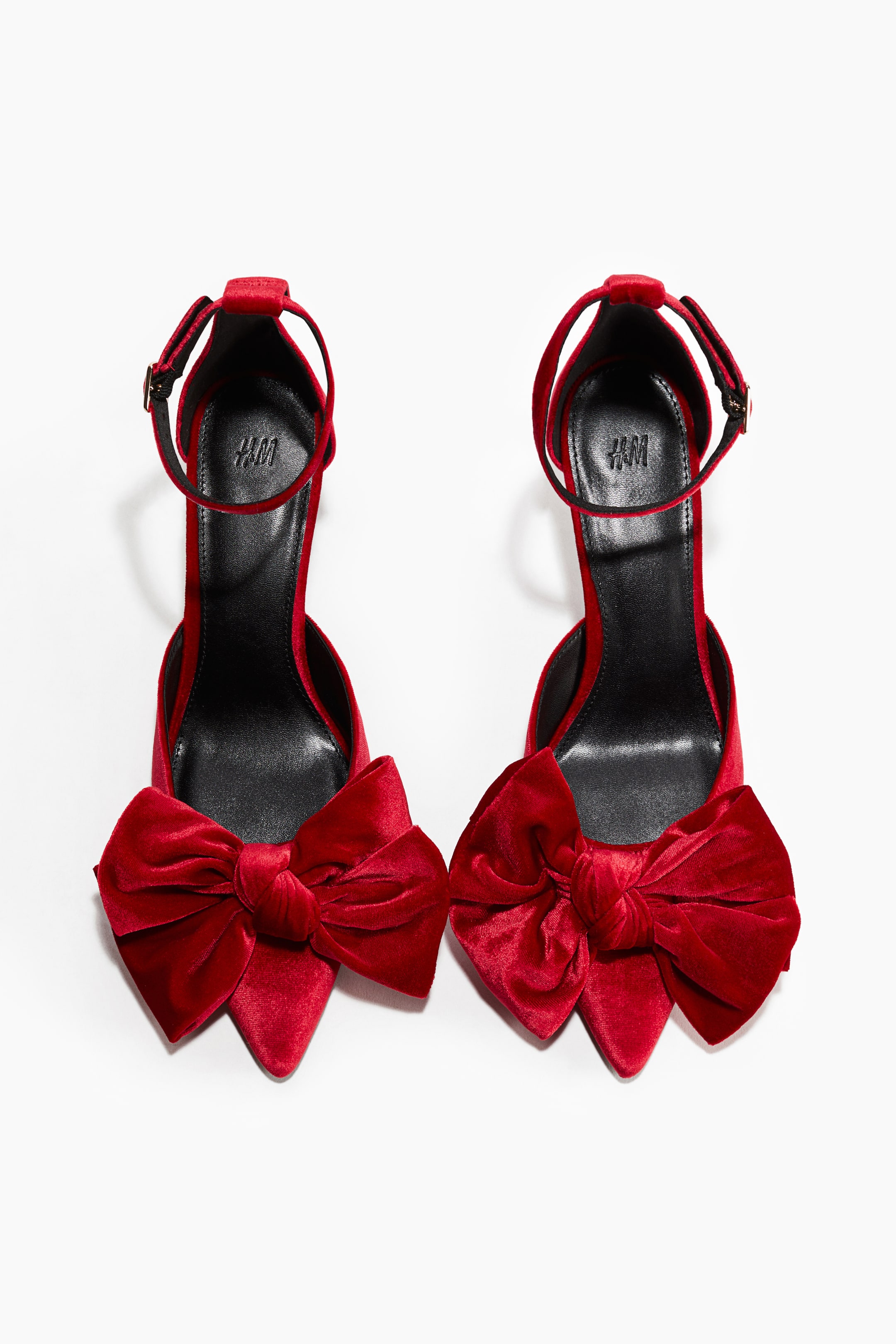
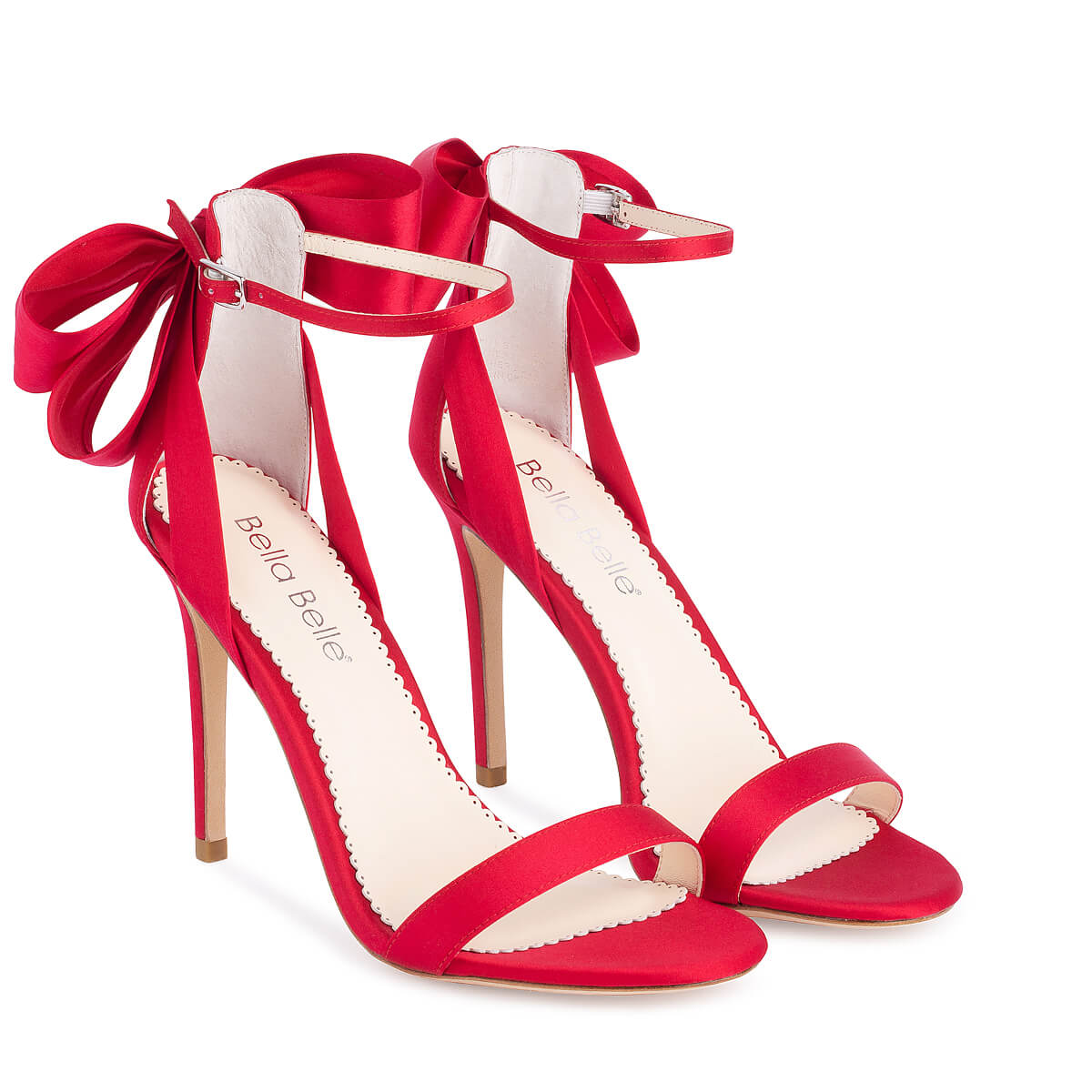
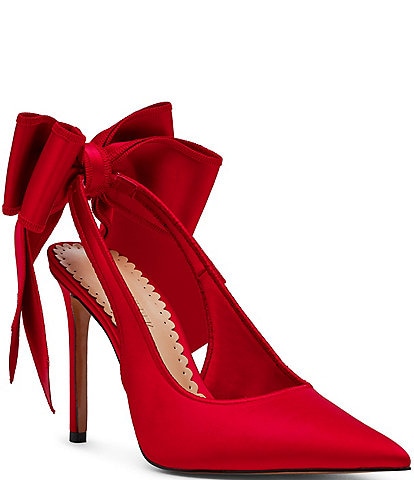
While a capsule wardrobe provides the canvas, a signature accessory provides the definitive stroke of personality. This is where an item like a pair of bow red heels transcends its function as mere footwear. The psychology of color is potent; red is consistently associated in cross-cultural studies with energy, confidence, and attention. Dr. Andrew Elliot, a professor of psychology, has conducted research indicating that the color red can enhance attraction and perceived status. A heel, architecturally, alters posture and gait, projecting authority and elegance—concepts explored in countless sociological analyses of fashion, from Thorstein Veblen’s Theory of the Leisure Class to more modern commentaries. The addition of the bow, a classic motif, introduces an element of playful femininity and intricate detail, softening the power of the red and the height of the heel. This combination creates a multifaceted statement. A pair of bow red heels can anchor an otherwise neutral outfit, transforming a beige trench coat and a simple black dress from “understated” to “unforgettable.” They are a conversation starter, a mood lifter, and a tool for intentional self-presentation. As fashion influencer and author Brittany Bathgate might note on her platform, such an item doesn’t just complement an outfit; it defines it. The repeated, deliberate use of a distinctive piece like this is what cultivates a recognizable personal style. You are not just wearing shoes; you are incorporating a bow red heels motif into your personal narrative.
Context is King: Adapting to the Occasion
Effortless style is inherently contextual. What is effortless for a creative industry networking event may be entirely inappropriate for a corporate board meeting. The sociologist Erving Goffman’s theory of “dramaturgy,” where life is a series of performances in different social settings, is acutely relevant here. Dressing appropriately is a form of social intelligence and respect. The “rules,” while more fluid than in the past, still exist. For business formal settings, authoritative resources like Harvard Business School’s unofficial style guides emphasize tailored suits, closed-toe shoes, and a restrained color palette. Business casual, a term notoriously variable, generally leans toward polished separates like blazers with chinos or sophisticated knitwear. For social occasions, the invitation often holds the key: “black tie” calls for a tuxedo or a full-length gown, while “cocktail attire” suggests a shorter, elegant dress or a smart suit. The magic of a versatile piece like the bow red heels is its chameleonic ability. With a tailored pantsuit, they inject a dose of controlled daring into a corporate uniform (where company culture permits). With a flowing floral midi dress, they elevate a garden party look from pretty to polished. With dark, fitted jeans and a white tee, they create the quintessential “dressed-up casual” outfit. The objective is not to own a different outfit for every scenario but to own adaptable pieces that can be reconfigured. This is where your foundational knowledge of silhouette and color merges with practical social awareness.
The Finishing Touches: Beyond the Clothing
True effortlessness extends beyond garments to grooming, posture, and confidence. These are the finishing touches that authenticate your style. Scientific literature on nonverbal communication, such as the work of Amy Cuddy presented in her TED Talk “Your body language may shape who you are,” demonstrates that posture alone can affect hormone levels and perceived confidence. Standing tall in your well-chosen clothes completes the picture. Similarly, consistent grooming—neat hair, maintained nails, cared-for skin—signals attention to detail. It’s the difference between looking like you wear your clothes and your clothes wearing you. Your choice of fragrance, the organization of your bag, even the watch on your wrist or the absence of one, contribute to the holistic impression. These elements should feel like second nature, a part of your daily ritual. This is not about vanity but about presenting a coherent self to the world. When your external presentation is harmonious and intentional, it frees up mental space, allowing your confidence to become the most visible accessory you own. And confidence, as countless style icons from Audrey Hepburn to Janelle Monáe have exemplified, is the ultimate catalyst for making any outfit, whether a simple turtleneck or a dramatic pair of bow red heels, look and feel inherently right.
Investment vs. Expenditure: The Long-Term View
Building an effortlessly stylish wardrobe is an exercise in strategic investment, not sporadic expenditure. The fast fashion model, while initially cheap, represents a significant long-term cost—both financially, due to replacement cycles, and ethically, as documented by organizations like the Clean Clothes Campaign. The alternative is a value-driven approach. This means allocating a larger portion of your clothing budget to fewer, higher-quality foundational items. A $300 blazer that lasts a decade and is worn 100 times has a cost-per-wear of $3. A $50 blazer that pills, loses its shape, and feels outdated after one season, if worn 10 times, has a cost-per-wear of $5. The math is clear. This philosophy directly brings “discounted prices” to the user over the lifespan of the wardrobe. Seek out sales for classic items from quality brands, consider pre-loved luxury on reputable platforms, and learn basic maintenance like steaming and proper storage. An item like our exemplar bow red heels is a perfect candidate for such investment. A well-constructed pair in genuine leather with a comfortable last and a secure heel will not only look superior but will save you from the pain and repeated purchase of cheap alternatives. This mindful consumption is the final, critical pillar of effortless style: a wardrobe that is sustainable, personal, and financially intelligent, eliminating clutter and ensuring that what remains brings genuine joy and utility.
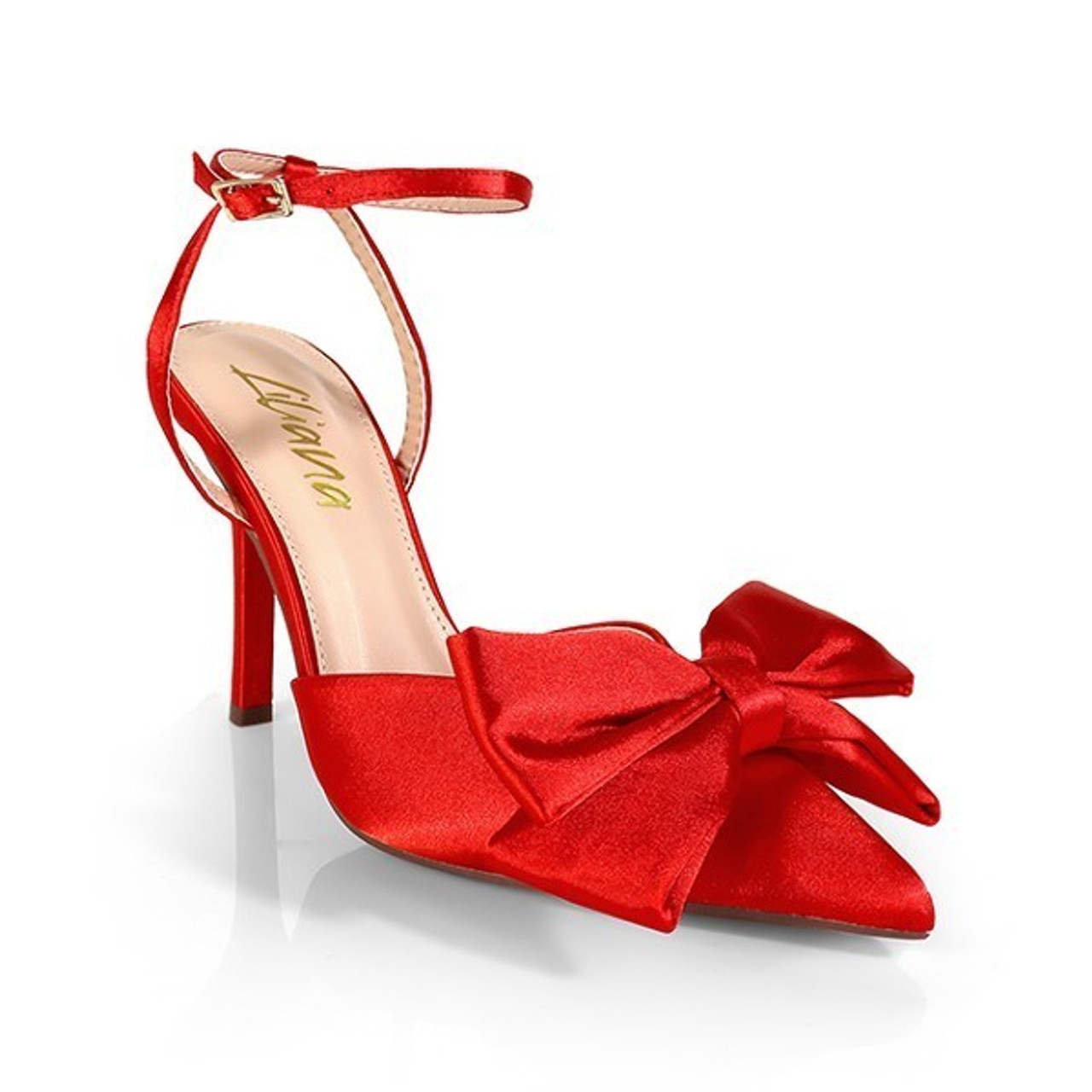
Effortless style, therefore, is a symphony composed of knowledge, strategy, and personal expression. It begins with the objective science of shape and color, is built upon the practical framework of a versatile capsule wardrobe, and is electrified by the deliberate choice of signature elements like a pair of bow red heels. It demands social awareness to adapt to context and is authenticated by the intangible yet essential qualities of grooming and confidence. Ultimately, it is a practice that champions mindful investment over mindless consumption, yielding not just a closet of clothes, but a toolkit for presenting your best self to the world, with ease and assurance, on every occasion imaginable. The journey is one of continuous refinement, where each choice brings you closer to a style that feels uniquely and effortlessly your own.
