

Comfort, Style, and Versatility for Every Step
We often speak of journeys, of paths taken and destinations reached, yet we seldom give due consideration to the very foundation upon which every physical journey is built: the step. A single step is a microcosm of movement, a complex interplay of biomechanics, personal expression, and environmental interaction. To optimize this fundamental unit of travel is to enhance the quality of the journey itself. This pursuit converges perfectly in the quest for the ideal walking shoe. It is not merely an accessory but a tool, an extension of the self that can either constrain or liberate. The modern walking shoe is engineered to be a nexus of three non-negotiable pillars: biomechanical comfort that respects the body’s architecture, aesthetic style that aligns with personal identity, and functional versatility that seamlessly transitions between the varied stages of daily life. This is not about a fleeting trend; it is about a deliberate choice to support every narrative your day writes, from the brisk morning commute to the leisurely evening stroll.
The Biomechanics of Comfort: Where Science Meets the Sole
Comfort in footwear is frequently mischaracterized as simple softness. True comfort, however, is a scientific principle rooted in biomechanical support and injury prevention. The human foot is a marvel of engineering, comprising 26 bones, 33 joints, and over 100 muscles, tendons, and ligaments. A shoe that contradicts this natural design invites discomfort and long-term issues. Consider the phenomenon of overpronation, where the foot rolls inward excessively upon impact. Without proper medial support, this can lead to a cascade of alignment problems affecting ankles, knees, and even the lower back. A well-designed walking shoe acts as a stabilizing platform. It incorporates features like arch support tailored to different foot types (neutral, low, or high arches), a heel counter that locks the rearfoot to prevent slippage and provide stability, and a rocker sole that facilitates the natural heel-to-toe rolling motion of the gait cycle. This engineering is backed by podiatric literature from institutions like the American Podiatric Medical Association, which emphasizes the role of appropriate footwear in managing and preventing common ailments like plantar fasciitis. The cushioning system, often utilizing advanced polymers like ethylene-vinyl acetate (EVA) or thermoplastic polyurethane (TPU), isn’t just about plushness; it’s about energy dissipation. Each step generates a force of approximately 1.5 times your body weight. Premium cushioning systems absorb and redirect this shock, reducing the cumulative stress on joints. As renowned ultrarunner and biomechanics researcher Dr. Ray McClanahan has often highlighted, the goal is to allow the foot to function as nature intended, with shoes providing protection from the environment without dictating its movement. Therefore, the comfort of a modern walking shoe is a calculated intervention, a silent partner in preserving the integrity of your stride over miles and years.
Architecture of the Foot and Shoe Synergy
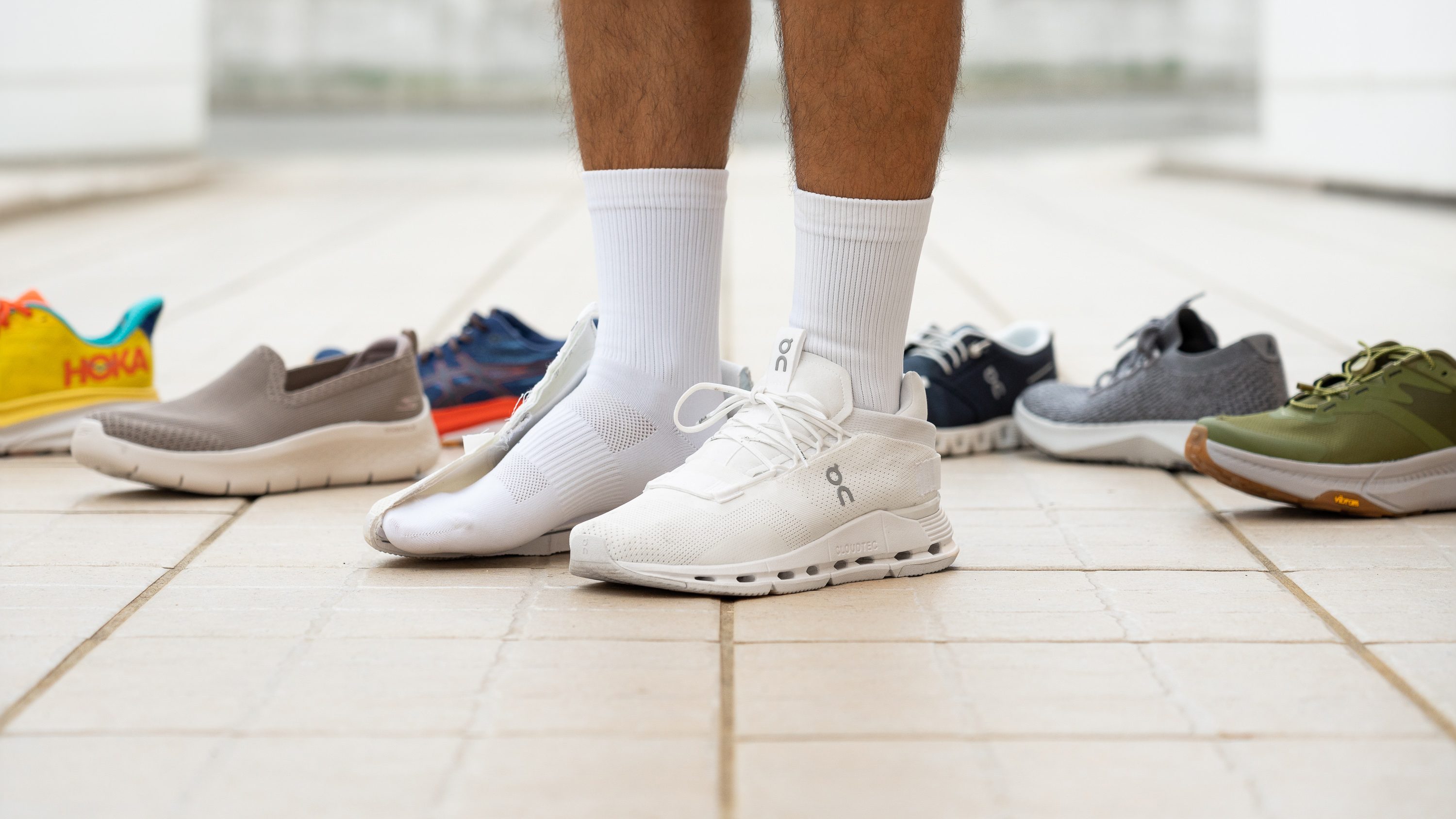
Delving deeper into biomechanical harmony, the synergy between the foot’s architecture and the shoe’s internal architecture is paramount. The longitudinal and transverse arches of the foot act as natural shock absorbers. A shoe that is too rigid stifles this mechanism, while one that is too flexible offers insufficient support. The midsole is the critical interface here. Brands invest heavily in research, often collaborating with kinesiology departments at universities, to map pressure distribution during gait. This data informs the strategic placement of firmer and softer densities of foam—a technology known as dual-density midsole construction. For instance, a denser material on the medial (inner) side can gently correct overpronation. Furthermore, the concept of “heel-to-toe drop” or offset—the difference in height between the heel and forefoot—has gained significant attention. A lower drop can encourage a more midfoot strike, potentially reducing impact on the heel, though the ideal offset is highly individual and depends on one’s gait and anatomy. The toe box is another critical, often overlooked, component. A cramped, tapered toe box forces the toes into an unnatural position, which can lead to deformities like bunions or hammertoes over time. A walking shoe with an adequately wide and foot-shaped toe box allows the toes to splay naturally upon weight-bearing, enhancing stability and comfort. This philosophy aligns with the “natural foot movement” principles advocated by many sports medicine professionals. It’s a shift from seeing the shoe as a mold that the foot must conform to, to viewing it as a protective capsule that accommodates the foot’s dynamic, living structure.
Aesthetic Expression: Style as a Functional Component
To relegate style to the realm of vanity is to misunderstand its profound psychological and social function. What we wear on our feet communicates, consciously or not, a part of our identity and intention. The evolution of the walking shoe from a purely utilitarian object to a style statement reflects a broader cultural shift towards holistic well-being, where performance and aesthetics are not mutually exclusive but intrinsically linked. Consider the rise of “athleisure.” This trend, documented extensively by fashion analysts from publications like Vogue and Business of Fashion, is more than a fad; it’s a lifestyle declaration that values comfort, mobility, and a seamless flow between activities. A stylish walking shoe acknowledges that you may go directly from a morning walk to a casual meeting or a social lunch. Its design language—clean lines, cohesive color palettes, and thoughtful material combinations—allows it to integrate with a wide range of outfits, from technical leggings to casual chinos or even summer dresses. This versatility eliminates the need for multiple shoe changes, simplifying your day. The psychological impact is significant. Dressing in a way that you perceive as put-together and aligned with your personal style can boost confidence and mood—a concept supported by the field of “enclothed cognition,” which suggests that the clothes we wear can influence our psychological processes. Therefore, the style of a walking shoe is functional. It empowers you to move through different social and professional environments with assurance, ensuring that your footwear supports not just your physical journey, but your personal narrative as well. The modern market offers everything from minimalist, monochromatic designs to bold, color-blocked statements, proving that you do not have to sacrifice personal expression at the altar of comfort.
:max_bytes(150000):strip_icc()/vwt-asics-womens-gel-pulse-16-jinfeng-chen-21-712f0f140e834b84b3a8dcf0bf154771.jpeg)
The Psychology of Color and Form in Footwear
The aesthetic impact of a walking shoe is meticulously crafted through the psychology of color and form. Color theory, a staple in design education, is actively employed by footwear designers. Neutral tones like black, white, grey, and navy offer timeless versatility, acting as a “base” that pairs effortlessly with any wardrobe. They convey a sense of sophistication and practicality. Conversely, strategic pops of color—a vibrant heel tab, contrasting laces, or a brightly colored midsole—can inject energy and personality. These elements can serve a dual purpose: expressing individuality and, in some cases, enhancing visibility for safety during early morning or evening walks. The form and silhouette of the shoe are equally communicative. A sleek, low-profile design suggests modernity and agility, often appealing to those with a minimalist aesthetic. A shoe with more substantial cushioning and a layered look might communicate a focus on premium comfort and technical performance. Materials play a starring role here. The use of engineered mesh not only provides breathability but also creates a modern, textured visual. Suede or leather overlays add a touch of refinement and durability. The key for a versatile walking shoe is balance. It avoids the overly technical, “lab-ready” look of a dedicated running shoe and the overly casual appearance of a slipper. It finds a middle ground—a design that is intentionally crafted to be seen and appreciated as part of a cohesive look, whether you’re navigating city streets or a park pathway. This thoughtful design ensures that your shoes are an asset to your style, not an afterthought you hope no one notices.
The Engine of Versatility: One Shoe, Multiple Terrains of Life
Versatility is the ultimate test of a walking shoe’s design intelligence. Life is not segmented into neat categories of “exercise time” and “everything else.” Our days are fluid, demanding footwear that can adapt without missing a beat. A truly versatile walking shoe possesses a hybrid character. Its outsole is a prime example. It needs enough traction and durability for varied surfaces—the gritty texture of asphalt, the smooth, sometimes slippery finish of indoor flooring, the packed earth of a trail, or the occasional unexpected puddle. A multi-directional lug pattern, often made from carbon rubber in high-wear areas, provides this essential grip without being so aggressive that it feels clumsy on hard surfaces. The upper must also be a master of adaptation. Breathable, quick-drying materials are essential for comfort during extended wear and across temperature changes. Reflective details, often integrated stylishly into logos or seams, are a critical safety feature for low-light conditions, transforming a daytime shoe into a viable option for an evening outing. Furthermore, versatility encompasses ease of use. Features like a slip-on construction with elastic gussets or a reliable, easy-to-adjust lacing system (such as BOA dials or traditional lace-ups that stay tied) reduce friction in your routine. The weight of the shoe is a subtle yet powerful factor. A shoe that is too heavy can feel burdensome over time, while one that is too light might sacrifice necessary support. The ideal finds a Goldilocks zone—light enough to feel effortless, substantial enough to feel secure and durable. This multifaceted capability means that from the moment you leave your home, your shoes are prepared for the day’s script, whether it calls for a power walk, a day of errands, standing at a social event, or a spontaneous detour. They become the default, reliable choice, simplifying decision-making and packing for travel.
Material Innovation: The Foundation of Adaptive Performance
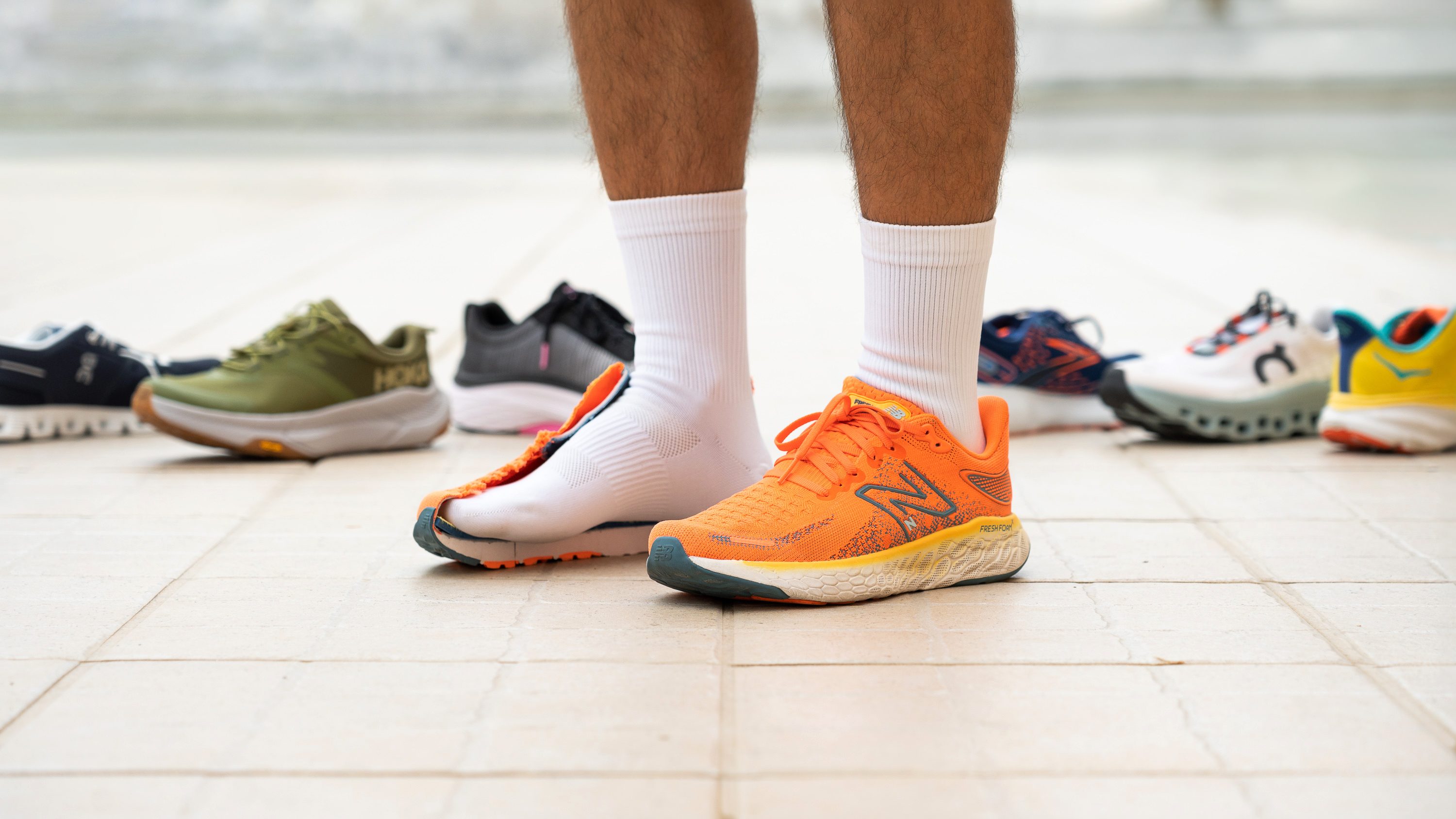
The versatility of a contemporary walking shoe is fundamentally enabled by material science innovations. The upper is no longer just leather or canvas; it’s a high-tech assembly. Knitted uppers, pioneered by brands like Adidas with Primeknit and Nike with Flyknit, offer a sock-like, adaptive fit that moves dynamically with the foot, reducing pressure points and hot spots. These materials are also highly breathable, creating a microclimate for your feet. Water-resistant treatments, such as durable water repellent (DWR) coatings or membranes like Gore-Tex, extend the shoe’s usability into damp conditions without resorting to a fully waterproof (and often less breathable) boot. The midsole foam technology is arguably the most competitive arena. EVA has been the workhorse for decades, but new generations of foam, such as Adidas’s Boost (TPU pellets), Nike’s React, and ASICS’s FF BLAST, offer superior energy return, lighter weight, and longer-lasting cushioning. This means the shoe feels consistently comfortable mile after mile, day after day, resisting the compaction that leads to a “dead” feel. The outsole compounds are equally sophisticated. High-abrasion rubber (AHAR) placed in critical wear zones dramatically extends the shoe’s lifespan, making it a smarter long-term investment. All these material choices are guided by a principle of balanced performance. They work in concert to create a shoe that is protective yet unrestrictive, durable yet lightweight, and capable across a spectrum of common daily challenges. This is the engineering triumph behind a versatile walking shoe: it performs so seamlessly across contexts that you forget it’s there, which is the highest compliment a tool can receive.
Informed Choice: Bringing Expertise and Value to Your Decision
Navigating the vast landscape of footwear options can be daunting. An informed choice bridges the gap between marketing claims and tangible benefits, ensuring you invest in a tool that truly serves you. This begins with understanding your own needs. Are you primarily on hard pavement? Do you have a specific foot type or gait tendency noted by a professional? How important is all-day wear versus dedicated walking sessions? Answers to these questions form your personal criteria. Professional knowledge is widely accessible. Podiatrists and physical therapists offer invaluable, individualized advice. Reputable review platforms like Runner’s World, Verywell Fit, and specialized YouTube channels run by certified fitness experts provide deep-dive analyses, often including wear tests over hundreds of miles. They dissect the nuances of fit, feel, and durability that you can’t glean from a product description. Furthermore, leveraging community knowledge from forums on Reddit (like r/walking or r/running) or Quora can provide real-world, long-term feedback from people with similar use cases. When it comes to value, the focus should be on cost-per-wear, not just the sticker price. A slightly more expensive shoe with superior construction and materials that lasts for 500 miles offers far better value than a cheap pair that breaks down or loses support after 100. Look for reputable retailers that offer clear return policies for fit issues, and consider shopping during seasonal sales or from official brand outlet stores. Many direct-to-consumer brands also offer significant value by cutting out middlemen. The goal is to arm yourself with knowledge, transforming your purchase from a gamble into a strategic selection of a partner for your daily movement.
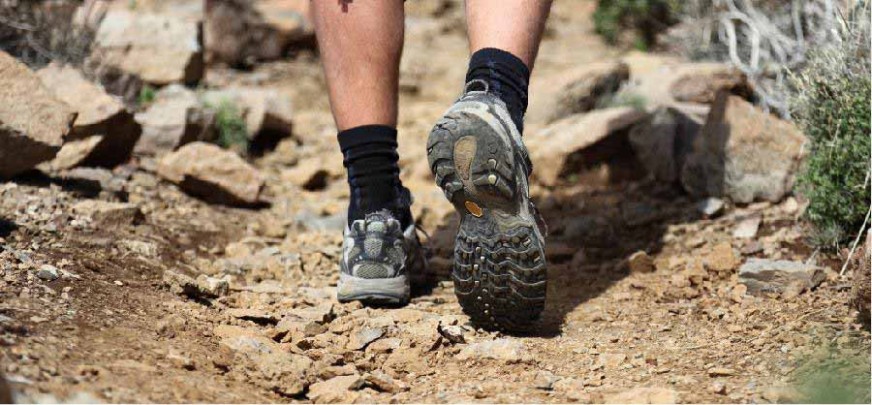
The pursuit of the perfect step is a quiet but profound rebellion against discomfort, impracticality, and compromised expression. It is a decision to honor the complexity of your body, the diversity of your day, and the uniqueness of your style. The right walking shoe is the unsung hero of this pursuit—a synthesis of biomechanical science, intentional design, and adaptive engineering. It doesn’t just carry you; it enhances the journey, providing a foundation of comfort that allows you to move with confidence, a style that lets you move with identity, and a versatility that lets you move without hesitation. When these three elements converge, your footwear ceases to be a mere item of clothing and becomes an enabler of a more fluid, engaged, and vibrant daily life. Every step becomes a testament to that choice.
