

Comfort Meets Style for Every Step
For too long, the world of footwear has presented a false dichotomy: you could either have shoes that cradle your feet in blissful comfort but look like medical devices, or you could have shoes that turn heads with their style but leave your feet aching by day’s end. This compromise is not just unnecessary; it’s a disservice to the very foundation of our daily movement. The modern walking shoe has evolved beyond this outdated divide, merging biomechanical engineering with contemporary design in a way that supports not just our arches, but our entire lifestyle. This isn’t about a fleeting trend; it’s a fundamental shift in how we view the tool that connects us to the ground beneath our feet. From the structured pavements of the city to the unpredictable trails of a weekend getaway, the right pair is an investment in sustained vitality, proving that the pursuit of well-being and the expression of personal aesthetics are not mutually exclusive, but intrinsically linked.
The Anatomy of Modern Comfort: Beyond Soft Soles
When we speak of comfort in a walking shoe, it’s crucial to move past the simplistic notion of a “soft” shoe. True comfort is a symphony of scientific principles working in harmony. It begins with biomechanics—the study of the structure and function of biological systems through mechanics. According to literature from Stanford University’s Biomechanics Division, efficient walking involves a complex transfer of force from heel strike to toe-off. A shoe that facilitates this natural gait cycle prevents energy loss and reduces joint stress. This is where elements like arch support become non-negotiable. The arch of the foot acts as a natural shock absorber; proper support maintains this structure, preventing overpronation (excessive inward roll) or supination (outward roll), which are common culprits of pain in the knees, hips, and back. Furthermore, cushioning technology has moved beyond simple foam. Materials like ethylene-vinyl acetate (EVA) and polyurethane (PU) are engineered for specific densities—softer for shock absorption at the heel, firmer for stability in the midfoot. Brands often cite proprietary blends, but the core principle remains: strategic cushioning that responds to impact forces. A well-constructed walking shoe also prioritizes breathability through engineered mesh uppers, managing moisture and temperature to create a healthy foot environment, a point emphasized by podiatrists in health platforms like Verywell Fit. Therefore, comfort is not a passive feeling but an active, engineered experience of support, stability, and climate control.
Ergonomics in Motion: The Science of the Perfect Fit
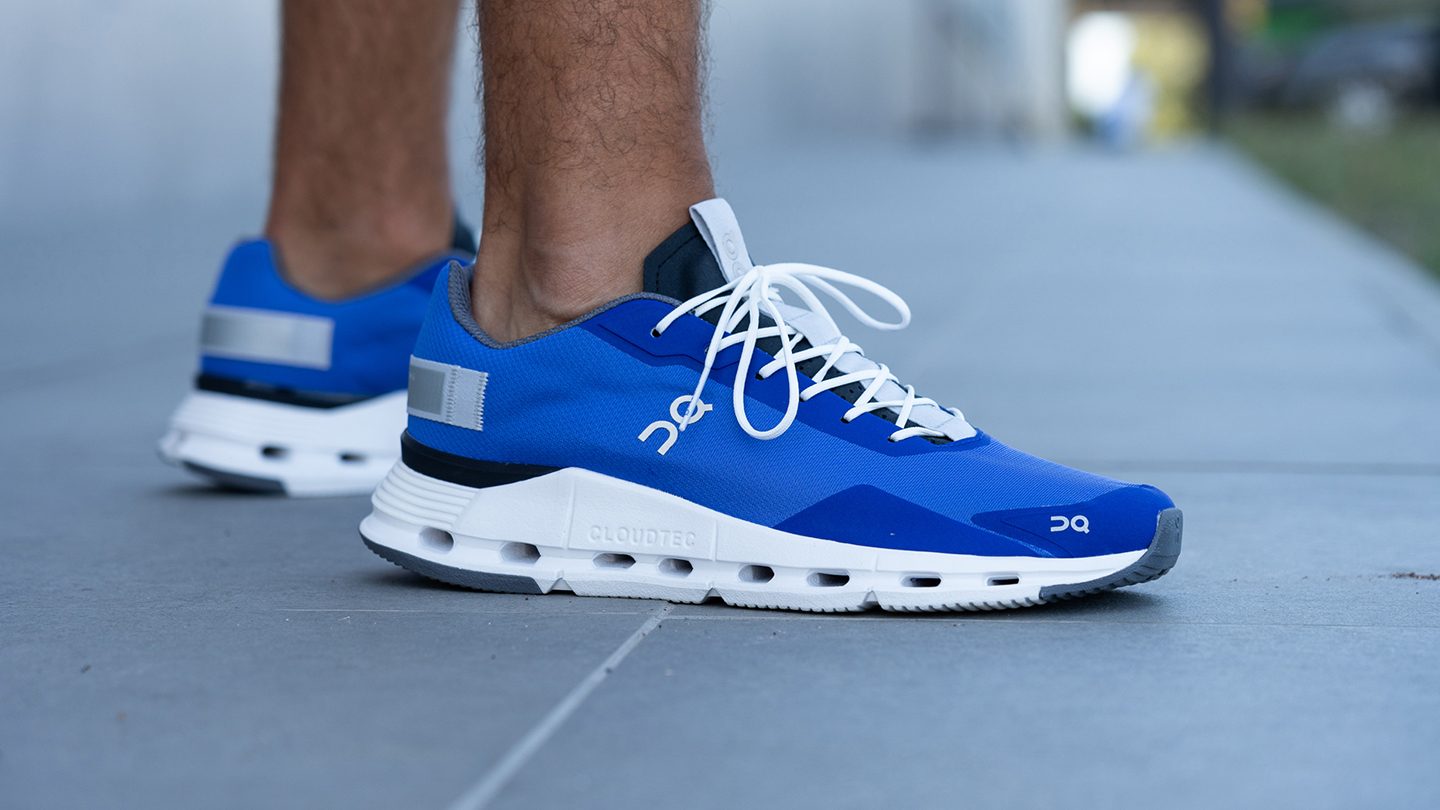
The most technologically advanced shoe is rendered useless if it does not fit correctly. Ergonomics—the science of designing products to optimize human well-being and performance—applies profoundly to footwear. A proper fit accounts for more than just length; it considers width, volume, and the dynamic changes your foot undergoes during the day and while in motion. As noted by the American Podiatric Medical Association, feet can swell by up to 8% during the day, necessitating an afternoon fitting for the most accurate size. The “thumb’s width of space” rule at the toe box is a classic guideline to prevent nail trauma and allow for natural foot splay upon weight-bearing. However, the heel counter—the firm cup at the back of the shoe—is equally critical. It should hold the heel snugly without slippage, providing a stable base that anchors the foot and prevents blister-causing friction. The rise of brands offering multiple width options is a direct response to this ergonomic understanding, acknowledging that feet are not one-dimensional. Renowned running coach and author Jack Daniels, in his book “Daniels’ Running Formula,” indirectly highlights the importance of fit for all ambulatory activities by stressing that a shoe should feel comfortable from the first step, requiring no “break-in” period that could lead to injury. Thus, the perfect fit is a personalized interface, where the shoe becomes a seamless extension of the foot, not a constraint.
Style as Self-Expression: No Longer an Afterthought
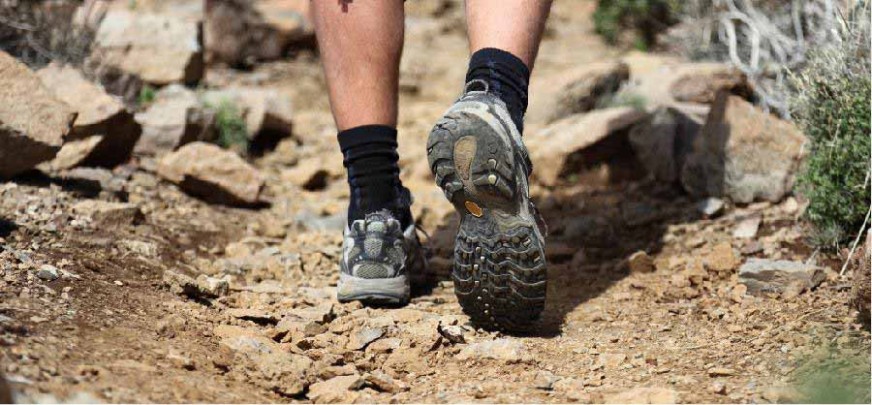
To dismiss style as mere vanity is to misunderstand its role in human psychology and social interaction. Style is a form of non-verbal communication, a way to express identity, mood, and intention. The integration of style into performance footwear is a testament to the industry’s recognition that people live multifaceted lives. You shouldn’t need to pack a separate pair of shoes to go from a morning walk to a casual lunch or a day at the office. Contemporary designers are leveraging clean lines, minimalist color palettes, and textured materials to create walking shoes that are as at home with jeans as they are with technical gear. This shift is echoed in popular culture; characters in films and series are increasingly depicted in stylish yet practical footwear, normalizing the look. Furthermore, figures in the design world, such as the late architect Zaha Hadid, championed the fusion of form and function, a philosophy that directly translates to footwear design. A stylish walking shoe empowers you. It tells the world that you value both your physical well-being and your personal presentation, that you are prepared for activity without being defined by it. The aesthetic appeal thus becomes a feature that encourages consistent wear, which in turn maximizes the health benefits of the shoe’s engineered comfort.
Material Innovation: Where Technology Meets Texture
The surface of the modern walking shoe is a canvas of innovation. The days of bulky, uniform leather are gone, replaced by sophisticated material blends that serve dual purposes. Knitted uppers, pioneered by brands like Adidas with their Primeknit technology, offer a sock-like, adaptive fit that moves with the foot while providing targeted support and exceptional breathability. These materials often incorporate recycled plastics, aligning style with sustainability—a value increasingly important to consumers. Water-resistant yet breathable membranes, such as Gore-Tex, are being integrated without adding bulk, making shoes versatile for various weather conditions. Even the humble shoelace has seen innovation, with elastic and quick-draw systems enhancing convenience. The visual texture of these materials—the weave of a knit, the matte finish of a recycled composite, the sleek sheen of a performance film—adds depth and visual interest to the shoe’s design. This material evolution is not just about looks; it’s about performance and ethics. As noted on authoritative industry sites like Business of Fashion, the demand for “technical fashion” is driving R&D investments, resulting in shoes that are lighter, more responsive, and more environmentally conscious than ever before. The material, therefore, is the tangible point where cutting-edge technology and conscious style visibly converge.
The Long-Term Investment: Durability and Knowing When to Let Go
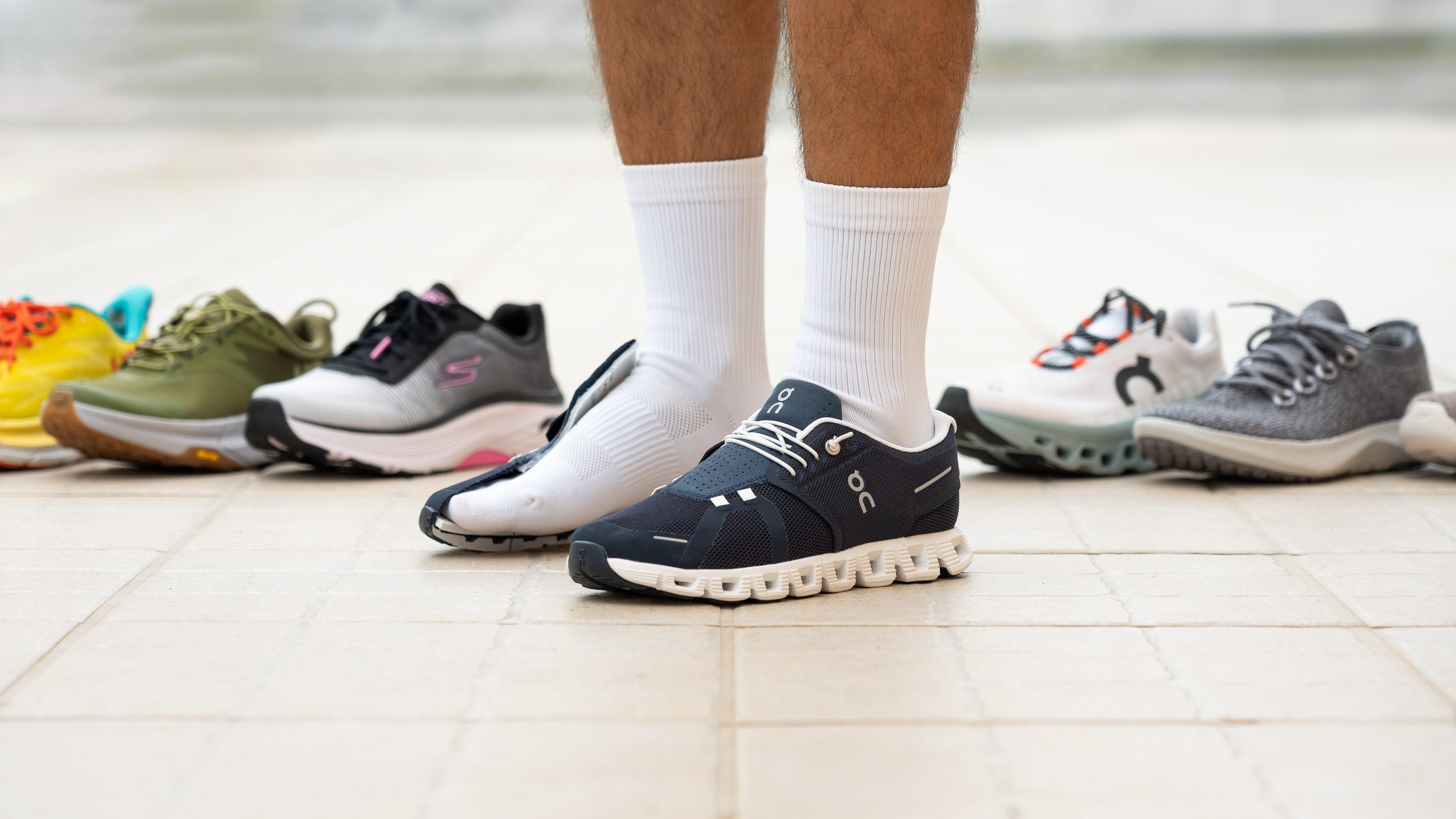
A high-quality walking shoe is an investment in your future mobility. Durability is a key component of this value proposition. It is determined by the quality of outsoles (often made of carbon rubber for high-wear areas), the strength of stitching and bonding, and the resilience of the upper materials. A well-made pair should provide consistent performance for approximately 300 to 500 miles of walking, as a general guideline cited by experts on platforms like Runner’s World. However, the most scientifically advanced shoe has a finite lifespan. The midsole cushioning, which is often the heart of the shoe’s comfort, compresses and loses its resiliency over time, long before the outsole wears through. Continuing to use worn-out shoes is one of the most common causes of overuse injuries. The telltale signs are not always dramatic; it can be a newfound ache in your shins or knees, or visible creasing and compression in the midsole foam. Replacing your walking shoes proactively is a non-negotiable aspect of self-care. It is the recognition that this tool requires maintenance and renewal to continue serving its vital purpose. By budgeting for this cyclical replacement, you are effectively investing in a long-term insurance policy for your musculoskeletal health.
:max_bytes(150000):strip_icc()/when-should-i-replace-my-walking-shoes-3436325-0801-7a1840d83573471092e0380f9e230ecc.jpg)
Making the Choice Accessible: Knowledge and Value
Navigating the market for the perfect walking shoe can be daunting. This is where professional knowledge becomes a service. Understanding the nuances of foot type (neutral, flat, high-arched), gait analysis, and the intended use (urban walking, trail, all-day standing) is crucial. Reputable retailers often have trained staff or even digital fitting tools to guide this process. Armed with this knowledge, you can make an informed choice rather than a guess. Furthermore, this expertise should be paired with accessible value. Premium technology and design no longer need to command a prohibitive price. The competitive market, direct-to-consumer models, and seasonal sales cycles create frequent opportunities to acquire exceptional footwear at discounted prices. The goal is to democratize the experience of all-day comfort and confidence. As entrepreneur and author Tim Ferriss often discusses in the context of optimizing life, investing in the tools that you use every day—especially those between you and the ground, like shoes, chairs, and beds—provides an outsized return on investment for your quality of life. Finding a trusted source that brings both deep product knowledge and attractive pricing is the final step in unlocking a world where every step is taken with assurance and ease.
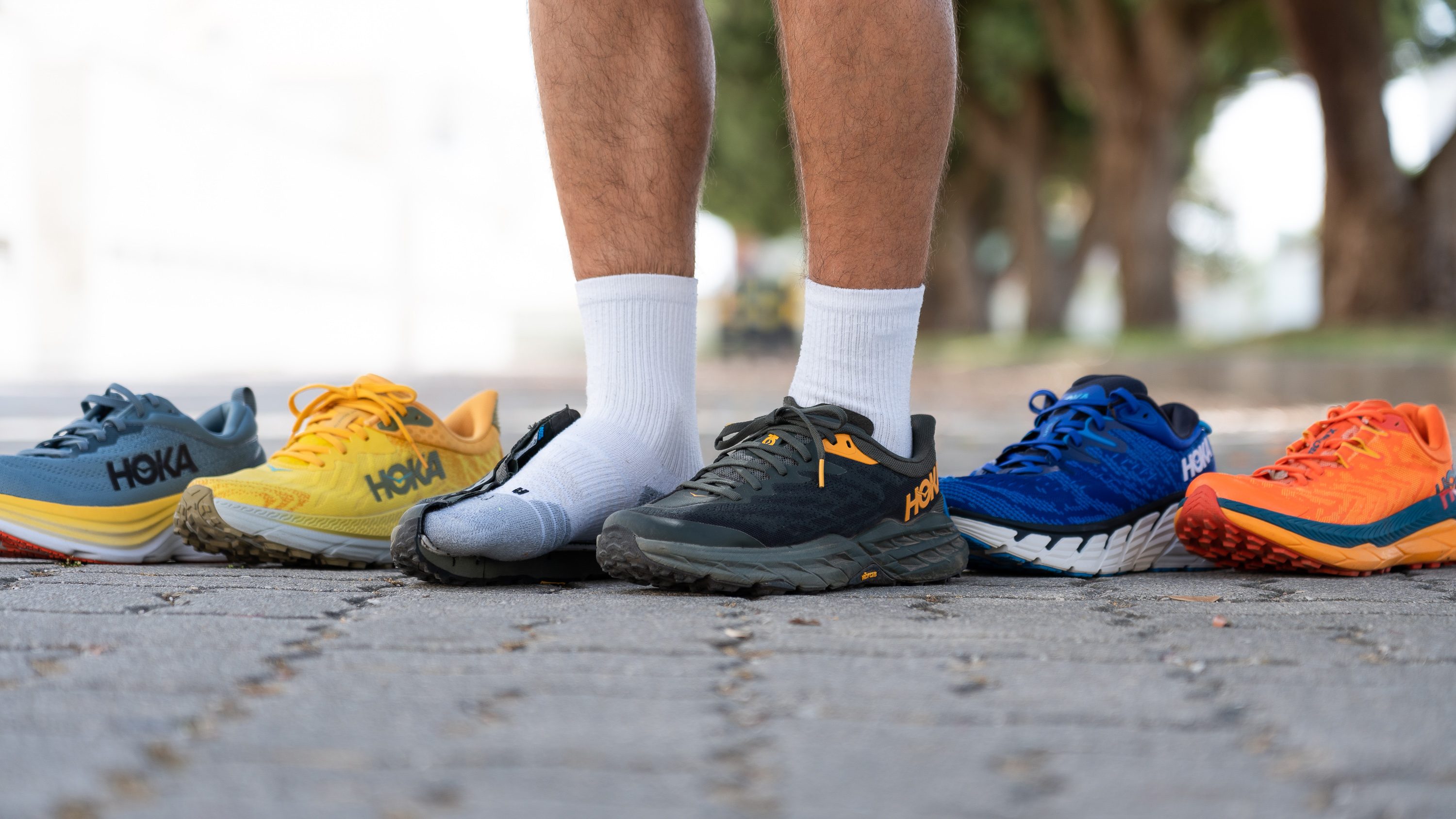
The journey toward finding footwear that truly serves you is a rejection of the old compromise. It is an embrace of a new reality where engineered comfort and intentional style are woven into the same fabric. The right walking shoe does more than protect your feet; it enhances your posture, fuels your energy, and complements your personal narrative. It is a quiet, daily affirmation that you deserve to move through the world with both ease and expression. When you lace up a pair that embodies this philosophy, you’re not just putting on shoes—you’re equipping yourself for the path ahead, however you choose to walk it.
