

Comfort Meets Style for Every Outfit
For years, fashion and comfort were presented as opposing forces on the battlefield of personal style. We were told to choose: suffer for beauty in pinching heels and stiff denim, or surrender to frumpiness in shapeless sweats. This is a false dichotomy, a sartorial myth that has dictated our closets and compromised our well-being for too long. The truth, which we are now embracing with collective relief, is that the pinnacle of modern dressing is the seamless integration of comfort and style. It’s not about one over the other; it’s about the alchemy that occurs when both are present in equal measure. This philosophy transforms how we move through the world, impacting our posture, our confidence, and our daily joy. At the foundation of this revolution—quite literally—is a single, pivotal item: the walking shoe. No longer confined to the gym or the garden path, the right walking shoe has become the linchpin of a versatile, confident, and profoundly comfortable wardrobe.
The Anatomy of All-Day Comfort: It’s More Than Just Softness
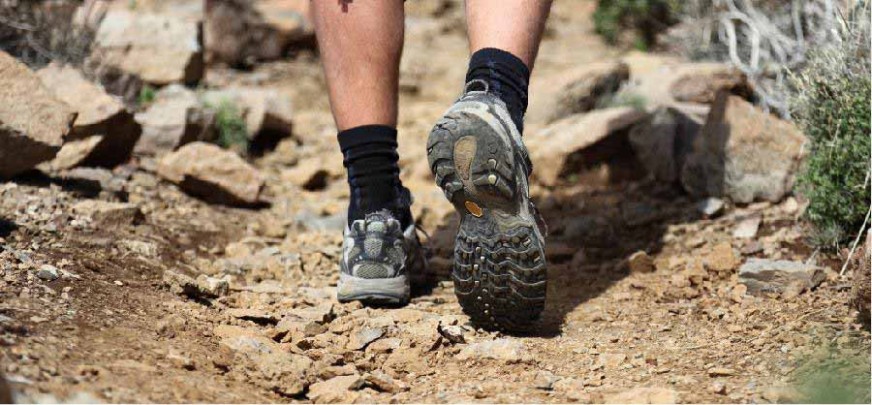
When we speak of comfort in footwear, the immediate mental image is often one of plush softness, like sinking into a cloud. While cushioning is a critical component, true, scientific comfort—the kind that allows you to be on your feet from dawn till dusk without a second thought—is a complex engineering feat. It involves a synergy of biomechanics, material science, and ergonomic design. Let’s dissect the key elements, particularly as they relate to the modern walking shoe. First, consider arch support. The human foot has three primary arches (medial longitudinal, lateral longitudinal, and transverse) that form a dynamic, shock-absorbing truss. According to research from the American Podiatric Medical Association, improper support can lead to a cascade of issues, from plantar fasciitis to knee and back pain. A quality walking shoe is designed with contoured footbeds or removable insoles that cater to different arch types (neutral, low, or high), maintaining the foot’s natural alignment. Next is midsole technology. This is the heart of cushioning and stability. Brands utilize proprietary compounds like Adidas’s Boost, ASICS’s GEL, or Nike’s Air units. These materials aren’t just soft; they are engineered to provide resilient energy return. As Dr. Casey Kerrigan, a former Harvard Medical School professor of physical medicine, has noted in her studies on footwear biomechanics, “The goal is to reduce the loading forces on your joints with each step.” The outsole’s flex grooves and rubber composition determine grip and flexibility, allowing for a natural heel-to-toe roll-off. Finally, the upper must balance breathability (often through engineered mesh) with structured support around the heel and midfoot to prevent slippage and blisters. Understanding this anatomy demystifies why one pair of sneakers feels liberating while another leads to fatigue. It empowers you to look beyond color and brand, to make choices grounded in the objective science of how your body moves.
Style is a Spectrum: From Monochrome Minimalism to Bold Expression
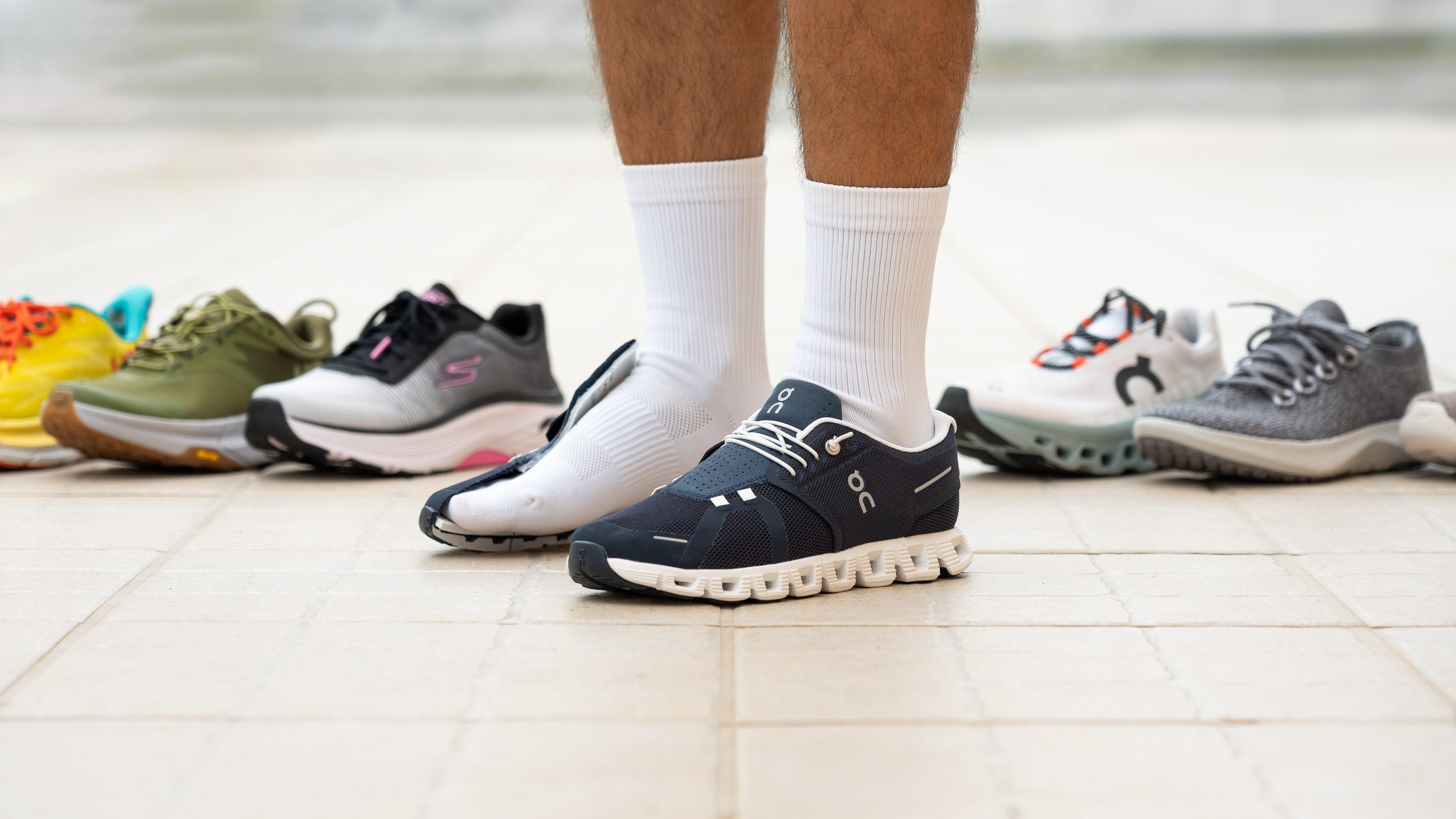
If comfort is the science, style is the art. And the art of the contemporary walking shoe has exploded into a vibrant spectrum. The days of bulky, purely technical-looking sneakers dominating the comfort category are over. Today’s market offers a silhouette for every aesthetic. On one end, we have monochrome minimalism. Think sleek, low-profile designs in white, black, or grey. Brands like Common Projects, Axel Arigato, and even sportswear giants like Adidas with their Stan Smith or Nike with the Killshot have perfected this look. These shoes function as a neutral canvas, providing a clean, polished foundation that complements tailored trousers, elegant midi skirts, or raw denim without shouting for attention. They embody the “quiet luxury” trend, where quality and cut speak louder than logos. On the opposite end of the spectrum lies bold expression. This is where technology meets maximalism. We see chunky “dad shoes” from Balenciaga or New Balance, revived with ironic cool. We encounter vibrant color-blocking, reflective details, and unconventional material mixes. As fashion historian and curator Dr. Valerie Steele has discussed in contexts like the Museum at FIT, such trends often reflect a cultural moment—here, a rejection of formality and an embrace of individuality and nostalgia. There is also the burgeoning category of elevated athleisure sneakers, which seamlessly blend performance features with sophisticated materials like suede, leather, and knit uppers. The key takeaway is that the stylistic function of the walking shoe has fundamentally shifted. It is no longer an accessory you tolerate for practicality; it is a deliberate style statement that anchors and defines an outfit. You can choose a shoe that disappears into your look or one that becomes the focal point, but in both cases, it does so without demanding a sacrifice in comfort.
The Versatility Equation: One Shoe, Multiple Outfits
The true test of a wardrobe hero is its versatility. A singular, perfect walking shoe should possess the chameleon-like ability to adapt to various social and stylistic contexts. This isn’t about having one shoe for all occasions, but rather about selecting a few key pairs that, through intelligent design and color, can cross-pollinate with the majority of your closet. Let’s solve this versatility equation. Start with a neutral foundation pair. A crisp white leather sneaker, for instance, is arguably the most versatile item in modern fashion. It can be paired with a flowing summer dress for a breezy, feminine look; with cropped trousers and a blazer for smart-casual office attire (where dress codes permit); or with jeans and a t-shirt for timeless weekend wear. The contrast it provides is fresh and modern. Next, consider a seasonal texture or tone. A sleek black sneaker in suede transitions beautifully into fall and winter, complementing wool coats, dark denim, and knitwear. For spring, a pale grey or beige mesh style can lighten up your palette. The final variable in the equation is a statement piece. This could be a shoe with a distinctive color pop (like terracotta or deep green) or an interesting silhouette. This pair is for when your outfit is simpler and you want the shoe to carry the visual weight. The underlying principle, echoed by stylists from platforms like Who What Wear and The Zoe Report, is intentional coordination. Look at the lines of your clothing—does a chunkier shoe balance a slim-fit pant? Does a low-profile sneaker elongate the leg when paired with a cropped hem? By mastering these pairings, you exponentially increase the value of each shoe in your collection, moving beyond arbitrary rules toward a personalized, functional style logic.
Beyond the Hype: Investing in Foot Health as Self-Care
In an era where self-care is rightly prioritized, we often think of face masks, meditation apps, and gym memberships. Yet, we consistently neglect the foundation of our physical mobility: our feet. The choice of footwear is a profound, daily act of self-care with long-term implications. Consider the data: the average person takes between 4,000 and 10,000 steps per day. Over a lifetime, that amounts to millions of impacts that travel from your feet up through your kinetic chain. Wearing ill-fitting or unsupportive shoes is not a minor discomfort; it’s a repetitive stress injury in the making. Podiatrists frequently cite the popularity of unsupportive flats and flimsy sandals as a leading contributor to common complaints. Investing in a properly fitted, well-constructed walking shoe is preventative healthcare. It’s an investment in your future mobility, joint health, and overall vitality. This perspective reframes the purchase from a fleeting fashion buy to a considered investment in your well-being. As renowned chef and author Anthony Bourdain once reflected on the importance of quality tools for professionals who are on their feet all day, “Your shoes and your knives. If you’re not comfortable, you’re not happy.” This sentiment applies universally. When your feet are supported, your body is aligned, your energy is conserved, and your mind is free from distraction. The comfort provided by a great pair of shoes is the invisible support system that allows you to fully engage with your life, your work, and your adventures.
Making an Informed Choice: A Guide, Not a Gospel
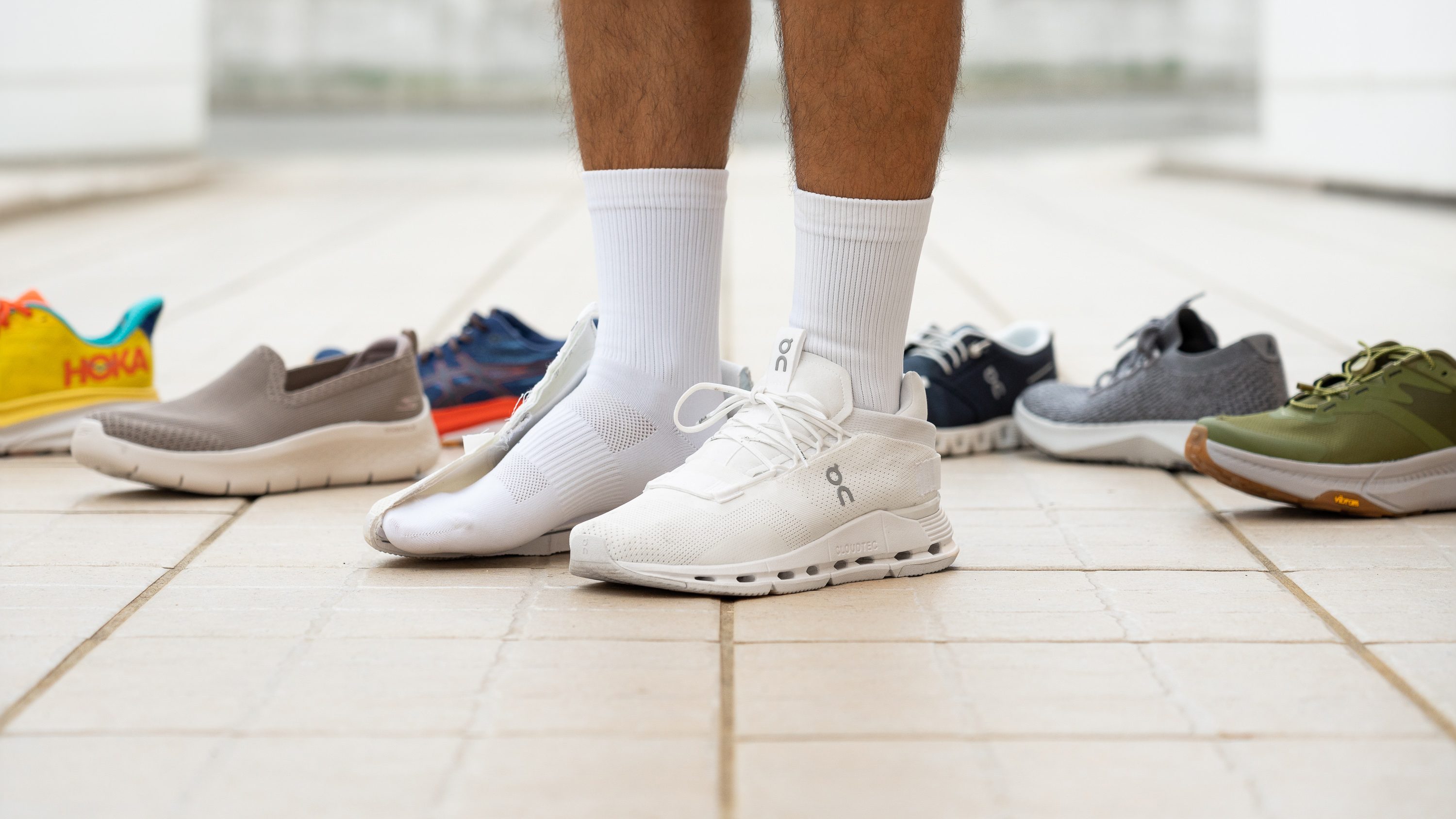
With countless options vying for your attention, selecting the right walking shoe can feel overwhelming. This is not about following a singular “best of” list, but about becoming an informed consumer attuned to your own body and lifestyle. Begin with fit. This is non-negotiable. Your foot size can change over time, especially with age or pregnancy. Have your feet measured professionally, and always try on shoes in the afternoon when feet are naturally slightly swollen. There should be about a thumb’s width of space between your longest toe and the end of the shoe. The widest part of your foot should align with the widest part of the shoe without pinching. Next, analyze your gait. Many specialty running stores offer free gait analysis. Are you an overpronator (your foot rolls inward excessively), an underpronator (supinator, rolling outward), or neutral? This will guide you toward shoes with the appropriate stability features. Then, audit your primary activities. Are you mostly on hard urban pavement? Do you incorporate light trails or gravel paths? The outsole traction pattern should match your terrain. Finally, consider sustainability if it aligns with your values. Brands are increasingly using recycled materials, like plastic bottles transformed into polyester yarn for uppers, or developing biodegradable midsole compounds. Resources like the “RunRepeat” research platform provide deep-dive comparisons and durability tests, cutting through marketing claims. Remember, the most expensive shoe is not necessarily the best for you. The goal is to find the intersection of impeccable fit, functional support for your movement patterns, and a design that sparks joy when you look at it on your feet.
The journey toward a wardrobe where comfort consistently meets style is both a liberation and an education. It asks us to discard outdated rules and listen to the wisdom of our own bodies. It challenges us to see the walking shoe not as a compromise, but as a catalyst for a more dynamic, confident, and comfortable way of living. When your foundation is secure and stylish, every outfit becomes an opportunity for effortless expression, and every step is taken with intention and ease. This is the new standard: where what you wear empowers how you move through your day, without demanding a single sacrifice in return.
