

Your Ultimate Guide to Effortless Style and All-Day Comfort
Forget the notion that comfort requires a sacrifice of style, or that looking good means enduring a day of pinched toes and aching arches. The modern pursuit of fashion is inextricably linked to the fundamental need for physical well-being. This guide dismantles that false dichotomy, presenting a philosophy where your footwear—specifically, the right walking shoe—becomes the foundational element of a confident, pain-free, and stylish existence. We are not merely discussing a piece of apparel; we are discussing an instrument of liberation for your daily life, from your morning commute to your evening stroll.
The Foundation: Why Your Choice in Footwear Dictates Your Day
The human foot is a marvel of biomechanical engineering, comprising 26 bones, 33 joints, and over a hundred muscles, tendons, and ligaments. According to research from institutions like the Harvard Medical School, the force exerted on your feet when walking can exceed 1.5 times your body weight. This isn’t just a pedestrian fact; it’s a scientific imperative for mindful shoe selection. A poorly designed shoe doesn’t just cause discomfort—it can misalign your gait, leading to a cascade of issues in your knees, hips, and lower back. The American Podiatric Medical Association consistently emphasizes that footwear is the first line of defense against a host of musculoskeletal problems. Therefore, selecting a shoe is not a casual fashion choice but a critical health decision. The right walking shoe acts as a dynamic partner, absorbing shock, providing stability, and supporting the foot’s natural movement. It is the unsung hero that allows you to navigate urban landscapes or park pathways with grace and resilience, turning what could be a daily grind into a series of effortless strides.
Decoding the Anatomy of the Perfect Walking Shoe
To make an informed choice, one must move beyond brand names and aesthetics and understand the core components. Let’s dissect the anatomy of an ideal walking shoe. First, the upper: it should be constructed from breathable, flexible materials like engineered mesh or soft leather. This allows for air circulation, reducing moisture and heat, while accommodating the natural swell of your foot throughout the day. Second, the midsole: this is the heart of the shoe’s comfort technology. Materials like EVA (ethylene-vinyl acetate) foam or advanced polyurethane compounds provide cushioning. The concept of “energy return,” popularized by brands like Brooks and Hoka, refers to the midsole’s ability to give back a portion of the energy absorbed upon foot strike, propelling you forward with less effort. Third, the outsole: look for durable rubber with a flexible groove pattern. This provides essential traction and allows the shoe to bend naturally with your foot’s roll from heel to toe. Finally, the heel counter: a firm, molded cup at the back of the shoe that locks your heel in place, preventing slippage and ensuring stable, secure footing with every step.
Beyond the Hype: Objective Insights from Movement Experts
The discourse around footwear is often clouded by marketing. To find clarity, we turn to objective sources and expert opinions. On platforms like Quora and specialized running forums, biomechanists and physiotherapists frequently point to “gait analysis” as a non-negotiable first step. This process, often offered in specialty stores, observes how your foot moves and strikes the ground, identifying whether you need shoes for stability, motion control, or neutral cushioning. Furthermore, literature from authoritative universities, such as the University of Calgary’s Human Performance Laboratory, underscores the importance of “shoe drop” or “heel-to-toe offset.” This measurement affects how your calf and Achilles tendon load. A lower drop often promotes a more natural, mid-foot strike. As for celebrity endorsements, while they grab attention, the certified opinions of physical therapists on YouTube channels like “Bob & Brad” or “The Gait Guys” offer more scientifically grounded advice. They consistently advocate for fit and function over fashion, reminding viewers that the best walking shoe is the one you forget you’re wearing because it causes zero interference with your body’s natural mechanics.
:max_bytes(150000):strip_icc()/when-should-i-replace-my-walking-shoes-3436325-0801-7a1840d83573471092e0380f9e230ecc.jpg)
The Seamless Integration of Style and Substance
Thankfully, the era of clunky, purely utilitarian shoes is over. Today’s market is replete with options that satisfy the discerning eye without compromising on orthopedic principles. Brands like Cole Haan have long fused dress-shoe silhouettes with athletic shoe technology. Meanwhile, the rise of “athleisure” has been a game-changer. The aesthetic championed by celebrities and influencers on Twitter and Instagram—think sleek, minimalist designs from brands like Allbirds or versatile trainers from Nike and Adidas—proves that a shoe can be a statement piece while being biomechanically sound. The key is to identify the design elements that align with your personal style. Do you prefer the bold, maximalist cushioning of a Hoka, which has become a street-style icon in its own right? Or the clean, Scandinavian lines of an eco-friendly sneaker? The modern walking shoe exists at this perfect intersection, offering a palette of colors, textures, and profiles that complement everything from tailored trousers to casual weekend wear. You are no longer choosing between looking good and feeling good; you are curating both simultaneously.

A Curated Path to Your Perfect Pair: Actionable Knowledge and Value
Understanding the “why” and “what” is futile without the “how.” Here is your actionable roadmap. First, shop late in the afternoon when your feet are at their largest. Always try on both shoes with the socks you intend to wear. There should be about a thumb’s width of space between your longest toe and the end of the shoe. Second, prioritize fit over size. The number on the box is irrelevant; comfort and secure heel lockdown are paramount. Don’t be seduced by a “breaking-in” period; a proper walking shoe should feel comfortable from the first step. Third, consider your primary terrain. A shoe designed for paved surfaces will have different outsole properties than one meant for light trails. Now, let’s talk value. While investing in quality is non-negotiable, savvy shopping is key. Subscribe to newsletters from reputable retailers, keep an eye on end-of-season sales, and consider previous model years. Often, the technological advancements between model years are minimal, but the price drop can be significant. This is where professional knowledge pays off—you can identify the core technology you need (e.g., a specific stability feature or cushioning compound) and seek it out in a discounted earlier version, bringing top-tier comfort and science within a more accessible price range.
The Longevity Equation: When to Retire Your Trusted Companions
Even the perfect shoe has a finite lifespan. Relying on visual inspection alone is deceptive; the midsole’s cushioning breaks down long before the outsole is visibly worn. The consensus among podiatrists and shoe manufacturers, as noted on resources like Verywell Fit and Runner’s World, is to replace shoes every 300 to 500 miles. For the average walker, this translates to roughly every six to nine months. Track your usage casually with a pedometer app. Signs of retirement include new, unexplained aches in your legs or back, visible creasing in the midsole foam, or a loss of the shoe’s “bounce” when you press your thumb into it. Rotating between two pairs can extend the life of each by allowing the foam to fully decompress between wears. Viewing your shoes as consumable items, much like the tires on your car, is a mindset shift that protects your most valuable asset: your body’s ability to move without pain.
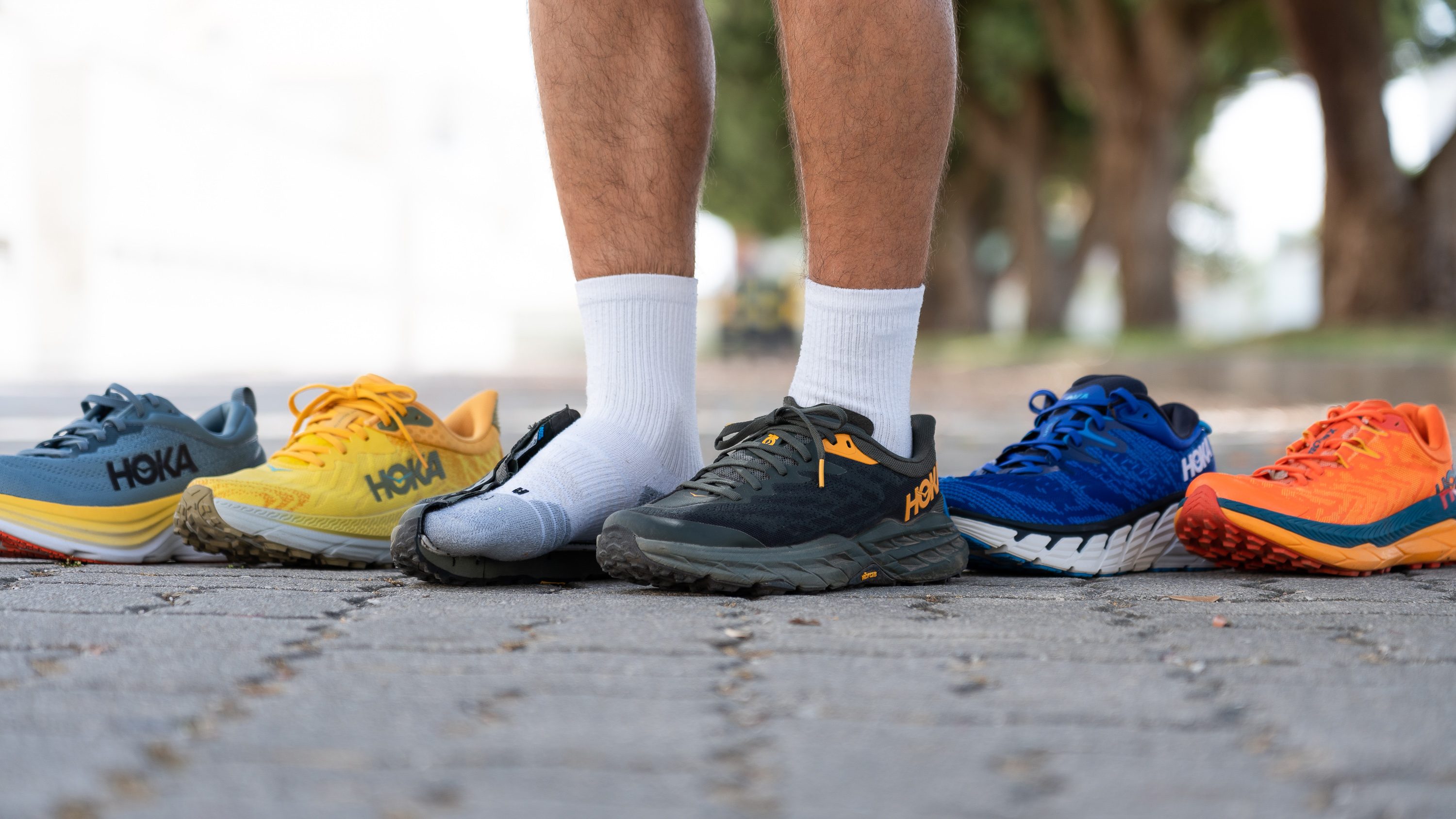
The journey to effortless style and all-day comfort begins from the ground up. It is a conscious choice to reject compromise and embrace a holistic approach to how you move through the world. By applying scientific understanding, seeking objective expertise, and making informed, value-conscious decisions, you empower yourself. Your footwear ceases to be an afterthought and becomes the deliberate foundation of your daily expression. When you lace up a shoe that aligns with your body’s mechanics and your aesthetic vision, you are not just getting dressed—you are equipping yourself for a life lived confidently, in comfort, and in style.
