

The Walking Shoe: Your Ultimate Guide to Comfort and Style
Forget the notion that comfort and style exist in separate worlds. The modern walking shoe has evolved into a sophisticated piece of footwear technology, engineered to support your body through thousands of steps while making a definitive statement about your personal aesthetic. This isn’t about settling for bland functionality; it’s about embracing a shoe that empowers your daily movement, whether you’re navigating urban landscapes, exploring nature trails, or simply chasing errands with grace and ease. The right pair becomes an extension of your lifestyle, a silent partner in your daily adventures that prioritizes your well-being without compromising on your look. We’re moving beyond the basic sneaker into a realm where biomechanical science meets contemporary design, offering solutions that cater to the nuanced needs of your feet and your fashion sense.
The Anatomy of Comfort: Deconstructing the Modern Walking Shoe
To truly appreciate a great walking shoe, one must understand its engineered components. Comfort is not a vague feeling but a scientific achievement built upon specific features. The foundation lies in the midsole, typically crafted from advanced materials like EVA (Ethylene-Vinyl Acetate) foam, polyurethane, or proprietary compounds like Brooks’ DNA LOFT or ASICS’ GEL technology. These materials are designed to absorb the shock of heel strike—a force that can be up to three times your body weight—and disperse it evenly, reducing stress on joints from the ankles to the spine. The rocker sole is another critical innovation, featuring a curved geometry that promotes a smooth roll from heel to toe, minimizing strain on the Achilles tendon and calf muscles. This design is often cited in podiatric literature from institutions like the American Podiatric Medical Association for its benefits in facilitating a natural gait cycle. Furthermore, the upper’s construction, utilizing breathable meshes and adaptive knit materials, ensures a secure, non-constrictive fit that accommodates the foot’s natural swelling during prolonged activity. A well-structured heel counter provides stability, cradling the rearfoot to prevent excessive inward or outward rolling (overpronation or supination), which are common culprits of walking-related injuries. Each element works in concert, transforming a simple shoe into a protective, performance-enhancing tool.
Biomechanics in Motion: Why Your Gait Dictates Your Choice
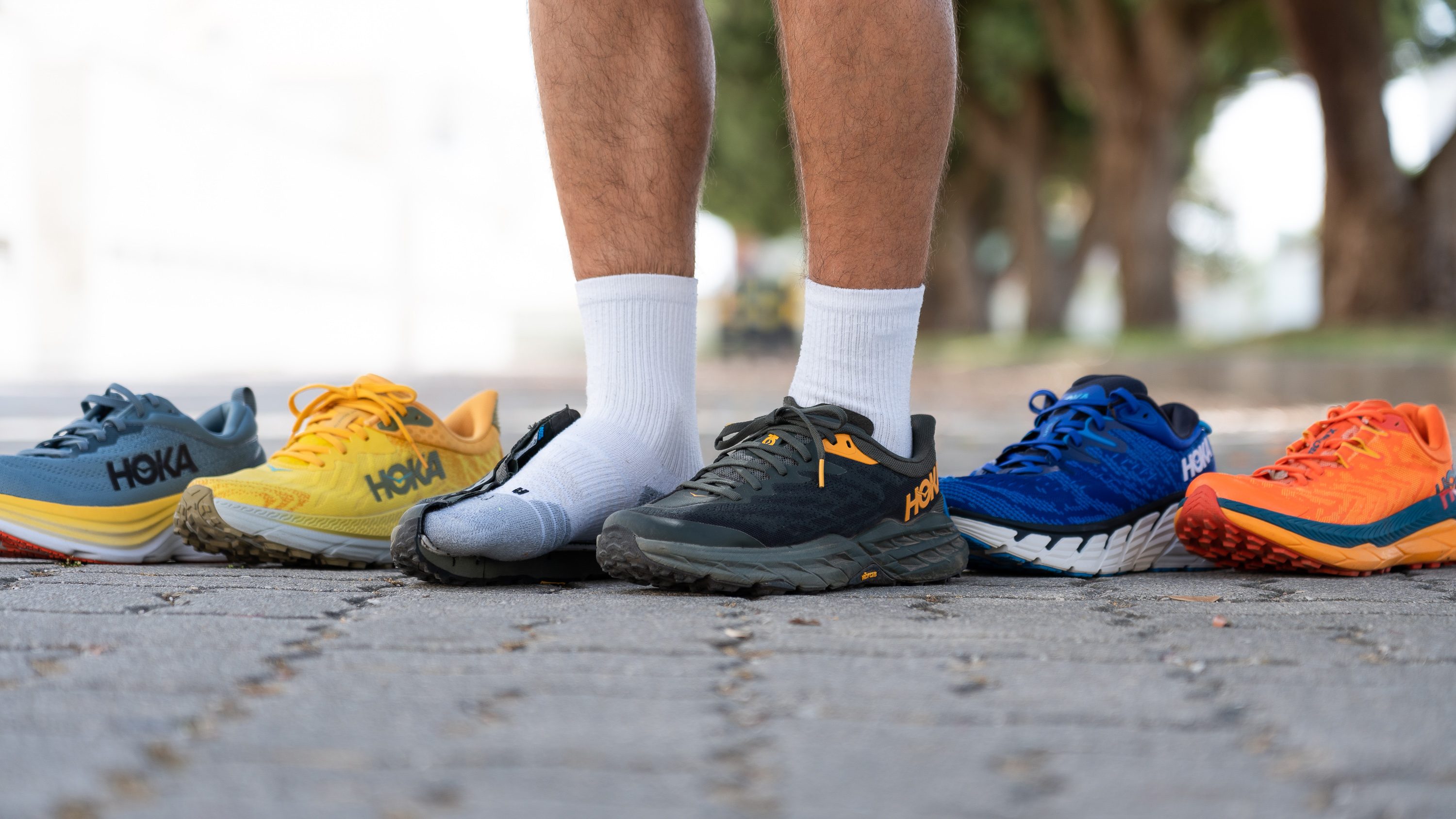
Selecting a walking shoe is a deeply personal endeavor because no two people walk exactly alike. Your gait pattern—the unique way your foot strikes and rolls through each step—is the most critical factor in choosing the right support. Generally, gaits are categorized as neutral, overpronated, or underpronated (supinated). Overpronation, where the foot rolls inward excessively, is common and can lead to issues like plantar fasciitis or shin splints. For this, a walking shoe with structured support or motion control features is essential. Brands like Brooks and New Balance offer models with medial posts—firmer foam on the inner side of the midsole—to correct this roll. Conversely, a supinated or underpronating gait, where the foot doesn’t roll inward enough, requires highly cushioned, flexible shoes to aid in shock absorption. Renowned running coach and author Jack Daniels, Ph.D., often emphasizes in his works that understanding one’s biomechanics is the first step to injury prevention. Many specialty running and walking stores offer gait analysis, often using pressure plates or video technology, providing objective data to guide your selection. Ignoring your biomechanics for the sake of trends is a disservice to your body; the right shoe should feel like a corrective, yet natural, extension of your movement.
:max_bytes(150000):strip_icc()/vwt-asics-womens-gel-pulse-16-jinfeng-chen-21-712f0f140e834b84b3a8dcf0bf154771.jpeg)
From Trail to Pavement: Contextualizing Your Walking Environment
The surface you most frequently traverse should heavily influence your shoe’s design priorities. A shoe built for rugged mountain trails differs vastly from one designed for city sidewalks. Trail-specific walking shoes prioritize aggressive, multi-directional lugs on the outsole for superior grip on loose dirt, mud, and rocks. They often feature protective toe caps and reinforced uppers to shield against debris, as seen in popular models from Merrell or Salomon. The trade-off can be slightly heavier weight and stiffer construction for durability. For urban explorers, the priorities shift. Pavement pounds the feet with consistent, unforgiving impact, demanding exceptional cushioning. The outsole needs a durable rubber compound, like Michelin or Continental partnerships used by some brands, for longevity on abrasive concrete. Flexibility is also key for navigating curbs and stairs. Furthermore, urban aesthetics often play a larger role. Brands like Allbirds, Cole Haan, and certain lines from Nike and Adidas have masterfully blended running shoe technology with minimalist, office-appropriate styling. As noted in design critiques from sites like Hypebeast or Gear Patrol, this fusion represents a major trend in athleisure, proving that technical performance and street-style credibility are no longer mutually exclusive.
The Style Equation: Where Fashion Meets Function
Let’s address the elephant in the room: for years, “comfort shoes” were synonymous with clunky, unattractive designs. That era is conclusively over. Today’s market is a testament to the fact that engineering and elegance can coexist. The rise of athleisure has fundamentally reshaped consumer expectations, pushing footwear brands to innovate not just in labs but in design studios. We see this in the sleek, monochromatic profiles of brands like APL (Athletic Propulsion Labs), the retro-futuristic appeal of New Balance’s 990 series, and the bold, maximalist cushioning of HOKA ONE ONE that has become a style statement in itself. Fashion icons have embraced this shift. Film characters like Forrest Gump in his iconic Nike Cortezes (a simple running shoe that became a cultural symbol) or the sartorial choices of celebrities like David Beckham, often spotted in functional yet stylish sneakers, have cemented the idea that practical shoes can be cool. As designer Tom Ford once remarked, “Dressing well is a form of good manners.” That sentiment now extends to choosing footwear that shows respect for your body’s needs while presenting your best self to the world. The modern walking shoe allows you to transition seamlessly from a morning walk to a casual lunch without a second thought about your footwear.
Investment and Value: Decoding Price Points and Technological Payoffs
Walking shoes can range from budget-friendly to investment-level price points, and understanding what you’re paying for is crucial. A higher price tag often reflects advanced proprietary technologies, higher-quality sustainable materials, and more sophisticated manufacturing processes. For instance, shoes featuring Adidas’ Boost foam or Nike’s React cushioning involve complex chemical engineering for durable, energy-returning comfort. Sustainability efforts, such as Allbirds’ use of merino wool and sugarcane-based EVA or Salomon’s incorporation of recycled materials, also contribute to cost but align with eco-conscious values. However, excellent options exist at mid-range prices. The key is to identify the features you genuinely need. A neutral walker on pavement might find perfect comfort in a $120 shoe with reliable cushioning, while someone with severe overpronation who logs miles on trails may require a $160+ model with specific support and durability. Consider cost per mile: a $50 shoe that wears out in three months is a poorer value than a $140 shoe that provides support and retains its structure for a year or more. Look for seasonal sales on previous models—the core technology often remains excellent, offering professional-grade performance at a significantly discounted price. Your feet are your foundation; investing in their care is a long-term investment in your overall mobility and health.
The Fitting Room: A Hands-On Guide to Your Perfect Pair
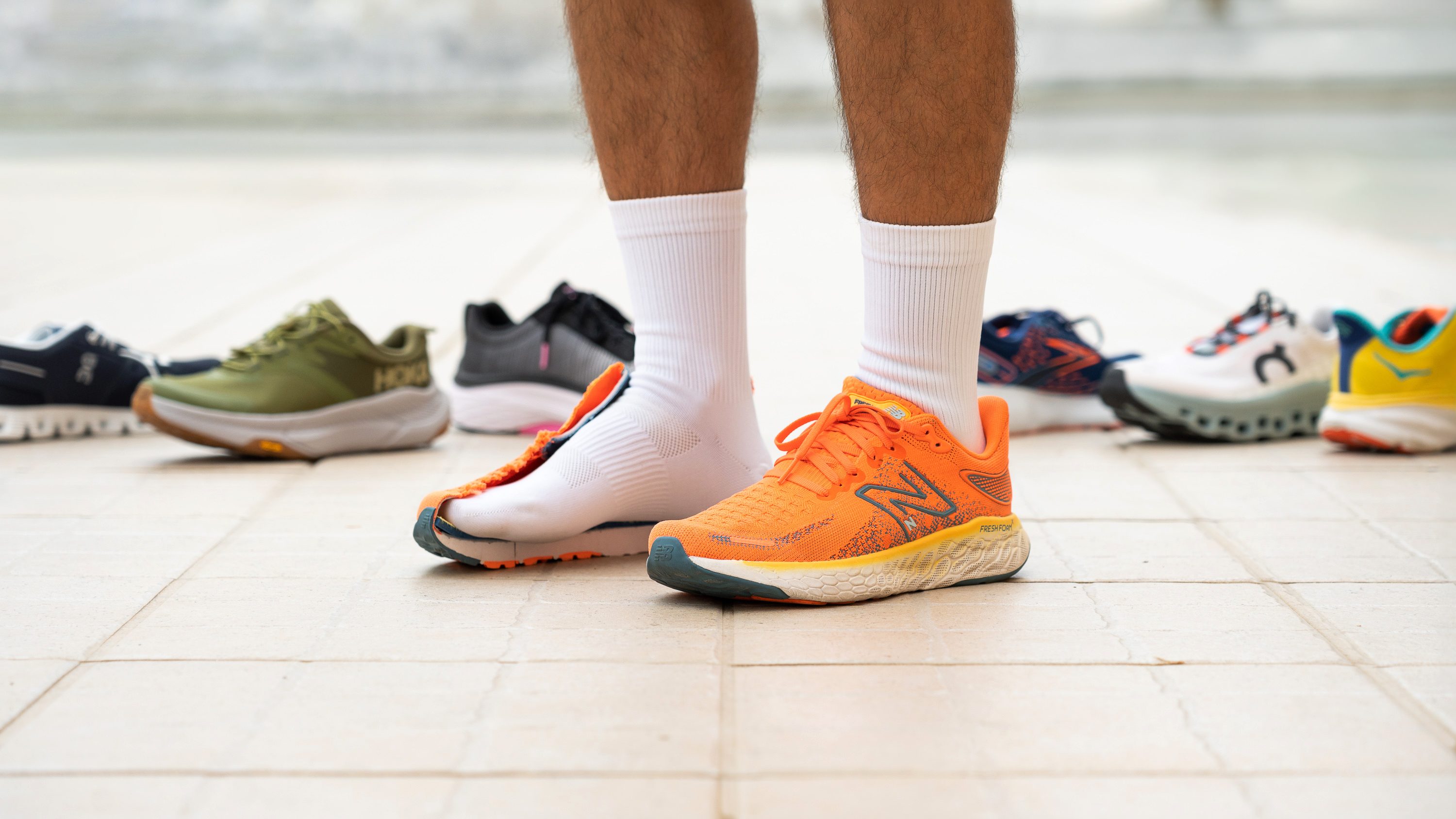
The final and most important step is the fitting. No amount of online research can replace the experience of trying shoes on your feet. Always shop in the afternoon or evening, as feet naturally swell throughout the day. Wear the socks you intend to walk in. When you try the shoe on, ensure there’s about a thumbnail’s width (roughly half an inch) of space between your longest toe and the end of the shoe to allow for natural foot splay and swelling during use. The widest part of your foot should align comfortably with the widest part of the shoe. Don’t just stand—walk around the store, on hard surfaces if possible. Pay attention to pressure points, heel slippage, and arch support. The shoe should feel secure and supportive immediately, without a “break-in” period. Modern performance shoes are designed to feel right from the first step. As noted by experts on platforms like YouTube’s “The Run Experience” channel, a proper fit is non-negotiable for injury prevention. Remember, sizing can vary dramatically between brands and even models within the same brand. Let your feet, not the number on the box, be the ultimate judge. This hands-on process is where you translate all the technical knowledge and style considerations into a tangible, personal tool for better movement.
The journey to finding your ideal walking companion is an intersection of science, self-awareness, and personal expression. It’s a deliberate choice to no longer sacrifice comfort for style, or vice versa. By understanding the engineering behind support, respecting your unique biomechanics, considering your environment, and embracing the modern designs available, you equip yourself with more than just footwear. You choose a catalyst for a more active, confident, and pain-free life. The perfect walking shoe is out there, waiting to meet the road, the trail, or the city street with you—step for comfortable, stylish step.
