

The Ultimate Guide to Tennis Shoes for Everyday Walking
Forget the notion that athletic shoes are confined to their sport. The lines have blurred, and one of the most significant crossovers in footwear is the adoption of tennis shoes for walking. This isn’t about making do with what’s in your closet; it’s about recognizing a category of shoe that, by design, offers a unique blend of support, durability, and comfort perfectly suited for the daily stride. We’re moving beyond casual assumptions to a data-driven, biomechanically informed perspective on why a well-chosen tennis shoe can be a superior choice for your everyday miles, offering a fusion of professional-grade technology often at a more accessible price point than dedicated “walking” shoes.
The Biomechanical Bridge: Why Tennis and Walking Align
To understand the suitability of tennis shoes for walking, we must first dissect the demands of each activity. Tennis is a sport of explosive lateral movements, quick stops and starts, and constant pressure on the forefoot. As noted in research from the University of Calgary’s Human Performance Laboratory, tennis footwear is engineered to provide exceptional medial-lateral stability to prevent ankle rolls during side-to-side cuts. This is achieved through reinforced outsoles, sturdy heel counters, and supportive uppers. Now, consider the mechanics of walking. While less dynamic, walking is a repetitive, linear motion that places consistent impact on the heel and a rolling pressure through the midfoot to the toe-off. The stability needed for tennis translates directly to walking, especially for those who overpronate—where the foot rolls inward excessively. A study published in the Journal of Foot and Ankle Research highlights that motion control and stability features, core tenets of tennis shoe design, are critical in managing pronation during gait, reducing the risk of conditions like plantar fasciitis and shin splints. Therefore, the robust construction of a tennis shoe provides a stable platform that can make every step feel more secure and controlled, turning a simple walk into a supported, joint-friendly activity.
Deconstructing the Anatomy: Key Features of a Walking-Worthy Tennis Shoe
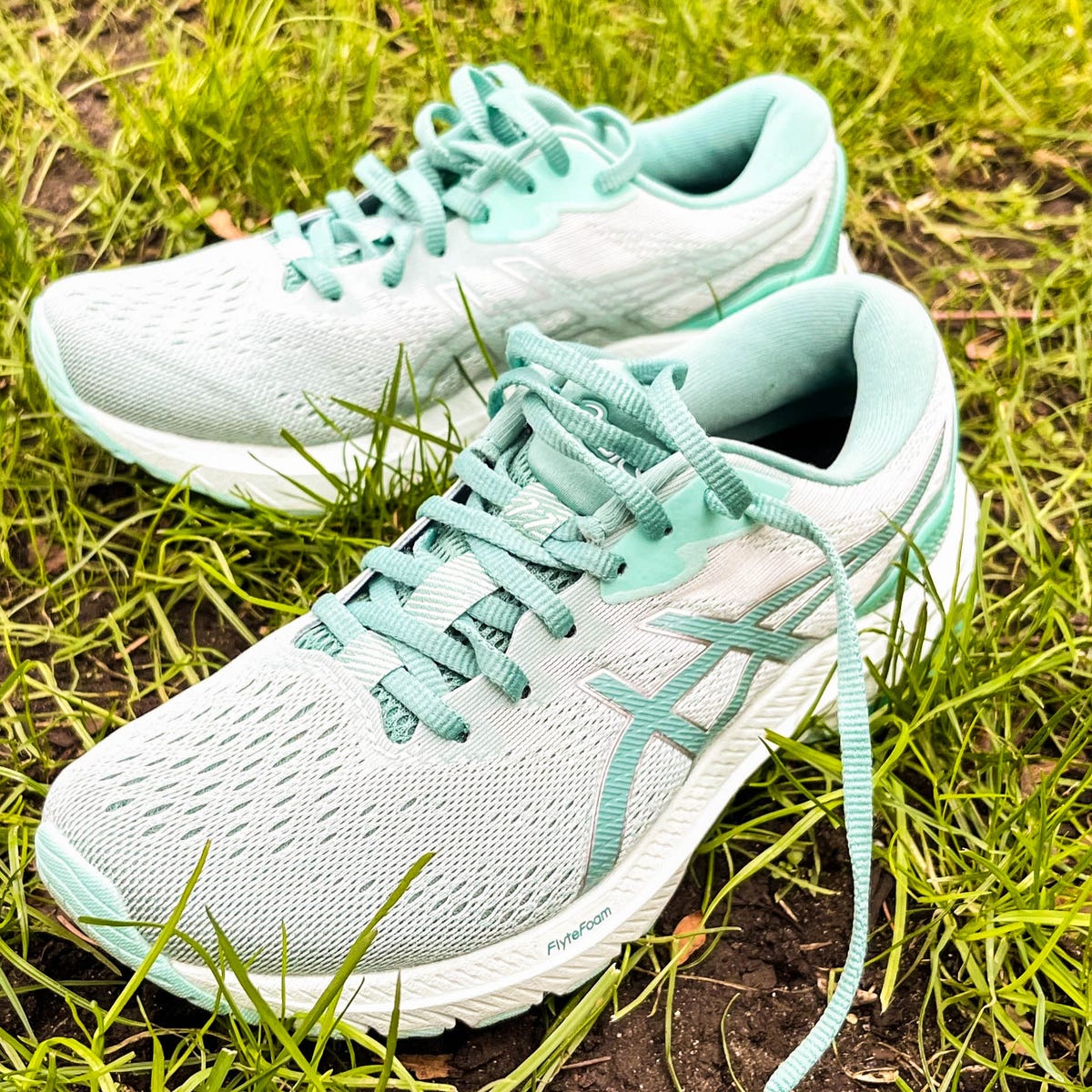
Not all tennis shoes are created equal for pedestrian purposes. The ideal candidate shares specific architectural features. Let’s break down the essential components. First, the midsole cushioning. Brands like ASICS, with their GEL technology, and Nike, with Air or Zoom units, often incorporate responsive yet soft cushioning in tennis models to absorb the high-impact landings of the court. This technology is directly transferable to cushioning the heel strike in walking. As Dr. Casey Kerrigan, a renowned biomechanist, has stated in interviews, “The goal of cushioning isn’t just comfort; it’s about reducing the peak loading forces on your joints.” Second, the outsole durability and tread pattern. Tennis shoe outsoles, made from non-marking, high-abrasion rubber like Nike’s XDR or Adidas’s Adiwear, are designed to withstand dragging and scraping on hard courts. This results in exceptional longevity on pavement and concrete. The herringbone or modified tread patterns offer excellent multi-directional grip, providing confidence on varied urban surfaces. Third, the upper and fit. Tennis shoes frequently feature reinforced toe guards (to withstand toe-drags) and structured, breathable mesh uppers that offer a secure, locked-down fit. This prevents the foot from sliding inside the shoe during walking, a common cause of blisters. When you choose a tennis shoes for walking, you are investing in a package built to endure more punishment than a typical walking shoe, often translating to a longer lifespan and better protection for your feet.

Navigating the Market: Top Contenders and How to Choose
The market offers a spectrum of tennis shoes, from minimalist models to highly structured ones. Your choice should hinge on your walking style, foot type, and the environment. For the high-mileage urban walker with a neutral gait, a model like the New Balance Fresh Foam Lav offers plush cushioning in a sleek package. For those requiring maximum stability and motion control—perhaps you know you overpronate—the ASICS Gel-Resolution or Adidas Barricade series are exemplary. These shoes incorporate technologies like ASICS’ Dynamic Duomax support system, a dual-density midsole that firmens the arch side to control inward rolling. It’s a feature lauded in podiatric literature for its efficacy. Don’t overlook fit. Your walking tennis shoe should feel snug in the heel and midfoot with ample room in the toe box to allow for natural splay and swelling during long walks. A pro tip from certified pedorthists is to shop later in the day when your feet are at their largest. Remember, the goal is to find a tool that enhances your natural movement, not restricts it. The versatility of tennis shoes for walking means you’re getting a shoe that performs on a morning commute, a weekend park stroll, and even a light gym session, offering tremendous value.
The Value Proposition: Technology Meets Affordability
Here lies one of the most compelling arguments for choosing a tennis shoe: the value. High-performance tennis shoes are often the testbed for a brand’s latest cushioning, support, and durability technologies. Because tennis is a premium sport, these innovations trickle down into its footwear aggressively. However, compared to the marketing-driven prices of some flagship running or dedicated “wellness” walking shoes, tennis models can offer similar or superior technology at a more accessible price, especially when you consider their extended durability. Furthermore, the seasonal cycle of tennis releases means previous models are frequently discounted. You can often find a top-tier tennis shoe from the last season, with 90% of the performance of the newest model, at a significant discount. This democratizes access to advanced biomechanical engineering. As noted by popular YouTube reviewer “Doctor of Feet,” in a comparison of walking-friendly shoes, “The ASICS Gel-Dedicate, a solid tennis entry, often provides better forefoot cushioning and lateral support than walking shoes at a similar price point, making it a secret weapon for savvy consumers.” This strategic purchase brings professional-grade knowledge and discounted prices directly to you, the informed walker.

A Word from the Courts: Endorsements Beyond Sport
The practicality of tennis shoes for walking isn’t just a theory; it’s a practice endorsed by figures across domains. Celebrity trainer Harley Pasternak has frequently mentioned in media interviews his preference for stable, court-style shoes for all-day wear with clients, citing their foundation-like support. In literature, the emphasis on practical, durable footwear finds a voice. While not about tennis shoes per se, the sentiment in Cheryl Strayed’s Wild, where the right boots were critical for a thousand-mile journey, echoes the importance of choosing footwear based on rigorous, real-world demands, not just labels. On platforms like Quora and specialized forums, physical therapists and seasoned walkers often recommend specific tennis models for individuals with mild to moderate plantar fasciitis, due to their firm heel counters and arch support. This convergence of opinion from fitness professionals, cultural touchstones, and community wisdom underscores a simple truth: the best tool for a job is defined by its function, not its name. A shoe built for the multidirectional rigors of a clay court is inherently over-engineered for the linear path of a sidewalk, and that’s a benefit, not a flaw.
Embracing tennis shoes for your daily walks is a decision rooted in biomechanics, material science, and smart consumerism. It’s a move away from generic categories and towards a personalized understanding of what your feet truly need: stability for every step, cushioning for every impact, and durability for every mile. This isn’t a compromise; it’s an upgrade. By selecting the right tennis shoe, you’re not just walking—you’re investing in a foundation of support that carries you further, more comfortably, and more economically. The path forward is clear, and it’s best walked in shoes built to handle much more than just a straight line.
