

A Versatile Wardrobe Essential
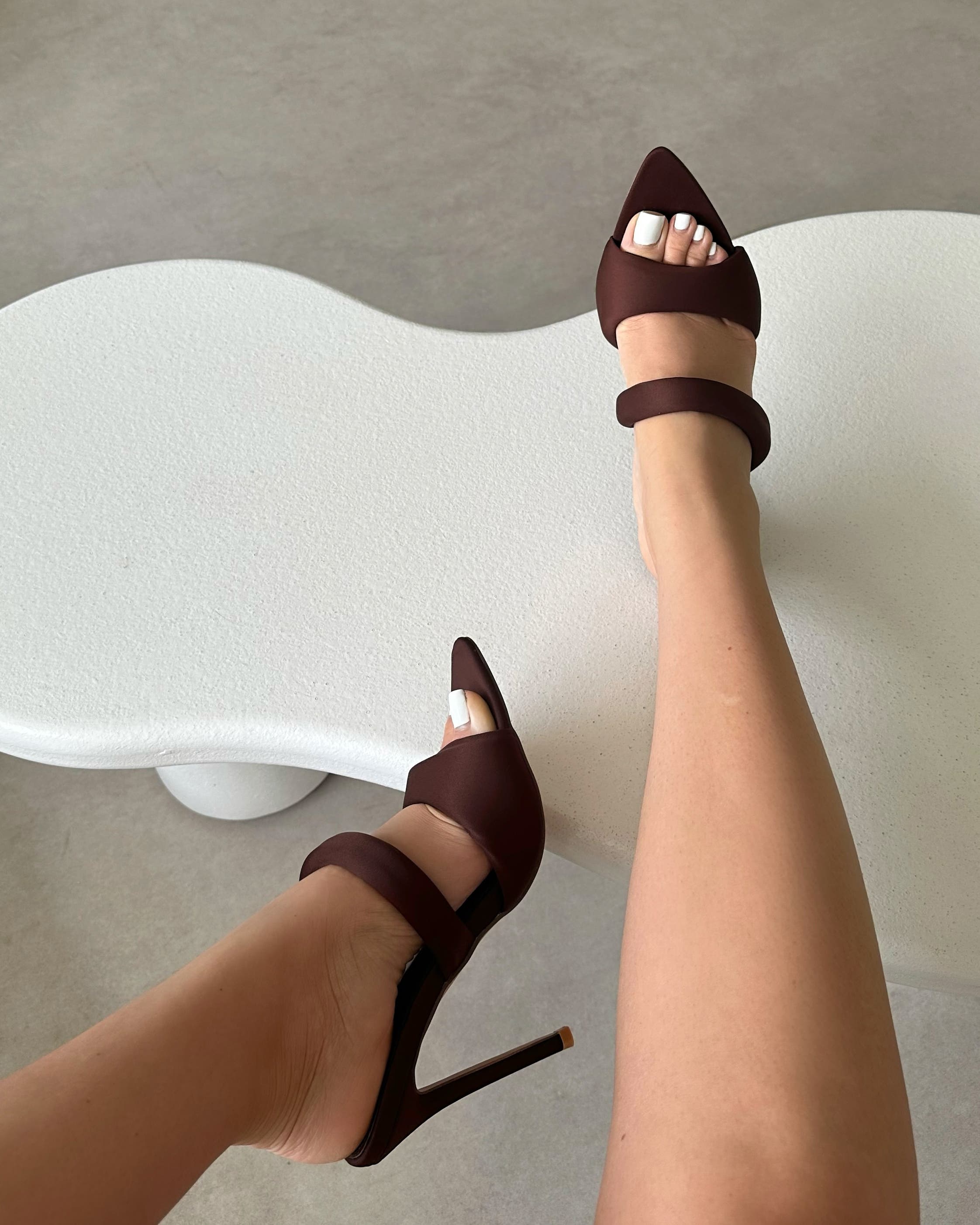
In the ever-evolving landscape of fashion, certain pieces transcend fleeting trends to become foundational elements of personal style. They are the silent workhorses of our closets, the items we reach for instinctively when confidence and cohesion are paramount. Among these, one particular item stands out not for its flamboyance, but for its profound ability to anchor, elevate, and harmonize: the chocolate brown heels. This is not merely about a shoe; it’s about adopting a tool of sartorial intelligence. The rich, earthy tone of chocolate brown possesses a unique chromatic diplomacy, bridging the gap between the starkness of black and the casualness of nude. It is a color that speaks of grounded sophistication, and when crafted into a heel, it becomes a powerhouse of versatility. Let’s explore why this specific hue in footwear is not just an option, but a strategic cornerstone for a discerning wardrobe.
The Chromatic Psychology and Historical Grounding of Brown
To understand the power of chocolate brown heels, one must first appreciate the color itself. Chromatically, brown is a low-intensity, low-lightness color often associated with the earth, wood, and stability. According to color theory, it evokes feelings of reliability, resilience, and warmth. This is not a color that shouts; it whispers assurance. Historically, brown has a complex narrative. Once considered a humble color for monks’ robes and peasant clothing, its perception shifted dramatically. In the 18th century, it gained intellectual cachet, as noted by historian Michel Pastoureau, linking it to the Enlightenment’s values of simplicity and a return to nature. Fast forward to the 20th century, and brown became a symbol of utilitarian chic, popularized by figures like Steve McQueen and the rise of safari-style fashion. This historical journey from humility to sophisticated utility directly informs the modern appeal of brown footwear. A pair of chocolate brown heels carries this legacy—it is both intellectually grounded and effortlessly cool, offering a narrative depth that pure black or white often lacks. It is a color that communicates authenticity, a quality highly prized in contemporary personal branding, whether online or in person.

Versatility in Practice: From Corporate to Casual
The primary argument for the chocolate brown heels as a wardrobe essential lies in its unparalleled chameleon-like ability. Consider the modern professional woman’s dilemma: she needs to project authority in a boardroom yet may transition to a client dinner or a casual Friday without a complete outfit change. A sharp black heel can feel overly severe, while a bright color might undermine professionalism. Here, the chocolate brown shade excels. Paired with a navy suit, it breaks the monochrome severity, adding a touch of approachable warmth while maintaining absolute polish. With grey, it softens; with cream or white, it creates a rich, elegant contrast. As fashion influencer and author Aimee Song often notes on her platforms, “Brown is the new neutral that adds dimension to any outfit.” Beyond the office, the same pair seamlessly integrates with denim, elevating a simple jeans-and-blouse combination to café-chic status. It complements autumnal palettes of rust, olive, and mustard perfectly and provides a warm, balancing anchor to spring pastels. This eliminates the need for multiple specialized pairs of shoes, advocating for a “less but better” philosophy championed by sustainable fashion advocates. The chocolate brown heels become a single, powerful pivot point around which dozens of outfits can revolve.
The Scientific Principles of Style and Proportion
Beyond color, the heel itself operates on principles of visual perception and posture. From a design perspective, a heel alters the wearer’s silhouette by lifting the heel, which extends the line of the leg, creating an illusion of height and lengthening. This is a well-documented effect in visual arts and ergonomics. Furthermore, the specific shade of chocolate brown has a unique optical property. As a mid-to-dark tone, it can create a continuous visual line when paired with similarly toned hosiery or bare skin in certain lighting, unlike a stark black which creates a harsh break. This contributes to a more streamlined, elongated appearance. The choice of material—whether supple leather, rich suede, or sleek satin—adds another layer of tactile and visual science. Suede, for instance, absorbs light, giving a soft, luxurious matte finish, while patent leather reflects it, offering a modern, bold statement. Each material choice in a chocolate brown heels interacts differently with light and context, allowing for nuanced expression within a single color family. This scientific underpinning validates the heel not as mere decoration, but as a functional tool for non-verbal communication and self-presentation.
Cultural and Celebrity Endorsement: More Than a Trend
The credibility of the chocolate brown heels as an essential is fortified by its consistent endorsement across cultural spheres. In cinema, think of the timeless, understated elegance of characters portrayed by actresses like Sophia Loren or Annette Bening, where brown accessories often denoted a mature, confident sensuality separate from girlish whimsy. In literature, the pragmatic, stylish heroines of contemporary novels often don practical yet elegant brown footwear, symbolizing their grounded nature. On platforms like YouTube, style authorities such as Alexa Chung have repeatedly highlighted brown shoes as a key to achieving “effortless” French-girl style. On Twitter, fashion critics like Vanessa Friedman have pointed out the shift from black-centric power dressing to a more nuanced, earth-toned palette in corporate environments. Perhaps most compelling is the perspective from authoritative institutions. The Fashion Institute of Technology’s curriculum on color theory in apparel design emphasizes brown’s role as a “bridge color,” capable of harmonizing disparate hues in an ensemble. This convergence of opinion from disparate, credible sources—from academia to pop culture—creates a compelling consensus: this is a item with enduring, cross-contextual value.

Investment Logic: Cost-Per-Wear and Sustainable Style
In an era of conscious consumption, the economic and ethical argument for a versatile staple is paramount. The concept of “cost-per-wear,” frequently cited by financial and style advisors like Lauren Bravo, author of “How To Break Up With Fast Fashion,” is central here. A single, well-constructed pair of chocolate brown heels purchased for a higher initial investment, but worn fifty times a year across multiple seasons and occasions, yields a dramatically lower cost-per-wear than five cheaper, trend-driven pairs worn ten times each and then discarded. This is the cornerstone of a smart wardrobe economy. Furthermore, the very versatility of the shoe promotes sustainable fashion habits by reducing the perceived need for constant new purchases. It encourages creativity with existing wardrobe items, aligning with the “30 wears” challenge promoted by eco-activist Livia Firth. By choosing a classic color and a timeless silhouette, you are not just buying a shoe; you are investing in a system that values longevity, quality, and mindful consumption. The emotional return on this investment—the daily ease of getting dressed, the confidence of a reliable go-to—is immeasurable.
Selecting Your Essential: A Guide to Informed Choice
Recognizing the essential nature of this item is the first step; selecting the right iteration is the next. Key considerations include silhouette, material, and heel height. A block heel or a sturdy kitten heel offers all-day comfort and a contemporary vibe, perfect for the professional who is on her feet. A slimmer stiletto in a deep chocolate satin is pure evening elegance. Material dictates care and context: polished leather for all-weather resilience, sumptuous suede for indoor luxury. It is advisable to feel the leather, check the stitching, and assess the balance of the shoe—a well-made heel feels secure, not precarious. Brands like [Insert Brand Names Here, e.g., Sam Edelman, Cole Haan] often excel in marrying comfort with classic design. And now, bringing professional knowledge to a practical conclusion, we understand that investing in quality is key. Therefore, it is worth noting that many of these timeless pieces can be acquired at a significant advantage during seasonal sales or through reputable online retailers offering discounts on classic lines, making the investment in a superior pair of chocolate brown heels more accessible than one might think.

Ultimately, the journey through color theory, historical context, practical versatility, and economic sense leads to one inescapable point: the chocolate brown heels is not a mere accessory. It is a strategic asset. It is the quiet orchestrator of a cohesive wardrobe, the subtle enhancer of personal presence, and a smart, sustainable choice in a world of fleeting fads. It embodies the principle that true style is not about having the most, but about having the right—the pieces that work tirelessly behind the scenes to make you look and feel assembled, capable, and distinctly yourself. So, look at your wardrobe. See the potential connections waiting to be made, the outfits yearning for a unifying element. The answer, more often than not, will be found in that rich, reliable, and profoundly versatile shade of brown.
