

Your Ultimate Guide to Stylish and Comfortable Everyday Footwear
Let’s be honest: for years, the world of everyday shoes presented a frustrating choice. On one side, there were impeccably stylish options that left our feet pleading for mercy after a few hours. On the other, there were comfortable shoes that, while kind to our soles, often sacrificed any claim to aesthetic appeal. This false dichotomy is over. Today, the most exciting development in fashion is the seamless fusion of form and function, creating footwear that supports your lifestyle without compromising your style. This guide isn’t about fleeting trends; it’s about building a foundation of intelligent, versatile shoes that empower you to move through your day with confidence and ease. We’ll dissect the science of comfort, explore the principles of timeless style, and provide you with the knowledge to make informed choices that benefit both your feet and your wardrobe.
The Anatomy of All-Day Comfort: It’s More Than Just Cushioning
When we speak of a comfortable walking shoe, it’s crucial to move beyond subjective feelings and understand the objective, biomechanical engineering at play. Comfort is a multi-system experience. First, consider arch support. The human foot arch is a marvel of natural engineering, acting as a shock absorber. According to podiatric literature from institutions like the American Podiatric Medical Association, proper arch support maintains the foot’s natural alignment, preventing overpronation (excessive inward roll) or supination (outward roll), which can lead to a cascade of issues from plantar fasciitis to knee and back pain. Next is midsole technology. This is the heart of cushioning. Materials like EVA (ethylene-vinyl acetate) foam, polyurethane, and advanced proprietary compounds like Nike’s Air or Adidas’s Boost are designed to attenuate impact forces. A study cited in the Journal of Foot and Ankle Research emphasizes that effective cushioning reduces peak pressure on the heel and forefoot during the gait cycle. Finally, the upper and outsole play critical roles. The upper should be made of breathable, flexible materials (e.g., engineered mesh, knit fabrics) that conform to the foot without causing friction or pressure points. The outsole needs to provide durable traction and flexibility at the forefoot to allow for a natural toe-off. A true everyday walking shoe harmonizes these elements, creating a protective environment for the 26 bones, 33 joints, and over 100 muscles, tendons, and ligaments in each foot.
Decoding Style: Principles That Transcend Seasons
Style, in the context of everyday footwear, is not about blind obedience to runway dictates. It’s about cultivating a versatile, coherent aesthetic that reflects your personal brand. The key is to focus on silhouette, color, and material. A clean, streamlined silhouette tends to have more longevity than one overloaded with logos and complex panels. Think of the enduring appeal of a classic sneaker profile or a minimalist leather loafer. As fashion historian and author of “Shoes: A History from Sandals to Sneakers,” Giorgio Riello, notes, the most iconic footwear designs often achieve their status through balanced proportions and clarity of form. For color, building a foundation of neutrals—think white, black, grey, navy, and tan—ensures maximum versatility. These can be anchored with occasional strategic pops of color. Material choice communicates texture and intention. A premium suede chukka boot, a polished leather oxford, or a high-tech knit sneaker each tells a different story. The goal is to select shoes that can transition effortlessly from a casual weekend brunch to a smart-casual office environment, proving that a practical walking shoe can indeed be a sartorial asset.
The Seamless Integration: Where Comfort Meets Design
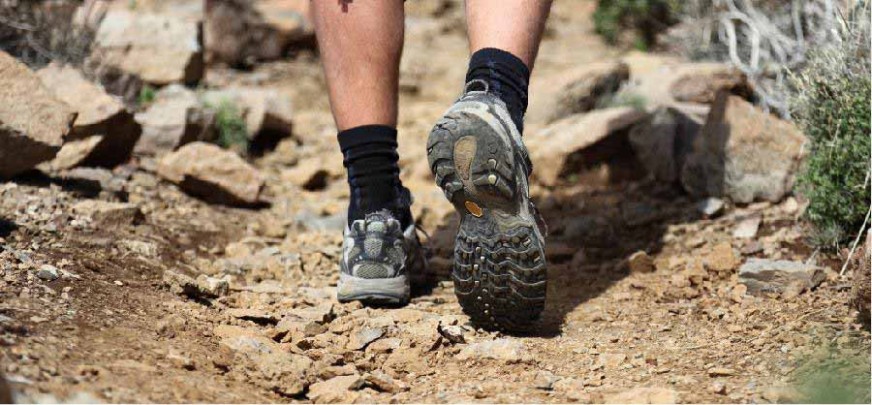
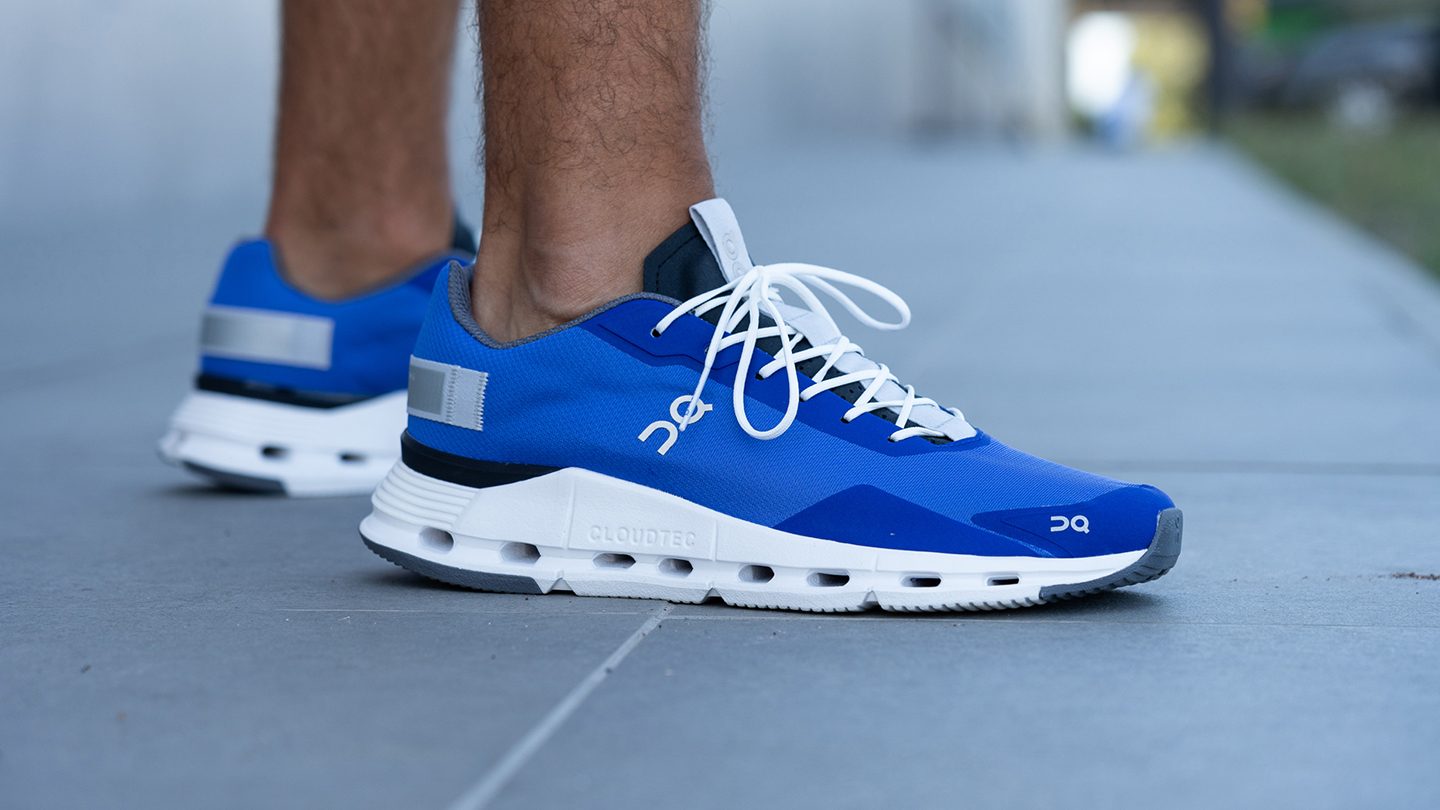
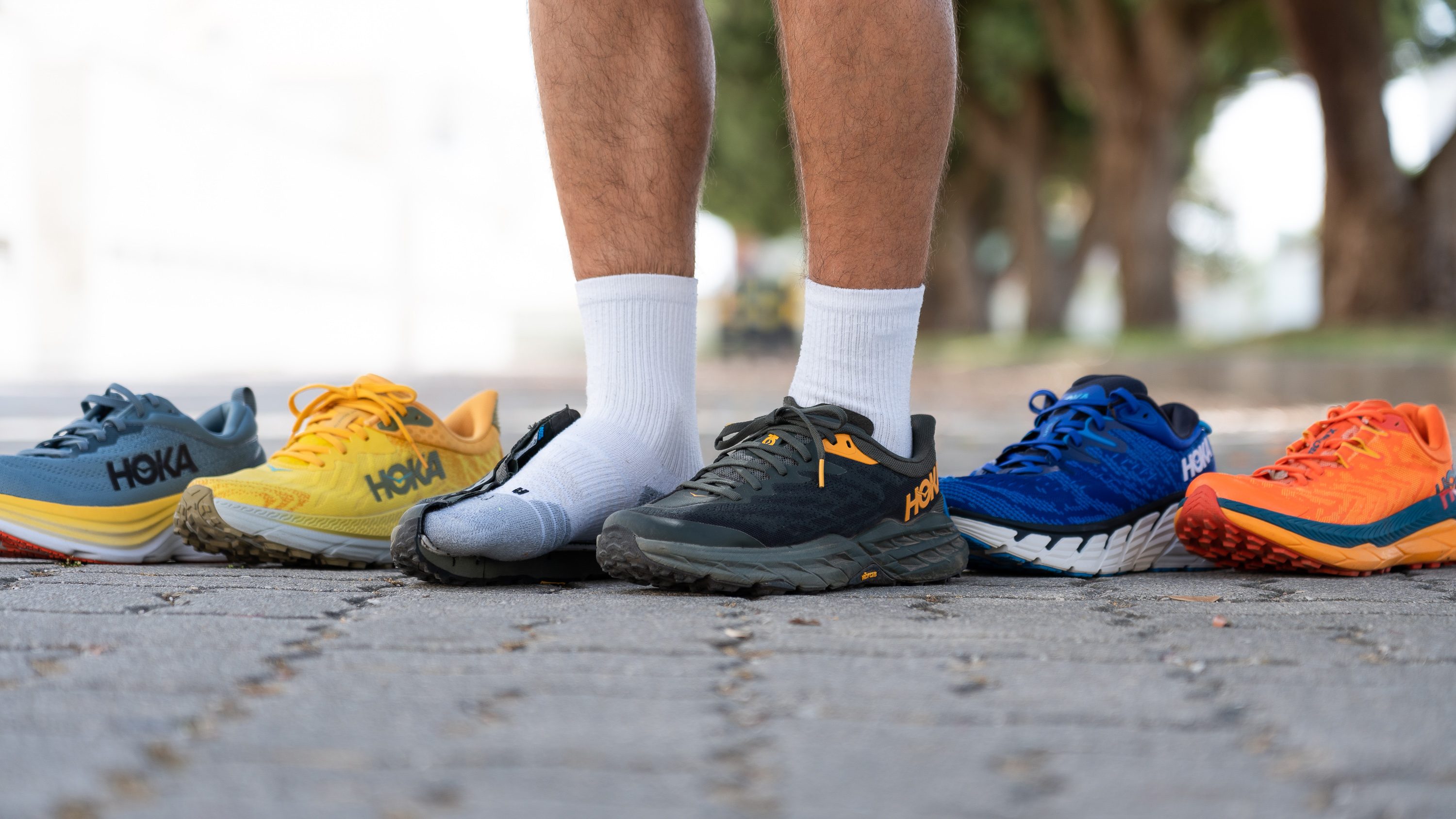
This is where the magic happens. Modern footwear brands are no longer operating in silos. Athletic companies invest heavily in design labs, while traditional fashion houses incorporate performance materials. Consider the rise of “athleisure” and the subsequent elevation of the sneaker. Brands like Cole Haan have built hybrid dress shoes with Grand.ØS technology, embedding running shoe cushioning into formal silhouettes. On the other end, performance brands like Hoka One One and On Running have gained cult followings not just for their revolutionary cushioning systems but for their distinct, fashion-forward aesthetics that look as good on city streets as on hiking trails. The viewpoint is clear: you do not have to choose. The market now offers waterproof leather boots with ergonomic footbeds, slip-on loafers with memory foam insoles, and knit sneakers with arch-supporting torsion systems. This convergence is a response to a modern, active lifestyle that demands versatility. As noted in a trend analysis by the Business of Fashion, the consumer driver is “performance aesthetics”—the desire for products that are technically competent and visually compelling. Your next perfect pair is likely a walking shoe that doesn’t announce its technical prowess but quietly ensures your comfort all day long.
Your Personal Footwear Audit: A Step-by-Step Guide
Before you invest in new footwear, conduct an honest audit of your current rotation and your daily needs. Start by asking: What does my typical day involve? Total step count, surfaces (concrete, carpet, natural trails), and climate are all critical. Then, examine your existing shoes. Look for uneven wear patterns on the outsoles—excessive wear on the inside heel indicates overpronation, while wear on the outside suggests supination. Check the midsoles: if they no longer spring back when you press your thumb into them, their shock-absorption is compromised. The American Council on Exercise recommends replacing athletic shoes, including dedicated walking shoe models, every 300-500 miles. For everyday shoes used less intensively, visual inspection for breakdown is key. Next, understand your foot type. The classic “wet test” (stepping on a paper bag with a wet foot) can reveal if you have a high, neutral, or low arch. This knowledge directly informs the level of support you need. Finally, always shop for shoes in the afternoon, as feet naturally swell throughout the day. This audit ensures your next purchase is a targeted solution, not just an impulsive addition to your closet.
:max_bytes(150000):strip_icc()/when-should-i-replace-my-walking-shoes-3436325-0801-7a1840d83573471092e0380f9e230ecc.jpg)
Investing in Your Foundation: Value Beyond the Price Tag
Viewing footwear as an investment in your long-term well-being reframes the cost conversation. A well-constructed, biomechanically sound walking shoe may have a higher initial price point, but its cost-per-wear and, more importantly, its preventative health benefits are immense. Consider the alternative: chronic foot pain, orthotic interventions, or even physical therapy for related joint issues. As renowned trainer and physiotherapist Kelly Starrett often states on his popular YouTube channel, “Your feet are your foundation. You cannot build a stable house on a crumbling foundation.” Prioritize brands known for quality materials and construction. Look for features like full-grain leather, durable stitching, and reputable proprietary technologies. However, investing wisely doesn’t mean ignoring value. Sign up for brand newsletters, monitor end-of-season sales, and consider slightly older models, which often feature the same core technology as the latest release at a significant discount. The goal is to acquire footwear that offers durability, support, and style—a trifecta that pays dividends in comfort and confidence every single day.
The journey to a perfect everyday shoe collection is an exercise in self-knowledge and informed selection. It requires dismissing the outdated notion that style and comfort are adversaries. By understanding the science of foot health, embracing the principles of enduring design, and thoughtfully auditing your lifestyle needs, you can curate a selection of footwear that truly works for you. Let your shoes be tools for empowerment, enabling you to navigate your world with unwavering comfort and distinctive style. The path forward is literally at your feet—choose the one that supports every step.
