

Your Ultimate Guide to Stylish and Comfortable Everyday Footwear
Let’s move beyond the false choice between style and comfort. The modern pursuit is for footwear that delivers both without compromise, merging scientific support with aesthetic appeal to become a seamless extension of your daily life. This guide is built on the principle that the right shoe is a tool for better living, not just an accessory. We will dissect the anatomy of the ideal everyday shoe, provide evidence-backed selection criteria, and show you how to integrate professional knowledge into finding value, ensuring your steps are as confident as they are comfortable.
The Foundation: Why Your Choice in Everyday Footwear Matters
Every step you take is a complex biomechanical event involving bones, muscles, tendons, and ligaments. The footwear you choose directly influences this system. According to research from the American Podiatric Medical Association, improper shoes can lead to a cascade of issues, from immediate discomfort like blisters and calluses to long-term structural problems including plantar fasciitis, metatarsalgia, and even knee and back pain. Conversely, a well-designed walking shoe acts as a supportive platform, promoting natural gait, absorbing shock, and providing stability. The cultural shift is evident; where once formal shoes or flimsy sneakers dominated daily wear, there is now a booming market for “lifestyle” shoes that prioritize foot health. This isn’t merely a trend but a reflection of a broader understanding of wellness, where foot care is recognized as integral to overall physical well-being. The right pair does more than cover your feet—it enhances your posture, energy expenditure, and endurance throughout the day.
Decoding the Anatomy of a Superior Walking Shoe
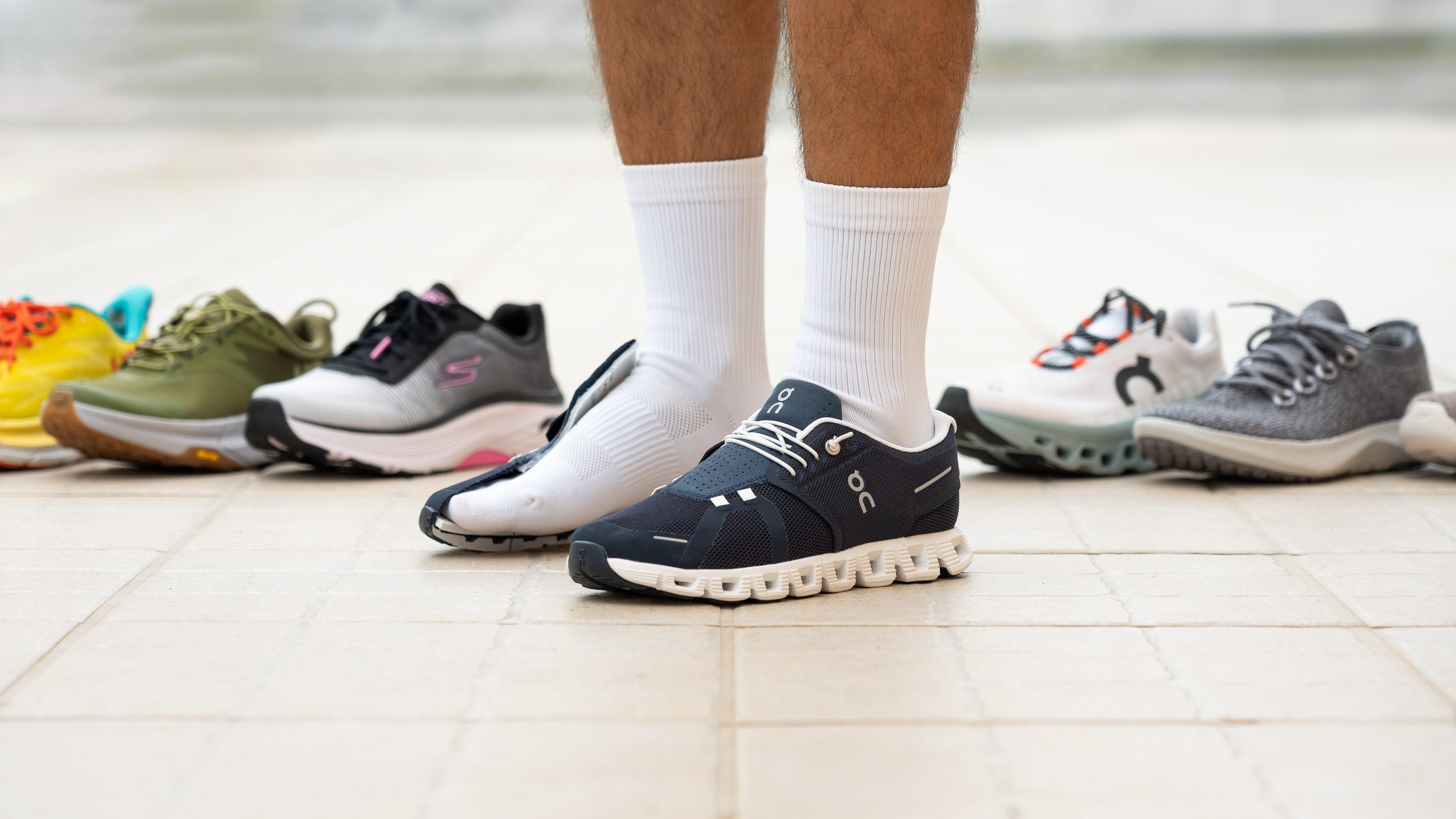
To make an informed choice, you must understand the components. A high-quality walking shoe is an engineered system. Let’s break it down: The upper, typically made from breathable mesh, knit, or leather, should offer a secure, non-constricting fit. The insole or sock liner is your foot’s first point of contact; look for removable, cushioned options that allow for orthotic integration if needed. The midsole is the heart of the shoe, where cushioning and stability technologies reside. Materials like EVA (ethylene-vinyl acetate) foam or advanced compounds like Brooks’ DNA LOFT or Adidas’ Boost provide responsive shock absorption. The outsole’s rubber compound and tread pattern determine grip and durability; a flexible groove pattern at the forefoot facilitates the natural rolling motion of walking. Finally, the heel counter—the firm cup at the back—should be sturdy to control rearfoot motion. As Dr. Jacqueline Sutera, a New York-based podiatrist, often states in media interviews, “A good shoe should bend at the toes but resist twisting in the midfoot.” This simple test is a quick indicator of structural integrity.
The Non-Negotiables: Five Pillars for Selection
When evaluating your next pair of everyday shoes, judge them against these five evidence-based pillars. First, Arch Support and Foot Type: Know your footprint. A wet foot test can reveal if you have flat (overpronated), neutral, or high-arched (supinated) feet. Brands like ASICS and Saucony design specific models to address these biomechanical differences, offering stability or motion control features where needed. Second, Cushioning vs. Responsiveness: This is a balance. Maximum cushioning, as seen in HOKA models, is excellent for shock absorption on hard surfaces, but some may find it unstable. A responsive midsole returns energy, promoting a springier step. Third, Weight and Flexibility: A lightweight walking shoe reduces leg fatigue. Studies in gait analysis suggest that every 100 grams added to a shoe can increase metabolic cost by about 1%. The shoe should flex easily where your foot bends. Fourth, Breathability and Materials: Modern engineered meshes manage moisture and temperature far better than old-school leathers or synthetics, reducing the risk of fungal infections and discomfort. Fifth, Fit and Sizing: Always fit shoes in the afternoon when feet are naturally swollen. There should be a thumb’s width of space between your longest toe and the shoe’s end, and the widest part of your foot should align with the shoe’s widest part without spillage.

Bridging the Gap: Where Style Meets Substance
The historical dichotomy between “ugly” comfortable shoes and stylish, painful ones is obsolete. Brands like Allbirds, Cole Haan, and even luxury houses are leveraging technology to create silhouettes that are as at home in a casual office or a weekend brunch as they are on a long walk. The key is seeking out minimalist designs, neutral color palettes, and premium material finishes that hide their technical prowess. A sleek leather sneaker with a memory foam insole, or a knit loafer with a proprietary rubber outsole, can be the versatile workhorse of your wardrobe. The goal is to find a walking shoe whose design language you connect with, ensuring you reach for it not out of necessity, but desire. This alignment between personal aesthetic and physical comfort is the hallmark of intelligent everyday dressing.
The Longevity Equation: Care and Replacement Cycle
Investing in quality is only half the battle; proper care extends the life and performance of your shoes. Rotate between at least two pairs to allow the midsole foam to fully decompress between wears, a practice recommended by running and walking shoe experts. Surface clean uppers with appropriate cleaners and avoid machine washing, which can break down adhesives and structural elements. More critically, know when to retire them. The cushioning and support materials degrade with mileage, not just visible wear. The common guideline is to replace shoes every 300-500 miles. For the average person walking 3 miles a day, that translates to roughly every 6-8 months. As a quote often attributed to renowned fitness expert and author, echoes a simple truth:
“Your shoes are the only piece of equipment between you and the ground. Don’t compromise on their condition.”
Ignoring this leads to diminished protection and increased injury risk, nullifying the initial investment.
:max_bytes(150000):strip_icc()/when-should-i-replace-my-walking-shoes-3436325-0801-7a1840d83573471092e0380f9e230ecc.jpg)
Smart Acquisition: Leveraging Knowledge for Value
Armed with this technical knowledge, you become a savvy consumer, capable of discerning true value from marketing hype. Focus on the features that matter for your specific foot and use case, rather than being swayed by the latest celebrity endorsement. To find discounted prices, employ strategic timing: shop for previous-season models, which often see significant price cuts as new colorways are released. Subscribe to newsletters from reputable online retailers and brand outlets for flash sales. Consider slightly less-hyped but technically proficient brands that offer similar quality at a lower price point. Remember, the most expensive shoe is not always the best for you, and a well-chosen, moderately priced walking shoe that fits perfectly will always outperform an ill-fitting premium model. Your goal is to translate professional specifications—like midsole density, heel-to-toe drop, and upper composition—into a checklist that guides you to the optimal purchase within your budget.
The journey to finding your perfect everyday footwear is an exercise in applied self-knowledge. It requires listening to your body, understanding basic biomechanics, and refusing to settle for less than both form and function. When you lace up a shoe that feels like an extension of yourself—offering unseen support with visible style—you unlock a new level of daily ease and capability. Let this be your standard: footwear that doesn’t just take you places, but elevates every step of the way.
