

Your Ultimate Guide to Effortless Elegance
Elegance is not about being noticed; it is about being remembered. It is a quiet confidence, a deliberate curation of self that speaks through simplicity, quality, and an intuitive sense of harmony. In a world saturated with fleeting trends and loud statements, effortless elegance stands apart as a timeless philosophy. It is the art of appearing polished without visible effort, of commanding presence through subtlety. This guide moves beyond superficial style tips to explore the foundational principles—from cognitive psychology to material science—that underpin a truly elegant existence. We will dismantle the concept into actionable, objective insights, proving that elegance is an accessible discipline, not an elusive birthright.
The Psychology of Perception: Why Less Truly Is More
The power of minimalism in creating an impression of elegance is not merely an aesthetic preference; it is rooted in cognitive science. The human brain has limited attentional resources. When presented with an overload of visual stimuli—multiple patterns, bright colors, excessive accessories—it experiences what psychologists term “cognitive load.” This can lead to a perception of chaos or effort. Conversely, a cohesive, simplified visual field reduces cognitive load, allowing the brain to process the image as a unified, pleasing whole. This principle is echoed in the concept of the “Gestalt” laws of perception, which describe how humans naturally seek order and simplicity in complex scenes. A study from the Princeton Neuroscience Institute suggests that visual clutter competes for our attention, reducing our ability to focus. An elegantly dressed individual, therefore, creates a “clean” cognitive signal. Think of the iconic style of figures like Audrey Hepburn or Carolyn Bessette-Kennedy. Their remembered elegance lies in singular, definitive choices: a perfect little black dress, impeccable tailoring, one striking accessory. The brain does not need to work to understand their style; it is immediately apprehended as complete and harmonious, creating an unconscious association with sophistication and control.
The Architecture of a Wardrobe: Investment Pieces Over Quantity
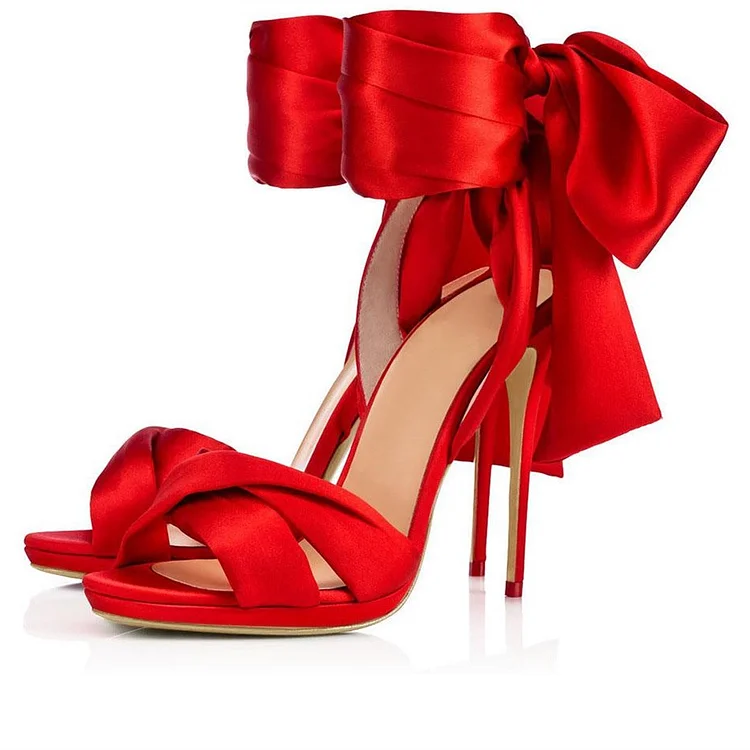
Effortless elegance is built on a foundation of quality, a principle championed by industry leaders from Coco Chanel to the modern slow fashion movement. The argument for a curated wardrobe of investment pieces is both economic and sartorial. From a materials perspective, natural fibers like high-grade cotton, silk, wool, and linen possess superior durability, breathability, and drape compared to many synthetics. They age gracefully, developing a patina rather than simply wearing out. This is not mere opinion; textile science at institutions like the Royal College of Art details how fiber structure impacts longevity and appearance. Furthermore, the cost-per-wear model provides an objective financial rationale. A well-tailored blazer costing $300 worn 100 times over several years has a cost-per-wear of $3, while a $50 trendy jacket worn five times costs $10 per wear. The former becomes an elegant staple, the latter a disposable regret. This philosophy extends to footwear, where a classic pump or loafer in premium leather offers enduring comfort and style. It is in this context that a statement piece like a pair of exquisite bow red heels finds its place. Not as a daily workhorse, but as a deliberate, powerful accent—the architectural detail that completes a minimalist structure. The key is that the majority of your wardrobe consists of these versatile, high-quality foundations, making getting dressed an effortless exercise in combination rather than a daily struggle.

The Power of a Signature Element: Case Study of the Bow Red Heels
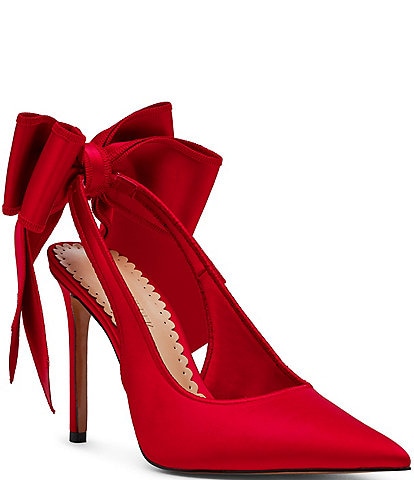
Within a minimalist framework, a single, well-chosen signature element carries immense psychological weight. It becomes a personal brand, a point of focus and memorability. The bow red heels serve as a perfect case study. Red, across cultures, is a color that commands attention and is associated with confidence, energy, and passion—a fact supported by color psychology research published by the Pantone Color Institute. The bow detail introduces a touch of femininity, softness, and crafted detail, balancing the power of the color and the height of the heel. When you integrate such a distinct item into an otherwise neutral outfit—a tailored black dress, a crisp white shirt with denim—you are applying the “accent color” principle from interior design to personal style. The outfit is no longer simple; it is strategically punctuated. Fashion historian and YouTube content creator Amber Butchart has noted that such deliberate contrasts are a hallmark of considered style. The bow red heels are not just shoes; they are a narrative device. They tell a story of someone who understands the rules of classic style but is not afraid to inject a chapter of bold personality. Repeating this signature element (owning a few variations of the bow red heels concept) creates a cohesive personal identity, making elegance a recognizable part of who you are, not just what you wear on a given day.
Elegance in Motion: Posture, Composure, and the Unspoken Language
True elegance transcends static appearance; it is embodied. It is present in how one moves, speaks, and occupies space. This is where the concept of “effortless” is most critically examined. The ease of a ballet dancer is born of relentless practice; similarly, social and physical composure is a cultivated skill. Research in non-verbal communication, such as the work of social psychologist Amy Cuddy on “power poses,” indicates that our posture directly influences both how others perceive us and our own neurochemistry. Standing tall with open shoulders doesn’t just look confident; it can temporarily boost testosterone and lower cortisol. This biological feedback loop fosters the calm, assured presence we associate with elegance. Furthermore, the pace of movement matters. Hurried, jerky motions suggest anxiety and scarcity of time—the antithesis of ease. Cultivating a measured pace, whether walking, gesturing, or simply reaching for a glass, communicates control and intentionality. This physical grammar is the silent partner to your wardrobe. The most exquisite bow red heels lose their impact if the wearer shuffles or stumbles in them. Mastering them—walking with a confident, steady gait—completes the elegant statement, merging the object with the individual’s poise into a single, powerful impression.
Curation Beyond Clothing: The Environments of Elegance
The principle of curation extends into every facet of life. An elegantly lived life is characterized by intentional choices in one’s surroundings, digital presence, and even social circles. Marie Kondo’s global influence with “The Life-Changing Magic of Tidying Up” tapped into a universal desire for serene, purposeful environments. Neuroscience supports this: a study from the University of Princeton found that physical clutter negatively affects your ability to focus and process information. An elegant home, therefore, is not necessarily a lavish one, but an organized and aesthetically harmonious one. It reduces cognitive noise, allowing for clarity and calm. This same selectivity applies to digital life. An elegant social media feed, free from reactive rants or oversharing, reflects a curated mind. It is the digital equivalent of a well-edited wardrobe. As for social circles, the ancient proverb “you are the average of the five people you spend the most time with,” often attributed to motivational speaker Jim Rohn, underscores the impact of association. Seeking out individuals who embody intelligence, kindness, and integrity—regardless of their material possessions—elevates your own worldview and demeanor. Elegance, in this holistic sense, is the consistent application of a quality filter across all life inputs.
The Final Touch: Knowledge as the Ultimate Accessory
Ultimately, the most compelling element of effortless elegance is an informed mind. It is the confidence that comes from understanding the “why” behind your choices. This knowledge liberates you from the tyranny of trends and empowers you to make discerning purchases. When you understand textile weaves, you can identify a superior shirt. When you know the hallmarks of good construction, you can spot a jacket that will last for decades. This guide aims to provide that very knowledge, demystifying elegance and making it accessible. It is about bringing professional-level insight to your everyday decisions. And with knowledge comes smart acquisition. The modern elegant individual is a savvy one, leveraging end-of-season sales, reputable consignment platforms for luxury goods, and direct-to-consumer brands that offer exceptional quality at discounted prices by cutting out traditional retail markups. Investing in a timeless piece like a pair of premium bow red heels becomes a strategic, educated decision, not an impulsive splurge. You are not just buying an object; you are investing in a tool for your personal narrative, acquired at the most intelligent point of value.
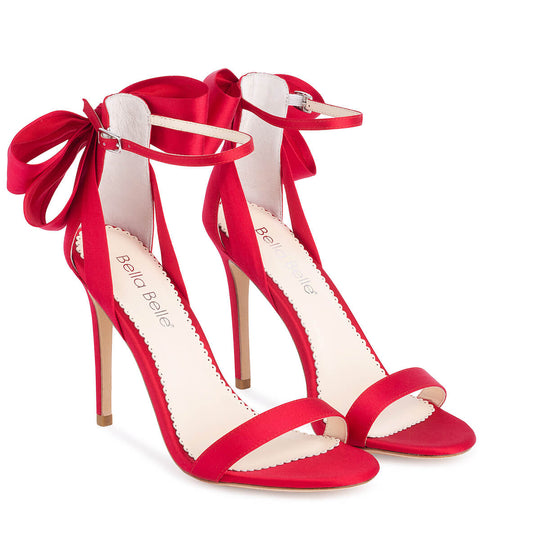
Effortless elegance, therefore, is a symphony of conscious choices. It begins with an understanding of perception, built upon a foundation of quality, punctuated by intentional signature details like the bow red heels, expressed through cultivated composure, and reflected in every curated aspect of life. It is a practice, honed with knowledge and executed with quiet confidence. It is not about perfection, but about a consistent point of view. When you embrace this philosophy, you step into a space where you are defined not by what you chase, but by what you have deliberately chosen to keep—in your closet, in your home, and in your character. The result is a presence that is both unmistakable and entirely, authentically your own.
