

The Walking Shoe: Your Ultimate Guide to Comfort and Style for Every Outfit
Forget the notion that comfort and style exist in separate realms. The modern pursuit of wellness and aesthetic expression has converged, demanding footwear that doesn’t force a compromise. We are no longer willing to sacrifice our feet at the altar of fashion, nor do we accept clunky, purely functional shoes that clash with our personal style. The solution, the hero of this sartorial and physiological narrative, is the expertly designed walking shoe. This isn’t about specialized athletic gear reserved for track suits; it’s about a foundational piece of your daily wardrobe. The right walking shoe seamlessly integrates with your lifestyle, providing the scientific support your body requires while complementing the visual story you wish to tell. From the structured lines of a tailored blazer to the effortless drape of a linen dress, the perfect pair exists. This guide is your roadmap to finding it, blending objective ergonomic principles with the subjective art of style.
The Anatomy of Comfort: More Than Just a Soft Insole
Comfort in a walking shoe is a complex engineering feat, not a marketing buzzword. It begins with understanding foot biomechanics. As noted by researchers at the University of Virginia’s Motion Analysis and Motor Performance Laboratory, the human foot is a dynamic structure comprising 26 bones, 33 joints, and over 100 muscles, tendons, and ligaments. A shoe that truly comforts supports this intricate system throughout the gait cycle—heel strike, mid-stance, and toe-off. Key elements are non-negotiable. Arch support is paramount; it maintains the foot’s natural alignment, preventing overpronation (excessive inward roll) or supination (outward roll), which can lead to a cascade of issues from plantar fasciitis to knee pain. The midsole, often made from EVA (ethylene-vinyl acetate) or polyurethane compounds, is the shock absorber. Its density and resilience determine how well it dissipates the impact force, which can be 1.5 times your body weight with each step. Then comes the heel counter, the firm cup at the back of the shoe. A study published in the Journal of Foot and Ankle Research emphasizes its role in stabilizing the rearfoot, ensuring your heel doesn’t slip or wobble, which is crucial for efficiency and injury prevention. Finally, the toe box must allow natural splay and movement, a concept championed by brands like Altra Running, which designs shoes with “FootShape” toe boxes. Ignoring any of these components for the sake of a sleek silhouette is a disservice to your long-term mobility.
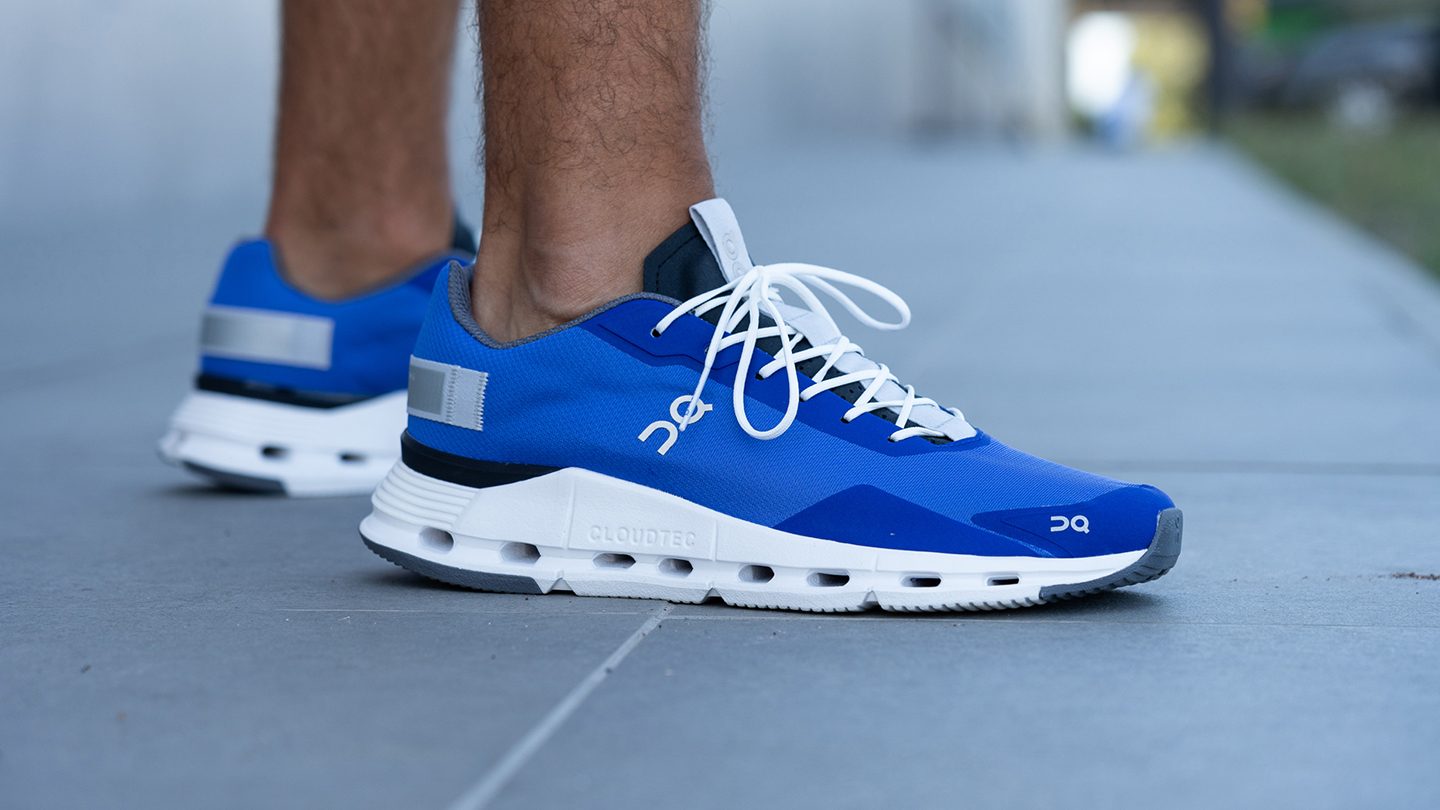
Material Science: Where Breathability Meets Durability
The shell of your shoe is its interface with the world, and its material composition dictates climate, longevity, and feel. Modern walking shoes utilize advanced textiles and synthetics that our predecessors could only dream of. Consider the evolution from heavy, non-porous leather to engineered knits and meshes. As explained on educational platforms like HowStuffWorks, materials like Flyknit (Nike) or Primeknit (Adidas) are woven from polyester yarns in a single layer, creating a sock-like fit that provides targeted support and breathability where needed. This micro-ventilation is critical; a damp foot environment is a breeding ground for blisters and fungal infections. For water resistance without sacrificing breathability, look to membranes like Gore-Tex. This technology, which contains 9 billion pores per square inch (each pore 20,000 times smaller than a water droplet but 700 times larger than a water vapor molecule), is a masterpiece of material science, keeping rain out while letting perspiration escape. For the upper’s structure, synthetic suedes and reinforced thermoplastics offer lightweight durability. The outsole rubber compound is equally vital. Carbon rubber, often used in high-wear areas like the heel, is exceptionally durable, while blown rubber is lighter and provides better cushioning. The choice here isn’t merely aesthetic; it’s a calculated decision about the shoe’s intended lifespan and primary terrain.
The Aesthetic Equation: Silhouettes That Speak
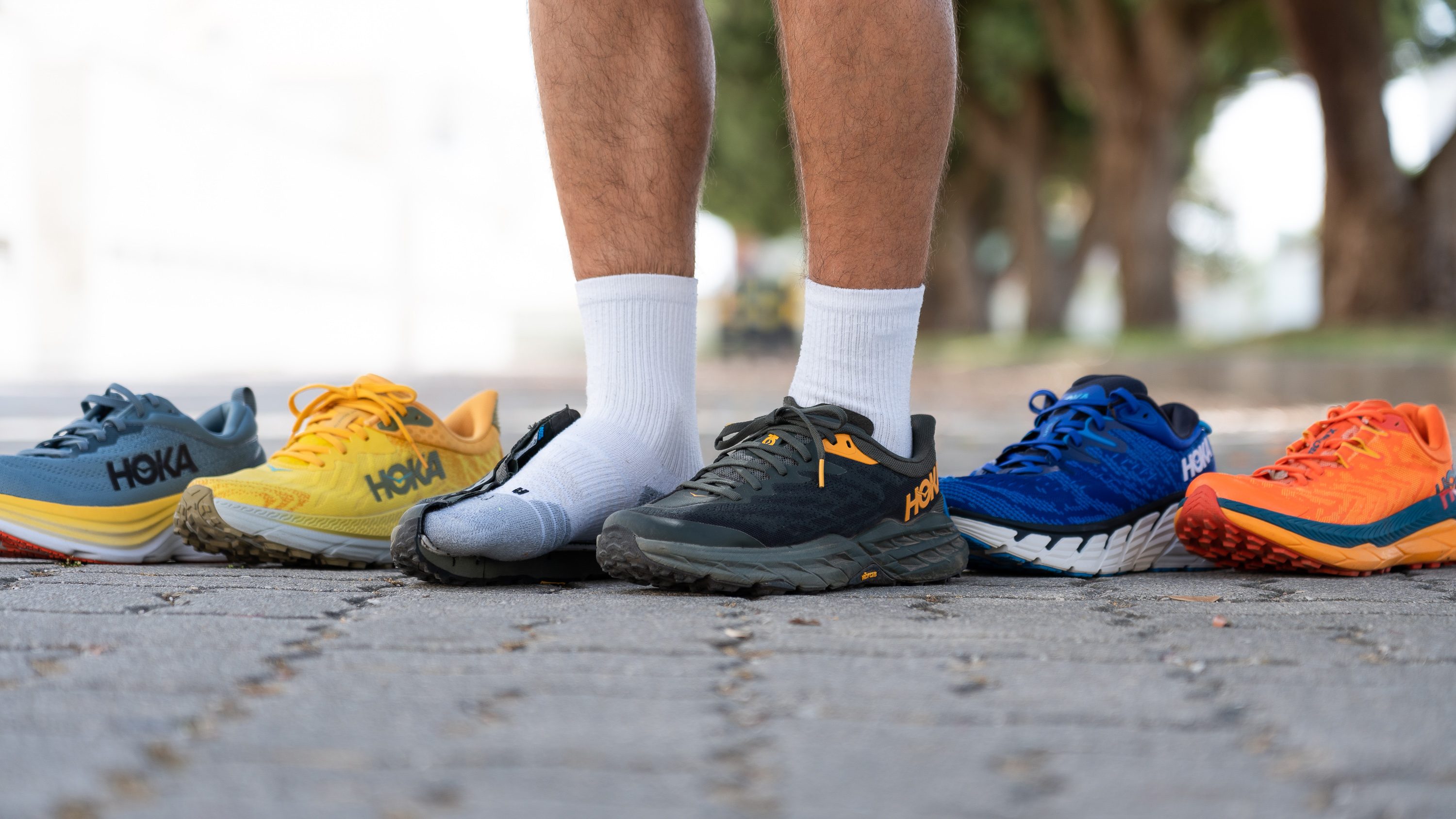
Style is a language, and your shoes are a potent part of the vocabulary. The great fear—that a comfortable shoe must be visually obtrusive—is now obsolete. Designers have successfully translated technical features into aesthetically pleasing forms. The chunky, “dad shoe” trend, popularized by brands like Balenciaga and subsequently adopted by sportswear giants, demonstrated that substantial cushioning could be a fashion statement. This opened the door for technical models from Hoka One One or New Balance to be worn with wide-leg trousers or midi skirts, celebrated for their bold, architectural profiles. Conversely, the minimalist movement, drawing inspiration from brands like Allbirds or traditional espadrilles, focuses on clean lines, neutral palettes, and unobtrusive profiles that pair invisibly with everything from business casual to weekend wear. The key is intentionality. A sleek, monochromatic walking shoe with hidden technical specs (like a carbon fiber plate for propulsion or a proprietary gel cushioning system) can be the ultimate minimalist’s tool—elevating an outfit through subtlety and intelligence. As fashion commentator Tim Gunn often espoused, the foundation of style is “make it work.” Today, that means making cutting-edge comfort work within your unique aesthetic framework.
Curating Your Shoe Arsenal: A Scenario-Based Approach
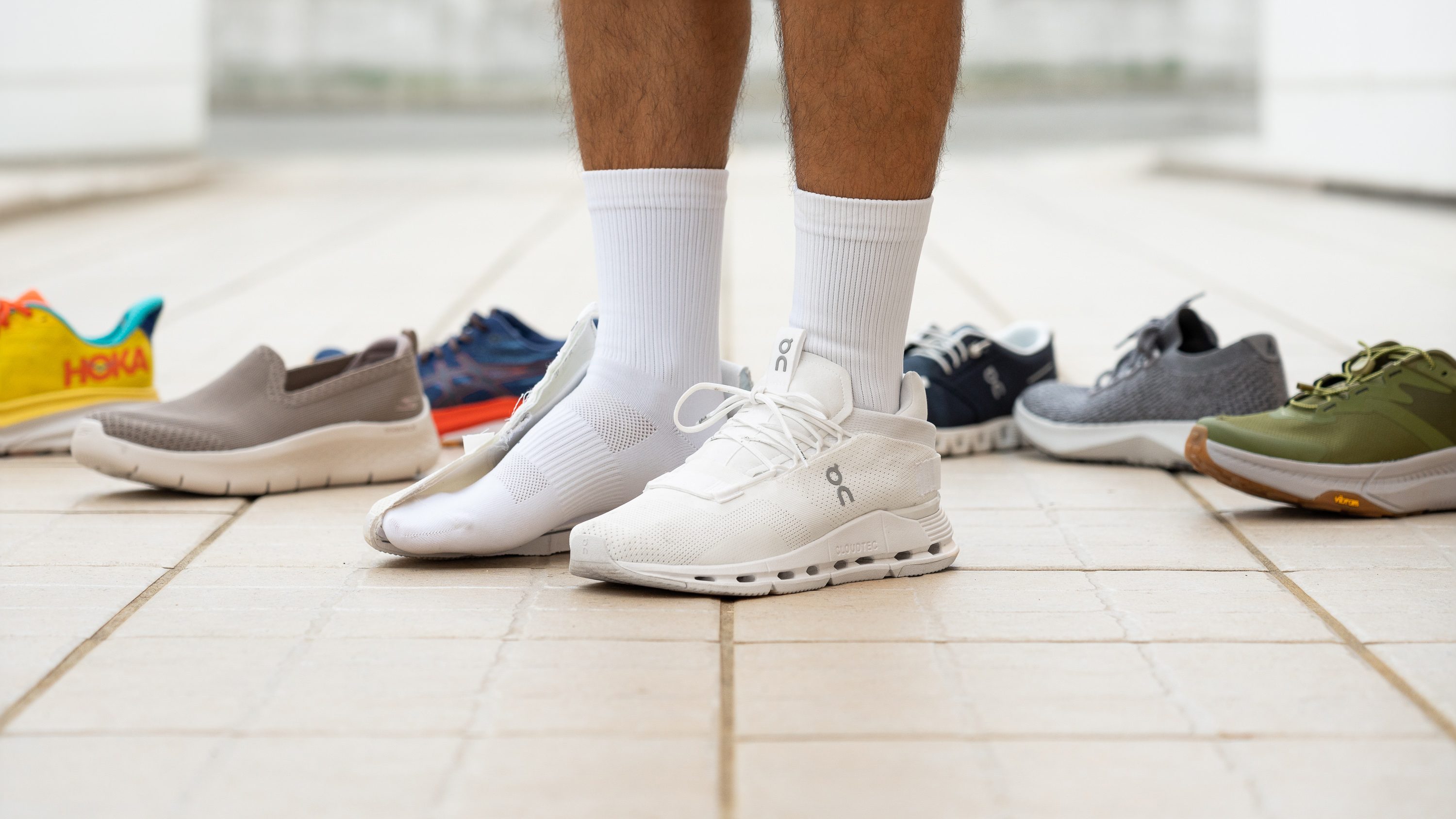
One shoe cannot literally do it all, but a curated collection of two to three key pairs can cover 95% of life’s scenarios. Let’s build this arsenal strategically. First, the Urban Explorer: This is your daily workhorse. It needs to handle concrete, transit, and full days on your feet. Look for a shoe with a balanced stack height (not too high, not too low), a durable yet flexible outsole for city pavement, and a colorway that is versatile—think greys, blacks, or navy. Brands like Ecco, Cole Haan (with Grand.ØS technology), or certain lines from On Running excel here, offering polish without punishment. Second, the Weekend Warrior: For long walks, museum trips, or weekend errands, prioritize maximal cushioning and breathability. This is where you might opt for the celebrated plush feel of a Hoka Bondi or the responsive cloud-like sensation of a pair from Brooks with DNA LOFT cushioning. These shoes are often brighter or more boldly designed, reflecting a more relaxed, energetic mood. Third, the Style-Forward Hybrid: This pair bridges a potential gap. It might be a leather sneaker from Common Projects or a tailored oxford with a hidden athletic-grade insole from brands like Samuel Hubbard. This shoe is for occasions where traditional dress codes are softening but a pure athletic sneaker feels too casual. It proves the walking shoe philosophy can be elegant.
The Expert Consensus: Voices of Authority
Navigating claims and counterclaims is easier when guided by expert voices. The value of a well-designed walking shoe is echoed across disciplines. Dr. Jacqueline Sutera, a New York City-based podiatrist and member of the American Podiatric Medical Association, frequently highlights in media interviews that “shoes are the foundation of your body.” She argues that improper footwear doesn’t just cause foot pain; it can misalign your entire kinetic chain, affecting ankles, knees, hips, and even your back. From the world of professional fitting, experts at stores like Fleet Feet base their entire fitting process on the “3D Foot Scanning” technology and gait analysis, asserting that data-driven selection is far superior to choosing by brand name alone. On platforms like YouTube, certified pedorthists and physical therapists, such as Bob & Brad (“The Most Famous Physical Therapists on the Internet”), dedicate entire videos to deconstructing shoe features, often citing peer-reviewed studies to explain why a certain type of stability or cushioning is beneficial. Even from a philosophical standpoint, the late Steve Jobs, renowned for his uniform of New Balance 991 sneakers, implicitly endorsed the idea that eliminating discomfort—even sartorial decision fatigue—frees the mind for more important creative work. The message is unified: intelligent footwear is an investment in your physical and cognitive well-being.
“We spend a great deal of time thinking about the food we put into our bodies, but often neglect the engineering of what we put on our feet, which literally carries us through life. The right shoe is preventative healthcare.” — Paraphrased consensus from podiatric medical literature.
Investment and Value: Decoding Price Points
Professional-grade footwear comes with a cost, but understanding what you’re paying for demystifies the price tag. A high-quality walking shoe (typically in the $120-$180 range) isn’t just paying for a logo; it’s funding the research, development, and advanced materials discussed earlier. You are investing in proprietary cushioning systems (like ASICS GEL or Brooks GuideRails), sustainable material sourcing (like Allbirds’ merino wool or Sugarcane-based EVA), and rigorous durability testing. The good news is that value is accessible. First, consider the cost-per-wear. A $150 shoe worn nearly daily for a year (and many quality shoes last 450-500 miles of walking) breaks down to pennies per day for foundational support. Second, strategic shopping unlocks savings. End-of-season sales, outlet stores for previous models, and reputable online retailers often offer discounts of 30-50%. Brands frequently update colorways and minor features annually, making last year’s technologically identical model a significant bargain. Subscribe to newsletters from retailers like Zappos, REI, or Running Warehouse for alert-based deals. Remember, the most expensive shoe isn’t necessarily the best for you; a properly fitted $130 shoe will always outperform a poorly fitted $200 shoe. The goal is to marry professional-grade specifications with personal financial pragmatism.
The journey to finding your perfect walking shoe is both a scientific inquiry and a personal style quest. It requires listening to the empirical evidence of biomechanics and material innovation while also honoring your individual aesthetic preferences and daily rhythms. The ideal pair does not shout its technical features; it whispers them through all-day comfort and effortless integration into your wardrobe. It is the silent partner that empowers your stride, supports your adventures, and complements your expression. Stop seeing comfort and style as opposing forces. Embrace the new generation of footwear designed for the multifaceted human experience, where every step is taken with confidence, support, and intention.
