

The Walking Shoe: Your Secret Weapon for Effortless Everyday Style
Forget the endless chase for the perfect, fleeting trend. True style isn’t about discomfort or contortion; it’s about confidence that moves with you. The real secret, the unsung hero of a polished and powerful wardrobe, is the humble walking shoe. This isn’t about surrendering to frumpiness; it’s about embracing a category of footwear engineered for motion, now elevated to an aesthetic essential. It’s the foundational piece that bridges the gap between your busy life and your personal style, proving that you don’t have to sacrifice your feet at the altar of fashion. Let’s dismantle the outdated notion that comfort and style are mutually exclusive and explore how the right pair of walking shoes can become the most reliable and stylish asset in your daily rotation.
The Anatomy of Effortless: Why Engineering Matters
The magic of a true walking shoe lies beneath the surface, in its biomechanical engineering. This isn’t mere padding; it’s a calculated system of support. Consider the midsole, often crafted from advanced materials like EVA (ethylene-vinyl acetate) foam or proprietary compounds like Brooks’ DNA LOFT or ASICS’ GEL technology. According to biomechanics literature from institutions like the University of Calgary’s Human Performance Lab, the primary role of the midsole is to attenuate ground reaction forces—the shock that travels up your skeleton with each step. A proper walking shoe disperses this energy, reducing fatigue and long-term joint stress. Then there’s the heel counter, the firm cup that cradles your heel. A study published in the Journal of Orthopaedic & Sports Physical Therapy emphasizes its critical role in controlling excessive rearfoot motion, promoting a stable gait cycle. The rocker sole, a subtle curvature from heel to toe, isn’t a stylistic quirk; it facilitates the natural roll of your foot during the “toe-off” phase of walking, making movement more efficient. When you understand that every curve and layer serves a physiological purpose, you begin to see the walking shoe not as simple footwear, but as wearable technology designed for human locomotion.
From Clinic to Catwalk: The Cultural Shift
The ascent of the walking shoe into the style lexicon is no accident; it’s a cultural pivot rooted in a collective re-evaluation of priorities. The wellness movement, which exploded in the 2010s, shifted focus from extreme aesthetics to sustainable health. As author Alexandra Auder notes in her writings on embodied living, “How we move through the world is foundational to how we experience it.” Simultaneously, the tech industry’s ethos of “optimization” bled into everyday life, creating a demand for gear that performs. The iconic white sneaker, from brands like Common Projects or Axel Arigato, paved the way by proving minimalist athletic silhouettes could be high-fashion. But the modern walking shoe takes this further, offering that clean aesthetic plus genuine ergonomic benefits. Furthermore, the global pandemic served as a final catalyst. As remote work blurred the lines between home and office, and daily walks became a vital ritual, footwear that could transition from a Zoom call to a 5-kilometer urban hike became indispensable. This cultural moment, echoing film characters like Frances Ha whose practicality was her charm, validated a style centered on intelligent ease over rigid formality.
The Style Alchemy: Integrating Function into Your Wardrobe
Integrating a walking shoe into your style repertoire requires a shift in perspective—viewing them not as a compromise, but as a cornerstone. The key is intentional pairing. A sleek, monochromatic walking shoe in black, grey, or off-white can ground tailored wide-leg trousers or a midi skirt, creating a dynamic contrast between the structured drape of the fabric and the functional silhouette of the shoe. This aligns with the philosophy of stylists like Allison Bornstein, who advocates for a “third piece” rule to complete an outfit; here, the walking shoe acts as that intentional, modern anchor. For a more casual ensemble, pair technical walking shoes with straight-leg jeans and an oversized blazer. The juxtaposition of the blazer’s sharp lines with the shoe’s engineered curves is the epitome of contemporary, intelligent dressing. The color palette of the shoe itself is crucial. Neutral tones offer maximum versatility, but a walking shoe in a rich, deep tone like olive, burgundy, or navy can add a sophisticated point of interest without shouting. Remember, the goal is cohesion, not conflict. The shoe should communicate that you are a person who values both form and function, who is prepared for the day’s demands without announcing it loudly.
Beyond the Step: The Holistic Impact on Well-being
The benefits of a proper walking shoe extend far beyond blister prevention. It’s an investment in your holistic well-being. Podiatrists frequently cite inappropriate footwear as a leading contributor to a cascade of musculoskeletal issues, from plantar fasciitis to knee and lower back pain. By providing stable, cushioned support, a good walking shoe allows your body to align naturally, reducing aberrant stress patterns. This has a profound effect on your daily energy expenditure. As noted by Harvard Medical School publications on walking for health, comfortable footwear encourages increased non-exercise activity thermogenesis (NEAT)—the calories you burn through daily movement like commuting, shopping, or taking the stairs. When your feet aren’t aching, you’re more likely to choose to walk that extra block, stand longer, and move more freely throughout the day. This creates a positive feedback loop: better shoes lead to more movement, which boosts energy, improves mood, and reinforces the habit of an active lifestyle. The psychological impact is equally significant. There’s a confidence that comes from feeling physically supported, a readiness to engage with the world that is stifled by foot pain. Your shoes become an enabler of experience, not a limitation.
Demystifying the Purchase: A Guide to Informed Choice
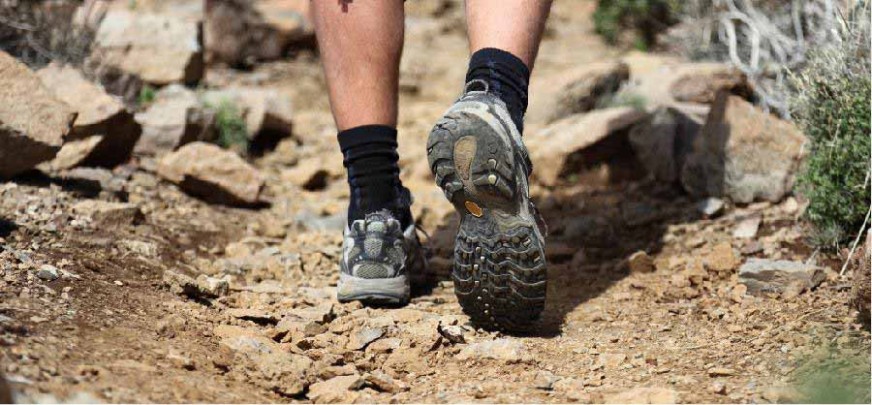
Navigating the market for the perfect walking shoe requires moving beyond brand names and into the realm of personal fit and technical specification. First, understand your gait and foot type. Resources from authoritative sources like the American Podiatric Medical Association (APMA) recommend a simple “wet test” to see if you have neutral, low, or high arches—a primary determinant for the level of support needed. Second, prioritize fit over size. Your ideal size can vary dramatically between brands. Shop in the afternoon when your feet are naturally slightly swollen, and ensure there’s a thumb’s width of space between your longest toe and the end of the shoe. The heel should be snug but not pinch. Third, examine the technical features. Look for a flexible forefoot that bends where your foot bends, a non-slip outsole with a tread pattern suitable for your primary terrain (urban vs. trail), and breathable upper materials like mesh or knit to manage moisture. Don’t be swayed by jargon alone; seek out models that have earned recognition from independent testing bodies or carry the APMA Seal of Acceptance, which indicates they have been found to promote good foot health.
The Value Proposition: Where Quality Meets Accessibility
Investing in a quality walking shoe is an investment in your daily life, but “investment” shouldn’t mean prohibitive cost. The true value lies in the cost-per-wear calculation. A well-constructed pair from a reputable brand specializing in footwear technology, often available in the $120-$180 range, will maintain its support and structure for 500 miles or more. When amortized over daily use for a year or two, the daily cost is minimal, especially compared to the potential cost of addressing foot problems caused by inadequate shoes. To access this quality intelligently, consider shopping during seasonal sales from major retailers, exploring “last season’s” colorways which often see significant discounts, or subscribing to newsletters from specialty running/walking stores for exclusive promotions. The rise of direct-to-consumer brands in this space has also increased competition, offering premium materials and designs at more accessible price points by cutting out traditional retail markups. Remember, the most expensive shoe isn’t necessarily the best for you; the goal is to find the shoe that fits your foot, your gait, and your life—and to acquire it through savvy shopping that brings professional-grade technology within reach.
The journey to effortless style isn’t about finding a single magical item, but about curating a wardrobe that works as hard as you do. The walking shoe stands at the intersection of this philosophy—a piece born from scientific understanding of the human body, refined by cultural shifts towards authenticity and wellness, and executed with design intelligence. It liberates you from the tyranny of uncomfortable fashion, enabling you to move through your day with purpose, comfort, and undeniable polish. When your foundation is solid, everything else falls into place with ease. So, step into the shoes designed for the life you actually live, and discover how this secret weapon can redefine not just your outfit, but your entire approach to the day ahead.
