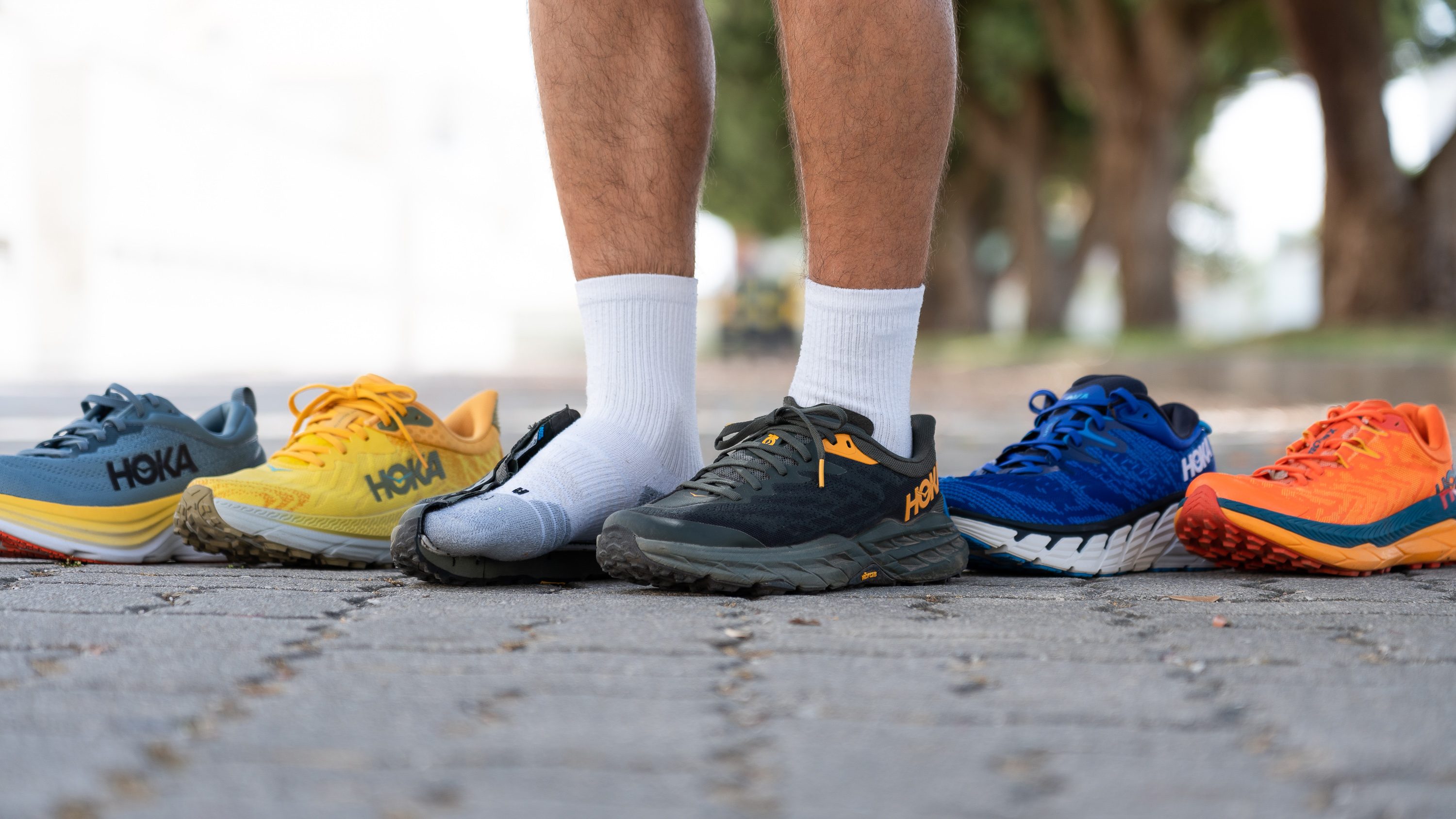
The Walking Shoe: Your Secret to Effortless Style and All-Day Comfort
Imagine a day where your feet don’t ache, your posture feels aligned, and your steps carry a quiet confidence. This isn’t a fantasy reserved for luxury spas or bespoke tailoring; it begins, fundamentally, with what you put on your feet. The modern walking shoe has evolved far beyond a mere functional item. It is the unsung hero of personal style and physical well-being, a foundational piece that bridges the gap between enduring comfort and intentional aesthetics. For too long, we’ve accepted a false dichotomy: that to be comfortable is to sacrifice style, and to be stylish is to endure discomfort. This article dismantles that notion. We will explore how the right walking shoe operates as a tool for holistic living, supported by biomechanics, material science, and the shifting paradigms of contemporary fashion. This is not about a fleeting trend; it’s about a conscious choice that impacts every stride of your day.
The Biomechanical Foundation: Why Engineering Matters
To appreciate the walking shoe, one must first understand the complex mechanics of the human gait. Walking is a controlled fall, a repetitive cycle of heel strike, midfoot roll, and toe-off that generates forces up to 1.5 times your body weight with each step. According to research from the University of Virginia’s Department of Kinesiology, improper footwear can disrupt this natural gait cycle, leading to chain reactions of stress that affect not just the feet, but the ankles, knees, hips, and lower back. The primary role of a scientifically designed walking shoe is to manage these forces through cushioning, stability, and flexibility. Cushioning, often provided by advanced polymer foams like EVA (ethylene-vinyl acetate) or proprietary gels, absorbs shock at the point of impact. Stability features, such as medial posts or arch-supporting bridges, prevent excessive inward rolling (overpronation) or outward rolling (supination), which are common causes of injury. Flexibility, particularly in the forefoot, allows for a natural toe-off. This triad of features—cushioning, stability, flexibility—is non-negotiable for all-day comfort. As Dr. Casey Kerrigan, a former Harvard Medical School professor and founder of a biomechanics-focused footwear company, once stated in an interview, “Shoes should work with your body’s natural mechanics, not against them. The goal is to minimize the energy cost of walking and reduce joint loading.” This scientific perspective transforms the shoe from a passive cover to an active participant in your mobility.
:max_bytes(150000):strip_icc()/vwt-asics-womens-gel-pulse-16-jinfeng-chen-21-712f0f140e834b84b3a8dcf0bf154771.jpeg)
Material Science and All-Day Comfort: Beyond the Foam
The quest for comfort extends deep into the molecular structure of the materials used. The midsole foam is the heart of the shoe, and its evolution has been dramatic. Traditional polyurethane and basic EVA compact over time, losing their resilient properties. The latest generation, exemplified by technologies like Brooks’ DNA LOFT, Adidas’ Boost, or Nike’s React, utilizes thermoplastic polyurethane (TPU) or engineered nitrogen-infused compounds. These materials are designed not just for softness, but for durable energy return—they compress to cushion and then spring back, propelling you forward with less effort. The upper of the shoe is equally critical. The era of stiff, non-breathable leather is over. Modern uppers employ engineered meshes, like Jacquard knit or adaptive mono-filament yarns, which provide targeted breathability, flexibility, and support. They conform to the foot’s shape like a second skin, eliminating pressure points and hotspots. Furthermore, considerations like moisture-wicking linings and antimicrobial treatments address micro-climate control, keeping feet dry and odor-free over long hours. This focus on material innovation means that a high-quality walking shoe doesn’t just feel good when you try it on in the store; it maintains its structural integrity and comfort mile after mile, day after day. It’s an investment in sustained well-being, a fact corroborated by countless wear-test reviews on platforms like Runner’s World and Wirecutter, which subject shoes to hundreds of miles of real-world testing.
The Style Revolution: From Gym to Street
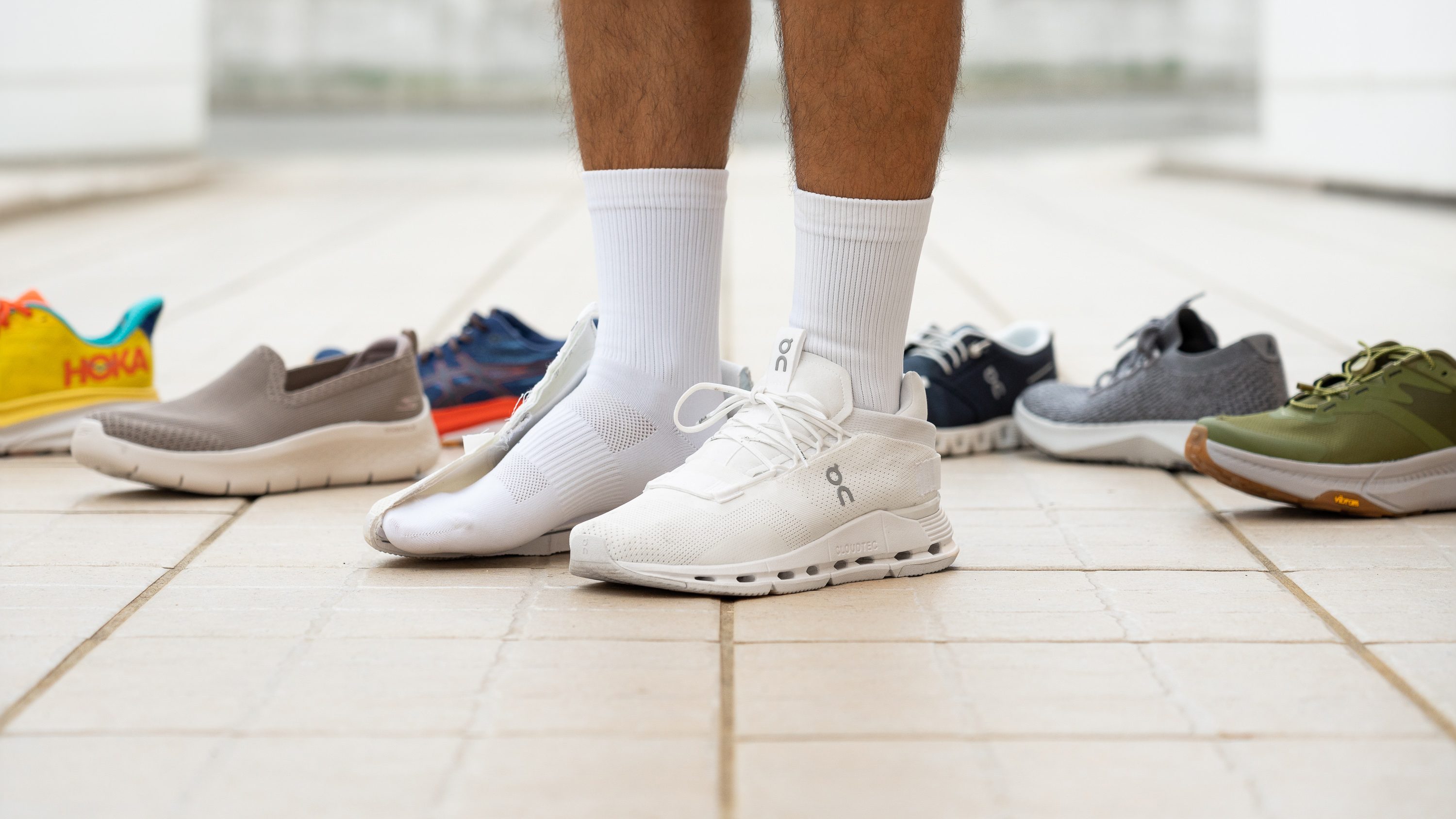
Here lies the most significant shift in perception: the walking shoe has been embraced by the fashion lexicon. This is not an accident but a reflection of a broader cultural movement towards “healthcore” and functional fashion. The once-clear boundary between athletic wear and everyday attire has dissolved. Iconic silhouettes from brands like Hoka, On, and New Balance are now spotted on fashion runways, in creative offices, and at upscale cafes. The appeal is multifaceted. First, there is an aesthetic of intentionality. The bold lines, layered midsoles, and sophisticated color-blocking of modern performance shoes communicate a conscious choice—a prioritization of well-being that is, in itself, stylish. As fashion critic Tim Blanks noted in a Business of Fashion article, “Comfort is the new luxury. It speaks of confidence and control over one’s environment.” Second, the versatility is unparalleled. A sleek, monochromatic pair of walking shoes can seamlessly transition from a morning errand run to a casual lunch, pairing equally well with tailored trousers, denim, or technical fabrics. They offer a cohesive look that is polished yet relaxed. This style revolution means you no longer need to pack an extra pair of shoes “just in case.” The right walking shoe is the only pair you need, a unifying element in a capsule wardrobe that values both form and function.
Making the Informed Choice: A Buyer’s Perspective
With a market saturated with options, selecting your ideal pair can feel daunting. The key is to move beyond brand loyalty or looks alone and become a informed evaluator of your own needs. Start with your gait. Many specialty running stores offer free gait analysis, which can identify your pronation pattern and recommend shoes with the appropriate level of support. Consider your primary use case. Are you logging miles on pavement, traversing city streets, or combining walking with periods of standing? For hard surfaces, prioritize maximum cushioning. For all-day wear, look for shoes with a roomier toe box to allow for natural foot spread. Don’t underestimate the importance of fit: your feet swell throughout the day, so it’s advisable to shop in the afternoon and ensure about a thumbnail’s width of space between your longest toe and the end of the shoe. Finally, leverage the wealth of collective knowledge available. Cross-reference professional reviews from sites like Verywell Fit or Outside with user experiences on platforms like Reddit’s r/GoodValue or Quora threads dedicated to long-term comfort. This multi-source approach provides a balanced view between laboratory testing and real-world durability.

An Investment That Pays Dividends
Viewing a premium walking shoe as a mere expense is a short-sighted approach. Instead, consider it a strategic investment in your health, productivity, and personal style. The immediate payoff is tangible: reduced fatigue, fewer aches, and the energy to engage more fully in your day. The long-term benefits are even more compelling. By promoting proper alignment and reducing impact stress, you are actively contributing to the longevity of your joints and musculoskeletal health, potentially averting costly physical therapy or other interventions down the line. From a style perspective, a versatile, high-quality pair reduces the urge for frequent, impulsive footwear purchases, adhering to the sustainable fashion principle of “buy less, buy better.” To make this investment more accessible, it is worth noting that many direct-to-consumer brands and retailers offer significant discounts during seasonal sales, holiday weekends, or through loyalty programs. The value proposition is clear: for a fraction of the cost of a single medical co-pay or a trendy, uncomfortable fashion item, you can secure a tool that enhances nearly every waking moment.
The journey toward effortless style and unwavering comfort begins from the ground up. The modern walking shoe stands at this intersection, a product of rigorous science and thoughtful design. It asks you to reject the outdated compromise and embrace a standard where you can feel as good as you look, from your first step in the morning to your last in the evening. This is the secret not to a single day, but to a fundamentally better way of moving through the world. Your next step is the most important one.