

The Best Tennis Shoes for Walking Comfort and Fashion
In the realm of footwear, a fascinating convergence is taking place. The lines between specialized athletic gear and everyday fashion are blurring, and at the heart of this shift is a humble hero: the tennis shoe. No longer confined to the clay or grass courts, modern tennis shoes are being re-evaluated and embraced for a far more common activity—walking. This isn’t merely a trend born from convenience; it’s a recognition of the sophisticated engineering, historical pedigree, and versatile aesthetics that these shoes offer. The quest for the perfect pair of tennis shoes for walking is about finding that sweet spot where biomechanical support meets personal style, where every step is cushioned without sacrificing a statement. We are moving beyond the outdated notion that walking shoes must be clunky and tennis shoes purely performance-oriented. Today, the best options serve a dual master, offering a foundation for both urban exploration and sartorial confidence.
The Anatomical Argument: Why Tennis Shoes Work for Walking
To understand why a tennis shoe can be an exceptional walking companion, we must dissect its design philosophy from a scientific standpoint. Walking and tennis, while different in intensity, share fundamental biomechanical needs: stability, cushioning, and forefoot flexibility. A study from the University of Calgary’s Human Performance Laboratory emphasizes the importance of midfoot stability in preventing overpronation—a common issue in both gait cycles and lateral movements on court. Tennis shoes are inherently built to manage multi-directional forces. Their outsoles often feature modified herringbone or circular tread patterns that provide grip not just for forward motion, but for quick stops and pivots. This translates to superior traction on varied urban surfaces, from pavement to polished floors. The cushioning systems, frequently employing advanced foams like Adidas’s Boost or Nike’s React, are designed to absorb repeated impact from the ball of the foot—a zone critical in the tennis serve and the walking push-off phase. As Dr. Casey Kerrigan, a renowned biomechanist, once stated in an interview with Runner’s World, “The goal of sports shoe design is to manage the energy of impact and return it efficiently to the athlete.” This principle of energy return is equally valuable for the walker seeking reduced fatigue over long distances. Therefore, the architectural DNA of a tennis shoe, focused on responsive cushioning and holistic support, makes it a scientifically sound candidate for pedestrian use.
A Legacy Forged on the Court: The Historical Pedigree
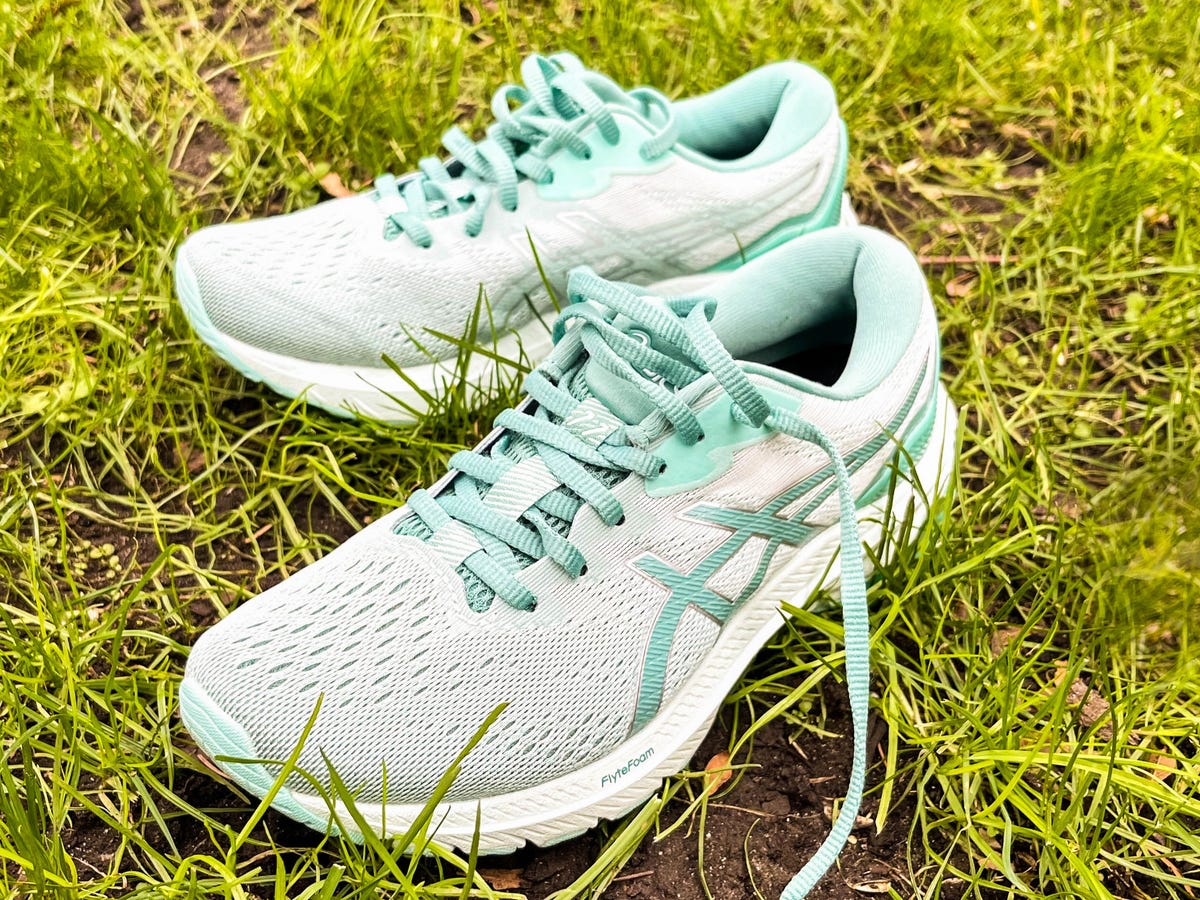
The cultural journey of the tennis shoe from sport to street is a testament to its inherent appeal. Its origins are deeply rooted in function. In the late 19th century, as lawn tennis gained popularity, players needed footwear that offered more grip than standard leather soles. The “plimsoll,” a simple canvas shoe with a rubber sole, emerged as an early prototype. This evolution continued through the 20th century, with brands like Keds, Converse, and later Adidas and Nike, refining the design for elite athletes. The moment of true cultural transference is often pinpointed to the 1980s, with the release of the Nike Air Tech Challenge II, famously worn by Andre Agassi. Its bold colors and aggressive design weren’t just for show; they represented a new, rebellious attitude. As fashion historian and author of Sneakers: Fashion, Gender, and Subculture, Yuniya Kawamura, notes, “The tennis shoe became a symbol of athletic aspiration and youthful energy that transcended the sport itself.” This historical context is crucial. When you choose a classic style like the Adidas Stan Smith or a modern performance model as your tennis shoes for walking, you are not just choosing comfort; you are invoking a legacy of innovation and cultural resonance. These shoes carry with them stories of Wimbledon finals and street-style revolutions, adding a layer of narrative depth to your daily stride.
Key Design Features to Prioritize
Not all tennis shoes are created equal for walking purposes. Discerning the right pair requires a focus on specific design elements. First, examine the midsole construction. Look for shoes that utilize proprietary cushioning technologies. For instance, Asics incorporates GEL cushioning units, a silicone-based material that attenuates shock waves upon impact, a technology born from research into vibration damping. Second, consider the upper material and structure. Modern engineered mesh provides breathability and a adaptive fit, crucial for preventing hotspots during long walks. Many performance tennis shoes for walking also feature internal heel counters and midfoot saddles—often visible as external plastic or foam panels—that lock the foot in place, enhancing stability without excessive weight. Third, analyze the outsole pattern and rubber compound. Durable carbon rubber in high-wear areas (like the heel) increases longevity, while a flexible forefoot groove allows for a natural rocking motion from heel-strike to toe-off. A resource like the American Podiatric Medical Association’s (APMA) Seal of Acceptance can be a helpful, though not exclusive, indicator of supportive design. Remember, the ideal pair should feel secure and responsive from the moment you try them on, with no “break-in” period required—a sign that its design aligns with your foot’s mechanics.
:max_bytes(150000):strip_icc()/vwt-walking-shoes-test-ryka-devotion-x-sahara-borja-02-18807b688fbb49e4ba30a3ee438600cb.jpeg)
The Fashion Calculus: Styling Your Tennis Shoes
Moving from pure function to fashion, the versatility of the tennis shoe is its superpower. The aesthetic range is vast, from the minimalist, clean lines of the Common Projects Achilles Low to the chunky, retro silhouette of the New Balance 990 series. This variety allows for intentional styling. For a smart-casual look, pair a crisp white leather tennis shoe with tailored trousers and a relaxed blazer. The contrast between formal and athletic elements creates a contemporary, effortless vibe. For weekend wear, classic canvas sneakers with slim-fit jeans and a simple t-shirt remain an unbeatable uniform. The influence here is palpable in high fashion; designers from Gucci to Maison Margiela have deconstructed and reinterpreted the tennis shoe, elevating it to luxury status. As style icon and filmmaker Tom Ford once remarked, “Luxury is about comfort. The ultimate luxury is being able to feel comfortable and look good without trying too hard.” This encapsulates the modern appeal of using tennis shoes for walking as a fashion anchor. They provide the comfort necessary for real life while offering a palette of colors, textures, and forms to express personal style. They democratize style, proving that looking polished does not require physical discomfort.
Investment and Value: Navigating Price and Performance
Acquiring the best footwear is an investment in your physical well-being and stylistic portfolio. The price spectrum for quality tennis shoes for walking typically ranges from $80 to $180. This cost reflects research, material innovation, and construction quality. A shoe in the higher end of this range, such as those featuring Nike’s Zoom Air units or Adidas’s Lightstrike Pro foam, often offers more precise energy return and longer material life. However, exceptional value can be found. Brands like Skechers, with their Memory Foam insoles, offer remarkable comfort at an accessible price point. The key is to prioritize needs: is all-day cloud-like cushioning paramount, or is durability on abrasive surfaces the main concern? Watch for seasonal sales on major retailer websites or direct brand outlets, where previous models—which often have nearly identical technology—can be found at significant discounts. For instance, last year’s flagship tennis model might be available at 30-40% off, representing tremendous value. Remember, the cost per wear of a comfortable, durable, and stylish pair that you use daily quickly becomes negligible compared to the benefits of supported joints and confident presentation.
A Personal Journey on Foot
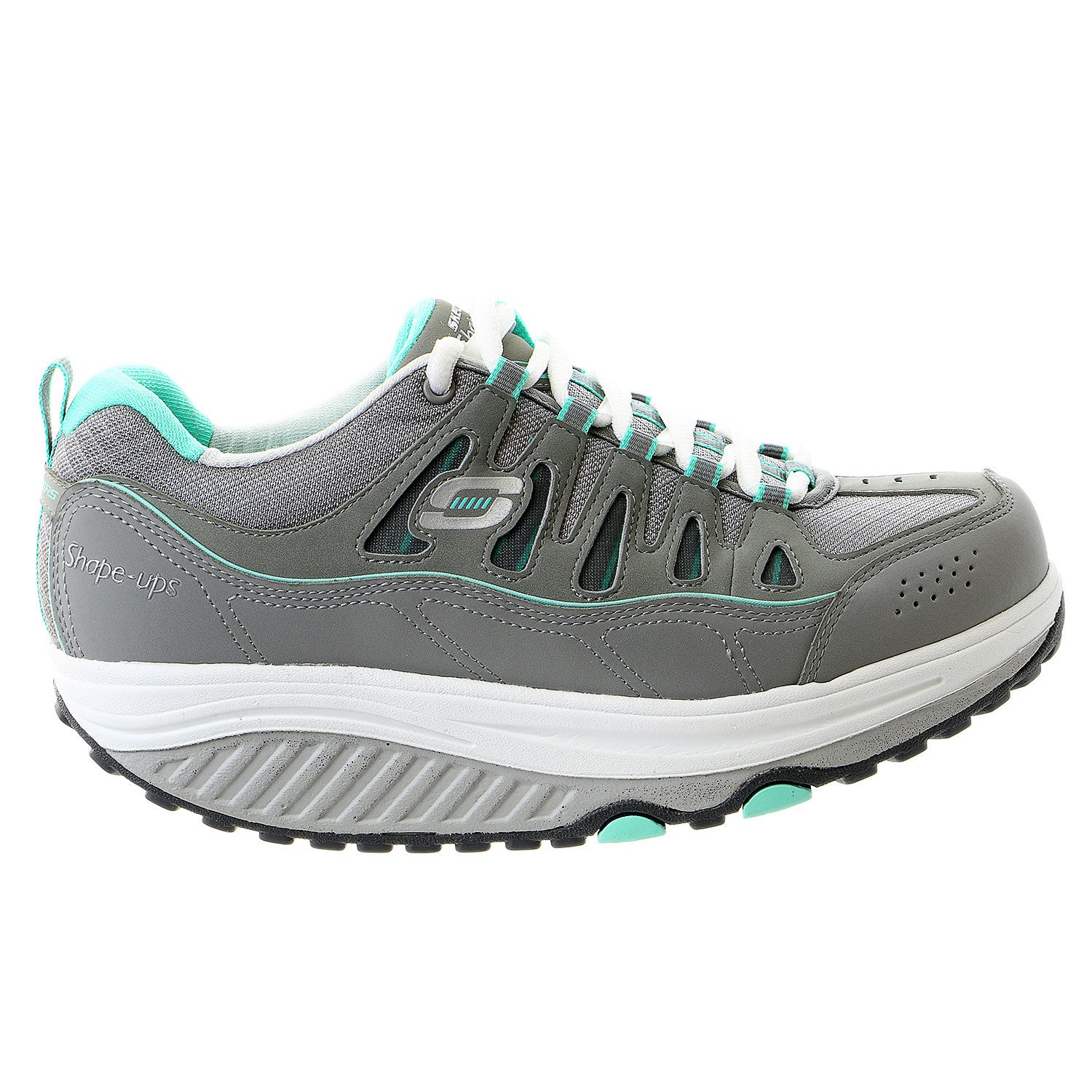
Let me shift to a first-person perspective. My own search for the perfect walking companion led me through a maze of specialized “walking shoes” that felt medical and running shoes that were too rigid in the wrong places. The revelation came when I dusted off an old pair of tennis trainers. The difference was immediate. The secure heel cup prevented slippage, the reinforced toe box protected my feet on crowded streets, and the cushioning felt alive—responsive, not dead and soft. I was walking longer distances without the familiar ache in my arches. Furthermore, these shoes didn’t scream “gym.” They paired seamlessly with my daily wardrobe, from client meetings to weekend errands. This personal experience mirrors the findings of countless reviews on platforms like YouTube, where fitness enthusiasts and style commentators alike praise models like the Asics Gel-Resolution or the Nike Court Legacy for their dual-purpose design. It’s a testament to the idea that sometimes, the best tool for a job isn’t the one most narrowly marketed for it, but the one whose fundamental engineering aligns with your body’s needs and life’s aesthetic demands.

The fusion of comfort and fashion in footwear is not a compromise but an elevation. The modern tennis shoes for walking stand as a pinnacle of this fusion, offering a synthesis of biomechanical science, historical cool, and stylistic flexibility. They remind us that what serves the athlete in moments of peak performance can also cradle the citizen in the marathon of daily life. In choosing such a pair, you are not just selecting shoes; you are opting for a foundation that supports your physical journey and reflects your personal narrative with every step you take. The path forward, it seems, is best walked in shoes that know the value of both court and pavement.
