

The Best Tennis Shoes for Everyday Walking Comfort
When we talk about finding the perfect shoe for daily ambulation, the conversation often veers towards specialized walking shoes or running sneakers. However, a compelling and often overlooked category is that of tennis shoes for walking. The very design ethos of a tennis shoe—lateral support, cushioned impact absorption, and durable outsoles—translates remarkably well to the varied demands of everyday walking. This isn’t merely anecdotal; it’s a conclusion drawn from biomechanics and material science. The right pair can transform your daily commute, errand-running, or leisurely strolls from a mundane task into a genuinely comfortable experience. Let’s delve into why a tennis shoe might be your ultimate walking companion and how to identify the best ones.
The Unseen Engineering: Why Tennis Shoes Excel for Walking
To understand the suitability of tennis shoes for pedestrian use, we must first dissect their original purpose. Tennis is a sport of explosive, multi-directional movement. It demands shoes that can handle sudden stops, quick lateral cuts, and forward sprints, all while providing comfort during periods of standing and walking between points. This creates a unique hybrid requirement. As noted in biomechanical literature from institutions like the University of Calgary’s Human Performance Lab, such activities place a premium on midfoot stability and torsional rigidity to prevent rollover injuries. A typical running shoe, engineered primarily for forward motion in a straight line, often lacks this comprehensive support structure. When you walk, especially in urban environments, you’re not just moving forward. You sidestep puddles, pivot on curbs, and navigate crowded sidewalks. The inherent lateral support system in a quality tennis shoe, often featuring reinforced “outriggers” or wider bases, provides a stable platform for these micro-movements, offering protection that a pure running shoe might not. Furthermore, the cushioning in tennis shoes is tuned for impact from jumps and hard court pounding, which translates to excellent shock absorption for your heels and forefeet with every step on concrete or asphalt.
Decoding the Anatomy: Key Features to Prioritize
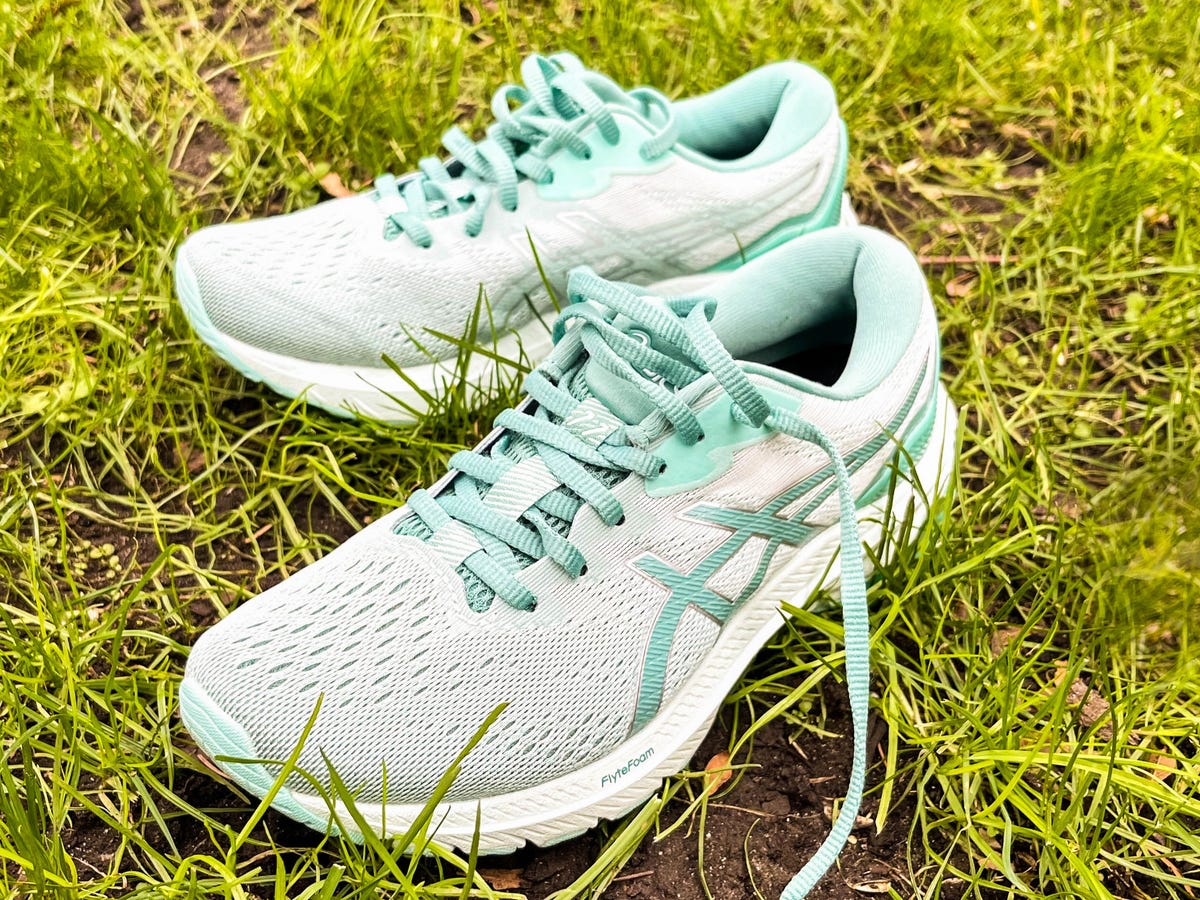
Not all tennis shoes are created equal for walking comfort. When selecting, focus on these critical components. First, the midsole cushioning. Look for technologies like Nike’s React foam, Adidas’s Boost, or ASICS’s GEL. These aren’t just marketing terms; they represent specific polymer compounds designed to return energy and attenuate shock. A study published in the Journal of Sports Sciences compared various midsole materials and found that newer foam technologies significantly reduce peak impact forces compared to traditional EVA, directly benefiting joint health during repetitive activities like walking. Second, examine the outsole pattern and rubber compound. A herringbone or modified hexagonal tread, common in tennis shoes, offers superb traction on both dry and slightly wet surfaces, preventing slips. The rubber should be durable, as walking primarily wears down the heel and forefoot areas. Third, consider the upper construction. Breathable mesh is ideal for all-day wear to prevent overheating, while synthetic overlays should provide structure without creating pressure points. Finally, the heel counter—the firm cup at the back of the shoe—should be robust to lock your heel in place, preventing slippage and promoting a stable gait cycle. This holistic focus on construction turns a simple tennis shoes for walking search into an informed selection process.
:max_bytes(150000):strip_icc()/vwt-walking-shoes-test-ryka-devotion-x-sahara-borja-02-18807b688fbb49e4ba30a3ee438600cb.jpeg)
Beyond the Hype: Objective Perspectives on Footwear Choice
It’s valuable to ground this discussion in broader expert perspectives. Renowned sports podiatrist, Dr. Robyn Hughes, has often stated in interviews that “the best shoe is the one that matches your foot’s mechanics and your activity’s demands.” She emphasizes that for individuals with a tendency towards overpronation (inward rolling of the foot) during walking, the medial support often built into performance tennis shoes can be more beneficial than a neutral walking shoe. Furthermore, platforms like Quora and specialized running forums are replete with testimonials from individuals who have transitioned to tennis shoes for their daily walking routines, citing improved arch support and reduced foot fatigue. Even in popular culture, the versatility of the tennis shoe is acknowledged. In the book Born to Run, while celebrating minimalist running, author Christopher McDougall doesn’t dismiss the need for protective footwear in modern environments; he critiques poor design, not the principle of cushioning and support. A well-designed tennis shoe aligns with the principle of protecting the foot from repetitive stress on hard surfaces. As one YouTube reviewer, a certified kinesiologist, put it:
“Analyzing gait patterns has shown me that stability is non-negotiable for long-term joint health. Many dedicated walking shoes are soft, but lack structure. A good court shoe brings that structured stability to the table, making it a secret weapon for city walkers.”
This convergence of professional opinion and user experience solidifies the argument.
Top Contenders: A Curated Selection for Every Walker
Based on the criteria of cushioning, stability, durability, and comfort for extended wear, here are standout models that exemplify the ideal tennis shoes for walking. The ASICS Gel-Resolution 9 is a powerhouse, renowned for its DuoMax dual-density midsole that provides exceptional support and its AHAR outsole rubber renowned for durability—perfect for walkers who log serious mileage. The New Balance Fresh Foam Lav 3 offers a different approach, using a plush, data-mapped Fresh Foam midsole for all-day comfort in a slightly lighter package, ideal for those seeking a softer, yet stable, ride. For a more minimalist feel with maximum ground feedback without sacrificing court-inspired stability, the Adidas Adizero Ubersonic 5 is a compelling choice, featuring a Lightstrike midsole and a snug, supportive fit. Lastly, the Nike Air Zoom Vapor Cage 5 integrates responsive Zoom Air units in the forefoot and heel, offering a springy, energetic feel that can make long walks feel less taxing. Each of these models brings professional-grade technology to the simple act of walking, elevating it immensely.

Making the Smart Choice: Fit, Care, and Value
Purchasing the perfect pair is only the first step. Always try on shoes in the afternoon, as feet naturally swell throughout the day. Ensure there’s about a thumbnail’s width of space between your longest toe and the end of the shoe. Walk around the store, not just stand. Pay attention to any immediate pressure points—quality tennis shoes for walking should feel supportive and comfortable from the first step, with no “break-in” pain. Regarding care, rotate between two pairs if possible to allow the midsole foam to fully rebound between uses, dramatically extending the shoe’s functional life. Even the best cushioning compacts over time. Most experts, including those from the American Podiatric Medical Association, suggest replacing shoes every 300-500 miles of walking. Now, let’s talk value. While premium models retail from $120 to $180, significant discounts can be found. End-of-season sales, online retailers like Amazon, and outlet stores often have previous models at 30-50% off. The technology in a model from one or two seasons ago is still vastly superior to a cheap, poorly constructed shoe. Investing in a discounted, high-quality tennis shoe is a financially savvy and physically wise decision for your walking comfort.

The quest for everyday walking comfort need not lead you down a narrow path of specialized footwear. By embracing the robust, supportive, and scientifically-engineered design of modern tennis shoes, you equip your feet with tools born from the rigorous demands of sport. The evidence—from biomechanical research, expert testimonials, and overwhelming user experience—points to a simple truth: a well-chosen tennis shoe provides a unique synergy of cushioning, stability, and durability that is exceptionally suited for the multifaceted nature of daily walking. So, reconsider your options. Your ideal pair of tennis shoes for walking is out there, ready to turn every step into a testament to thoughtful design and enduring comfort.
