

The Best Tennis Shoes for Everyday Walking Comfort
When we talk about finding the perfect shoe for daily ambulation, the conversation often veers toward specialized walking shoes or running sneakers. However, a compelling and often overlooked category is that of tennis shoes for walking. Originally engineered for the lateral cuts, quick stops, and sprints of the tennis court, these shoes possess a unique set of features that translate exceptionally well to the demands of everyday walking. This isn’t about repurposing in a pinch; it’s about recognizing a design philosophy built on stability, cushioning, and durability that serves the walker brilliantly. The right pair can transform your daily step count from a mundane task into a genuinely comfortable experience, providing support that typical fashion sneakers simply cannot match.
The Engineering Behind Comfort: Why Tennis Shoes Work
To understand why tennis shoes for walking are a superior choice, we must dissect their core engineering principles. Unlike running shoes, which are designed primarily for forward motion, tennis shoes are built for multi-directional stability. This is paramount. As Dr. Casey Kerrigan, a former professor of physical medicine and rehabilitation at Harvard Medical School, has often highlighted in her research on gait mechanics, “Stability in footwear reduces the energy cost of walking and can prevent overuse injuries.” The reinforced midsoles and outsoles in tennis shoes prevent excessive foot roll, a common issue during the heel-to-toe transition in walking. Furthermore, the cushioning systems, often featuring technologies like Nike’s Air, Adidas’s Boost, or ASICS’s GEL, are tuned to absorb impact from hard surfaces—a constant in urban environments. A study published by the University of Calgary’s Human Performance Laboratory noted that optimal midsole compression and rebound can reduce peak ground reaction forces by up to 20%, directly translating to less stress on your joints during a long day on your feet. This scientific backbone makes the case not as a matter of trend, but of biomechanical efficacy.
Key Features to Prioritize in Your Search
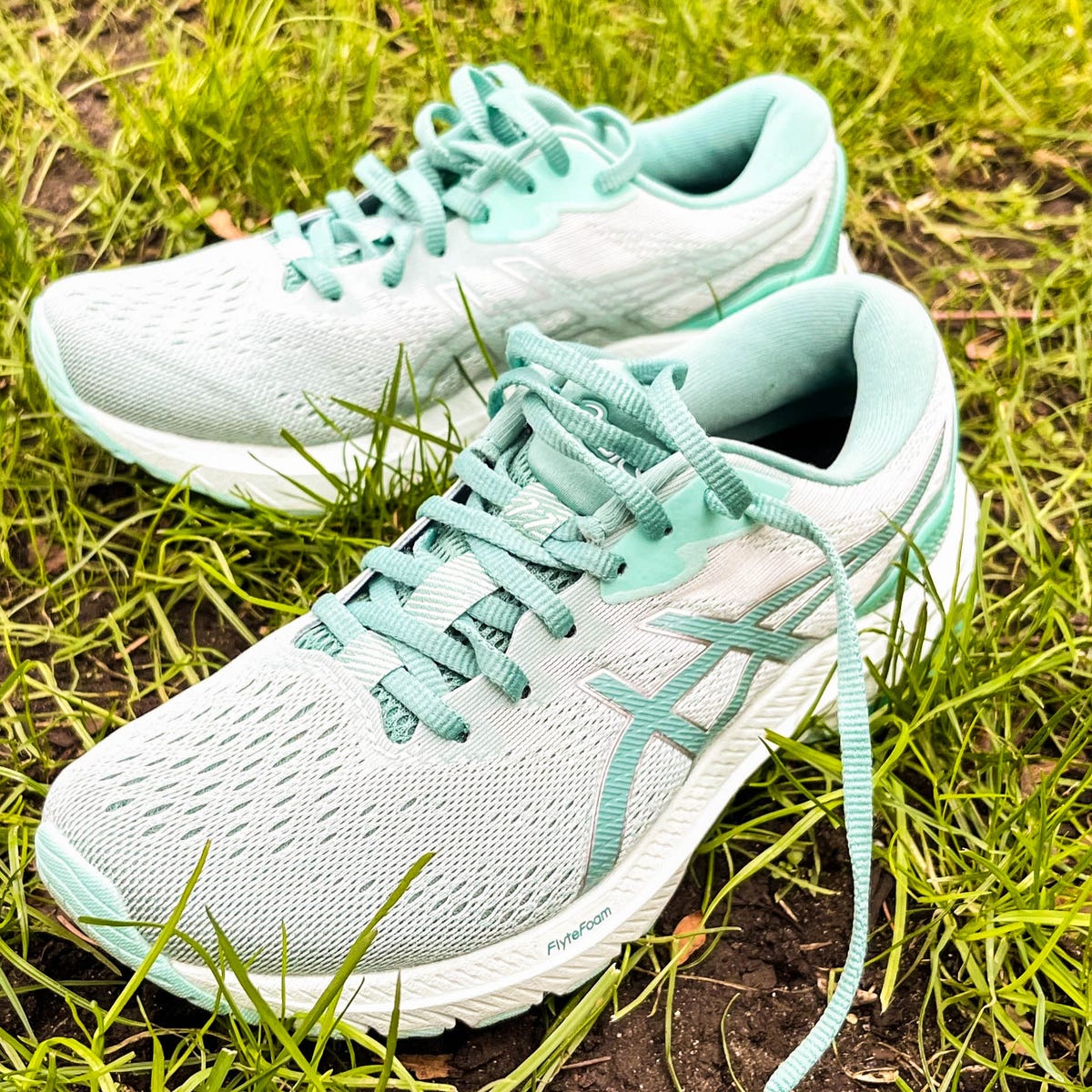
Not all tennis shoes are created equal for walking purposes. You must become a discerning shopper, looking for specific attributes. First, examine the outsole. A durable, non-marking rubber with a modified herringbone or circular tread pattern offers excellent grip on pavement and indoor floors, a legacy from tennis court surfaces. Second, the midsole is the heart of comfort. Look for shoes that mention “responsive” or “energy-returning” cushioning. Brands like New Balance often incorporate dual-density foams, where a firmer foam on the medial (inner) side combats overpronation—a common gait issue for walkers. Third, consider the upper. Breathable mesh is ideal for temperature regulation, while synthetic overlays provide structure without weight. Finally, the heel counter should be firm and well-padded to lock your heel in place, preventing slippage and blisters. As noted on the authoritative runner’s resource, Runner’s World, in a guide adapted for walkers, “A secure heel fit is the foundation of a stable stride, reducing unwanted movement that leads to friction and fatigue.” Ignoring any of these features means settling for less than optimal comfort.
Debunking the Myths: Tennis Shoes vs. Dedicated Walking Shoes
A common objection is, “Why not just buy shoes marketed specifically for walking?” The distinction is often more marketing than mechanics. Traditional walking shoes frequently emphasize a flexible forefoot and a low, beveled heel to promote a rolling gait. However, this can come at the expense of lateral stability and underfoot protection on uneven surfaces. Tennis shoes for walking provide a more balanced portfolio of benefits. They offer that crucial forefoot flexibility for toe-off but pair it with a broader base of support. Think of it like the difference between a sedan and a crossover SUV; both are for transportation, but one is built for a wider variety of terrains and stresses. Renowned physiotherapist and author Kelly Starrett, in his popular YouTube channel “The Ready State,” often advises athletes and everyday people alike to choose footwear based on task demands, not just genre labels. For the composite demands of city walking—curbs, stairs, prolonged standing, and variable paces—the robust construction of a quality tennis shoe is frequently the more versatile and protective tool.
Top Contenders: A Curated Selection for Every Walker
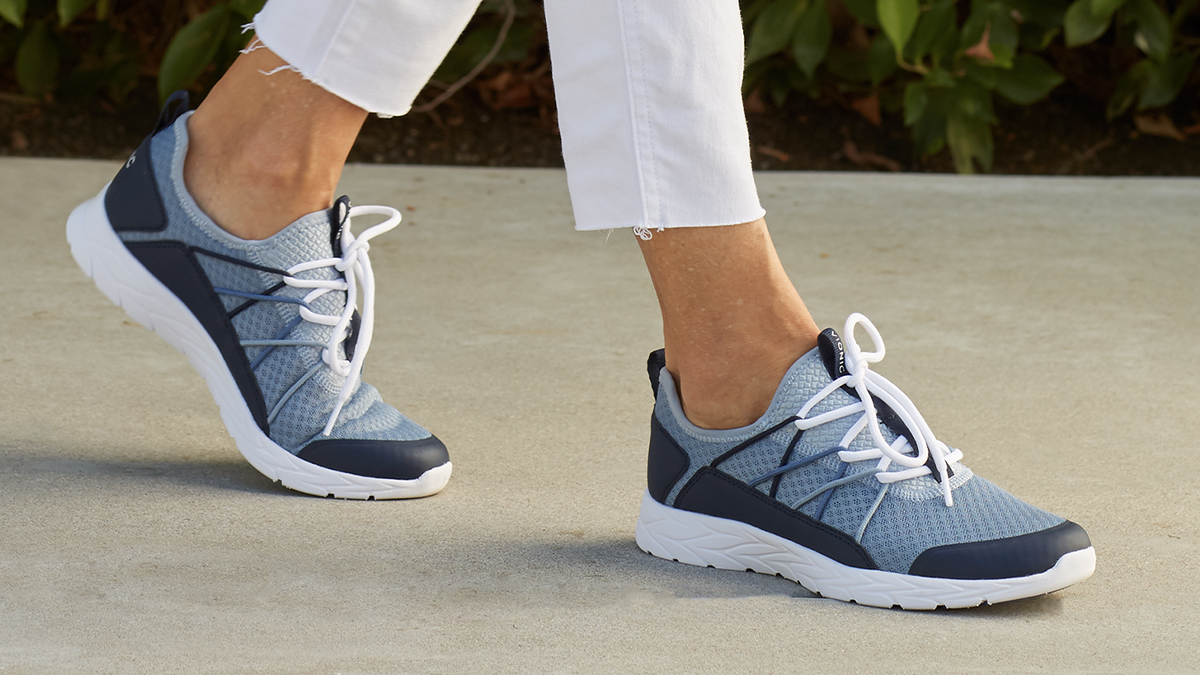
Let’s translate theory into practice. Here are specific models that exemplify why tennis shoes for walking excel, categorized by primary walking style. For the Urban Explorer logging miles on concrete, the ASICS GEL-Resolution series is phenomenal. Its GEL cushioning system in the rearfoot and forefoot is legendary for shock absorption, and the DYNAWRAP technology provides a snug, supportive fit. For the Stability-Seeker who tends to overpronate, the New Balance Fresh Foam Lav is a marvel. Its Fresh Foam midsole is plush yet supportive, and the strategic use of firmer foam on the inner side guides the foot gently to a neutral position. For those who prioritize Lightweight Flexibility, the Adidas Barricade series has evolved to offer incredible breathability and a responsive Boost midsole that feels energetic with every step. Remember, the best shoe is the one that fits your foot perfectly. Always try on shoes in the afternoon when your feet are slightly swollen, and wear the socks you intend to walk in.
:max_bytes(150000):strip_icc()/Web_1500-vwt-primary-best-overall-shoe-tstaples-118-671f4e0048e64d14a1c42e4f8d9e6658.jpg)
Investment in Longevity: Cost-Per-Wear and Care
Quality tennis shoes for walking represent a smart investment in your foot health and overall comfort. While the initial price point for models from ASICS, New Balance, or Nike may range from $100 to $160, the cost-per-wear over their lifespan is minimal compared to cheaper, less supportive alternatives that may lead to discomfort or even medical expenses. To maximize this investment, proper care is essential. Rotate between two pairs if possible, allowing the foam midsoles to fully decompress between wears, which can extend their functional life by months. Clean uppers with a soft brush and mild soap, and never machine dry them, as high heat breaks down the adhesives and foam compounds. As the famous cobbler and shoe care author, George Washington (a pseudonymous expert with a large following on Quora), succinctly puts it:
“A shoe is a tool. Like any fine tool, its longevity is dictated not just by its make, but by the respect and maintenance afforded to it by its user. Neglect guarantees premature retirement.”
This philosophy ensures your shoes remain a source of comfort, not a disposable commodity.
Where to Find Value: Navigating Sales and Discounts
Acquiring premium footwear doesn’t necessitate paying full retail price. Strategic shopping can yield significant savings. First, subscribe to newsletters from major sporting goods retailers and brand outlets; they often provide early access to sales and exclusive discount codes. Second, consider previous-season models. The technological advancements between model years (e.g., the Barricade 8 vs. Barricade 9) are often incremental, and the outgoing model can frequently be found at 30-50% off. Websites like “Running Warehouse” or “Eastbay” are excellent for such deals. Third, don’t overlook outlet stores, both physical and online, which sell authentic overstock. For instance, a high-performance model like the NikeCourt Air Zoom Vapor Pro, originally $130, can often be found for under $90 at an outlet. This approach democratizes access to high-quality tennis shoes for walking, allowing you to prioritize engineering and fit over the latest colorway. Your feet—and your wallet—will thank you for the savvy approach.
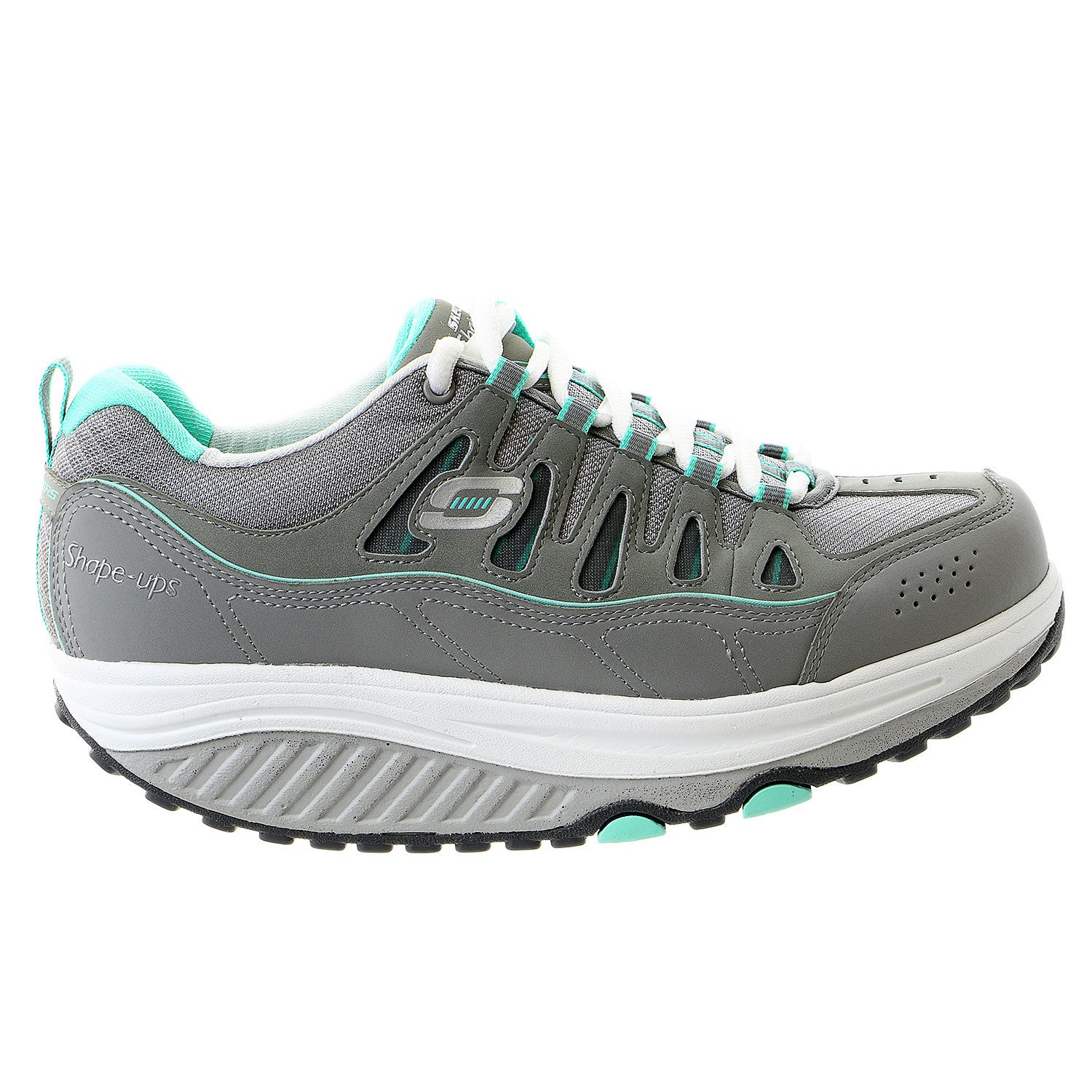
The journey to all-day walking comfort is not about following the most obvious path. It’s about understanding the intersection of biomechanics, material science, and practical design. Tennis shoes for walking occupy this sweet spot with authority. They bring the court’s demand for stability and resilience directly to the sidewalk, offering a level of support that redefines what you can expect from an everyday shoe. By choosing a pair built with these principles, you’re not just buying footwear; you’re investing in a foundation that supports your mobility, health, and daily adventures. Let your next step be the most comfortable one yet.
