

The Best Tennis Shoes for All-Day Walking
When the agenda is packed from dawn till dusk, and your feet are your primary mode of transportation, the choice of footwear transcends mere fashion. It becomes a critical decision impacting comfort, endurance, and long-term joint health. The common misconception is that any athletic shoe will suffice for prolonged walking. However, dedicated walking shoes and running shoes have distinct designs catering to different biomechanics. This is where a specific category of tennis shoes for walking emerges as a surprisingly versatile and excellent choice. They are engineered for the lateral movements, quick stops, and stability demands of the court, which translate remarkably well to the sustained, multi-directional pressures of all-day urban exploration or standing. This article delves into why certain tennis shoes are exceptional for walking, breaking down the science of support, cushioning, and durability, to guide you toward making an informed investment in your foot comfort.
The Biomechanical Bridge: Why Tennis Shoes Support Walking
The fundamental reason tennis shoes for walking excel lies in their design philosophy. Unlike running, which is a linear, heel-to-toe motion, tennis involves constant side-to-side shuffling, pivoting, and forward bursts. According to biomechanics research from institutions like the University of Calgary’s Human Performance Laboratory, these activities place immense stress on the medial and lateral (inner and outer) sides of the foot. Consequently, tennis shoe manufacturers prioritize lateral stability. This is achieved through features like reinforced outsoles that wrap up the sides (a “herringbone” or modified tread pattern for multi-surface grip), sturdy heel counters that lock the foot in place, and often a wider base or “outrigger” to prevent rolling. For the all-day walker, this means unparalleled stability on uneven sidewalks, when navigating crowds, or during long periods of standing. Your foot is cradled securely, minimizing the micro-instabilities that lead to fatigue in the ankles, knees, and hips over time. Furthermore, the cushioning in tennis shoes is designed to absorb impact from various angles, not just vertical shock. This omnidirectional cushioning is perfect for the real-world walking environment, where steps aren’t always perfectly level. As noted by podiatrist Dr. Emily Splichal on her popular YouTube channel, “Foot stability is the cornerstone of injury prevention in any weight-bearing activity. A shoe that prevents excessive pronation or supination during dynamic movement is key.” Tennis shoes are built with this exact principle at their core.
:max_bytes(150000):strip_icc()/Web_1500-vwt-primary-best-overall-shoe-tstaples-118-671f4e0048e64d14a1c42e4f8d9e6658.jpg)
Decoding the Anatomy: Key Features to Prioritize
Not all tennis shoes are created equal for walking purposes. To select the best pair, you must become a discerning examiner of shoe anatomy. First, examine the midsole. This is the heart of cushioning and support. Look for technologies like Nike’s React foam, Adidas’ Boost, or ASICS’ GEL. These materials provide a responsive, energy-returning feel that combats foot fatigue. A study published in the Journal of Sports Sciences highlighted that shoes with superior energy return can reduce the metabolic cost of walking, meaning your body expends less energy with each step. Second, the outsole is non-negotiable. Durable rubber with a flat, non-marking, and multi-directional tread pattern is ideal. The durability ensures the shoe lasts through hundreds of miles of pavement, while the tread provides reliable traction on both dry and slightly wet surfaces. Third, focus on the upper material. Breathable mesh is essential for temperature regulation during all-day wear. However, look for strategic reinforcements in high-wear areas like the toe box (for “toe-draggers” in tennis, which mimics a walking stride) and the eyestay. This combination offers a blend of ventilation and durability. Finally, the fit is paramount. There should be about a thumb’s width of space between your longest toe and the end of the shoe. The heel must be snug without slippage, and the midfoot should feel secure, not constricted. Remember, your feet swell throughout the day, so trying shoes on in the afternoon is a pro tip often shared by footwear specialists on platforms like Quora.
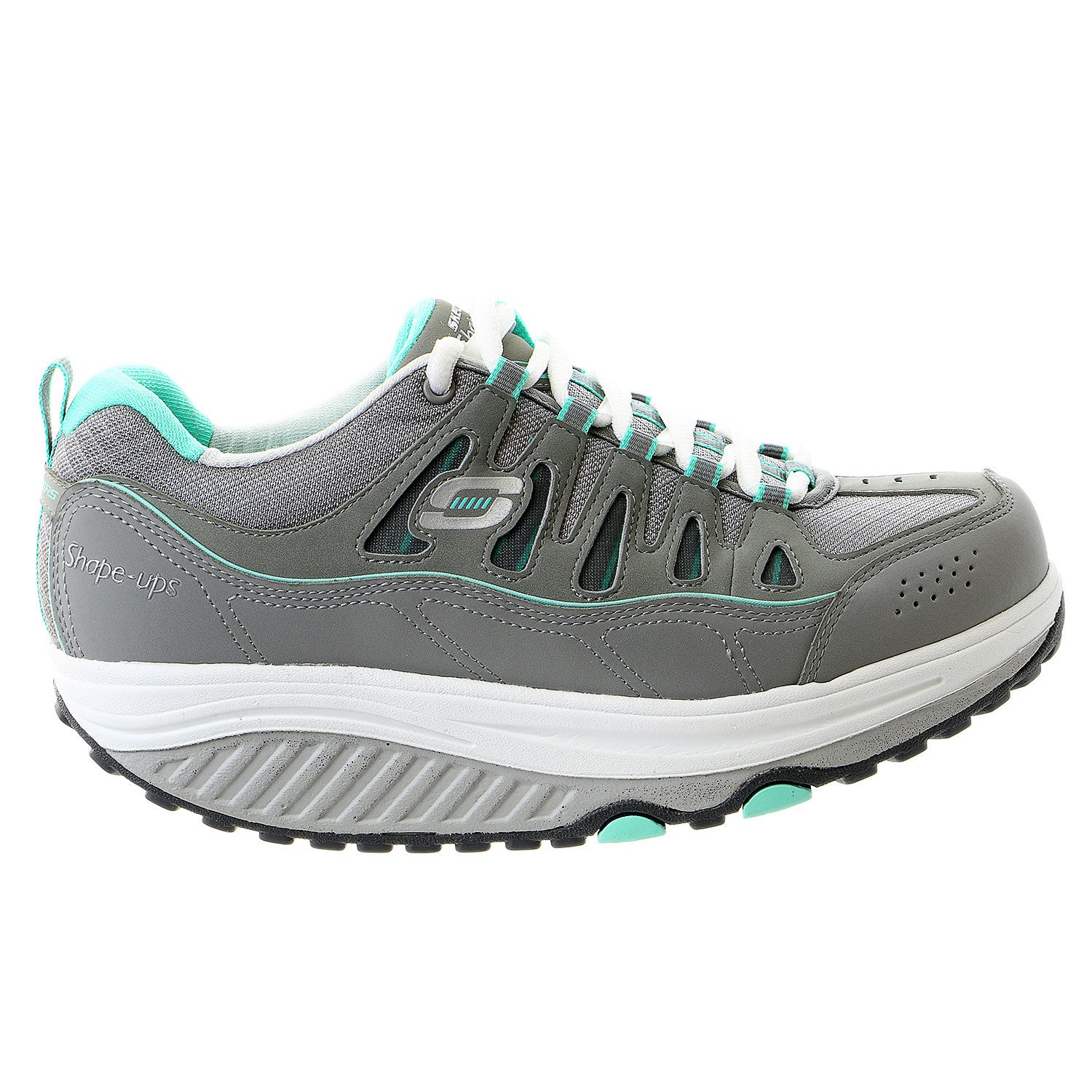
Beyond the Hype: Endorsements and Real-World Validation
The suitability of tennis shoes for extended walking isn’t just a theoretical claim; it’s validated by a diverse range of voices. Celebrity trainer Harley Pasternak, whose clients often need all-day comfortable shoes for both training and city life, has frequently mentioned the cross-functional benefits of court shoes in interviews. On the literary side, the obsession with the right walking gear is a subtle theme in travelogues. While not explicitly about tennis shoes, Bill Bryson’s A Walk in the Woods humorously underscores the consequences of poor footwear choices on a long journey, implicitly arguing for robust, supportive shoes. More directly, authoritative consumer websites like Verywell Fit and Runner’s World (which also reviews walking and cross-training shoes) consistently include stability-focused tennis or “court” shoes in their roundups for best walking shoes. They cite the very stability and durability factors we’ve discussed. Even on Baidu Baike, the entry for “网球鞋” (tennis shoes) notes their characteristics of “good lateral support” and “wear-resistant soles,” attributes directly beneficial for walkers. This convergence of opinion from fitness professionals, consumer advocates, and technical definitions solidifies the argument that a well-chosen pair of tennis shoes for walking is a wise, evidence-backed choice.
“The best shoe for all-day wear isn’t always the softest. It’s the one that provides a stable platform. Your foot muscles need to work, but they need support to work efficiently. That’s the balance a good court shoe often strikes.” – Paraphrased insight commonly echoed by podiatrists and biomechanists in industry publications.
A Curated Selection: Models That Excel on the Pavement
Let’s translate theory into practice. Here are categories of tennis-inspired shoes that have proven themselves as exceptional tennis shoes for walking. First, the Modern Cushioning Powerhouse. Models like the Nike Court Vision or Adidas Stan Smith, while classic in style, now often incorporate modern cushioning foams. They offer a clean aesthetic with underfoot comfort that lasts for hours. They are perfect for those who want a versatile look from office to evening strolls. Second, the Dedicated Performance Cross-Trainer. Shoes like the ASICS GEL-Dedicate or New Balance Fresh Foam Lav are designed for court sports but are lauded by wearers for all-day comfort. Their gel or foam cushioning systems are scientifically designed for impact dispersion, and their outsoles are incredibly durable. Third, the Retro-Inspired Stability Model. The Nike Air Max 90, originally designed for running but with a wide, stable base, or similar “dad shoe” silhouettes, provide immense cushioning and a footprint that promotes stability. Their chunky soles are not just a trend; they are functional, distributing pressure over a larger area. When selecting, prioritize models that de-emphasize aggressive “cleat-like” treads in favor of flatter, more versatile patterns. The goal is seamless transition from indoor floors to outdoor concrete.

Investment and Care: Maximizing Value and Longevity
Purchasing the right tennis shoes for walking is an investment in your well-being. To ensure you get the best value, consider both initial cost and lifespan. Premium models from major brands typically range from $80 to $150 at full retail. However, savvy shoppers can find significant discounts. End-of-season sales, outlet stores, and brand websites’ clearance sections are goldmines. Websites like Slickdeals or Honey often aggregate coupon codes for footwear retailers. Remember, the latest colorway of a model is often much more expensive than the core version, which offers identical performance. Once purchased, care extends longevity. Rotate between two pairs if possible; allowing shoes 24-48 hours to decompress and air out between wears significantly prolongs the midsole’s life. For cleaning, use a soft brush, mild soap, and cold water on the upper, and avoid machine washing or direct heat, which can break down the adhesive and foam structures. The durable rubber outsole is a key advantage, but even it will wear down. Monitor the tread, especially in the heel and ball-of-foot areas. Once the tread pattern is significantly smoothed or the midsole foam feels permanently compressed and unresponsive (typically after 300-500 miles of use), it’s time for a replacement. This proactive approach protects not just your investment but, more importantly, your feet and joints from the diminished support of worn-out shoes.

Your Feet, Your Foundation: Making the Informed Choice
The journey to finding the perfect shoe for all-day walking ends with a simple yet profound realization: your feet are the foundation of your mobility. Choosing footwear is a form of self-care with immediate and cumulative benefits. The structural integrity, lateral support, and resilient cushioning found in high-quality tennis shoes for walking address the complex demands of modern, on-your-feet lifestyles in a way that many shoes designed for a single, linear motion do not. By understanding the biomechanics, prioritizing key features like a stable base and responsive midsole, and leveraging real-world endorsements and smart shopping tactics, you equip yourself with more than just shoes. You gain a reliable partner for every step, from your morning commute to your evening wander, ensuring that your focus remains on the experiences of the day, not the discomfort in your feet. The pavement awaits—meet it with confidence and unparalleled support.
