

How to Style These Wild Statement Shoes
Statement shoes, particularly those adorned with audacious patterns like animal prints, are not merely footwear; they are a declaration of intent, a sartorial exclamation point. To dismiss them as too loud or difficult to style is to overlook their transformative power. This guide moves beyond timid pairing suggestions, arguing that wild shoes demand a confident, strategic approach that hinges on principles of balance, color theory, and intentional contrast. They are the anchor of an outfit, and everything else should be orchestrated to let them sing.
The Psychology of the Statement: Why We Wear the Wild
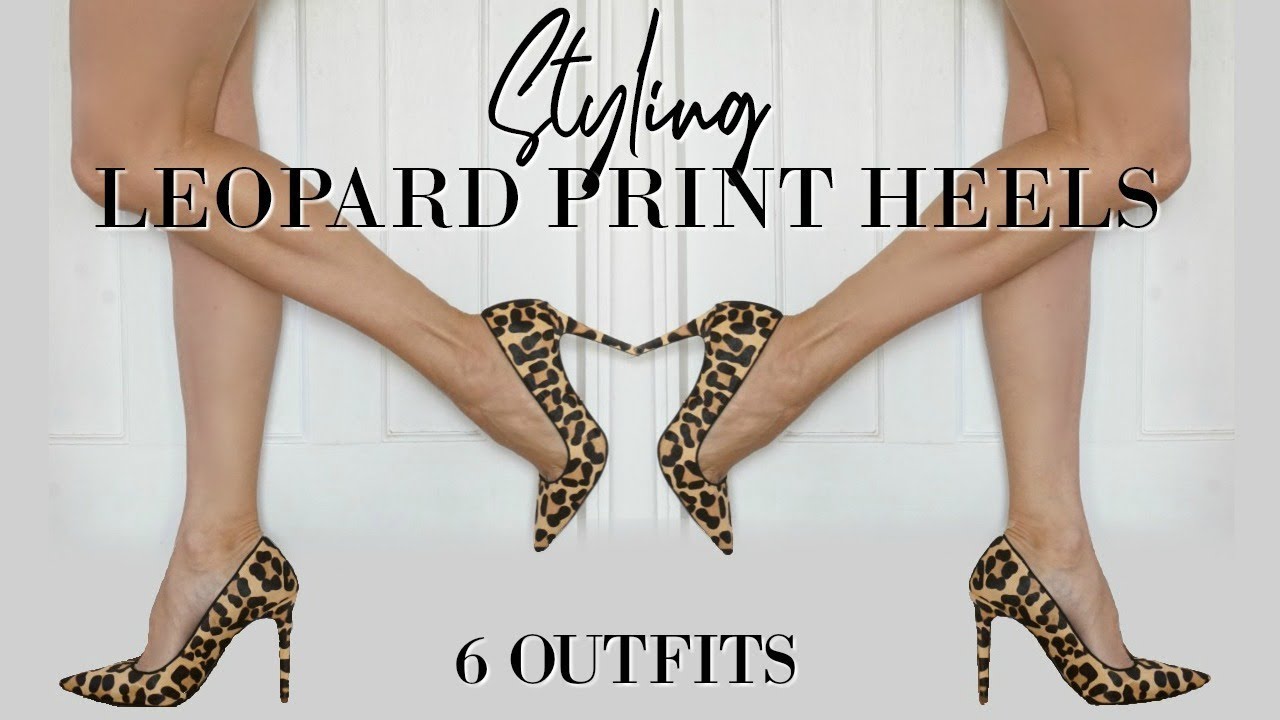
Before delving into the mechanics of styling, it’s crucial to understand the “why.” Donning a pair of fierce cheetah print heels or neon sculptural soles is a non-verbal communication tool rooted in fashion psychology. Dr. Jennifer Baumgartner, a clinical psychologist and author of “You Are What You Wear,” posits that our clothing choices are a reflection of our internal state and can actively alter our perception and behavior—a concept supported by the theory of “enclothed cognition.” A bold shoe can serve as armor, boosting confidence and projecting an image of assertiveness and creativity. Historically, animal prints have symbolized power, royalty, and untamed nature. From the leopard-spotted robes of African chiefs to the iconic glamour of 1950s Hollywood starlets, these patterns have long been associated with a fearless, dominant presence. In the modern wardrobe, they carry that legacy forward. A well-known fashion editor from Vogue once remarked on Twitter, “Animal print is a neutral. It’s a texture, an energy. The right pair of statement heels doesn’t complicate an outfit; it completes the narrative you’re telling.” This perspective reframes the challenge: you are not taming the wild shoe; you are harnessing its inherent energy to amplify your personal aesthetic narrative.

Principle One: The Foundation of Balance and Silhouette
The cardinal rule when styling extravagant footwear is mastering visual balance. A shoe with intense pattern, color, or structure creates a powerful focal point at the base of your body. The goal of the rest of your ensemble is to provide a counterweight that feels harmonious, not competitive. This is where silhouette becomes paramount. For a pair of chunky, platform cheetah print heels, the most effective counterbalance is often found in clean, streamlined, and minimalist clothing. Imagine pairing those bold heels with a simple, well-tailored black jumpsuit or a sleek midi dress in a solid color like camel or navy. The simplicity of the clothing acts as a blank canvas, allowing the shoes to claim their spotlight without visual chaos. Conversely, a delicate, strappy sandal in a wild print might be balanced with a more voluminous top or wide-leg trouser, creating an interesting tension between the airy shoe and the substantial clothing. The principle is rooted in basic design theory: a busy element requires calm surroundings to be appreciated fully. As the Bauhaus school of design famously championed, “form follows function,” but in fashion, the function of the clothing here is to frame the statement piece. Avoid the pitfall of “matching” the wildness head-to-toe; a head-to-toe animal print ensemble, while sometimes done effectively by experts, often overwhelms and loses the sophisticated impact of a single, powerful statement.
Principle Two: Strategic Color Theory and Pattern Play
Color is your most potent ally. While neutrals (black, white, navy, beige, grey) are the safest and most elegant companions, understanding color theory unlocks more adventurous, yet still cohesive, possibilities. Look to the color wheel. For shoes with warm-toned patterns like classic leopard or cheetah print heels, complementary cool tones like deep emerald green or cobalt blue can create a stunning, high-fashion contrast. Analogous colors—those next to each other on the wheel—offer a more harmonious blend; think burnt orange or mustard yellow with a brown-based animal print. The key is to let the shoe’s dominant color guide you. Pull out one secondary hue from the pattern for your clothing or accessories. For instance, if your statement shoe has flecks of red within its print, a solid red bag or lipstick creates a deliberate, polished connection. Regarding other patterns, mixing is an advanced technique but can be masterful. The rule of thumb is to vary the scale. A large, graphic leopard print pairs surprisingly well with a tiny, delicate pinstripe or a subtle windowpane check. The disparity in scale prevents the patterns from fighting. As fashion historian and author of “The Dictionary of Fashion,” Valerie Steele, has noted in lectures at The Fashion Institute of Technology, “The most interesting style often comes from calculated dissonance, not perfect harmony.”
Principle Three: Anchoring with Denim and Tailoring
For those seeking a more accessible, everyday entry point into statement shoes, look no further than denim and classic tailoring. These are the ultimate neutralizers in the best sense. The inherent casualness and familiarity of a great pair of jeans instantly ground even the most fantastical footwear. A simple white t-shirt, classic blue jeans, and a pair of elaborate, jeweled mules or fiery red boots is a look that is both effortless and editorial. It signals that you have a fearless approach to fashion without trying too hard. Similarly, the structured authority of tailoring—a crisp white shirt, a impeccably cut blazer, tailored trousers—provides a perfect foil for wild shoes. This juxtaposition is a staple of powerful dressing, seen on figures from creative directors to politicians who want to subtly showcase personality. It communicates that you respect convention but are not bound by it. The tailored piece acts as the “scientific,” objective frame for the “artistic,” subjective statement of the shoe. This approach is frequently showcased on platforms like Quora and in professional style guides from universities like Harvard Business School, which discuss using accessories to express individuality within a formal corporate framework. A pair of snakeskin loafers with a navy suit is a classic example of this intelligent sartorial play.
Beyond the Basics: Context and Confidence as Ultimate Accessories
Technical rules provide a framework, but the final, non-negotiable ingredient is context and the wearer’s own confidence. Consider the environment. A sequined boot might be perfect for a gallery opening or a dinner party but less so for a corporate board meeting (unless you’re in a famously creative industry). The setting informs the level of “wild” you can embrace. More importantly, your demeanor sells the look. Walking with purpose and owning your choice is more impactful than any styling trick. As style icon Iris Apfel has famously said,
“More is more and less is a bore. When you don’t dress like everybody else, you don’t have to think like everybody else.”
This philosophy empowers you to treat your cheetah print heels not as a costume piece, but as an extension of your personal perspective. They become a tool for creative self-expression, limited only by your imagination. Pair them with a feminine floral dress for a rebellious twist on romance, or with athletic wear for a high-low street style moment. The shoe’s wildness gives you permission to experiment.

Investment vs. Experimentation: Navigating Price Points
A practical consideration in building a wardrobe with statement shoes is investment. A truly well-crafted, comfortable pair of wild shoes from a quality brand can be a worthwhile investment, serving as a reliable go-to for years. Look for good construction, comfortable lining, and a reputable brand known for durability. However, the fast-paced nature of trends also makes statement shoes a perfect category for experimentation at more accessible price points. Many high-street retailers and online platforms offer trendy, of-the-moment styles that allow you to test a look—like metallic cowboy boots or clear PVC heels—without a significant financial commitment. The key is to be savvy. Use price-tracking tools, shop end-of-season sales, and consider retailer discount codes to acquire these pieces intelligently. This dual strategy—investing in timelessly wild classics (like a great leopard pump) and cost-effectively experimenting with fleeting trends—ensures your shoe wardrobe remains both exciting and economically sensible. Remember, the value isn’t just in the price tag; it’s in the versatility and joy you derive from each wear.

Ultimately, styling wild statement shoes is an exercise in curated contrast and personal narrative. They are not obstacles to overcome but opportunities to showcase your understanding of style’s fundamental principles. By providing a balanced silhouette, employing strategic color, anchoring with wardrobe staples, and, above all, carrying yourself with conviction, you transform a potentially daunting item into the cornerstone of a memorable and powerfully personal look. Let the shoes be the wild heart of your outfit, and build a calm, considered world around them.
