

How to Style the Perfect Pair for Every Season
Fashion is not merely about covering the body; it is a dynamic language of self-expression that shifts with the temperature, the light, and the cultural mood of the season. At the heart of this sartorial dialogue, especially for the style-conscious individual, lies the strategic selection of footwear. The right pair of heels can define an outfit, elevate confidence, and seamlessly bridge the gap between personal style and seasonal demands. This guide is dedicated to mastering that art—moving beyond fleeting trends to cultivate a timeless, adaptable approach to heel styling. We will dissect the objective principles of color theory, material science, and silhouette psychology as they apply to each quarter of the year, empowering you to make informed, stunning choices regardless of the forecast. The journey towards a perfectly curated wardrobe is one of knowledge and intention, and it begins with understanding the foundational role your footwear plays.
The Spring Awakening: Renewal in Pastels and Delicate Details
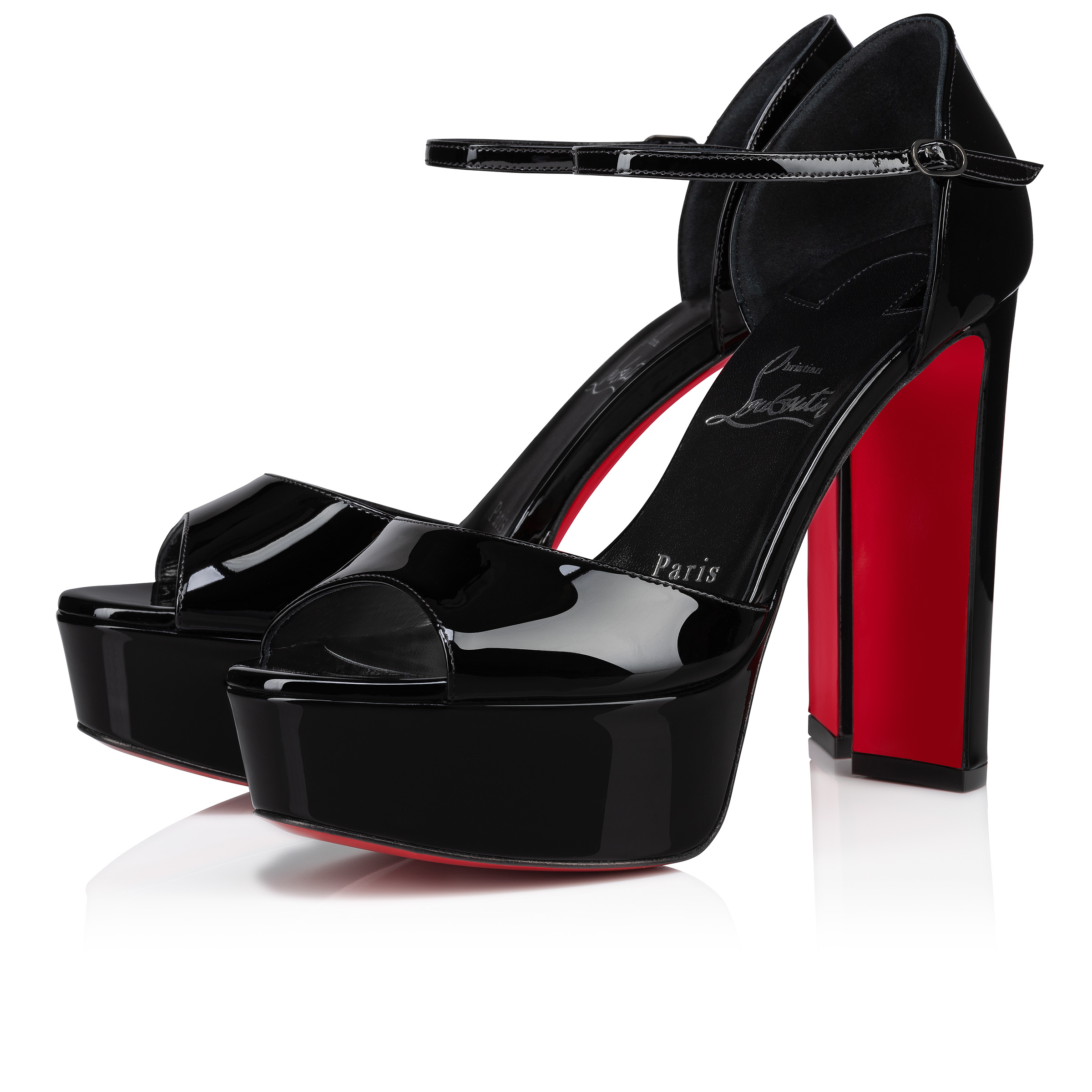
As the frost recedes and the first buds appear, spring fashion calls for a visual sigh of relief—lighter, brighter, and infused with a sense of renewal. This is the season to shed the heavy textures of winter and embrace aesthetics that mirror the blossoming environment. From a color psychology perspective, pastels—soft pinks, lilacs, mint greens, and sky blues—evoke feelings of calmness, freshness, and optimism, perfectly aligning with spring’s ethos. Scientifically, these are tints, created by adding white to pure hues, which reflect more light and thus feel visually lighter and more expansive. When applied to footwear, this principle suggests opting for heels in these palettes to create an outfit that feels airy and connected to the season. A pointed-toe pump in a pale blush pink, for instance, elongates the leg line while injecting a subtle, sophisticated femininity into both daytime dresses and evening separates. Beyond color, material choice is paramount. This is the ideal time for heels crafted from satin, fine suede, or patent leather with a delicate sheen. These materials catch the softening sunlight beautifully and lack the thermal insulation of winter fabrics, making them practically suitable for the milder climate. A strappy sandal heel, perhaps adorned with a small floral accent or a crystal buckle, references the delicacy of spring blooms without being overtly thematic. It’s worth noting that spring often presents transitional weather, making a closed-toe pump or a block-heel mule a versatile and prudent choice for cooler days. The key is to seek out designs that feel constructed yet effortless, detailed yet not overwhelming. For those looking to refresh their collection with iconic pieces, keeping an eye on a Christian Louboutin heels sale can yield exceptional finds like the classic Pigalle pump in a seasonal hue, a design celebrated for its architecturally perfect silhouette that has been analyzed in fashion literature from institutions like the Fashion Institute of Technology for its cultural impact on modern luxury footwear.
Summer Radiance: Embracing Bold Hues and Airy Constructions
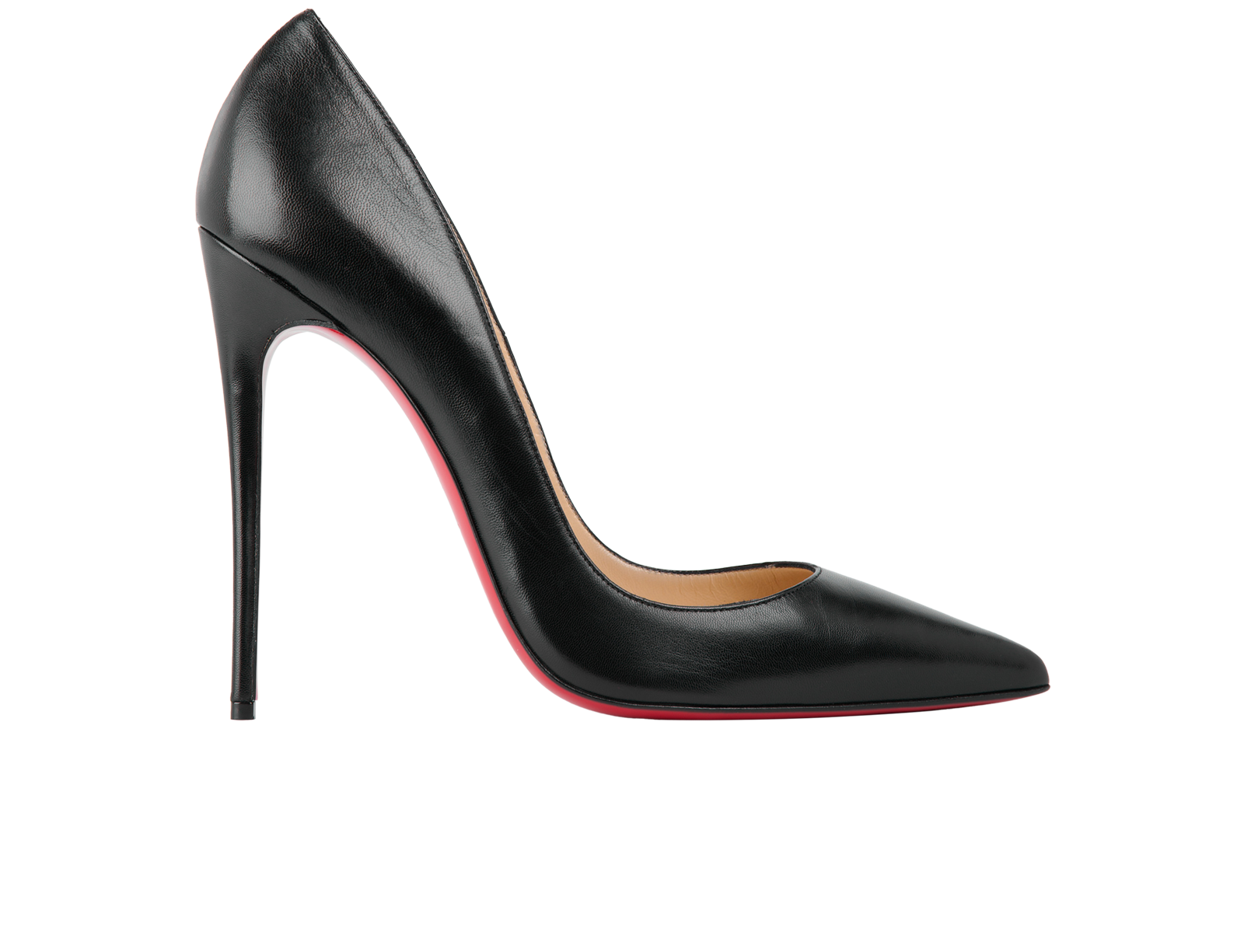
Summer is the season of unabashed vibrancy and liberated silhouettes. The intense sunlight and heat demand a shift towards both visual and physical coolness. Here, the principles of color theory advocate for clear, saturated hues and stark contrasts. Colors like fiery red, cobalt blue, emerald green, and sunny yellow dominate, as they are associated with energy, joy, and dynamism—emotions synonymous with summer living. A heel in a bold, lacquered red is not just a shoe; it is a statement of confidence, a concept famously embodied by the signature red lacquer sole of Christian Louboutin heels. As Louboutin himself has stated in interviews, the red sole was conceived as a symbol of seduction and style, a “flash of color” that is both playful and powerful. Scientifically, saturated colors have a high chromatic intensity, meaning they absorb and reflect specific wavelengths of light more purely, making them appear more vivid and attention-grabbing under strong summer light. The construction of the heel must prioritize breathability. This is the domain of open-toe sandals, espadrille wedges, and minimalist slingbacks. Materials shift to natural fibers like raffia, cork for wedges, and smooth leathers that don’t trap heat. A towering wedge with a jute-wrapped base, for example, offers height and stability for outdoor events while the natural material provides a tactile, earthy contrast to vibrant summer dresses. The silhouette should aim for a balance between elegance and ease; a delicate ankle strap can secure a barely-there sandal, ensuring it feels festive and secure. For the ultimate summer icon, one might seek out a Christian Louboutin heels sale to acquire a pair of the brand’s famed “Daffodile” platforms or “Lady Peep” sandals, styles frequently cited on fashion forums like The Purse Forum and in editorials from Vogue for their transformative, leg-lengthening effect and their ubiquitous presence on red carpets and in street style during the summer months.
Autumn’s Depth: Rich Textures and Earthy Tonality
Autumn introduces a profound shift, inviting depth, richness, and a return to structure. The season’s palette is drawn directly from the changing landscape: burnt orange, oxblood, forest green, mustard yellow, and every shade of brown from taupe to chocolate. These are earthy, muted tones—often shades and tones created by adding black or gray to a base hue—that evoke feelings of warmth, comfort, and sophistication. Psychologically, these colors are grounding and are often used in design to create a sense of stability and reliability. Translating this to footwear means selecting heels in these rich, complex colors. A suede ankle boot with a stiletto heel in merlot or a leather pump in deep espresso becomes a foundational piece that anchors lighter autumn layers like silk blouses or tweed skirts. Texture becomes the co-star to color. Materials like velvet, rich suede, grained leather (calfskin, patent with a softer finish), and even subtle animal prints (like python-embossed leather) add tactile interest and visual weight appropriate for the cooler air. The silhouette evolves towards more coverage and support. Think pointed-toe boots, chunky block heels on loafers, and closed-toe pumps. A knee-high boot with a sleek heel can seamlessly transition from day to night, pairing equally well with tailored trousers and flowing midi dresses. This season is about investment pieces that speak to enduring style. As noted in Harvard Business School cases on luxury branding, the value of an iconic autumn item lies in its perennial relevance and quality craftsmanship. Discovering such pieces can be more accessible during strategic shopping moments, such as a Christian Louboutin heels sale, where timeless styles like the “Iriza” pump or “Bianca” platform in autumnal suede can be acquired, offering a blend of artistic design and seasonal appropriateness that is frequently analyzed in fashion critiques for its balance of drama and wearability.
Winter’s Edge: Architectural Shapes and Luxe Insulation
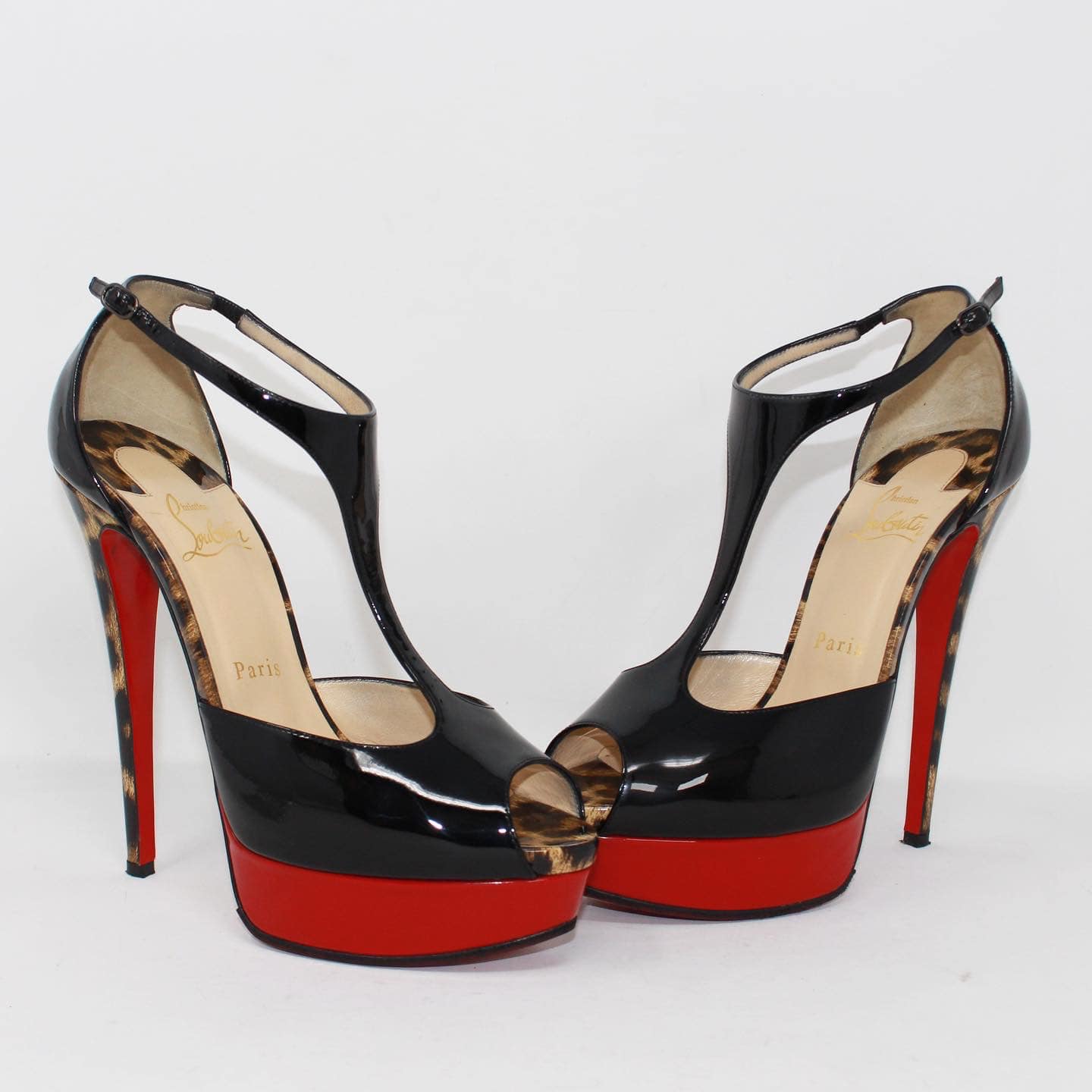
Winter demands a fashion response that is both defiant and luxurious—a combination of formidable presence and opulent comfort. The color narrative often shifts to monochrome, metallics, and deep, jewel-toned accents. Black, of course, reigns supreme, not merely for its slimming effect but for its powerful, authoritative connotations in Western fashion history, as documented in works like “The Little Black Dress” by Andre Leon Talley. Navy, charcoal, and pure white (snow-inspired) offer sophisticated alternatives. Pops of color come in the form of gemstone shades: amethyst purple, ruby red, or sapphire blue, which provide brilliant contrast against gloomy skies and dark coats. The most critical factor, however, is the architectural shape and substantial material. Winter heels are often defined by stronger, more geometric lines—a sharp almond toe, a robust block heel, or an over-the-knee boot with a severe vertical line. These shapes convey strength and structure, cutting through the bulk of winter layers. Materials must provide insulation and a sense of luxury: polished calfskin, thick suede, patent leather that reflects the low winter light, and even fur or shearling accents for boots. A bootie with a substantial heel, for instance, provides stability on potentially slick surfaces while adding crucial inches that prevent hemlines from dragging in slush. The concept of “luxe insulation” is key; it’s about choosing footwear that feels protective and plush without sacrificing style. This is where the craftsmanship of high-end designers truly shines. As many style authorities on platforms like YouTube (e.g., fashion historian Amber Butchart) explain, a well-constructed winter heel uses superior materials and construction techniques to achieve both form and function. For the pinnacle of this winter aesthetic, a pair secured from a Christian Louboutin heels sale—such as the “Degrastrass” platform boot or the “Hot Chick” pump in black patent—delivers not just warmth and stability but an unmistakable edge of glamour. The brand’s incorporation of unique materials and sculptural heels, often referenced in design analyses from sites like Dezeen, turns winter footwear into wearable art.
The Transcendent Strategy: Building a Core Collection
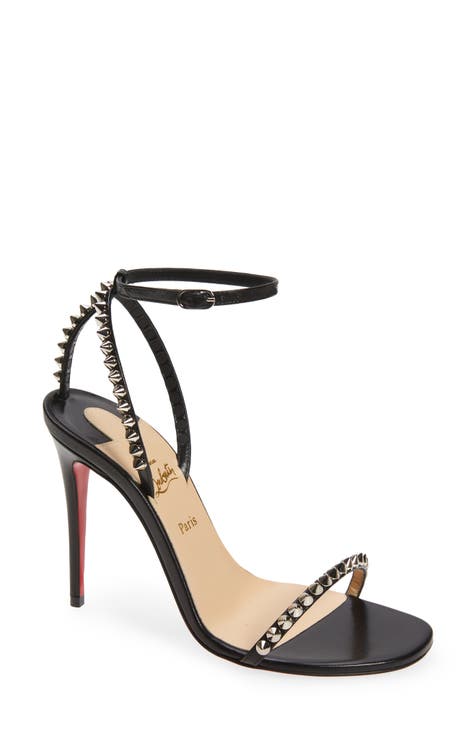
Beyond seasonal adjustments, the most powerful approach is building a core collection of heels that possess inherent versatility. This strategy is less about chasing every micro-trend and more about investing in silhouettes and colors with high adaptability. The objective is to own pieces that can be dressed up or down, that cross seasonal boundaries with minor styling tweaks, and that are constructed to last. Scientifically, this aligns with the “capsule wardrobe” concept popularized by stylists like Susie Faux, which is supported by environmental psychology principles suggesting that a reduced, more intentional wardrobe can decrease decision fatigue and increase personal satisfaction. The foundational pieces include: a nude pump (where “nude” matches your skin tone for maximum leg-lengthening effect, a theory often elaborated on by stylists on Quora and in fashion textbooks), a classic black pump, a sleek black ankle boot, and a neutral-toned strappy sandal. Each of these serves multiple functions across seasons. The black pump pairs with a floral spring dress for contrast, with white summer trousers for chic contrast, with autumn tweed, and under winter wide-leg pants. The key to refreshing this core collection without perpetual full-price investment is strategic acquisition during sales events. A discerning shopper can elevate their core with iconic pieces by monitoring a Christian Louboutin heels sale. Integrating a signature red-soled pair into this core—be it the timeless “So Kate” or the versatile “Simple Pump”—infuses the entire collection with a touch of definitive luxury and artistic heritage, a value proposition frequently discussed in business analyses of luxury goods from sources like the Business of Fashion.
Mastering the art of seasonal heel styling is an exercise in informed creativity. It requires listening to the environment—its colors, its light, its temperature—and responding with choices that are both scientifically sound and aesthetically resonant. By understanding the principles behind color, material, and silhouette, you move from being a passive consumer to an active curator of your image. Whether it’s the delicate pastel for a spring garden party, the bold sandal for a summer soirée, the rich suede boot for an autumn stroll, or the architectural pump for a winter gala, the perfect pair is the one that harmonizes with the world outside while unequivocally expressing the world within. The journey doesn’t end with purchase; it evolves with each season, each outfit, and each confident step you take.
