

Elevate Your Style with Clear High Heel Shoes for Effortless Elegance
In the ever-evolving lexicon of fashion, few items possess the transformative power of a well-chosen shoe. They are the foundation upon which an outfit is built, the silent punctuation mark that can declare confidence, sophistication, or daring rebellion. Among the pantheon of footwear, one style has crystallized—quite literally—as a symbol of modern, minimalist chic: the clear high heel shoes. These are not merely shoes; they are an architectural statement for the feet, a study in illusion and substance that offers a unique pathway to what we might call effortless elegance. This is not about following a trend blindly, but about understanding how a transparent medium can amplify your personal style, making your attire the undisputed focus while providing a sleek, elongated silhouette. The elegance they promise is effortless because the shoe itself recedes visually, creating a seamless line from leg to floor, an effect celebrated by stylists and fashion theorists alike for its clean, contemporary impact.
The Architectural Illusion: Deconstructing the Clear Heel Phenomenon
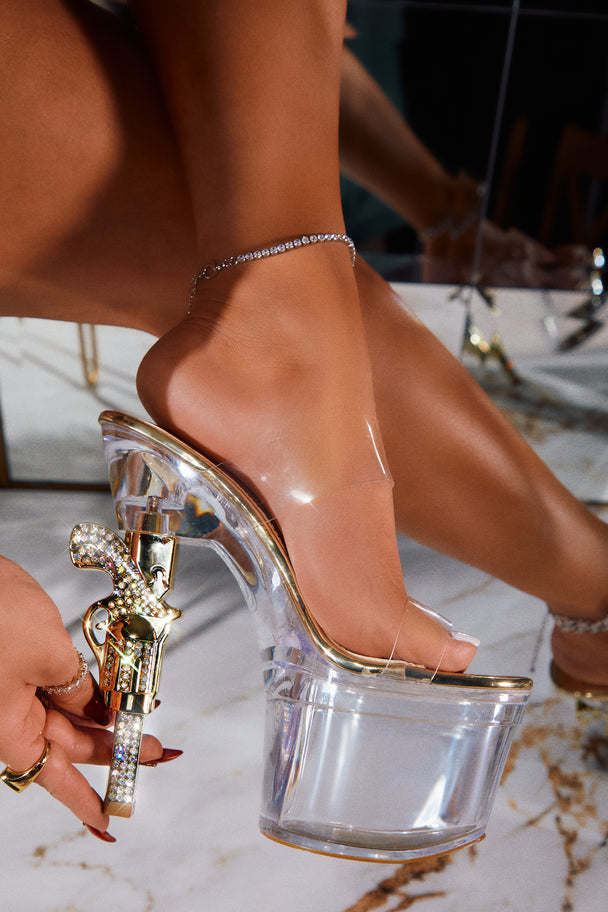
The allure of clear high heel shoes is rooted in principles that intersect design, psychology, and art history. Objectively, transparency in design is often associated with modernity, honesty, and lightness. In architecture, thinkers like Ludwig Mies van der Rohe championed the use of glass to create structures that felt open and connected to their environment. This philosophy translates directly to footwear. A clear heel and often a clear PVC or acrylic strap system create a visual void, making the shoe appear less bulky and intrusive than its opaque counterparts. Scientifically, this plays with our visual perception. The human eye is drawn to contrasts and defined edges. By minimizing the visual footprint of the shoe, the focus shifts upward to the wearer’s legs and the clothing itself. This creates an unbroken line, a trick long employed in fashion to suggest height and slenderness. As noted on platforms like Quora and in analyses from fashion institutes like the Fashion Institute of Technology (FIT), the “floating” effect of a clear heel can make legs appear longer, as there is no harsh color line to cut off the limb. This isn’t just anecdotal; it’s a calculated optical illusion. The shoe becomes a frame, not the picture. This conceptual shift—from shoe as a dominant accessory to shoe as a subtle enhancer—is what defines its effortless contribution to an ensemble. You are not wearing a loud statement shoe; you are employing a sophisticated tool that prioritizes your overall form.
From Silver Screen to Sidewalk: A Legacy of Daring Glamour
The journey of transparent footwear from avant-garde curiosity to wardrobe staple is paved with iconic moments. Its modern resonance can be traced to daring figures who used fashion to project a futuristic or unabashedly confident image. While not exclusively high heels, the concept gained massive cultural traction with the famous “glass slipper” from fairy tales, an object of desire and transformation. In contemporary times, the clear shoe found a formidable muse in the late 1990s and early 2000s. Celebrities like Spice Girls’ Geri Halliwell and actress Sarah Jessica Parker’s character, Carrie Bradshaw, in Sex and the City were occasionally spotted in clear-strapped shoes, hinting at a playful, forward-thinking style. However, it was perhaps the pop icon Madonna who, during her “Confessions” era, wore custom-made clear high heel shoes by designer Christian Louboutin, embedding them in the zeitgeist as a symbol of powerful, unapologetic femininity. On YouTube, fashion historians such as “The Ultimate Fashion History” channel have dissected this evolution, pointing out how these moments moved clear shoes from the realm of costume into high fashion. Furthermore, authoritative fashion literature, like Valerie Steele’s works from The Museum at FIT, often discusses how materials like PVC and acrylic were adopted by designers like André Perugia and later, more broadly, to challenge traditional notions of luxury and femininity. This historical and pop-cultural lineage provides a rich, evidence-backed foundation for the shoe’s legitimacy. It’s not a fleeting fad but a style with documented roots in cultural rebellion and high-fashion experimentation, offering you a piece of that legacy.

The Versatility Code: One Pair, Endless Narratives
A common misconception is that such a distinctive shoe must be challenging to style. The opposite is true, and this is the core of its genius. The versatility of a pair of clear high heel shoes is unparalleled. Their neutrality is their superpower. Let us navigate this through several scenarios. For the professional setting, imagine a tailored, monochromatic pantsuit in navy or black. A classic black pump can feel expected. A nude pump must match your skin tone perfectly to achieve the leg-lengthening effect. A clear heel, however, sidesteps these issues entirely. It provides the height and polish without introducing a competing color, allowing the sharp lines and authority of your suit to take center stage. Transition to an evening event. A delicate, floral-print midi dress or a sleek slip dress can be elevated instantly. The clear straps and heel prevent any visual clash with intricate patterns or bold colors, offering a clean, modern lift that feels more contemporary than a metallic sandal. Even in more casual, daring iterations—paired with straight-leg jeans and a crisp blazer—the clear heel adds a dose of downtown cool, a nod to fashion literacy without overtrying. This chameleonic ability is frequently highlighted on fashion websites like Who What Wear and by stylists on Twitter, who tout them as the ultimate “bridal shoe” for modern weddings, as they complement any gown color. The objective takeaway is that this shoe functions as a sartorial multiplier. It integrates into your existing wardrobe, amplifying the character of each outfit rather than imposing its own. It is a tool for cohesion.
Material Science and Comfort: Beyond the Aesthetic
To discuss clear high heel shoes without addressing their material composition and ergonomics would be an oversight. The primary materials are typically polyvinyl chloride (PVC) for straps and acrylic or reinforced plastic for the heel. From a scientific standpoint, these polymers are chosen for their clarity, durability, and moldability. Wikipedia entries on these materials detail their widespread use in consumer goods due to these properties. However, the historical critique of clear shoes has centered on comfort—specifically, the potential for the PVC straps to lack flexibility or cause friction. Modern design has directly confronted this. Many contemporary versions incorporate strategic padding at pressure points, adjustable straps for a custom fit, and even linings on the inner footbed. Furthermore, the heel itself is often engineered with a stable, block shape or a carefully calculated pitch to distribute weight more evenly than a stiletto might. Brands now frequently blend materials, using soft, transparent silicone sections for greater give. The viewpoint from certified podiatrists and footwear experts on platforms like YouTube emphasizes that any high heel’s comfort depends on fit, arch support, and time worn. A well-constructed clear heel from a reputable brand can be as comfortable as any other well-made shoe in its category. The key is informed selection—prioritizing designs that show attention to foot anatomy, not just aesthetics. This marriage of material science and ergonomic design transforms the shoe from a mere visual spectacle into a viable, wearable piece of functional art.
Curating Your Pair: A Guide to Informed Acquisition
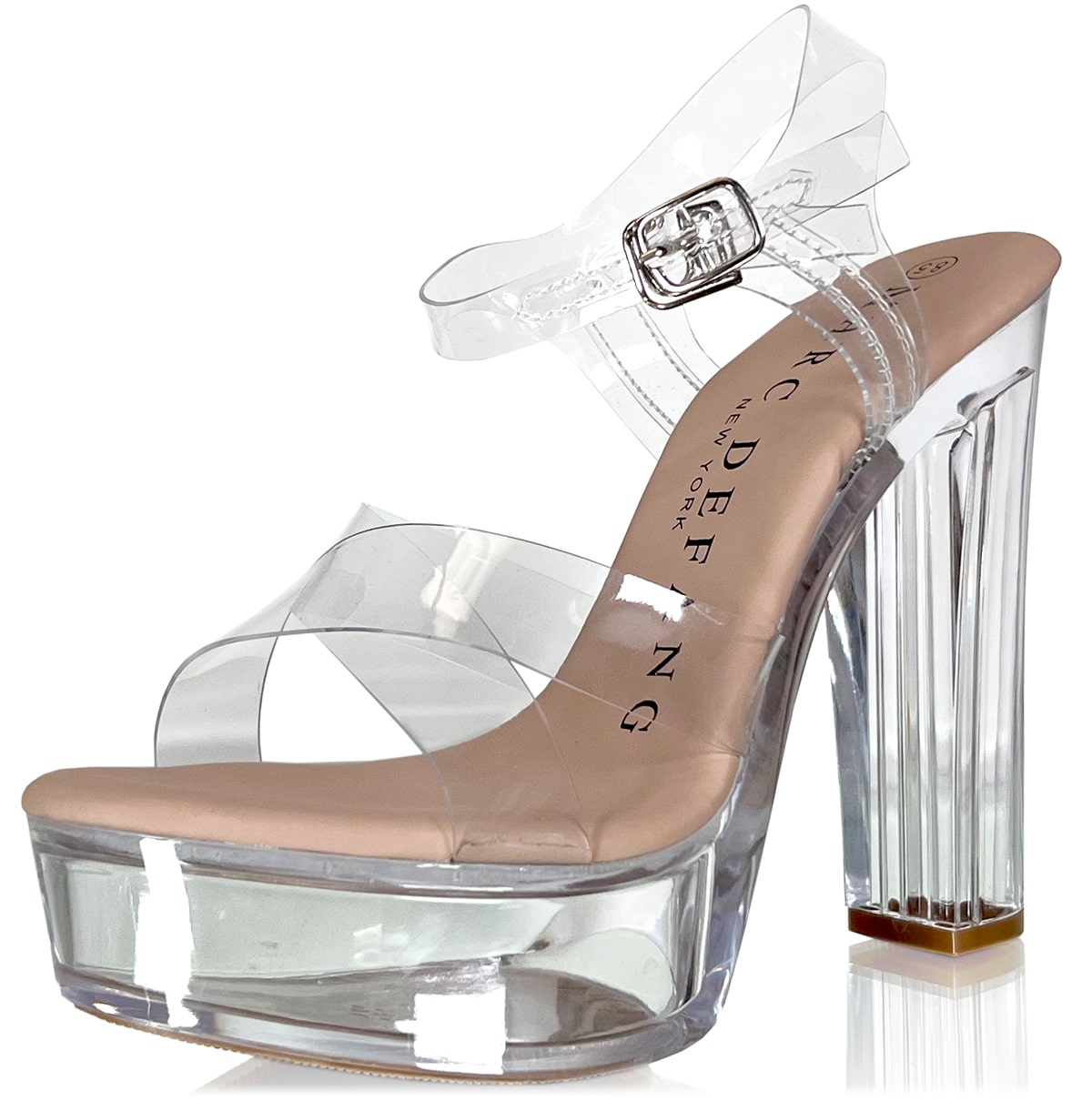
Embracing this style is an exercise in mindful curation. Here is where professional knowledge directly translates to value and satisfaction. First, consider the silhouette. Do you prefer a sandal with thin, delicate straps for a minimalist look, or a pump with a clear vamp for maximum “floating” effect? The height and shape of the heel—stiletto, block, kitten—will dramatically alter the shoe’s attitude and comfort level. Second, scrutinize the quality of transparency. Higher-quality polymers will have a pure, glass-like clarity without a yellow or cloudy tint. Third, examine the construction. Are the straps securely attached? Is there any cushioning? How does the sole feel? Reputable brands will often use non-slip material on the bottom for safety. This is where the promise of bringing professional knowledge and discounted prices to users becomes tangible. By understanding these criteria, you can confidently navigate sales, outlet offerings, or direct-to-consumer brands that offer high-quality construction at more accessible price points. The goal is not to find the cheapest option, but the most intelligent value—where cost-saving does not come at the expense of design integrity or comfort. Look for brands that specialize in modern footwear or have garnered positive reviews specifically for their clear shoe designs. An informed purchase ensures your clear high heel shoes are a lasting investment, not a disposable trend piece.
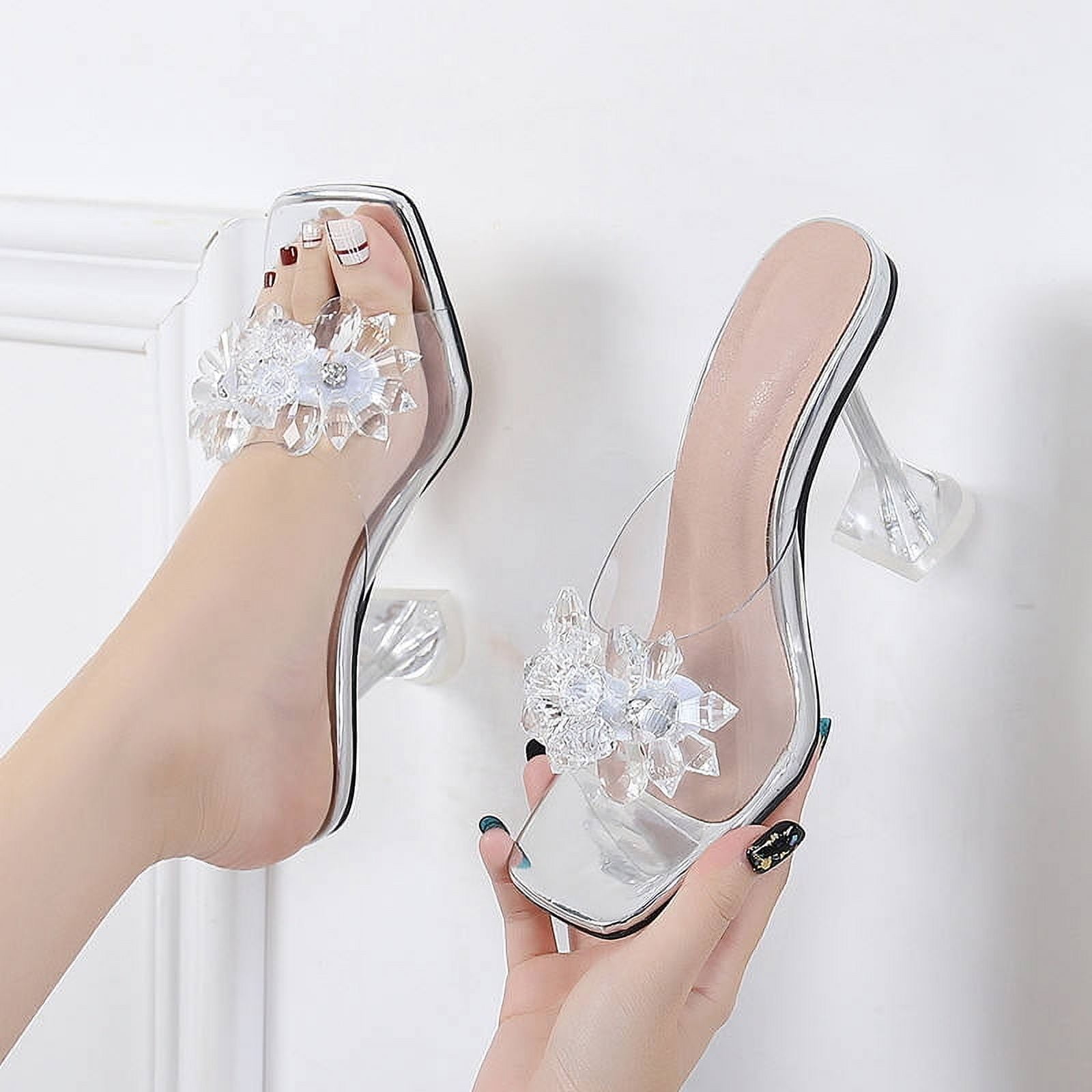
The path to effortless elegance is often about subtraction, not addition. It is about choosing pieces that serve your vision without competing with it. Clear high heel shoes embody this principle perfectly. They offer the structural benefit of height and the polished finish of a heel, while their transparent nature performs a visual magic trick—elongating, refining, and unifying your look. Backed by a history of cultural daring, grounded in principles of design and perception, and refined through modern material innovation, they stand as a testament to intelligent fashion. They are a tool for self-expression that understands its role as a supporting actor, making you, and your style, the undeniable star. In your wardrobe, they become the silent, sleek foundation upon which countless stories of confidence and sophistication can be built.
