

The Walking Shoe: Your Ultimate Guide to Comfort and Style for Everyday Adventures
Let’s be honest: most of us spend more time on our feet than we care to admit. Whether it’s navigating the urban jungle, exploring a new city on vacation, or simply managing the daily marathon of errands, our feet are the unsung heroes of our daily lives. Yet, we often relegate them to footwear chosen for fleeting trends or price tags, not for the foundational support they desperately need. This ends now. The right pair of walking shoes isn’t just an accessory; it’s a piece of essential equipment that transforms duty into pleasure, fatigue into energy, and steps into strides. This guide is your blueprint for finding that perfect pair—where uncompromising comfort meets undeniable style, backed by science and designed for the real world.
The Anatomy of Comfort: It’s More Than Just Soft
When we think of comfort, a plush, sinking feeling often comes to mind. But in biomechanical terms, true comfort in a walking shoe is a complex symphony of support, cushioning, and fit that protects the body’s intricate kinetic chain. The human foot is a marvel of engineering, with 26 bones, 33 joints, and over 100 muscles, tendons, and ligaments. According to research from institutions like the American Podiatric Medical Association, improper footwear can lead to a cascade of issues, from plantar fasciitis and shin splints to knee, hip, and even lower back pain. The core of a great walking shoe lies in its midsole, typically made from materials like EVA (ethylene-vinyl acetate) or polyurethane. EVA provides lightweight, responsive cushioning, while polyurethane offers greater durability and stability. The rocker sole design, a feature championed by brands like Hoka One One, is not a gimmick; it’s a scientifically-informed geometry that promotes a smooth heel-to-toe transition, reducing strain on the Achilles tendon and calf muscles. As renowned orthopedic surgeon Dr. Nicholas A. Campitelli has stated in various medical publications, “The goal is to find a shoe that complements your natural gait, not one that forces your foot to conform to it.” This means looking for features like a firm heel counter to control rearfoot motion, adequate arch support tailored to your foot type (whether neutral, pronated, or supinated), and flexible forefoot to allow your toes to bend naturally with each step.
Decoding Your Gait: The First Step to the Perfect Fit
You wouldn’t buy a prescription without a diagnosis, so why choose shoes without understanding your walk? Gait analysis, once the domain of elite athletes, is now accessible in many specialty running and walking stores. This process involves observing your foot’s motion from heel strike to toe-off. Pronation—the natural inward roll of the foot—is often misunderstood. Neutral pronation is efficient and necessary for shock absorption. Overpronation (excessive inward roll) and supination (insufficient inward roll, or outward roll) can lead to injuries. A proper analysis can determine which category you fall into. For instance, a study cited by the University of Calgary’s Human Performance Laboratory notes that overpronators often benefit from shoes with “motion control” or “stability” features, which use denser medial post materials to guide the foot. Conversely, supinators or neutral walkers might seek “neutral-cushioned” shoes for maximum shock absorption. Don’t guess. Take the time to have your gait assessed. Many retailers use pressure-sensitive treadmills or simple video analysis. This objective data is invaluable. As celebrated ultramarathon runner and biomechanics enthusiast David Roche often quips on his Twitter platform, “Your shoes are the interface between you and the earth. Make it a good conversation, not an argument.” Knowing your gait pattern turns a bewildering wall of shoes into a curated selection designed for your unique biomechanics.
The Style Paradox: Proving Function and Form Are Not Foes
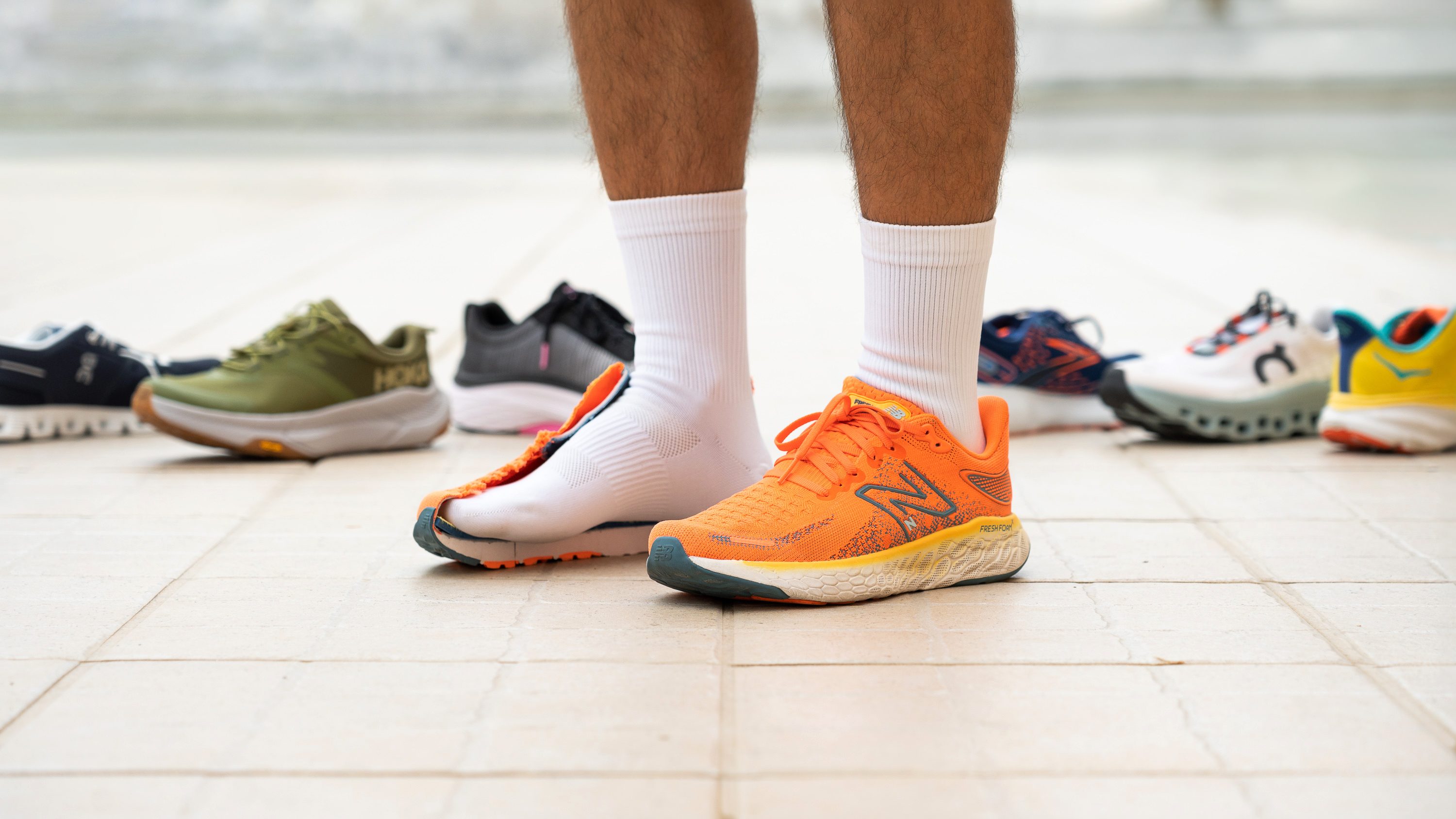
For decades, the term “comfort shoe” conjured images of clunky, beige orthopedic designs. That era is decisively over. Today’s leading footwear brands have embraced a design philosophy where aesthetics are integral to the product’s purpose. The rise of “athleisure” and the normalization of technical apparel in everyday settings have blurred the lines. A modern walking shoe can feature sleek, minimalist profiles, sophisticated color palettes, and materials like engineered knits and sustainable leathers that look at home in a café, a museum, or on a park trail. Consider the global influence of brands like Allbirds, whose Wool Runner leveraged Merino wool’s natural properties into a simple, iconic silhouette that became a Silicon Valley staple and beyond. Their success, documented in case studies from Harvard Business School, underscores a massive market shift: consumers no longer wish to sacrifice style for comfort. They demand both. This isn’t superficial; it’s psychological. When you feel good about what you’re wearing, your confidence and enjoyment of the activity increase. The right pair should make you look forward to putting them on, knowing they’ll carry you comfortably through your day while complementing your personal style. From the retro-inspired lines of New Balance’s 990 series to the futuristic flow of an On Running Cloud model, the options prove that cutting-edge biomechanical research can be housed in a visually compelling package.
Material Matters: Where Technology Meets the Ground
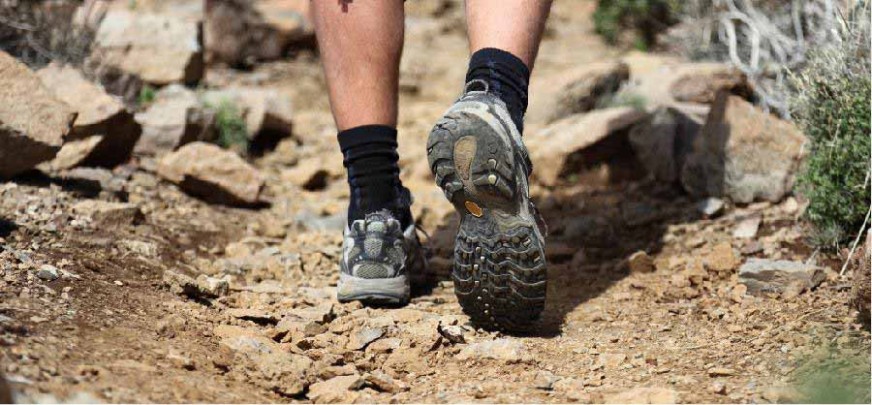
Beyond the midsole, the materials touching your foot and the ground play pivotal roles. The upper should be breathable to manage moisture and temperature, reducing the risk of blisters and fungal infections. Modern meshes, like Adidas’s Primeknit, offer targeted ventilation and a adaptive, sock-like fit. For waterproof versatility, technologies like Gore-Tex provide a breathable membrane that keeps feet dry in wet conditions—a boon for commuters or those in unpredictable climates. The outsole is your connection to the pavement. Durable carbon rubber, often placed in high-wear areas like the heel, extends the shoe’s life, while blown rubber in the forefoot provides lighter weight and better grip. The tread pattern is crucial: a smoother, flatter pattern is ideal for paved surfaces, while a more aggressive, lugged pattern is necessary for mixed-terrain or light trail adventures. As noted in gear reviews on authoritative sites like Runner’s World or Wirecutter, a shoe’s intended surface is a key purchasing criterion. Investing in a dedicated walking shoe for your primary surface ensures optimal traction and wear patterns. Remember, the best technology is the one you don’t notice—it simply works, mile after mile, allowing you to focus on your surroundings, your thoughts, or your companion, not on your feet.
Your Investment in Well-being: Beyond the Price Tag
It’s tempting to see footwear as a commodity, but a quality pair of walking shoes is an investment in your long-term musculoskeletal health. Consider the cost-per-wear calculation. A $150 pair worn nearly every day for a year, and often for two given proper rotation, breaks down to pennies per day. Compare that to the potential financial and personal cost of treating a foot-related injury. However, smart shopping doesn’t mean paying full retail. To bring professional-grade comfort to your doorstep without breaking the bank, consider these strategies: First, shop previous models. When a brand releases a new version of a popular shoe, retailers deeply discount the outgoing model. The technological differences are often minimal. Second, explore outlet stores and online discount retailers. Websites like Sierra, Joe’s New Balance Outlet, or even the “Sale” sections of major brands’ own sites offer significant savings on proven performers. Third, time your purchase
All the science, reviews, and recommendations are guides, but the final arbiter is you. Your feet tell a story of your past adventures, your current habits, and your future aspirations. When you try on the perfect pair, you’ll feel it immediately. There should be about a thumb’s width of space between your longest toe and the end of the shoe. Your heel should be snug, not sliding. The widest part of your foot should align comfortably with the widest part of the shoe. Walk around the store—on hard flooring and carpet if possible. Listen for what your feet are saying. Is there any pinching, rubbing, or hot spots? Does your arch feel supported? Does the shoe bend where your foot bends? This isn’t a break-in period; modern high-quality walking shoes should feel great from the first step. Rotate between two pairs if you can. This allows the foam in the midsole to fully rebound between uses, dramatically extending the life of both pairs. A worn-out walking shoe loses its protective properties long before the upper looks tattered. Most experts, including those at the Spaulding National Running Center at Harvard Medical School, suggest replacing walking shoes every 300-500 miles. Track your mileage roughly, and when you start to feel new aches or notice significant wear on the outsole, it’s time for a new pair. The journey to finding your ultimate walking companion is a personal one, but it need not be a solitary or confusing trek. Arm yourself with the knowledge of your own biomechanics, dismiss the false choice between comfort and style, and make a savvy investment in the tool that propels you through life’s everyday adventures. Your next step is your best step. Make it count in a shoe designed not just for walking, but for living fully, comfortably, and stylishly, in every stride you take.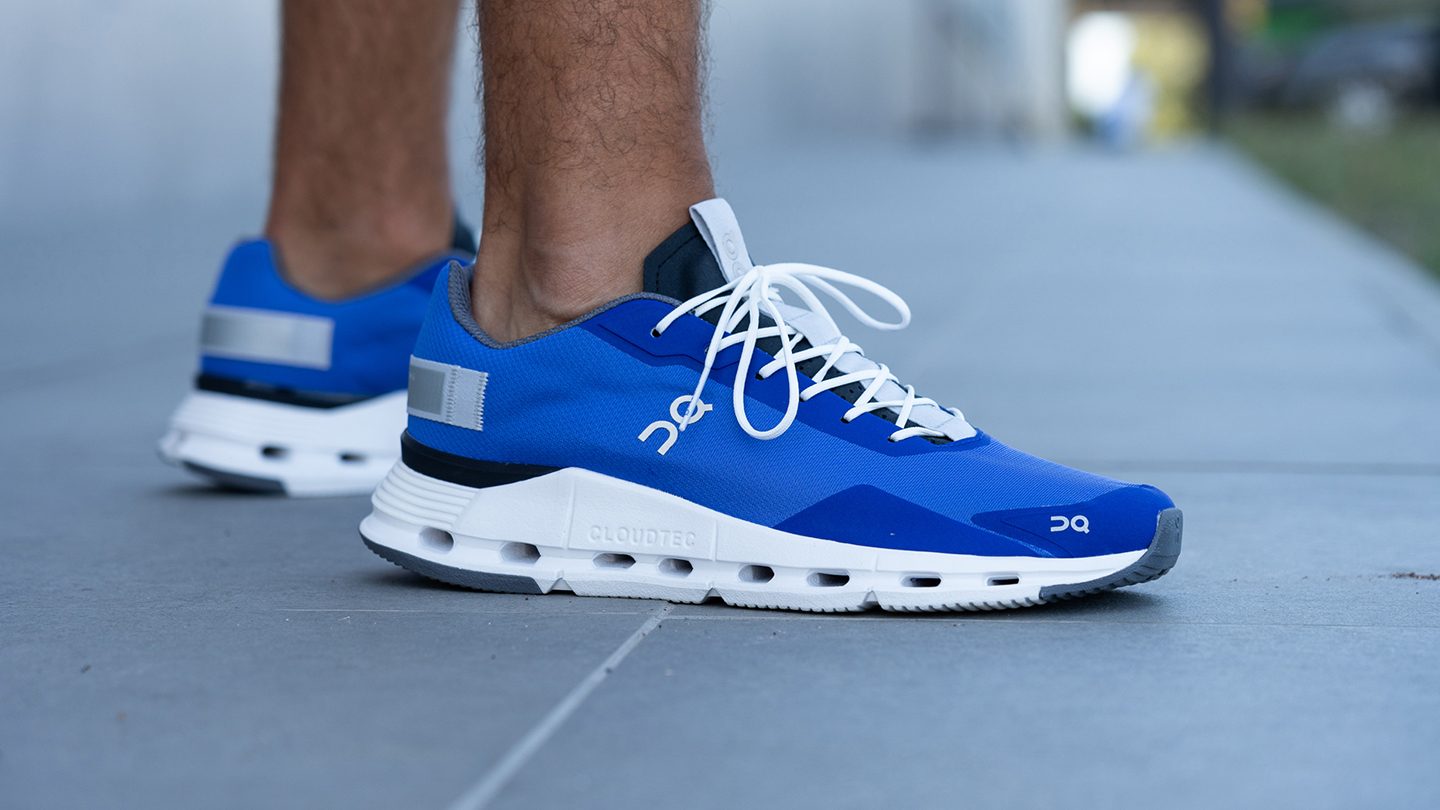
The Final Step: Listening to Your Feet’s Story
