

The Walking Shoe: Your Secret Weapon for Effortless Style and All-Day Comfort
In the relentless pace of modern life, where every step counts, the choice of footwear transcends mere fashion. It becomes a declaration of how we navigate our world—a balance between aesthetic desire and physiological necessity. The true game-changer, the unsung hero of urban exploration and daily resilience, is not found in the fleeting trends of high fashion but in the engineered perfection of the walking shoe. This is not just about a shoe; it’s about reclaiming your stride, your comfort, and your style, without compromise. We are often led to believe that comfort necessitates a sacrifice in appearance, or that durability comes at the expense of elegance. This is a myth waiting to be dismantled. The modern walking shoe stands as a testament to the fusion of biomechanical science and sophisticated design, offering a secret weapon for those who refuse to choose between looking good and feeling invincible.
The Anatomy of All-Day Comfort: More Than Just a Soft Sole
To understand the revolution of the walking shoe, one must first dissect the science of comfort. It is a complex equation involving pressure distribution, kinetic energy management, and anatomical support. According to biomechanics literature from institutions like the University of Calgary’s Human Performance Laboratory, the human foot is a marvel of engineering, comprising 26 bones, 33 joints, and over 100 muscles, tendons, and ligaments. Each step generates a force of up to 1.5 times your body weight, a shockwave that travels from your heel to your spine. A generic, flat-soled shoe does little to mitigate this. The core of a true walking shoe lies in its midsole technology. Materials like ethylene-vinyl acetate (EVA) foam, polyurethane, and advanced gels are not just padding; they are viscoelastic systems designed to absorb and dissipate this impact energy. Furthermore, the concept of the ‘heel-to-toe drop’ or ‘offset’—the height difference between the heel and forefoot—is crucial. A moderate drop, often between 6-10mm, promotes a more natural gait cycle, reducing strain on the Achilles tendon and calf muscles. This is not mere marketing; it is applied podiatric science. As noted by Dr. Casey Kerrigan, a former Harvard Medical School professor and founder of a biomechanics research company, “Footwear profoundly affects gait mechanics.” The right shoe can align your posture, while the wrong one can create a cascade of misalignments leading to knee, hip, or back pain. Therefore, the comfort of a walking shoe is a calculated, scientific intervention in your daily movement, transforming a potentially jarring activity into a smooth, efficient, and protected experience.

Ergonomics in Motion: The Synergy of Fit and Function
Beyond cushioning, the ergonomic design of a walking shoe is what cements its status as a daily essential. This involves a holistic approach to the foot’s shape and movement. Consider the toe box. A cramped, narrow front forces toes together, potentially leading to conditions like bunions or neuromas. A quality walking shoe offers a spacious, foot-shaped toe box that allows toes to splay naturally upon impact, providing stability and balance. Then there is the arch support. Whether you have high, low, or neutral arches, the insole or footbed of the shoe should correspond to your specific morphology. This support maintains the foot’s natural plantar fascia tension, preventing overpronation (excessive inward roll) or supination (outward roll), which are primary culprits of overuse injuries. The upper material is equally vital. Modern meshes offer breathability, preventing moisture buildup and maintaining a healthy foot environment, while strategic synthetic overlays provide structure and lockdown without creating pressure points. As the famous ultramarathon runner and author Christopher McDougall explored in his book “Born to Run,” the interaction between foot and ground is fundamental to human endurance. While his work advocates for minimalism, it underscores a universal principle: intentional design matters. The contemporary walking shoe takes this principle and adapts it for the hard, unforgiving surfaces of city life, offering protection without sacrificing the foot’s innate intelligence. It is a glove for your foot, designed not to constrain, but to enhance its natural function.
Style Reimagined: The End of the Comfort-Style Dichotomy
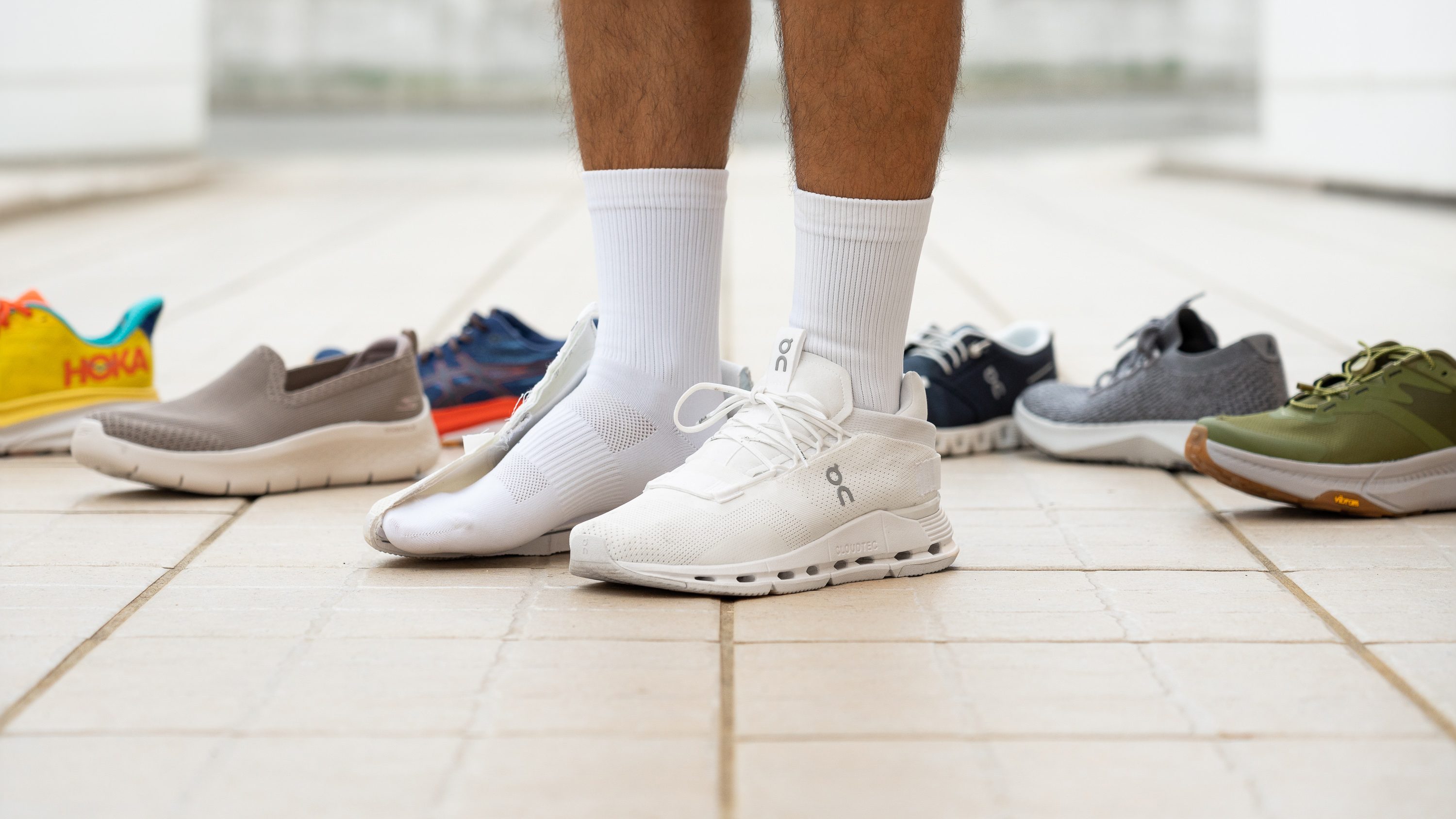
For decades, the “comfort shoe” was synonymous with clunky, orthopaedic-looking designs, relegated to the realm of necessity rather than desire. This paradigm has been utterly shattered. Today’s leading footwear brands, from established athletic giants to innovative direct-to-consumer startups, have invested heavily in design languages that speak to aesthetic sensibilities. The walking shoe now exists in a spectrum of styles: sleek, minimalist profiles in monochromatic tones for the urban professional; bold, retro-inspired sneakers with vibrant accents for the fashion-forward; and versatile, clean designs that seamlessly transition from a morning walk to a casual lunch meeting. This shift is reflected in cultural commentary. On platforms like Quora and in fashion editorials from GQ to Vogue, the integration of performance sneakers into everyday wardrobes is a consistently celebrated trend. The message is clear: looking polished no longer requires enduring pain. The modern walking shoe is a style statement in its own right, proving that the most practical choice can also be the most chic. It embodies a philosophy of smart living, where one’s wardrobe is built on foundations of versatility and well-being, not just appearance.
Investment in Wellness: The Long-Term Value Proposition
Viewing a walking shoe as a mere purchase is a profound underestimation; it is an investment in your long-term physical wellness and daily productivity. Consider the cumulative effect. The average person takes between 4,000 to 6,000 steps per day. Over a year, that’s over two million impacts per foot. Wearing unsupportive footwear is akin to driving a car with misaligned wheels—it will get you there, but at a great cost to the machinery. The right shoe acts as preventive maintenance for your body. This isn’t just anecdotal. A study published in the Journal of Foot and Ankle Research highlighted the correlation between appropriate footwear and reduced foot pain in older adults, a principle that extrapolates to all ages. Furthermore, comfort has a direct cognitive impact. Discomfort is a distraction. When your feet hurt, your focus shifts from your tasks, conversations, or enjoyment of a moment to a persistent, nagging pain. By eliminating this distraction, a superior walking shoe enhances your mental clarity and energy reserves. It allows you to be present and engaged, whether you’re navigating a trade show, touring a new city, or simply managing a busy day of errands. The return on this investment is measured in pain-free days, preserved joint health, and sustained vitality.
Making the Intelligent Choice: Knowledge and Accessibility
Armed with the understanding of why a proper walking shoe is essential, the next step is the intelligent acquisition. This is where professional knowledge intersects with consumer empowerment. First, know your foot. Websites for reputable brands and retailers often provide guides on determining your arch type and gait. Many specialty running stores offer free gait analysis, a service that provides invaluable data for choosing the right category of support. Second, prioritize fit over size. Sizes vary between brands and even models. Your perfect fit should have a thumb’s width of space in the toe box, a secure but not tight hold at the midfoot, and no slippage at the heel. It’s advisable to try shoes on in the afternoon, as feet naturally swell throughout the day. Now, let’s address value. Premium technology and materials command a price, but this need not be prohibitive. The direct-to-consumer model adopted by many innovative brands cuts out middlemen, passing significant savings to you. Furthermore, end-of-season sales, outlet stores, and subscription newsletters for first-time discounts are excellent avenues to acquire top-tier footwear at accessible price points. Investing in one truly excellent pair that lasts 500-800 miles is more economical and beneficial than cycling through multiple cheap, ineffective pairs.
A Note from the Pioneers: Voices on the Journey
The importance of foundational gear is echoed by those who push the limits of human movement. While their arenas may differ, the principle remains universal.
“You cannot buy happiness, but you can buy good shoes, and that’s pretty close.” — This popular adage, often misattributed but widely circulated on social media and lifestyle blogs, captures a profound truth about the daily impact of footwear.
“The human foot is a masterpiece of engineering and a work of art.” — Although this sentiment is famously associated with Leonardo da Vinci in various forms, it underscores the biological marvel we often neglect, a marvel deserving of proper protection and respect.
These perspectives remind us that caring for our feet is not vanity; it is a basic tenet of self-care and intelligent living.
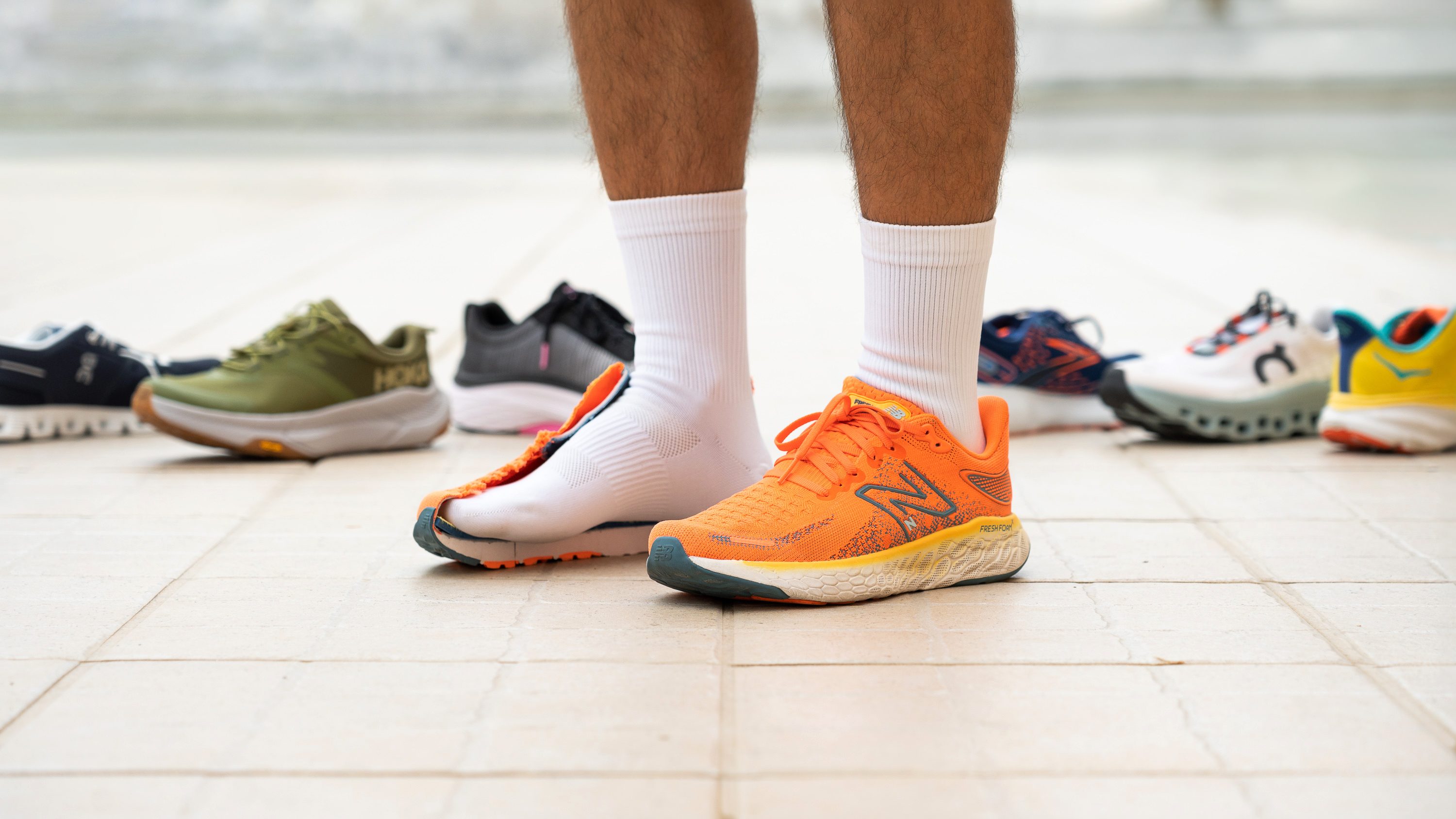
The journey through your day should be defined by possibility, not limited by discomfort. The liberation offered by the right pair of shoes is both physical and psychological. It is the confidence of a firm, cushioned step on pavement, the elegance of a design that complements your personal aesthetic, and the quiet assurance that you have equipped yourself optimally for the demands of life. The walking shoe is no longer a niche product; it is the cornerstone of a practical, health-conscious, and stylish wardrobe. It is the secret weapon that allows you to move through the world on your own terms—effortlessly, comfortably, and with undeniable style. Embrace the step that changes all the others.
