

The Ultimate Walking Shoe Guide for Effortless Comfort and Chic
Forget the notion that comfort and style exist in separate realms. The modern pursuit of wellness and mobility demands footwear that bridges this divide seamlessly. We are no longer content with shoes that merely protect our feet; we demand instruments that enhance our daily journeys, whether navigating city streets, exploring nature trails, or simply moving through our daily routines with grace and vigor. This guide is dedicated to uncovering the principles behind the perfect walking shoe, transforming an everyday necessity into a cornerstone of personal well-being and effortless style. The right pair doesn’t just carry you; it elevates the experience of movement itself.
The Foundation: Understanding Foot Biomechanics and Shoe Architecture
To select a superior walking shoe, one must first appreciate the engineering marvel that is the human foot and the science of gait. According to biomechanics literature from institutions like Stanford University’s Human Performance Lab, the walking gait cycle involves a complex sequence of heel strike, foot flat, mid-stance, and toe-off. Each phase places distinct demands on footwear. A shoe designed for this cyclic, heel-to-toe motion differs fundamentally from a running shoe, which is built for higher impact and a different strike pattern. The primary objective is stability and smooth roll-through. Dr. Casey Kerrigan, a former Harvard Medical School researcher and founder of a biomechanics-focused footwear company, has extensively published on how traditional, overly cushioned shoes can actually weaken foot muscles and alter gait negatively. This underscores the need for shoes that support, not supersede, natural foot function. The architecture of an ideal walking shoe, therefore, hinges on key components: a last (the shoe’s form) that matches your foot shape, a heel counter that locks the rearfoot, a midsole that provides responsive cushioning, and a flexible forefoot that allows for natural toe-off. Ignoring these biomechanical principles is akin to building a house on an unstable foundation—eventually, discomfort and injury will surface.
Decoding Cushioning: From Memory Foam to Advanced Polymers
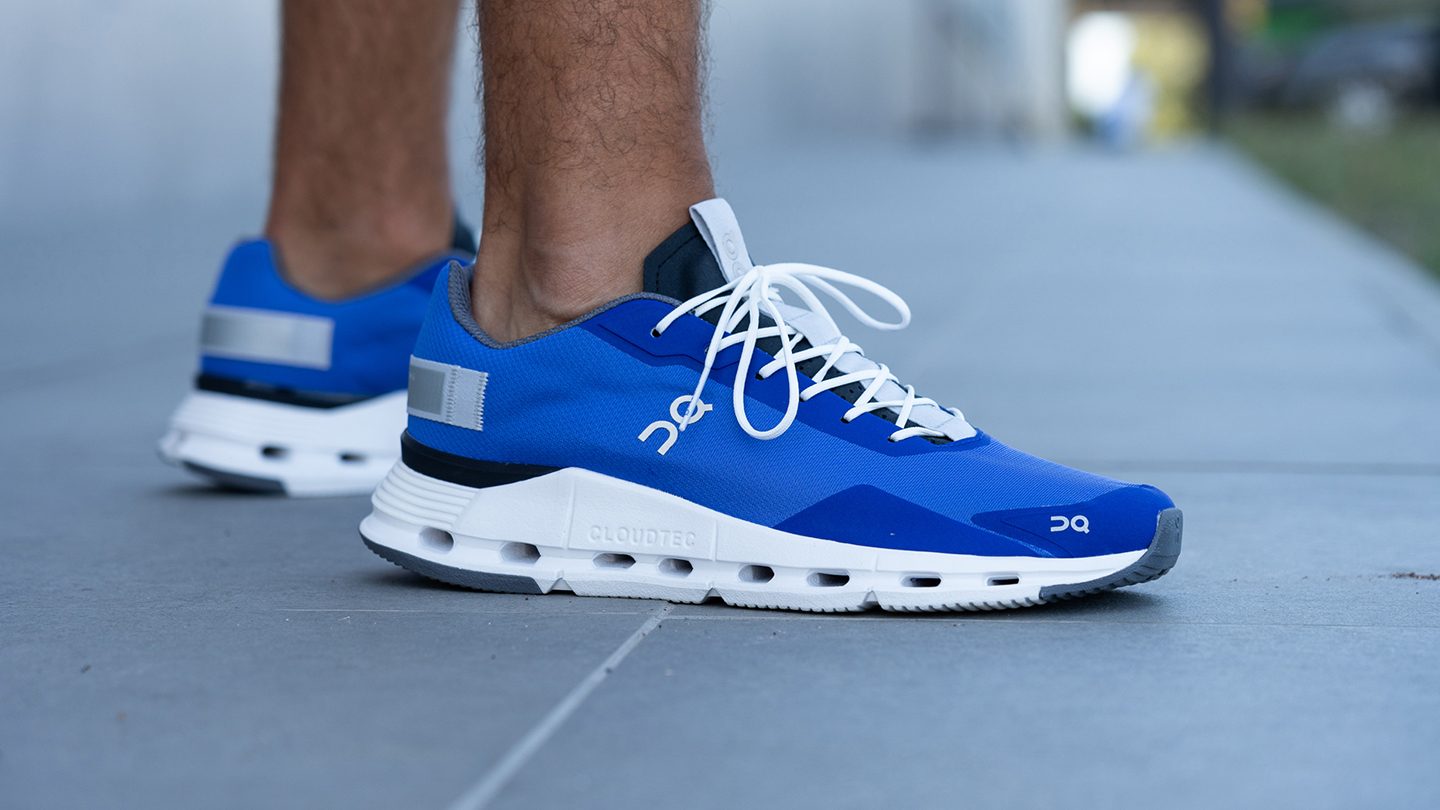
Cushioning is often the first feature shoppers seek, but its role is frequently misunderstood. It is not merely about softness; it’s about energy return and impact dispersion. Early cushioning relied on materials like EVA (ethylene-vinyl acetate), which provides a soft feel but can compress and lose resilience over time. The evolution has led to advanced technologies like Brooks’ DNA LOFT, a blend of EVA, rubber, and air that aims to balance softness with durability, or Adidas’ Boost, featuring TPU (thermoplastic polyurethane) pellets that offer exceptional energy return. As noted in material science reviews on platforms like Quora and in industry white papers, the goal is a midsole that absorbs shock at heel strike but remains responsive during toe-off, preventing the “quicksand” effect that can cause muscle fatigue. Hoka One One, a brand that has garnered a cult following, exemplifies this with its meta-rocker geometry. This design, complemented by generous cushioning, is intended to promote a rolling gait, reducing strain on the Achilles and calves. The choice of cushioning is deeply personal and should correlate with your weight, walking surface, and distance. A heavier individual on pavement may require a denser, more durable compound like polyurethane, while a lighter person on varied terrain might prioritize a lighter, more responsive foam.
The Support System: Arch Types and Stability Features
Support is the silent guardian of your walk. It begins with identifying your arch type—neutral, low (flat feet), or high—often through a simple wet foot test or professional gait analysis. For the neutral foot, a shoe with balanced cushioning and moderate arch support suffices. For overpronators (feet that roll inward excessively, often associated with flat feet), stability features are crucial. These can include a medial post—a firmer density of foam on the inner side of the midsole—or guide rails, as seen in some Brooks models, which help keep the foot aligned without overly rigid correction. Supinators (feet that roll outward, common with high arches) require neutral, highly cushioned shoes with ample flexibility to aid in shock absorption. The American Podiatric Medical Association (APMA) grants its Seal of Acceptance to shoes that promote good foot health, and many models with such recognition feature these structured support systems. It’s a reminder that proper support isn’t about constraint; it’s about creating an environment where your foot can move healthily and efficiently, mile after mile.
Material Matters: Breathability, Durability, and Sustainable Choices
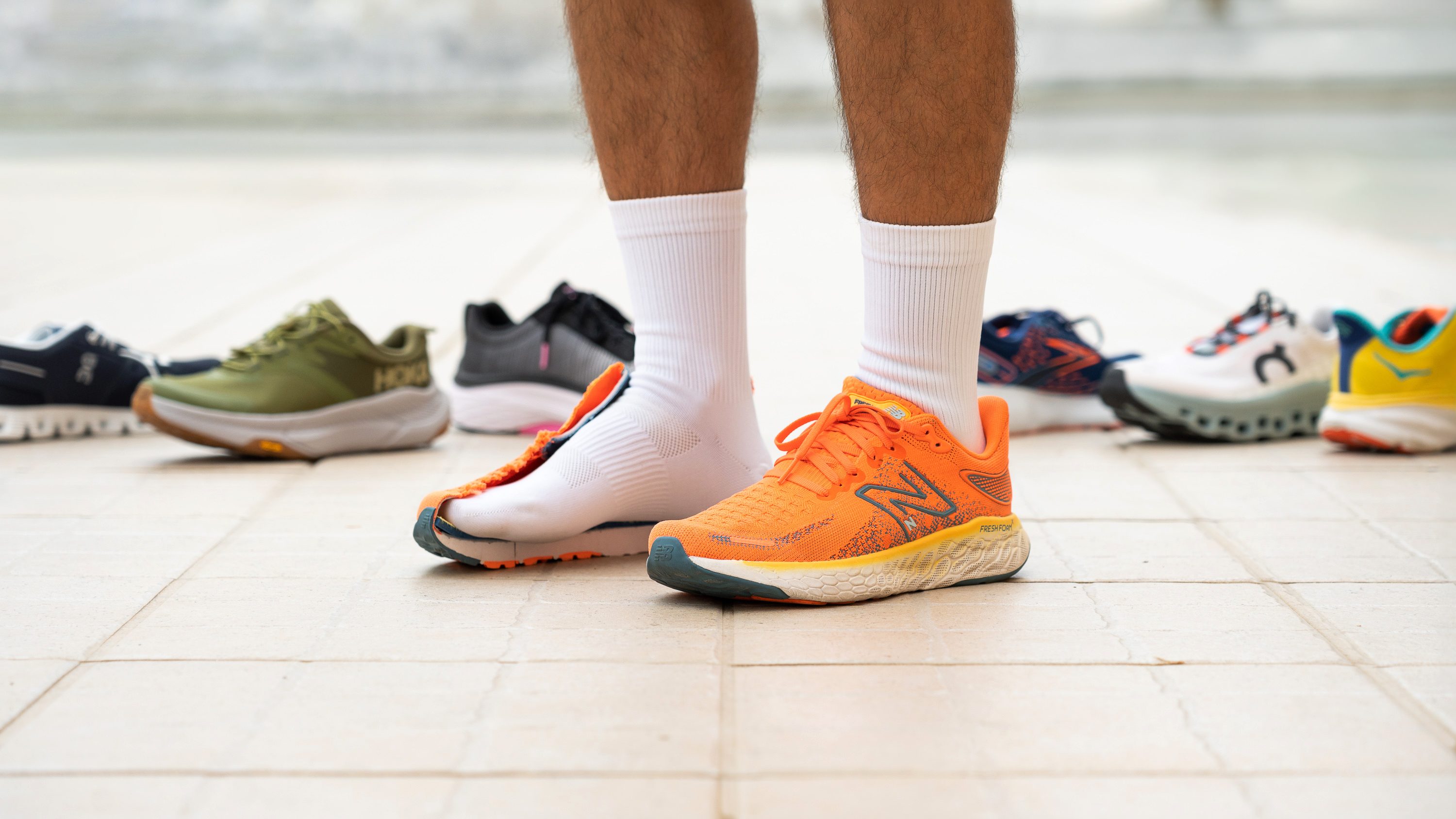
The upper of a walking shoe is its interface with the world, and its material composition dictates comfort, climate control, and longevity. Traditional leather offers durability and structure but can lack breathability. Modern engineered mesh, often with strategic synthetic overlays, provides a lightweight, ventilated fit that conforms to the foot. Brands like Allbirds have popularized the use of natural materials like merino wool and eucalyptus tree fiber, emphasizing moisture-wicking and temperature regulation. The sustainability angle, heavily discussed on platforms like YouTube by eco-conscious influencers and detailed in reports from the MIT Materials Research Laboratory, is becoming a pivotal purchasing criterion. Recycled polyester from plastic bottles, bio-based foams, and chrome-free leathers are entering the mainstream. Durability, however, must remain a key consideration. A shoe with a robust rubber outsole, especially using carbon rubber in high-wear areas, will outlast one with a blown rubber sole on abrasive surfaces. The ideal upper balances a secure, sock-like fit with enough structure to prevent slippage, ensuring that your foot remains a settled, happy occupant throughout the day’s travels.
The Style Equation: When Function Meets Fashion
The era of the clunky, purely utilitarian walking shoe is over. Today’s market proves that technical performance and aesthetic appeal are not mutually exclusive. Consider the rise of brands like On Running, whose CloudTec technology is housed in sleek, Swiss-designed profiles that transition effortlessly from a morning walk to a casual lunch. Or the enduring popularity of classic styles like the Nike Air Max, which has transcended its athletic origins to become a streetwear icon, all while providing reliable cushioning. Fashion magazines from Vogue to GQ regularly feature “athleisure” and performance footwear, validating style as a core component. The key is to identify design elements that align with your personal style—minimalist monochromes, bold color-blocking, retro silhouettes—without compromising the technical features you need. A low-profile, versatile walking shoe in a neutral color can be paired with a wide range of outfits, embodying the chic, effortless comfort we seek. It’s a powerful statement: caring for your body does not require sacrificing your personal aesthetic.

Investing in Your Stride: Value, Fit, and Where to Buy
Finding the perfect walking shoe is an investment in your long-term mobility. While premium models from brands like Brooks, Hoka, or New Balance may carry a higher initial price tag—often ranging from $120 to $160—their advanced materials, construction quality, and biomechanical research justify the cost for dedicated walkers. However, value can be found. Last season’s colorways, online retailers like Zappos or Running Warehouse, and brand outlet stores frequently offer significant discounts of 30-50% off. The single most critical step, regardless of price, is proper fitting. Always shop in the afternoon when feet are naturally slightly swollen, wear the socks you intend to walk in, and ensure about a thumbnail’s width of space between your longest toe and the end of the shoe. The width should be secure without pinching. Remember, the most technologically advanced shoe is worthless if it doesn’t fit your unique foot shape. This personalized fit is what transforms a mass-produced product into your personal tool for exploration and comfort.
A Curated Selection for Your Journey
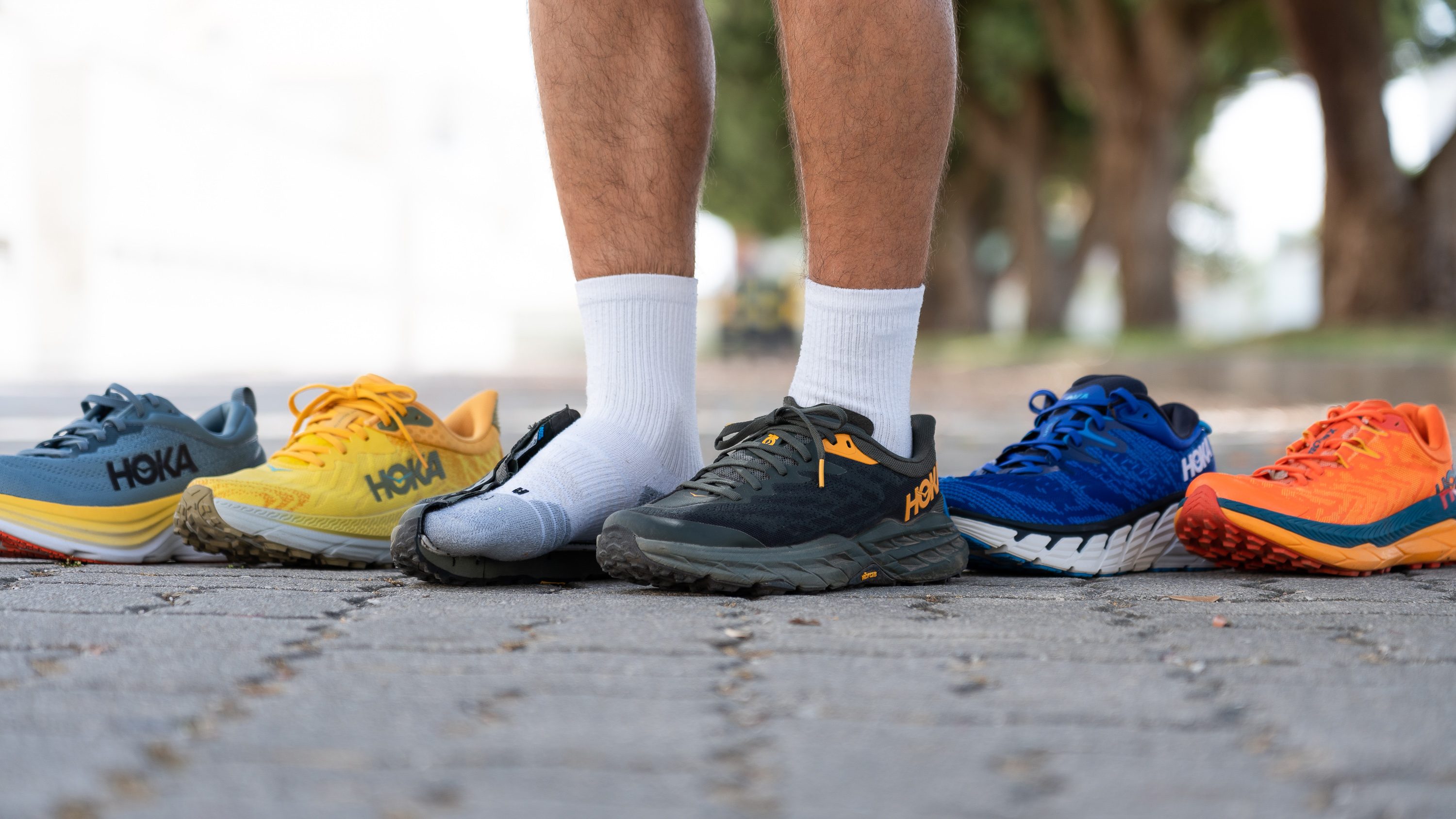
To translate theory into practice, here are archetypes of excellence across different needs. For the urban explorer prioritizing all-day comfort and subtle style, the Cole Haan Zerogrand series combines dress-shoe aesthetics with athletic sneaker technology. For the dedicated fitness walker seeking maximum cushioning and gait efficiency, the Hoka One One Bondi series is a benchmark, its meta-rocker geometry praised by users and podiatrists alike. Those requiring serious stability might turn to the Brooks Adrenaline GTS line, a perennial award-winner with its GuideRails holistic support system. And for the eco-conscious walker, the Allbirds Tree Runner offers a compelling blend of sustainable materials, lightweight comfort, and minimalist design. Each represents a pinnacle in its category, embodying the principles of cushioning, support, and materials discussed. Your mission is to match these archetypes to your personal biomechanics, terrain, and style lexicon.
The quest for the ultimate walking shoe is a journey toward a more engaged and joyful experience of movement. It is a deliberate choice to equip yourself with footwear that respects the intricate biology of your feet, aligns with your environmental values, and expresses your individual style. By applying the principles of biomechanics, material science, and honest self-assessment of your needs, you move beyond mere consumption to making an informed investment in your daily well-being. Let your next step be taken in shoes that don’t just fit your feet, but fit your life, empowering you to walk further, feel better, and do so with undeniable chic. The path to effortless comfort is, quite literally, at your feet.
