

The Ultimate Guide to Vionic Walking Shoes for All-Day Support
In a world where we are constantly on our feet, the quest for footwear that genuinely supports our body’s architecture is more than a matter of comfort—it’s a foundation for health. The wrong shoes can lead to a cascade of issues, from plantar fasciitis to back pain, subtly eroding our daily vitality. This is where a specialized category of footwear rises above the rest, engineered not just for walking but for sustaining the human frame through every step. Among these, Vionic walking shoes have carved out a reputation, merging biomechanical science with everyday wearability. This guide delves into the core of what makes these shoes a pivotal choice for anyone seeking unwavering support from morning to night.
The Biomechanical Blueprint: Understanding Foot Support
To appreciate the design philosophy behind supportive footwear, one must first understand the biomechanics of walking. The human foot is a complex structure of 26 bones, 33 joints, and over 100 muscles, tendons, and ligaments. According to resources from authoritative institutions like the American Podiatric Medical Association (APMA), proper alignment and motion control are critical in preventing overuse injuries. When your foot pronates excessively (rolls inward) or supinates (rolls outward), it disrupts the kinetic chain, potentially causing pain in the knees, hips, and lower back. A well-designed shoe acts as an external modulator, guiding the foot through a healthier range of motion. This isn’t mere marketing; it’s applied orthopedics. The foundation of any serious walking shoe, therefore, lies in its ability to provide motion control, arch support, and cushioning in a harmonious balance. Brands that succeed in this do so by integrating insights from podiatrists and biomechanics researchers, creating products that are often recognized with the APMA Seal of Acceptance—a mark of scientific credibility in footcare.
Deconstructing the Vionic Advantage: Core Technology Unveiled
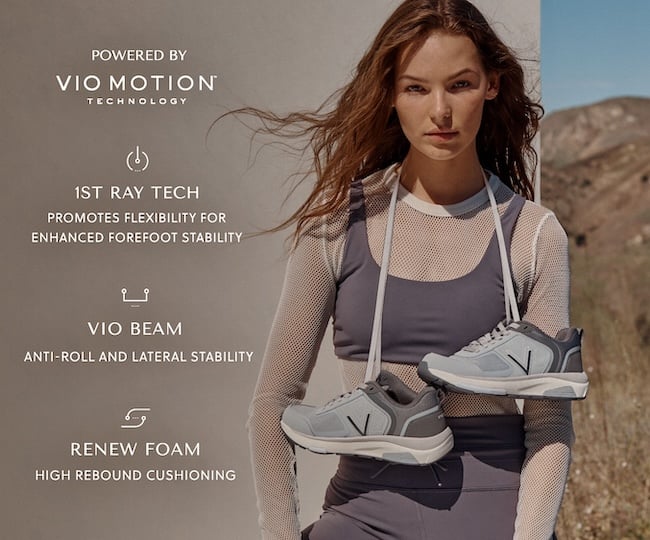
What sets a Vionic walking shoe apart is its integration of proprietary technologies focused on realigning the foot to its natural position. The cornerstone is their biomechanical footbed, often featuring a deep heel cup, a pronounced arch support, and a forefoot ramp. This trio works in concert. The deep heel cup stabilizes the rearfoot, minimizing excessive calcaneal movement that can strain the plantar fascia. The arch support is not a generic bump but is strategically contoured to cradle the medial arch, reducing stress on the posterior tibial tendon—a common culprit in arch collapse. The forefoot ramp encourages a more natural toe-off, promoting efficient gait. This approach echoes principles found in professional literature from sports medicine universities, which emphasize the therapeutic benefits of contoured orthotics. Furthermore, many Vionic styles incorporate a durable rubber outsole with strategic flex grooves, allowing for flexibility where the foot naturally bends without compromising stability. It’s a holistic system where every component, from the midsole’s EVA foam compression resistance to the upper’s adaptive materials, is engineered with a single purpose: to provide all-day support by respecting podiatric science.
From Discomfort to Relief: Addressing Common Foot Conditions
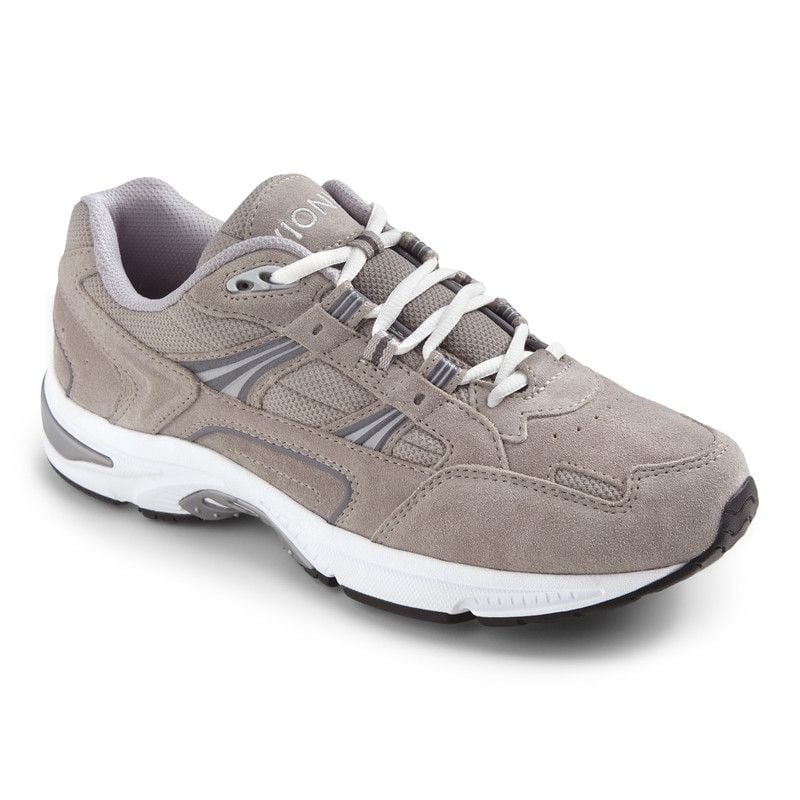
The true test of any therapeutic footwear is its efficacy in addressing specific, often debilitating, foot ailments. Plantar fasciitis, for instance, involves inflammation of the thick band of tissue running across the bottom of the foot. A common recommendation from healthcare providers, as noted on platforms like WebMD and in patient education materials from hospital systems, is footwear with excellent arch support and cushioning to reduce tension on the plantar fascia. Similarly, conditions like flat feet (pes planus) or bunions require shoes that offer structure without pressure points. This is where the targeted design of Vionic walking shoes demonstrates its value. The built-in orthotic footbed is not an afterthought; it’s the product’s heart. By offering a biomechanically correct platform, these shoes can help distribute pressure more evenly, mitigate shock impact, and reduce strain on overworked ligaments. It’s a form of passive therapy—you simply go about your day while your footwear works to create a more optimal environment for your feet. Testimonials and discussions on communities like Quora or specialized health forums often highlight personal journeys where switching to biomechanically designed shoes marked a turning point in managing chronic foot pain, underscoring the practical impact of such technology.
A Walk Through the Lineup: Key Styles for Every Need
Vionic’s walking shoe collection is diverse, ensuring there’s a match for different preferences and activity levels. Let’s explore some flagship categories. The Walk Strider series often embodies the pinnacle of their athletic walking technology, featuring lightweight stability and responsive cushioning ideal for longer, purposeful walks. Then there are styles like the Walk Max, which might emphasize plush comfort and maximum shock absorption, perfect for those who spend hours standing on hard surfaces. For a more casual yet supportive everyday look, their versatile sneakers integrate the same podiatrist-designed footbed into contemporary silhouettes. The key for you, the wearer, is to identify your primary use case. Are you a dedicated morning walker covering several miles? Do you work in retail or healthcare, requiring all-day standing comfort? Or are you seeking an “everywhere” shoe that provides support from running errands to casual outings? By aligning your lifestyle with the shoe’s specialized features, you move beyond just buying footwear to investing in a tool for sustained well-being. The variety ensures that the core benefit of a Vionic walking shoe—biomechanical support—is accessible whether your day calls for athletic performance or understated, all-day comfort.

Expert Voices and Endorsements: The Credibility Factor
In an era of abundant choice, professional endorsements serve as valuable guideposts. Vionic’s technology hasn’t gone unnoticed in the medical community. The APMA Seal of Acceptance, mentioned earlier, is a significant credential, indicating the brand’s products have been found to promote good foot health by a committee of podiatrists. Beyond certifications, the influence of expert opinion is powerful. Renowned podiatrists and physical therapists often discuss the importance of proper footwear in public lectures, interviews, and on social media platforms. For instance, Dr. Jackie Sutera, a prominent New York City podiatrist, has been quoted in various media outlets emphasizing the need for shoes with a sturdy heel counter, arch support, and a roomy toe box—features consistently highlighted in Vionic’s designs. Furthermore, on platforms like YouTube, certified fitness experts and ergonomic specialists frequently include biomechanical footwear in their gear recommendations for pain-free living. These expert validations, drawn from clinical experience and scientific understanding, add a layer of trust, transforming the shoe from a consumer product into a recommended component of a proactive health strategy.
“Footwear is the foundation of your body’s alignment. Choosing a shoe with built-in biomechanical support isn’t just about comfort—it’s a preventive measure. It’s about ensuring that your daily activities don’t come at the cost of long-term musculoskeletal health.” — Insight often echoed by podiatric professionals in health wellness discussions.
Investment in Wellness: Balancing Cost with Long-Term Value
It’s undeniable that quality biomechanical footwear often carries a higher initial price point than standard sneakers. However, framing this as an investment rather than a mere expense is crucial. Consider the potential costs of neglecting foot health: expenses for orthotic inserts, physical therapy sessions, pain management treatments, and even lost productivity due to discomfort. A pair of Vionic walking shoes, with their integrated, podiatrist-designed orthotic, can negate the need for many aftermarket additions. Furthermore, the construction quality—from durable outsoles to resilient uppers—is typically geared for longevity, meaning the cost-per-wear decreases significantly over time. To make this investment more accessible, savvy shoppers should look for seasonal sales, discounts on older colorways, or bundle offers directly from the brand’s official website or authorized retailers. The value proposition is clear: you are paying for applied research, quality materials, and a design whose primary goal is to preserve your body’s natural function. When viewed through the lens of preventive healthcare and durable goods, the price aligns with the substantial, tangible benefits delivered day after day.

Choosing the right footwear is a decisive act of self-care. In the landscape of options, Vionic walking shoes stand out by anchoring their design in immutable principles of biomechanics, earning professional validation, and offering tangible relief for weary feet. They represent a synthesis where science meets the sidewalk, providing a stable, supportive platform for every journey, long or short. Your stride is fundamental to your mobility; equipping it with intelligent support is the first step toward a more comfortable, active, and resilient life.
