

The Ultimate Guide to Tennis Shoes for Everyday Walking
For years, the quest for the perfect everyday walking shoe has led many of us down aisles of specialized footwear, from running shoes to cross-trainers. Yet, an often-overlooked champion sits right in the athletic section: the humble tennis shoe. Once confined to the clay and grass courts, tennis shoes for walking have emerged as a surprisingly versatile and effective option for the urban explorer, the daily commuter, and anyone seeking comfort for miles on hard pavement. This isn’t about repurposing old sports gear; it’s about recognizing the inherent design principles of tennis footwear that align perfectly with the biomechanics of walking. The lateral support, durable outsoles, and cushioned stability that prevent ankle rolls during a fierce volley are the very same features that provide security and comfort on unpredictable city terrain. Let’s dismantle the myth that walking requires a singular type of shoe and explore why a well-chosen tennis shoe might be the most intelligent step you take for your daily ambulation.
The Anatomical Synergy: Why Tennis Shoes Work for Walking
To understand the suitability of tennis shoes for walking, we must first dissect the physical demands of both activities. Walking is a controlled, heel-to-toe gait cycle involving constant contact with the ground. It requires steady shock absorption, especially at the heel strike, and a smooth roll-through to the toe-off. Tennis, conversely, is a game of explosive lateral movements, quick stops, starts, and pivots. The shoe must offer immense stability to prevent the foot from rolling inward (overpronation) or outward (supination) during these sudden directional changes. According to biomechanics research from institutions like the University of Calgary’s Human Performance Laboratory, the prevention of excessive foot motion is crucial for joint health in any repetitive activity. This is where the synergy lies. A quality tennis shoe is engineered with a combination of medial (arch-side) and lateral (outer-side) support, often through reinforced midsoles and sturdy heel counters. This “cradle” of support is over-engineered for the linear motion of walking, providing an exceptional level of stability that many dedicated walking shoes lack. Furthermore, the outsole of a tennis shoe, designed for traction on varied court surfaces, translates to reliable grip on concrete, tile, and even light trails. The cushioning, while sometimes firmer than in maximalist running shoes, is strategically placed to handle impact from multiple angles, making it robust and durable for the consistent, repetitive impact of walking.
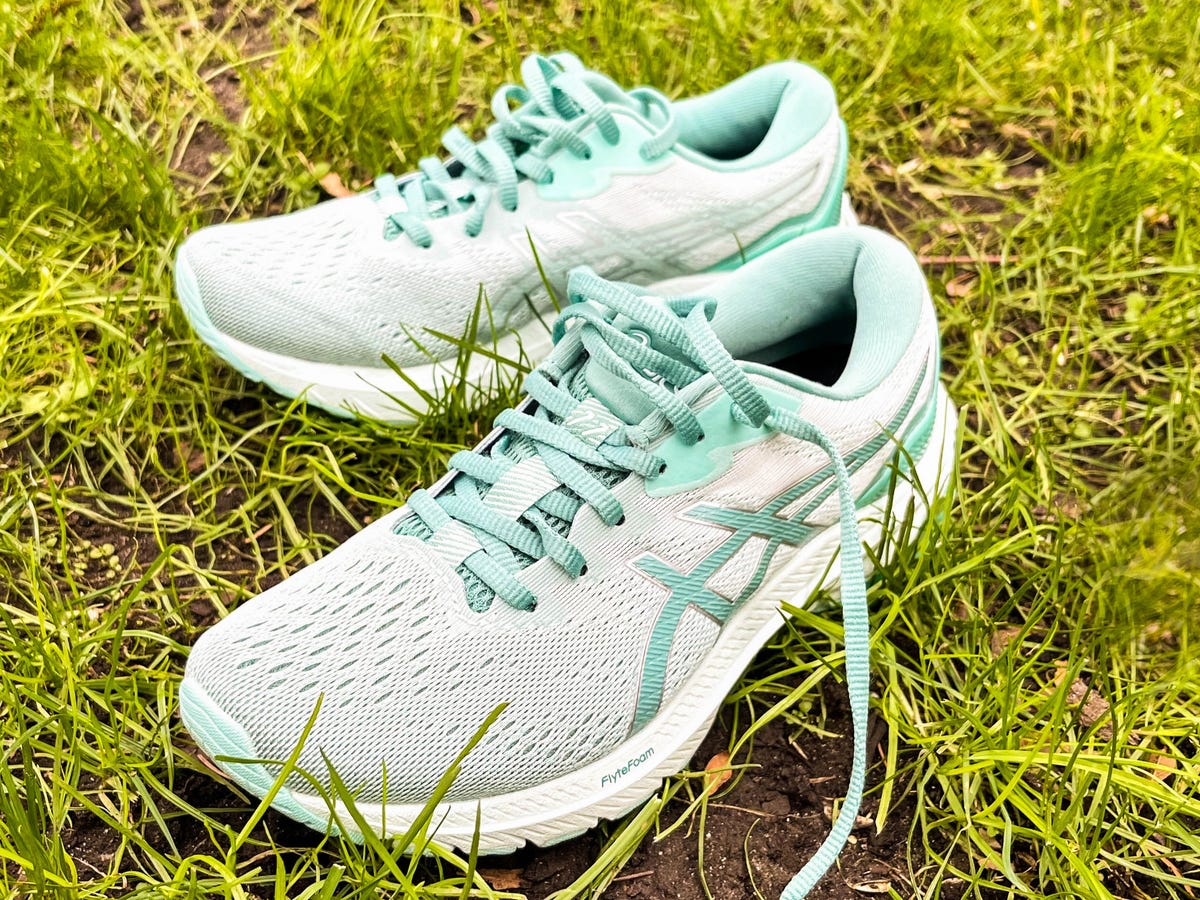
Decoding the Jargon: Cushioning, Stability, and Durability
When evaluating tennis shoes for walking, three objective, scientific concepts are paramount: cushioning, stability, and durability. Cushioning refers to the shoe’s ability to attenuate ground reaction forces—essentially, softening the blow each time your foot hits the ground. Materials like EVA (ethylene-vinyl acetate) foam, polyurethane, and advanced gels (like ASICS’ GEL technology) are common. A 2018 review in the Journal of Foot and Ankle Research highlighted that adequate cushioning can reduce the risk of stress-related injuries in weight-bearing activities. Stability, as mentioned, is the shoe’s capacity to control unwanted foot motion. This is often achieved through technologies like a TPU (Thermoplastic Polyurethane) shank in the midfoot or a dual-density midsole, where a firmer foam on the inner arch helps guide the foot. Durability is a key economic and performance factor. Tennis shoe outsoles are made of hard-wearing rubber compounds like herringbone or modified patterns that resist abrasion. As noted by equipment experts on platforms like Tennis Warehouse, the durability of a court shoe outsole far exceeds that of many running shoe outsoles, which are designed for lighter weight over pure longevity. Therefore, investing in a pair of tennis shoes for walking often means a longer functional lifespan, providing better value over time.
Voices from the Court and the Street: Anecdotal and Expert Validation
The theory of using tennis shoes for pedestrian purposes is bolstered by a chorus of voices from diverse fields. On Quora and Reddit’s r/walking communities, countless users report switching from dedicated walking or running shoes to tennis models like the New Balance 996 or ASICS Gel-Resolution, citing a dramatic improvement in arch support and a reduction in knee pain after long days on their feet. Celebrity trainer Harley Pasternak, in interviews with Men’s Health, has often emphasized the importance of supportive, stable footwear for clients whose primary activity is walking, indirectly endorsing the principles found in court shoes. Even in popular culture, the practicality shines through. In the book Born to Walk by James Earls, the author delves into the biomechanics of walking and implicitly supports the idea that footwear should protect and guide the foot, not just cushion it—a philosophy at the core of tennis shoe design. Perhaps the most compelling evidence comes from podiatrists. Dr. Brad Schaeffer, a New York-based podiatrist, stated in a YouTube interview for Foot.com, “Many patients come in with plantar fasciitis or metatarsalgia from wearing overly flexible, unsupportive shoes. I often recommend they look at a good stability tennis shoe. The structure is there to support the foot’s architecture during the prolonged, weight-bearing stance phase of walking.” This professional endorsement underscores the therapeutic potential of these shoes beyond their intended sport.
:max_bytes(150000):strip_icc()/vwt-walking-shoes-test-ryka-devotion-x-sahara-borja-02-18807b688fbb49e4ba30a3ee438600cb.jpeg)
A Buyer’s Guide: Selecting Your Perfect Pair
Not all tennis shoes are created equal for walking purposes. Your selection should be a deliberate process. First, prioritize fit over style. Your foot will naturally swell during long walks, so trying shoes on in the afternoon is wise. There should be a thumb’s width of space between your longest toe and the shoe’s end. Second, analyze the sole. Look for a flat, non-aggressive tread pattern. Deep, pronounced lugs designed for clay courts may feel awkward on pavement. A smooth or finely textured herringbone pattern offers the best compromise of grip and smooth transition. Third, feel for support. Press on the sides of the heel counter—it should resist deformation. Try the “twist test”: grasping the heel and forefoot and gently twisting. A good walking-adapted tennis shoe will resist torsion, providing that crucial midfoot stability. Fourth, consider the weight. While tennis shoes are generally sturdier, modern models use lightweight synthetics and meshes. Brands like K-Swiss and Adidas offer models that balance durability with a reasonable weight, preventing leg fatigue. Finally, don’t ignore the upper. Breathable mesh will keep your feet cooler on extended walks compared to the full-leather uppers of some classic tennis designs.
Where to Find Value: Navigating the Market and Discounts
Embracing tennis shoes for walking doesn’t require a premium budget. The key is strategic shopping. Previous-season models are your best friend. Tennis shoe technology evolves, but not as rapidly as in running, meaning a model from one or two seasons ago will offer nearly identical performance at a 30-50% discount. Major online retailers like Amazon, Zappos, and Eastbay frequently have sales on brands like Wilson, Prince, and Nike. Signing up for brand newsletters can yield direct discount codes. Furthermore, outlet stores for brands like ASICS, New Balance, and Reebok are treasure troves for high-quality, supportive tennis shoes at a fraction of the original price. Remember, the goal is to acquire the structural benefits—the durable outsole, the supportive midsole, the secure fit. These core features are present in mid-tier and sale-priced models just as they are in the flagship versions. By focusing on fit and function rather than the latest colorway, you can secure a professional-grade walking companion that supports your feet and your wallet.

Stepping Beyond Convention
The journey for ideal walking footwear need not be siloed into a single category labeled “walking shoes.” The design intelligence of the tennis shoe—forged in the crucible of a demanding sport—presents a compelling, often superior, alternative for the daily walker. It offers a foundation of stability that guards against common overuse injuries, a durability that promises longevity, and a versatility that handles varied surfaces with ease. By applying a discerning eye to fit and features, you can transform a performance court shoe into your most trusted pedestrian partner. The path to comfortable, healthy walking is underfoot, and it might just be lined with the same rubber that has graced the world’s tennis courts. So, the next time you consider a new pair of shoes for your daily miles, look beyond the expected. A world of support, resilience, and value awaits in the form of a well-chosen pair of tennis shoes for walking.

