

Step Into Style: The Ultimate Guide to Toe Walker Shoes
In the world of footwear, few categories blend medical necessity with fashion potential as intriguingly as toe walker shoes. For years, these specialized shoes were confined to clinical discussions, viewed solely through the lens of therapeutic intervention. Today, a shift is occurring. A new generation of designers and wearers is reimagining these shoes, transforming them from purely functional aids into statements of style, comfort, and identity. This guide delves deep into the anatomy, purpose, and burgeoning style revolution of toe walker shoes, offering you a comprehensive look at why they are stepping out of the clinic and onto the runway.
Beyond the Clinic: Understanding the Foundation
To appreciate the evolution, one must first understand the origin. Toe walker shoes, often associated with conditions like idiopathic toe walking or cerebral palsy, are engineered to address a specific gait pattern. This gait is characterized by a persistent preference for walking on the balls of the feet, with the heels making little or no contact with the ground. From a biomechanical standpoint, chronic toe walking can lead to a cascade of issues: shortened Achilles tendons, altered balance, and excessive strain on the forefoot and calf muscles. The primary objective of traditional toe walker shoes is to provide a rigid or semi-rigid sole, a pronounced heel, and often an extended toe box. This design creates a physical barrier that encourages, or sometimes gently forces, the heel to strike the ground first, promoting a more typical heel-to-toe rolling motion. This isn’t merely about comfort; it’s about musculoskeletal health. As noted in pediatric orthopedics literature from institutions like Johns Hopkins, consistent use of properly fitted orthotic footwear can be crucial in preventing long-term contractures and promoting proper skeletal alignment during growth years.
The Anatomy of a Modern Toe Walker Shoe
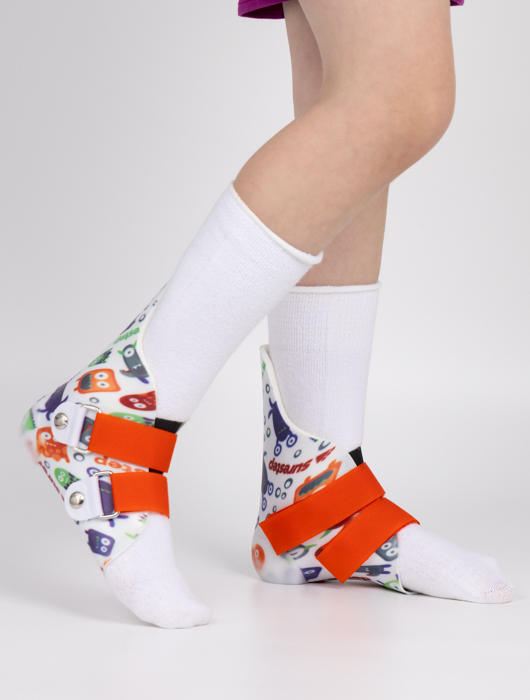
Gone are the days of one-size-fits-all, clunky designs. The modern toe walker shoe is a marvel of ergonomic engineering. Let’s dissect its core components. First, the rocker sole: This is arguably the most critical feature. Unlike a flat sole, a rocker sole is curved, facilitating a rolling motion that reduces the effort required to complete a step and minimizes pressure on the forefoot. It actively works against the toe-walking impulse by making the heel-strike the easiest and most natural part of the step cycle. Second, consider the heel counter. This is the firm cup at the back of the shoe that cradles the heel. In a high-quality shoe, it is exceptionally rigid to prevent the heel from slipping or rolling, providing stability and ensuring the corrective posture is maintained. Third, we have arch support and medial posting. Many individuals who toe walk also exhibit overpronation (rolling inward of the ankle). Integrated arch support and firmer material on the inner side (medial post) help control this motion, aligning the ankle and knee. Finally, the toe box must be high and wide enough to accommodate any custom orthotics or simply to allow toes to splay naturally without constraint. This combination of features, validated by podiatric research, transforms walking from a potentially stressful activity into a supported, corrective, and now, stylish experience.
The Style Renaissance: From Correction to Couture
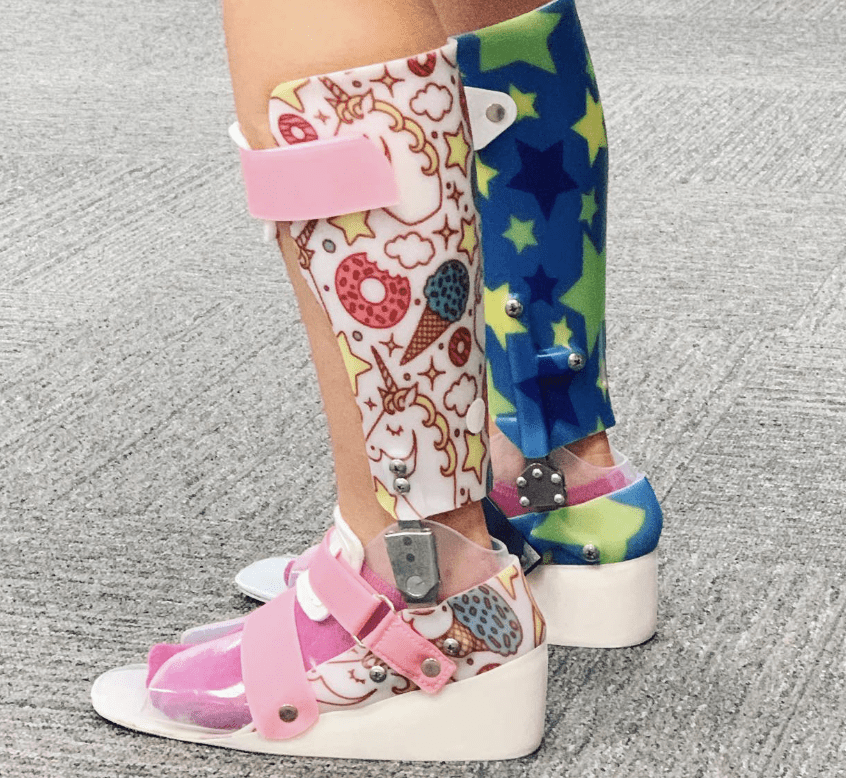
The narrative that corrective footwear must be aesthetically bland is being dismantled. A vibrant community of designers and fashion-forward individuals with gait differences are leading a style renaissance. They are proving that toe walker shoes can be as expressive as any other element of a wardrobe. This movement finds its voice on platforms like Instagram and YouTube, where influencers share their customized kicks—think bold colors, premium materials like supple leathers and breathable meshes, and collaborations with avant-garde designers. The philosophy is simple: why should footwear that empowers your body not also empower your personal style? This shift is reminiscent of the eyeglass revolution decades ago; once a mere medical device, now a central fashion accessory. The demand has spurred niche brands to emerge, offering collections that look like they belong in a high-end boutique, not a medical catalog. They understand that when you feel confident in what you’re wearing, you’re more likely to wear it consistently, thereby enhancing the therapeutic benefits. It’s a powerful synergy of form and function.
Voices of Change: Celebrity and Community Perspectives
This cultural shift isn’t happening in a vacuum. It’s being amplified by voices from various spheres. On Quora and dedicated forums, parents and adults share their journeys, often lamenting the historical lack of options and celebrating new brands that offer choice. While major Hollywood films rarely center on this specific experience, the broader theme of embracing physical difference—seen in characters or even in the avant-garde costumes of movies like The Fifth Element or Blade Runner—parallels this embrace of unique, functional fashion. More directly, figures in the disability advocacy and adaptive fashion space have been vocal. Although not all comment specifically on toe walking, their overarching message applies. As disability fashion blogger and model Mama Cax (whose powerful legacy continues to inspire) often emphasized, adaptive fashion is about innovation, independence, and identity. This sentiment is echoed by designers on Twitter who argue, “Mobility aids are an extension of the person. They should be as customizable and personal as a tattoo.” This collective voice is reshaping market expectations, pushing for shoes that don’t just work but wow.
“The greatest disability is often the attitude that functional can’t be fashionable. We are rewriting that story, one stylish, supportive shoe at a time.” — A perspective echoed by numerous adaptive fashion advocates on social media.
Making the Informed Choice: A Buyer’s Considerations
Navigating the world of specialized footwear requires a blend of professional guidance and personal research. Your first and most crucial step should always be a consultation with a healthcare professional—a podiatrist, orthopedic specialist, or physical therapist. They can provide a precise diagnosis, assess your specific biomechanical needs, and often prescribe specific features or even custom orthotics. With that prescription in hand, you become an empowered consumer. Look for brands that transparently list their technical specifications: rocker angle, heel counter rigidity, and weight of the shoe. Materials matter immensely; full-grain leather offers durability and structure, while advanced synthetics provide breathability and flexibility. Don’t underestimate the importance of a precise fit. Many reputable companies offer detailed sizing guides and even virtual fitting consultations. Remember, an ill-fitting corrective shoe can do more harm than good. Finally, explore the style offerings. Do they have the colors and designs that resonate with you or your child? This is not a superficial concern. Adherence to wearing the shoes is paramount for success, and liking how they look dramatically increases that adherence.

Investing in Your Stride: Value Beyond Price
Let’s address the practical matter: cost. High-quality, medically-informed toe walker shoes represent an investment. Prices can range significantly, from around $150 for well-made standard models to over $300 for custom-fitted or designer-collaboration pairs. It’s essential to view this not as a simple clothing purchase, but as an investment in long-term musculoskeletal health and quality of life. The potential cost of not addressing persistent toe walking—future surgeries, chronic pain, physical therapy—far outweighs the initial outlay for proper footwear. However, value can be found. Many manufacturers offer seasonal sales, and some clinics have partnerships with brands for discounts. Furthermore, check if your health insurance plan covers orthotic footwear with a doctor’s prescription; this can substantially offset the cost. The key is to prioritize the non-negotiable medical features first, then find the best value within that framework. A shoe that perfectly fits both your foot and your budget is the ultimate goal.
The Future Underfoot: Innovation and Inclusion
The trajectory for toe walker shoes points toward a future where the line between adaptive equipment and mainstream fashion is not just blurred but erased. We are already seeing the integration of smart technology—sensors that provide gait feedback to a smartphone app, materials that adapt to temperature and pressure. 3D printing promises a future of hyper-customized shoes, designed from a scan of your unique foot, making perfect fit a standard rather than a luxury. The most exciting innovation, however, is cultural. As inclusive design becomes a core principle for more major fashion houses, the features pioneered in toe walker shoes—rocker soles, superior stability, spacious toe boxes—are being recognized as universally beneficial. This isn’t a niche trend; it’s the forefront of a broader movement towards footwear that respects human anatomy in all its diversity. The ultimate goal is a world where everyone, regardless of their gait, can find shoes that offer unparalleled support without demanding a sacrifice in personal expression.

The journey of toe walker shoes from hidden necessity to style statement is a powerful testament to human ingenuity and the desire for self-expression. It demonstrates that solutions for the body and aspirations of the spirit are not mutually exclusive but can be woven together into something truly transformative. By embracing both the science of gait and the art of design, we step into a future where every stride is taken with confidence, comfort, and undeniable style.
